
In the last decade orange wine has gone through quite a transformation in terms of its understanding and reputation.
Go back a few years and those who knew about this ‘third’ colour of wine viewed it as niche, presided over by obscure barrel-fiddlers in the hills of northern Italy, eastern Europe and beyond.
Now it’s everywhere; supped and championed in trendy city centre ‘tap rooms’ where modish insiders drink it by-the-glass from Enomatics and discuss skin contact.
Okay, so these are the extremes, but it’s fair to say that orange wine is now a style that’s increasingly common among wine drinkers and can be found on restaurant wine lists, gastro pub blackboards and the shelves of discerning indie merchants. You can even find it in Asda.
But what makes it orange? Writing for Decanter in 2015, orange wine expert and author of Amber Revolution: How the World Learned to Love Orange Wine Simon Woolf defines it as ‘effectively… a white wine made as if it were a red.’
He adds: ‘The term is increasingly used for white wines where the grapes were left in contact with their skins for days, weeks or even months. The result differs not only in colour, but is also markedly more intense on the nose and palate, sometimes with significant tannins.’
The term itself, unlike the style of wine it describes, is relatively new. ‘It was coined in 2004 by David Harvey of UK wine importer Raeburn Fine Wines while working in Frank Cornelissen’s cellar in Sicily’s Etna region,’ says Woolf.
‘The name may not be ideal, but this style needs its own category,’ says natural wine pioneer Saša Radikon from The Radikon winery in Oslavia Friuli Colli. ‘If customers order a white wine and it turns out to be this surprising dark colour, they might not be so happy.’
The joy of orange wines – or amber wines, a term some prefer – is that they can combine the weight, texture and complexity of red wines with the freshness and verve of whites.
Woolf is quick to point out that the colour comes from the skin of the grapes and not from oxidation, which is a common misconception.
‘Although the winemaking style is often oxidative (open-top oak or plastic fermenters are popular), producers typically seal vessels after fermentation to ensure the wines stay fresh,’ he says.
Orange crush
In 2020 orange wine is made in most wine-producing countries around the world, from Swartland in South Africa to – yes, even this one from Orange in Australia – but its in the traditional ‘orange heartlands’ of Georgia, Slovenia and Italy where some of the most highly-prised examples can be found.
‘The technique can be tricky to pull off without considerable winemaking skill and experience. Very few producers in the New World have been brave enough to try,’ says Woolf.
Top orange wines to try:
Wines below have been tasted by Decanter experts
Note: This article has been updated after originally including a Vin Jeaune, which is not an orange wine.
See also: How to serve orange wines – ask Decanter
Gravner, Ribolla Anfora, Friuli Venezia Giulia, Italy, 2008
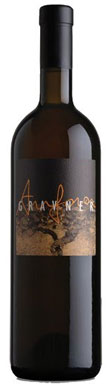

After 12 months in amphorae buried underground and six years in casks, it’s not surprising that the wine has a dull orange straw colour. But the nose has pure, zesty, orangey aromas, mirrored on a palate that’s suave and creamy. Very long, with excellent balance.
2008
Gravner

Dobrá Vinice, Chardonnay, Czech Republic, 2013
Taking inspiration from Joško Gravner, Petr and Andrea Nejedlík invested in Georgian qvevri in 2012. This big, bold Chardonnay is one of the results, with stunning fruit definition, tight structure and great tension. No added sulphites.
2013
Dobrá Vinice
Bosman Family Vineyards, Fides Grenache Blanc, Wellington, South Africa, 2016
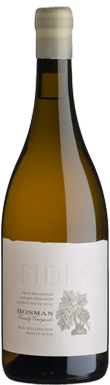
Oz Clarke: Fascinating amber wine; rich, chewy, with the scent and bitterness of tamarind and orange pith, and a dusty roast almond smokiness. Sarah Jane Evans: Burnished colour. Tertiary palate of roasted and toasted flavours, with a tinge of bitter orange zest. Long, Intense finish. Tina Gellie: Clearly an orange wine on the nose: toasted nuts, spice and burnt orange peel. Lean, firm and drying on the palate. An individual style that will divide opinion. Recommended by Sarah Jane Evans MW
2016
Bosman Family Vineyards
Aphros, Phaunus Loureiro, Vinho Verde, Portugal, 2017
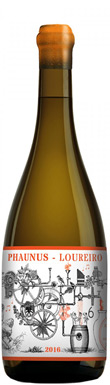
Made in a huge, squat talha (an amphora from Alentejo), this unique reading of the lively Loureiro grape replaces its usual perfume with earthy, baked apple aromas and adds a fine but grippy seam of tannins into what is a savoury yet quite electrifying wine. Biodynamic.
2017
Aphros
Foradori, Fuoripista, Trento, Trentino-Alto Adige, Italy, 2015
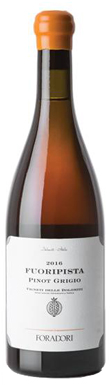
This dark pink ramato wine (Italian for ‘auburn’ or ‘copper’), is made with old vine Pinot Grigio that has sat on the skins in amphorae for over eight months resulting in a wine which has slightly oxidative aromas, intense cherry fruit and a hint of cherries in brandy. It has a chalky texture and lively acidity. This wine, while quirky, shows the potential of amphora and skin contact to create interesting orange-wine-meets-rosé-styles.
2015
ForadoriTrento
AD Beckham, Pinot Gris, Oregon, USA, 2016
Andrew Beckham started life as a potter, and makes his own amphorae. This deeply coloured Pinot Gris is a dead ringer for a light northern Italian red, with juicy fruit and a subtle textural lift. Made without added sulphites, and impressively pure to boot.
2016
AD Beckham
Macrobert & Canals, Laventura Malvasía, Rioja, Northern Spain, Spain, 2016
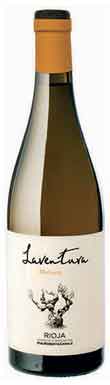
This Malvasía Riojana, aka Alarije, is relatively rare as a single variety bottling, rarer still for being an orange wine. Fermented on skins in a concrete egg and bottled with minimal sulphur. Plenty of texture and grip, freshness and complexity. One of the new generation at work in Rioja.
2016
Macrobert & CanalsRioja
Lumière, Prestige Class Orange Fuefuki Koshu, Yamanashi, Japan, 2017
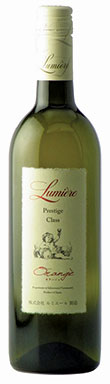
<p>This amber-coloured Koshu has gone through carbonic maceration and two weeks of skin contact, followed by barrel ageing. Lots of bruised apple, sourdough, stewed and fresh strawberry fruit on an earthy and textured palate. Savoury and long finish.</p>
2017
Lumière
Zorjan, Dolium Muscat Ottonel, Štajerska, Podravje, Slovenia, 2015
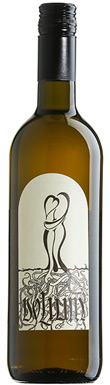
Fermented and aged more than two years in Georgian qvevri, the aromatics of this quirky bottle are subtle and elderflower-like. Muscat’s thick skins provide substantial structure with an impression of ripeness and nuttiness. Lovely freshness and a bone-dry finish. Biodynamic.
2015
ZorjanŠtajerska
Cullen, Amber, Margaret River, Western Australia, Australia, 2017
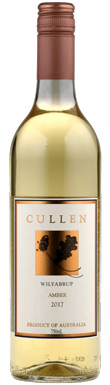
Biodynamically farmed and fermented on its skins, this has medicinal herb flavours not dissimilar to Campari. Deliciously textured and expansive in the mouth, it's a very successful orange wine with well-handled phenolics, although classic Sauvignon lovers will question its varietal character.
2017
CullenMargaret River
Andreas Tscheppe, Hirschkäfer Erdfass, Steirerland, Austria, 2012
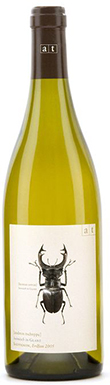
Elegant nose with good intensity of ripe apricot, sweet spices, and floral notes. Nicely textured with good tannin structure, vibrant acidity and lovely purity of fruit. Finishes with almond and lime flavours.
2012
Andreas Tscheppe
Tbilvino, Qvevris Rkatsiteli, Kakheti, Georgia, 2016
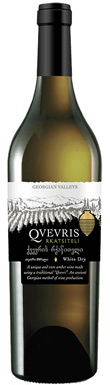
Tbilvino’s entry-level qvevri wine is an excellent introduction to the style, made with the traditional six months of skin contact, but less stems. Ripe apricot and pear fruit are supported by firm but unobtrusive phenolics. There’s a typical hint of jasmine green tea on the nose.
2016
Tbilvino