Barrels explained
Discover how the origin, size, age and toasting level of a barrel can affect a wine's development and character.


Coming in various forms, barrels can play a crucial role in a wine’s conditioning, adding not only texture and body but also the widely cherished seasoning characters of vanilla, cedar and tobacco. They have been in use since at least the third millennium BC in ancient Egypt, where tubs with wooden staves were used during harvest. There is also evidence of barrels being used for storing wine in ancient Babylon, Iron Age Britain, Gaul and ancient Rome.
A barrel is constructed from several components: the head (the round ends which form the top and bottom of the barrel), staves (the shaped lengths of wood that form the sides of the barrel), and hoops (the metal parts that hold the staves together).
Not all barrels are created equal, however, with the origin of the oak trees that provide the wood being one of the key factors in determining the style of the finished wine. Other significant elements include the barrel’s dimensions, age and level of toast (see below).
The most common wooden vessel used in modern-day winemaking is the traditional oak barrel, usually made from either European or American oak. European oak is tighter-grained, resulting in firm but ‘polished’ tannins and more restrained flavours. They are considered to result in a finer outcome compared to their American counterparts, which are cheaper to produce and contain more vanillin compounds, therefore delivering more overt, sweeter characters such as coconut.
As to dimensions, the winemaker has at their disposal a smorgasbord of sizes whose capacities are often based on tradition: the Bordeaux barrique holds 225 litres, for example, while in Burgundy you’ll usually find 228L barrels.
Enormous vessels are an important part of Italy’s winemaking heritage, most notably in Piedmont where the Slavonian oak botte – generally holding anything from 1,500L-10,000L of wine – is woven into the region’s history.
In between these two extremes you will find puncheons or demi-muids, which hold 500L and 600L respectively. Even larger than that are French foudres, which compare with Italy’s botti.
Size is crucial as it determines the ratio of surface area in direct contact with the wine: the smaller the barrel, the higher the proportion of oak in contact with the wine, which results in stronger oak-derived aromas and flavours.
It is that surface area, the inside of the barrel, where toast comes into effect, with the level of toasting determining the flavours imparted into the wine. Taking place in the cooperage where the barrel is crafted, the barrel’s interior is charred with flames, which caramelises the sugars within the wood – the longer the exposure to flame, the higher the toast and the richer the flavours.
However, the flavour components released by this process into a wine diminish with time, which brings us to age. By the time the barrel has been used in four or five vintages there is little flavour left to give, though barrels will continue to be used, with winemakers keeping them as an option when in pursuit of a gentler touch of oak.
Barrels: In the glass
Related articles
Vanilla is the ‘most pleasant’ smell, finds study
Wine barrel sizes explained – Ask Decanter
What happens to old wine barrels? – ask Decanter
Buena Vista, Carneros, California, USA, 2019
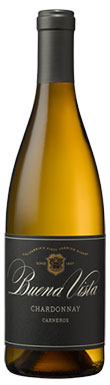

Ripe, tropical fruit notes of kiwi, pear, lemon and wet slate. This is broad and mouth-filling with zippy acidity and a generous dollop of sweet, toasty oak and crushed almonds. It finishes long with burnt caramel accents and a vein of minerality. Buena Vista is the crown jewel of French-born wine magnate Jean-Charles Boisset's American wineries. The Chardonnay grapes for this white came from Herman, Thornton Ranch and Southern Sonoma, they were whole-cluster pressed, entirely barrel fermented and then aged in 10% new French oak for 10 months.
2019
Buena VistaCarneros

Urbina, Reserva Especial, Rioja, Northern Spain, Spain, 2006
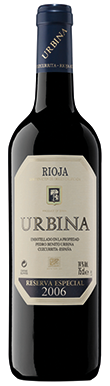
Classic Rioja style, with lots of vanilla scents from the American oak, dried fruit and a hint of chocolate. It is not very intense in mouth, quite easy going, although a bit dry on the finish. A must for lovers of old-style Rioja.
2006
UrbinaRioja
