A perfect pairing: Hawksmoor’s Tamworth belly ribs
The most popular starter at steakhouse chain Hawksmoor is a great summer dish to recreate at home. Serve it with one of our wine matches for pork perfection


The first branch of our now wildly successful restaurant chain Hawksmoor opened in a former kebab shop in east London in 2006. Fast-forward many, many great steaks – the best ever tasted in this country, according to UK restaurant critic Jay Rayner – and there are now six branches in the UK capital, plus one each in Manchester and Edinburgh.
That journey is charted in Hawksmoor: Restaurants & Recipes. ‘We wanted to be brutally honest about the realities of setting up and running a restaurant,’ says co-founder Will Beckett. ‘That means sharing the mistakes we’ve made, problems faced, and lessons learned. The book is meant to be picked up, read and enjoyed, as well as showing you how to cook a pig’s head or clinch a tomahawk.’
When it comes to meat and wine pairing – such as pork or steak – we usually look first to fat content, as this is a really good signpost for many aspects of your wine pairing. First of all, it helps to understand the required level of acidity – you’d want a fresh, zippy, higher-acid style of wine with a fattier cut to help cleanse the palate, for instance. Secondly, fat tends to equal flavour, so usually we look to the more powerful wines on the list for fatty cuts like rib-eye and sirloin – a Napa Cabernet would be a classic match. We would then lean towards the subtler characteristics and lighter styles of Pinot Noir and reds from the Jura to match a leaner cut such as a fillet.
When there’s a sweet element to the dish, as with these belly ribs, we’d look for a similarly sweet flavour in the wine. Not to be confused with the wine being sweet! We are still looking to match dry or possibly off-dry wines; however, we are looking for what could be considered a sweet flavour (pineapple, for example) in that wine. These ribs pack a huge flavour punch, so your pairing should do the same, so as not to get lost.
Hawksmoor Tamworth belly ribs recipe
Serves 4-6
Preparation time 20 mins/overnight
Cooking time 4-5 hours
Ingredients
- 25g fennel seeds (as fresh as possible)
- 25g black peppercorns
- 5g cumin seeds
- 5g coriander seeds
- 1 onion, grated
- 5-6 garlic cloves, finely chopped
- 60ml vegetable oil
- 60ml pressed apple juice
- 1 green pepper, deseeded & diced
- 1 green chilli, deseeded & diced
- 60ml maple syrup
- 60ml smoked chipotle Tabasco
- 60g English mustard, or 30g mustard powder mixed with 2tbsp water
- 60g smoked Maldon sea salt
- 60ml blackstrap molasses
- 125ml Hawksmoor ketchup (or Heinz)
- 185g apricot jam (we generally use Tiptree)
- 1 Granny Smith apple, peeled, cored & grated
- 25g anchovies, finely chopped
- 1.5-2kg pork belly, with the ribs attached
Method
1. Dry-roast the spices in a heavy-based frying pan for about 5 minutes. Tip them into a grinder and whizz until powdered.
2. Cook the onion, garlic and ground spices in the vegetable oil over a low heat for about 5 minutes. Add the apple juice and cook until the juice has evaporated. Whizz in a blender with all the other ingredients except the apple and anchovies. Stir in the grated apple and chopped anchovies.
3. Remove the skin from the pork belly. Place the belly in a dish and, using your hands, massage the ribs with the marinade, cover and leave in the fridge overnight.
4. When ready to cook, preheat the oven to 100°C/200°F/gas 1⁄4. Place the ribs in a shallow roasting tray, cover with foil, and roast for 4-5 hours, until the meat is tender.
5. Remove from the oven and allow to cool before cutting the ribs into portions. In a heavy-based pan, reduce the remaining marinade and use it to baste the ribs liberally.
6. Finish cooking the ribs on the barbecue or in a hot oven (220°C/425°F/gas 7) until thoroughly heated through, taking care not to let them burn. We like to serve our ribs with pickled red cabbage, but you could serve them with a slaw.
Matching wine with ribs
Riesling
With the sweeter flavour characteristic of the ribs in mind, Riesling would work well. It isn’t necessary to go bone-dry, as you have acidity in the slaw already (if you’re serving this as a side), and a little residual sugar will marry well with the sweetness in the ribs.
Orange Wine
In white winemaking, the juice from white grapes is usually separated from the grape skins, then fermented on its own. With orange wine, the juice and skins ferment together. The extra flavour punch and body added by the process works so well with the full flavour-bomb of these ribs.
Buy Hawksmoor: Restaurants & Recipes by Will Beckett and Huw Gott is published by Cornerstone (£30). Hawksmoor runs a Monday Wine Club, with a flat-rate corkage charge of £5 applied to all BYO bottles.
Buy Hawksmoor: Restaurants & Recipes – Hawksmoor – £30 / Amazon UK – £20.49 / Waterstones UK – £30
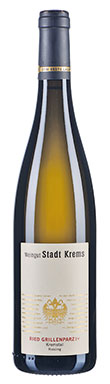
Stadt Krems, Riesling Ried Grillenparz 1ÖTW, Kremstal, 1ÖTW, Niederösterreich, Austria, 2019
93
A characteristically exotic nose of guava, ripe mango and peach, with a hint of grass. The tropical mango fruit follows to the palate, with bitter grapefruit rind, nectarine and citrus. A touch of residual sugar (4.8g/L) balances the acidity well.
2019
Stadt KremsKremstal
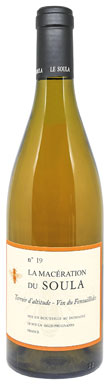
Le Soula, La Macération du Soula Blanc No 19, IGP Côteaux des Fenouillèdes, Languedoc-Roussillon, France
93
A blend of 76% Vermentino and 24% Macabeu from vines grown on decomposed granitic soils. The burnished colour, structure and textural grip come from two weeks’ whole-bunch maceration. No fining and minimal filtration, so there’s a slight haze. It’s a fascinating wine, perfumed and floral, with pronounced mandarin citrus and red apple skin notes, plus some soft spice. Reminiscent of white Rhône, this is a great choice for pairing with strongly flavoured dishes.
Le SoulaIGP Côteaux des Fenouillèdes
