A new taste of Turkey
There’s been a real boom in the quality of wines made from across diverse regions and varieties over the past 20 years, says Isa Bal MS, who picks out his best buys.


There’s been a real boom in the quality of wines made from across diverse regions and varieties over the past 20 years, says Isa Bal MS, who picks out his best buys.
Turkey is full of surprises for wine lovers, offering much more than simple, cheap wines to wash down your kebabs and meze dishes while on a beach holiday.
Although Turkey is today the sixth largest grape-growing country in the world, commercial winemaking is still a very small industry dominated by the handful of wineries that are both willing and financially able to navigate the country’s heavily regulated alcohol laws. Increasing numbers of women are also involved, from production to marketing, which is to be celebrated and encouraged.
Varieties
Turkey is reportedly home to about 1,000 indigenous grape varieties, but only 30 or so are used in winemaking. Key local red grapes include the tannic, almost Nebbiolo- like Bog ̆azkere, the fruity Oküzgözü and light Kalecik Karası; while in the whites, steely Emir and opulent Narince are most common, with the rarer Kinali Yapıncak gaining popularity. International varieties are widely planted: Chardonnay and Sauvignon Blanc for whites and Cabernets Sauvignon and Franc plus Syrah for reds.
Turkish Wine Regions
The country is divided into seven different geographical regions, with the Aegean, Marmara and Central Anatolia accounting for the lion’s share of production. Elazıg and Diyarbakır in eastern Anatolia are known for Oküzgözü and Bog ̆azkere respectively, and red blends containing both varieties are great food wines. Nearby Tokat is home to the white Narince grape, which has the potential to make some of Turkey’s best whites.
The Urla and Güney plateaus in the Aegean region are important areas of viticultural activity, mainly for international varieties – Güney in particular, whose cool climate at 900m altitude means the harvest continues into November. Thrace in Marmara, too, is a well-established area for both local and international grapes, and many producers are located here.
More famous as a tourist destination, the Central Anatolian region of Cappadocia is also an important viticultural area boasting volcanic soils and a continental climate, perfect for high-acid mineral whites like Emir.
Compared with 20 years ago, there is a marked increase in quality of wines made in Turkey today. Vineyard management and winery ownership has gone through a lot of change, and there is far more expertise in the cellar; poor oak and oxidation issues are largely consigned to history. In tasting more than 60 wines blind for this selection, I found the reds to be generally better made than the whites, and international varieties better understood than the local grapes (perhaps natural, with so many global resources available).
Disappointingly, I found the variety of wine styles limited, given the myriad grapes, soils and climatic conditions across the country. Production is focused mainly on ‘safe’ red and white table wines, at the expense of what could be exciting ‘adventurous’ styles, as well as rosés, sparkling, sweet and fortified wines.
The next target for the Turkish wine industry is consistency of quality. The results are starting to show, as these 17 wines prove.
History
The Anatolian peninsula, which makes up most of modern-day Turkey, has a documented vinous history of 7,000 years.
Southeastern Turkey, where the peninsula borders Syria, is believed to be a likely origin of grape domestication (viticulture) dating back to 9000 BC. Even the word ‘wine’ is said to be influence by the Hittite language ‘wiyana’ when the Hittites ruled these lands between 1600-1178 BC.
When the Turks arrived in 11th century and converted itself from Greek Christianity to Islam, consuming and producing alcohol became a taboo. Largely out of economic reasons, the Ottoman Empire (1299-1923) allowed non-Muslim minorities (Greeks, Armenians, Syrians among the others) to produce alcohol, but under strict regulations and heavy tax.
By the end of 19th century, while the major winemaking country in Europe were devastated by phylloxera, rising demands for wine was met with a freer and more liberate political atmosphere in Anatolia, which in turn nourished a booming wine industry before World War I.
From 1920s, alongside private producers Doluca of Thrace and Kavaklıdere of Ankara, the newly established republic stepped in to revive winemaking in Turkey with state-owned monopoly Tekel. In the 1950s, the government initiated planting schemes of French grapes including Semillon, Gamay, Pinot Noir and Cabernet Sauvignon in Aegean and Thrace. But a real drive for quality didn’t come until 1990s, when boutique producers Sarafin and Gülor pioneered success with international varietal wines. Modern winemaking technology also supported the transformation of Turkish wine scene.*
(*Updated on 6th April 2020. Reference: The Oxford Companion to Wine and Viticulture in Turkey (2016) in Chronica Horticulturae 56(2):27-31. )
17 Turkish wines to try
Sevilen, 900 Fumé Blanc, Denizli Guney, Aegean Coast Region, Turkey, 2016
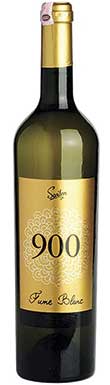

One of Turkey’s largest producers, established in 1942 and still family-run today. Subtle oak and crisp acidity, flavours of grapefruit, lemon zest and green apple. Has the potential to age further.
2016
Sevilen

Suvla, Kınalı Yapıncak, Thrace-Marmara, Turkey, 2016
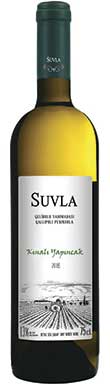
Kınalı Yapıncak is a rare white variety grown around Mürefte and Sarköy. This example is ripe, intense and structured with notes of pear and orange blossom. Lovely rich and soft mouthfeel.
2016
Suvla
Doluca, Tugra Oküzgözü, Denizli Guney, Aegean Coast Region, Turkey, 2013
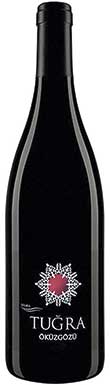
Doluca was established in 1926, but the Tug ̆ra series of wines was only introduced in 2011. Subtle aromas but excellent savoury, smoky fruit and a good level of acidity and tannins. Great food wine.
2013
Doluca
Selendi, Cabernet Sauvignon-Merlot-Shiraz-Cabernet Franc, Aegean Coast Region, Turkey, 2015
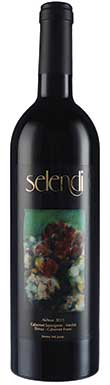
Organically farmed vineyards mostly at 850m. Dark, ripe berry fruits, Mediterranean herbs, soft tannins and integrated oak. Dry finish with good length.
2015
Selendi
Kavaklidere, Pendore Syrah, Aegean Coast Region, Turkey, 2012
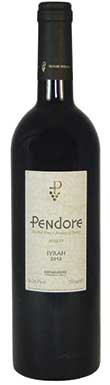
Pendore is Kavaklidere’s Aegean outpost: the winery is modern and vineyards meticulously cared for. Rich, full-bodied and slightly rustic, showing dried figs and earthy flavours. Good potential to age.
2012
Kavaklidere
Vinkara, Kalecik Karası, Central Anatolia, Turkey, 2014
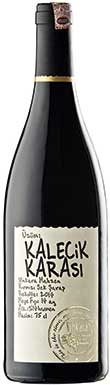
Vinkara was founded in 2003 but the owners had grown vines here since the 1960s. The wines are distinctively Old World in style: here, dried fruits with rustic notes, balsamic notes and dried spices.
2014
Vinkara
Kastro Tirelli, Merlot-Petit Verdot-Cabernet Franc-Cabernet Sauvignon, Aegean Coast Region, Turkey, 2013
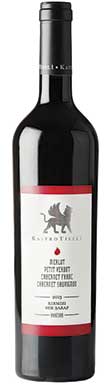
A young organically minded winery that began planting in 2004. Rich, full-bodied and fresh with good balance.
2013
Kastro Tirelli
Vinkara, Winehouse Oküzgözü, Central Anatolia, Turkey, 2014
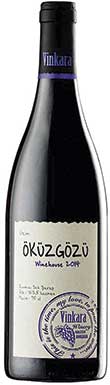
An Oküzgözü that is softer and more polished than those from eastern Turkey. Ripe fruit, gentle oak, moderate tannins and a long finish. A lovely food wine.
2014
Vinkara
Büyülübag, Cabernet Sauvignon, Thrace-Marmara, Turkey, 2014
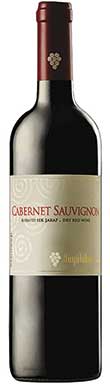
A young winery, founded in 2003 on the island of Avsa. This is powerful with dried black fruits and earthy notes lifted by refreshing acidity and a tannic grip.
2014
Büyülübag
Kayra, Vintage Bogazkere, Mid-Eastern Anatolia, Turkey, 2010
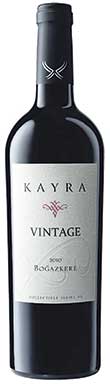
Napa’s Daniel O’Donnell is the consultant here. Bog ̆azkere is a structured variety with high tannins and acidity. Here, rich notes of leather, meat, tar and smoke.
2010
Kayra
Pamukkale, Nodus Shiraz, Denizli Guney, Aegean Coast Region, Turkey, 2014
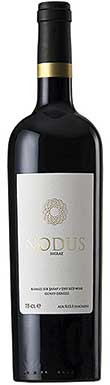
Pamukkale was established in 1962, and Shiraz is the international variety that gives the best results here. This has a polished blackberry fruit profile rather than the Rhône’s savoury black pepper.
2014
Pamukkale
Sevilen, Centum Syrah, Denizli Guney, Aegean Coast Region, Turkey, 2014
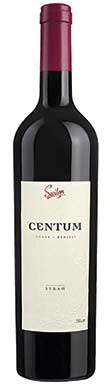
Sevilen’s Centum line was first made in 2005 and since then the wines have proven very successful. This Syrah is full-bodied, boasting molasses, tobacco and sweet spices. Powerful and well made.
2014
Sevilen
Suvla, Karasakız, Thrace-Marmara, Turkey, 2016
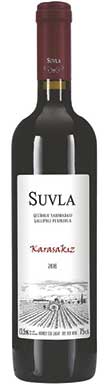
The Karasakız grape is mainly grown on Bozcaada island as well as around Canakkale. Just 45ha are planted. This light, unoaked red is a bit shy now, but should open to pretty cherry-berry fruit.
2016
Suvla
Kavaklidere, Prestige Bogazkere, South-East Anatolia, Turkey, 2013
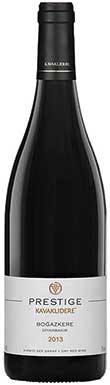
Kavaklidere specialises in Bog ̆azkere and its older vintages would satisfy Nebbiolo lovers. The tannins need time but the soft black fruits are lovely now.
2013
Kavaklidere
Pasaeli, 6N Karasakız-Merlot, Aegean Coast Region, Turkey, 2015
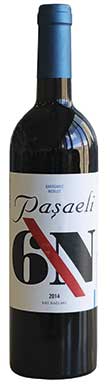
The 83% Karasakız, 17% Merlot blend gives a light red with fresh acidity, soft tannins, and flavours of carob, nutmeg, dried fruits and flowers.
2015
Pasaeli
Arcadia, 333 Late Harvest Botrytis, Thrace-Marmara, Turkey, 2013
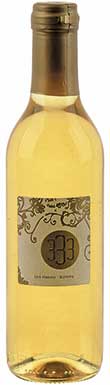
Founded in 2002 and known for its Cabernet Franc and Sauvignon Gris, as well as this sweet treat: a perfect balance of ripe pear and apricot with fresh acidity.
2013
Arcadia
Selendi, Sarnıc Merlot, Aegean Coast Region, Turkey, 2014
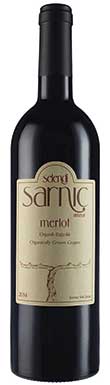
Intense, ripe blackberry and fig aromas plus wild honey and smoke. The fruit on the palate is less obvious than the nose and the alcohol shows on the finish, but still well made and structured.
2014
Selendi
