An introduction to Indian wine
Despite its relative youth and a tricky and varied growing environment, recent years have seen Indian wine come on in leaps and bounds.


The steady increase in the quality of Indian wines in the last 10 to 15 years, combined with experimentation in both the vineyards and cellars of India, has positioned the country to offer an enticing and great value selection of wines.
Literary records date the history of winemaking in India back to the 13th century BCE, but today’s burgeoning wine industry owes its heritage to Indian entrepreneurs in the late 20th century.
Scroll down to see tasting notes and scores for 12 Indian wines
Entrepreneur-driven industry
Literary records date the history of winemaking in India back to the 13th century BCE, but today’s burgeoning wine industry owes its heritage to Indian entrepreneurs in the late 20th century.
The pioneering Chateau Indage was founded in 1986 by the late Shamrao Chougule in Narayangaon – half-way between Nashik and Pune in the state of Maharashtra.
‘Omar Khayyam’, its bottle-fermented sparkling wine, astounded journalists by bagging medals in wine competitions in the UK in the late 1980s.
Kanwal Grover was another pioneering industrialist who developed a passion for wine during his business trips to France in the 1980s, so he set up Grover Vineyards in the Nandi Hills outside Bangalore and launched its first wines in 1996.
French expertise played a key role in getting Indian wines off the ground: Piper-Heidsieck advised Chateau Indage, and Champagne Mumm consulted for Grover.
In 1997, Sula Vineyards was established by Rajeev Samant when he returned to his native Nashik from Silicon Valley.
Boom and bust
The Maharashtra state government’s wine policy and subsidies encouraged the establishment of numerous other wineries in the early 2000s.
However, the lack of expertise in growing wine grapes, and producing or selling wines left many of these new businesses struggling.
The global financial crisis of 2007 and the Mumbai terrorist attacks in 2008 were the final nails in the coffin for many.
For example, the astronomic rise of Indage, listed on the Bombay Stock Exchange at one point, was followed by a sudden fall and the eventual collapse of the group in the early 2010s.
Unsurprisingly, a wave of consolidation started: distressed producers were acquired, or their facilities leased; and contract-farming arrangements re-shaped grape supply too.
Investment funds entered the wine industry, most notably Visvires Capital amalgamated Grover Zampa – the second largest producer today – from Grover Vineyards in Karnataka and Vallée de Vin in Nashik.
Visvires has also purchased Charosa Vineyards in Nashik and Four Seasons Vineyards in Pune, creating the first multi-faceted wine group in India.
The latter, formerly owned by Vijay Mallya’s UB Group, boasts a French-styled chateau as its winemaking facility.
New winery trends
But others have thrived. Sula, with annual production over 10 million litres, is now the largest winery in the country.
Furthermore, post-Covid a number of small garage wineries, such as the 500-bottle Plateaux Vintners, have been established.
This is run by former Sula chief-winemaker Ajoy Shaw and Nipha Winery, a truly artisanal outfit with winemaking literally in the shed and home-made pizza from their very own wood-fired oven.
There is also a growing market for fruit wines, made using local produce such as mango and the indigenous jamun, a rather tart-deep purple fruit.
Subtropical Diversity

It’s good to remember that the distance between Nashik in Maharashtra and the Nandi Hills in Karnataka is 1,000 kilometres, the same as the distance between the Rheingau in Germany and Tuscany in Italy.
This brings a substantial difference in climate conditions. The idea of uniform warmth and humidity in the Indian subcontinent is very far from the truth.
In addition to the vast expanse of the country, altitude matters a great deal in terms of temperatures.
During the period of the Raj, Bangalore used to be the summer retreat for the British in the south, as its cooler climate provided welcome relief from the heat.
This is why the old Kanwal Grover chose the Nandi Hills (920 metres above sea level) outside Bangalore as its base.
Similarly, Nashik, at an altitude of 670m, offers significantly cooler temperatures during the growing season which helps the retention of acidity.
Grapes harvested from lower-altitudes meanwhile – e.g. Solapur and Sangli in the south of Maharashtra, or inland vineyards such as Bijapur in northern Karnataka – show better ripeness, adding a plusher quality to the wine.
Monsoon influence
The location of vine-growing regions also means different patterns in the monsoon: the direction it arrives from, how long it persists and the amount of rain it brings.
Considering that vines have no dormancy in the subtropical climate, the monsoon significantly influences work in the vineyard.
The pre-growing season pruning starts in late August, sometimes as late as early October, depending on the confidence of the grower that the monsoon has petered out and there will be no more rain.
The excess vegetative growth is cut back, so any rain in the ensuing days poses less of a risk of fungal infection.
The timing of this pruning determines the timing of the harvest: the later in the autumn the pruning, the later in the new year the harvest is.
Why this matters is because the temperature curve in this climatic zone is diametrically opposite to both the northern and southern hemispheres.
The temperature is high at the beginning of the growing season and subsides as the fruit sets after flowering. It reaches its lowest in late December and early January after which the mercury starts to rise rapidly as the start of the new monsoon season approaches.
Growers are keen to pick once grapes are ripe enough, both for sugar and tannins; but not overripe which can easily happen with quickly escalating temperatures between late February and early April.
Consequently, grapes destined to be the base wine for sparkling wines are often harvested from mid- or late December onwards; followed by whites in January and then the reds.

Drinking Compass: Regions, producers, varieties & styles
Invariably, most Indian wineries are in or around Nashik, which is located 180km northeast of Mumbai, the commercial capital of India.
Just off the Mumbai–Nashik highway, the meandering road – at times still nearly a dirt track – takes the traveller to two wineries: Grover Zampa and Vallonné Vineyards.
Grover Zampa’s plush Cabernet-Shiraz blend La Réserve was charming punters at Gordon’s Wine Bar in London’s Embankment nearly 20 years ago and continues to provide great value for money.
It’s worth noting that Cabernet-Shiraz is the ‘classic’ Indian blend, probably because these are the two red varieties produced in the largest quantity in the country.
Grover Zampa offers a full portfolio: bottle-fermented sparkling (Soirée), fruit-driven still wines (Art Collection), to seriously full-bodied reds (Vijay Amritraj or Chêne) as well as special series reds differentiated by the type of vessel – foudre, egg, barrique – used for fermentation (Signet).
On the other hand, family-owned Vallonné’s wines are made in small quantities and its zesty Sauvignon Blanc, peppery Cabernet Sauvignon rosé or special edition Anokhee Cabernet and Syrah are the ones to look out for either at the winery itself or in Mumbai’s trendy restaurants.
Tourist attraction
Sula Vineyards is among the most visited wineries in the world with 360,000 tourists arriving every year.
Sula offers everything from entry-level, fruit-forward wines up to barrel-aged premium labels. The Chenin Blancs, which come in both an off-dry, fresh and zesty style as well as in an oak-fermented dry edition, are particular favourites.
Meanwhile, the Dindori range, named after a sub-region of Nashik, never fails to impress with its more serious take varieties such as Viognier and Shiraz.
Recent additions include a Provençal style Grenache rosé and the re-invented Tropicale Brut, which now comes as a tank-fermented sparkling wine.
Talking of sparkling wines, Chandon India produces a supremely fresh and elegant brut from Chenin Blanc, the white grape of choice for most sparkling wines in India as Chardonnay and Pinot Noir have been to difficult to grow.
Home far from home

Fratelli Wines, located three hours’ drive from Pune, was set up by three pairs of brothers, one pair from Tuscany, hence the Italian name.
Sangiovese has found a second home for itself in the rolling hills of Akluj, thanks to the Secci brothers and the late Piero Masi who was the first master winemaker at Fratelli.
Sette is a full-bodied blend of Sangiovese and Cabernet, aged in oak barrels and with a good potential for further cellaring.
Near the World Heritage site of Hampi, there is Krsma Estates. It is nestled in a breathtakingly beautiful landscape in remote, mid-state Karnataka.
The proprietors run a multi-billion-pound global pharma business and spare no expense to craft seriously good wines.
It was one of two producers that convinced me that India can make premium Cabernet Sauvignon with great ageing potential.
Currently, the wines are available in the Hyderabad and Bangalore markets only and when quantities allow, New York City wine merchants get allocations.
Bangalore is home to Grover Zampa where visitors can try wines with the Nandi Hills as their backdrop and Sula’s twin business Domaine Sula – created because the fragmented domestic alcohol market of India makes wines imported from another state prohibitively expensive.
Big Banyan Wines offers a perfect wine destination just outside Bangalore too, with a lush tropical garden, an excellent outdoors restaurant as well as a tasting room and bottle shop.
Big Banyan offers mid-range, fruit-forward varietal wines from the most widely produced varieties in India: Chenin Blanc, Sauvignon Blanc, Shiraz and Cabernet Sauvignon, as well as Riesling, Chardonnay, Viognier, Zinfandel, Merlot and Grenache as well.
Five producers to know:
1. Sula Vineyards: India’s largest wine producer, located in Nashik, which is quickly becoming India’s ‘wine country’. Fruit-forward wines that are especially good with spicy food.
2. Grover Zampa: with its roots in the Nandi Hills outside Bangalore, the winery has a base in Nashik too. European-styled wines with a distinct Indian charm.
3. Fratelli Wines: a blend of Italian and Indian cultures, notable for being the sole producer of Sangiovese in India. Also producers fine wines from Akluj.
4. Krsma Estates: close to World Heritage Hampi, fine and age-worthy wines.
5. Vallonné Vineyards: picture-perfect location just outside Nashik, gastronomic wines from a charming small producer and open to tourists.
Indian wines to try:
Related articles
- Making wine in India – not for the faint-hearted
- Moët-Hennessy announces sparkling wine project in India
- India wins its first DWWA trophy
Chandon India, Brut Classic NV, Nashik, Maharashtra, India
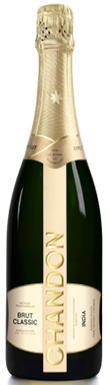

Deep lemon in colour, a highly intense nose of brioche, ripe apples, pears and linseed. On the palate it displays a charming savoury character with turnip, revealing the longer ageing of the base wine. Complex and elegant, carrying fine and creamy mousse. The base wine is predominantly from the 2018 vintage. Disgorged in 2022 with a total acidity of 8.95 g/l. A perfect aperitif on its own but also pairs well with salads, white meats and spicy Indian street food; it also works with dessert or cheese.
Chandon IndiaNashik

Sula Vineyards, The Source Reserve, Nashik, Maharashtra, India, 2023
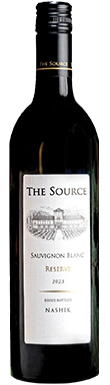
Battonage gives it a pleasing creamy note and texture alongside, pronounced flavours of citrus, tropical guava and pear. Nice ripeness, good acidity and length. Made entirely from estate vineyards the Sauvignon Blanc Reserve is 100% barrel fermented and aged in oak (20% new).
2023
Sula VineyardsNashik
Fratelli Wines, Master Selection, Akluj, Maharashtra, India, 2023
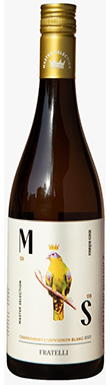
The final blend before bottling was a bit subdued on the nose. Dry on the palate with lovely freshness and a playful texture, dominated by rich minerality and packed with lime and a bit of gooseberry. Well-concentrated, perfect with salads, cream soups, pasta dishes, paneer with non-tomato gravy as well as fish, such as salmon, sea bass or even a good fish cake.
2023
Fratelli WinesAkluj
Big Banyan, Sauvignon Blanc, Bangalore, Karnataka, India, 2023
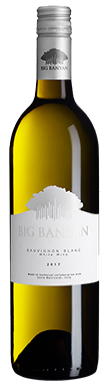
Pale lemon in colour, fairly intense and ripe with some asparagus notes, but overall, it leans towards the riper side of the spectrum, showcasing pineapple and zesty citrus fruit. Modest concentration, yet it charms with its lovely lightness. Not overly complicated but thoroughly enjoyable, when I tasted it just before bottling. Elegant and fruit-forward, finishing with some white pepper tones. This is a wine to be enjoyed by the glass or with lighter dishes, such as seafood and salads. It will also pair well with spicy dishes.
2023
Big BanyanBangalore
Vallonné Vineyards, Riesling, Nashik, Maharashtra, India, 2023
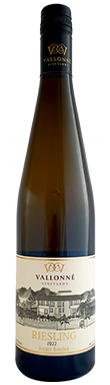
Pale lemon in colour, with moderate intensity of ripe pineapple, lime, guava, and a zesty touch on the nose. Very refreshing and dry on the palate, though technically it’s not fully dry, featuring good concentration and finish. Made from a newly planted vineyard owned by the estate, which benefits from ample ventilation and breezes. The acids have been slightly adjusted during fermentation (adding 1.5 g/l). Enjoy it with seafood, spicy dishes, or lighter desserts. Alternatively, simply sip it in the garden or on the beach. Only 2,400 bottles were produced.
2023
Vallonné VineyardsNashik
Grover Zampa, Signet Amphora, Nandi Hills, Karnataka, India, 2019
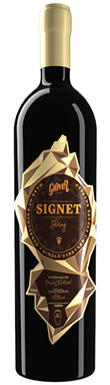
An unfiltered wine, yet nicely clear with a deep crimson colour. Highly intense nose with a meaty, inky touch, showcasing blueberry and cherry fruits, plus a hint of mint. Dry, bright, and fresh on the palate, very well-rounded with mid-grain and well-integrated tannins. Full-bodied and elegant, exhibiting great concentration on the fruit and a long finish. Fermented and aged in clay amphora for a year, then bottle-aged for another year before release. A desirable companion to dark meats, vegetarian dishes with rich gravy (not dairy-based), or strong blue cheese.
2019
Grover ZampaNandi Hills
Fratelli Wines, J'Noon, Akluj, Maharashtra, India, 2021
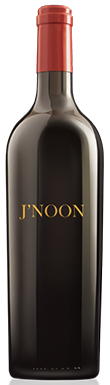
Junoon' means 'passion' in Urdu. This deep ruby wine with a thin garnet rim was created by the late Kapil Sekhri, founder of Fratelli, and Burgundian Jean-Charles Boisset. Highly intense nose with very ripe red and dark fruits: plum, cassis, cherry and raspberry. Spiced with cinnamon, forest floor and mushrooms. It’s dry with tightly packed tannins, yet a very bright underlying fruit. Big-bodied with good concentration and length. Enjoy it with grilled meats, Tandoori dishes and well-matured hard cheeses.
2021
Fratelli WinesAkluj
KRSMA Estates, Cabernet Sauvignon, Hampi Hills, Karnataka, India, 2019
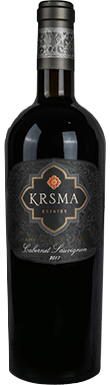
Pronounced ruby in colour, it has a fairly intense and ripe nose of raspberry, cherry and cassis. Bright and savoury on the palate with rich tones of forest floor, concentrated fruits and lots of capsicum. Dry and fresh, the fine tannins are rather tight and slightly gripping on the finish. The Cabernet Sauvignon fruits are estate-grown on iron-rich schist soil; fermented with a variety of yeasts and barrel-aged for 14 months in French oak. Enjoy it with red meats, grilled veg and meat or even the Tandoor. Alternatively, try it with mature cheeses, fresh forest fruits or 80-90% strong dark chocolate.
2019
KRSMA EstatesHampi Hills
Big Banyan, Limited Edition Shiraz, Bangalore, Karnataka, India, 2020
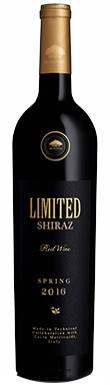
I tasted this wine just before bottling in the autumn of 2023. Deep purple, it boasts high intensity and richness on the nose: blueberry, violet, cocoa, peppery touch, and cedar. Dry with great freshness of dark fruits. The tannins are polished and finely grained, caressing its good concentration and finish. A truly full-bodied and generous Shiraz. Enjoy it with rare steaks, Tandoori lamb or mutton, seared tuna steak, rich gravy-soaked vegetarian curries (without cream), or hard, well-matured cheeses.
2020
Big BanyanBangalore
Grover Zampa, La Réserve, Nandi Hills, Karnataka, India, 2022
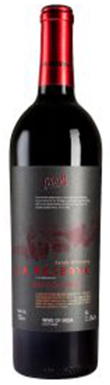
Black core with purple rim. Medium intensity on the nose, rich cassis with some green bell-pepper and blackberry. Dry, tightly packed mid-grain tannins. Fresh mouthfeel despite being full-bodied. Cedar and some smoky touch evidence the oak ageing. A classic label of Grover Zampa, originally produced in the Nandi Hills but now it has its Nashik twin too. Enjoy it with red meats, shashlik, tomato-based Italian dishes, a good curry or even just by itself.
2022
Grover ZampaNandi Hills
Sula Vineyards, Dindori Reserve, Nashik, Maharashtra, India, 2022
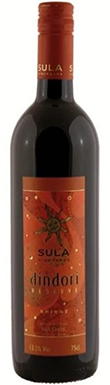
Deep, inky purple, with a restrained nose. Dry, marked alcohol on the attack, savoury and juicy on the mid-palate, the rich dark fruits lead to a fairly firm finish. This wine is made with 89% Syrah from the Dindori sub-region of Nashik, 8% Cabernet Sauvignon from Solapur in Southern Maharashtra and 3% Viognier added via co-fermentation. Partially oak aged (12% new American oak) for 12 months. It calls for hearty dishes and strong blue or hard cheeses. Equally enjoyable on its own.
2022
Sula VineyardsNashik
Vallonné Vineyards, Reserve Cabernet Sauvignon, Nashik, Maharashtra, India, 2020
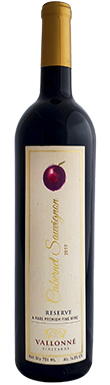
Deep purple in colour, it boasts a highly intense, spiced nose seasoned with cedar and vanilla. Lots of juicy cassis and ripe dark cherries on a dry, nicely fresh palate with some peppery tones. A generous but well-integrated layer of tannins wraps around it. Lovely balance, great concentration and a good finish. A serious, French oak-aged Cabernet Sauvignon – 18 months in the barrel, followed by 12 months of bottle ageing. Enjoy it with grilled or Tandoori meats, a tuna steak, or opt for richly spiced but not overly hot vegetable dishes from Europe, India, Indonesia, or Thailand.
2020
Vallonné VineyardsNashik
