Anything but oak: Is Italy’s love affair with ‘barriques’ turning sour?


Simon Woolf investigates reports of a counter-revolution in Italian wine cellars...
There’s a brief but dramatic moment in Paolo Casalis’ 2014 film Barolo Boys: The Story of a Revolution when winemaker Elio Altare takes a chainsaw to an imposing line of botti (traditional large oak casks) standing in his family’s cellar.
His ritual destruction of these venerable vessels, enacted in 1983, had a practical purpose – to make space for newly purchased, smaller French oak barriques. But the potent symbolism was clear – the supposedly fetid, decaying botti represented the old order. Lines of perfect, newly coopered barriques sent out a clear message of modernity and style.
Scroll down to see Woolf’s selection of Italian wines made without oak
What seemed cutting-edge in 1983 had become de rigueur for prestigious Italian wineries by the late 1990s. But more recently, the barrique’s decisive oaken caress has fallen out of favour, from Friuli in the northeast to Sicily in the south and all points between.
Italy’s winemakers are increasingly switching to alternative materials and vessels for fermentation and ageing, ranging from the arcane to outright outré.
Where barriques once stood, now might be amphorae, Georgian qvevris, concrete eggs or large acacia barrels. Is this merely the cyclical grind of fashion’s treadmill, or part of a more decisive movement towards greater authenticity and expression?
After a fashion
It’s worth taking a look at why and how barriques became so popular. Unquestionably a French phenomenon, the 225-litre barrique ‘Bordelais’, and its close cousin the 228-litre Burgundy ‘pièce’ have been well-established in their regions of origin for centuries – and their influence on the local wines has almost become part of the terroir itself. Italy in contrast has no such history of ageing or storing wine in small oak barrels.
The Italian tradition, dating back to the Roman era, is for botti: large oak vats of 1,000 litres or more, made most commonly of Slavonian oak. Slavonia, not to be confused with Slovenia, forms the inland easterly part of what is now Croatia.
The differences between barriques and botti are certainly not just aesthetic. Slavonian oak is dense-grained, low in tannins and aromas when compared to its French cousins. The smaller surface area to volume ratio of a large barrel, in combination with the type of oak, adds up to a very neutral vessel. Almost no flavour is imparted to the wine, which ages gracefully with a minute ingress of oxygen.
This slow, patience-requiring process was just one disadvantage in the eyes of modernist producers, who wanted their Barolos or SuperTuscan Cabernets to be broachable much earlier. Barriques not only speed up the process of micro-oxygenation, they also allow far more flexibility when it comes to logistics: single vineyard micro-cuvées are hardly possible if a 2,000- or 5,000-litre botti has to be filled to the top – as it must, to prevent oxidation.
The fashion for barriques coincided with the rise in the 1980s of US wine critics such as Robert Parker Jr and James Suckling, who appeared to favour super-concentrated wines made with lots of new oak. The movement was undoubtedly accelerated by a group of younger producers in Piedmont nicknamed the Barolo Boys (the chainsaw-wielding Altare, Chiara Boschis, Giorgio Rivetti and Roberto Voerzio), and specifically by their promoter-in-chief Marco de Grazia.
Tone it down
Not everyone saw eye-to-eye with the new trend for earlier-drinking, more hedonistic wines: the late and iconic Barolo producer Bartolo Mascarello famously released a handpainted ‘No Barrique, No Berlusconi’ label for his wines in 1999. Roberto Conterno (current proprietor at Giacomo Conterno) is another of the region’s traditionalists who was never tempted to switch: ‘We don’t want to add wood tannins or wood aromas to our wines, but only elements that come from the grape and the vineyard,’ he remarks emphatically about his choice to stick with botti.
De Grazia cautions that maybe the barrique was unfairly singled out from other vineyard and winery innovations (green harvesting, hygiene) made by the Barolo Boys: ‘People need an easy scapegoat, something foreign that they can point their finger at,’ he explains. ‘The barrique became exactly that. Nobody had ever seen it or heard of it. It became the diabolical instrument par excellence.’
Still, by the late 1990s cynical observers might have noted that ambitious Italian wineries practically had a formula for their premium cuvées. It inevitably involved ageing for 24 months in as much new French oak as the estate could afford, microscopic yields, micro-oxygenation and a suitably heavy bottle.
The focus in the past decade has increasingly moved towards authenticity, integrity and sustainability – all concepts that propel producers towards ageing solutions that don’t leave such an obvious footprint on their wines, or on the planet. Although stainless steel tanks are still popular as a practical and hygienic solution, many producers believe that ageing in a more porous or breathable material is preferable.
Unlined cement or concrete has similar breathability to an oak vat, but doesn’t harbour bacteria as easily and is much easier to maintain. Cement tanks are usually treated with a tartaric acid wash for hygiene purposes. Epoxy lining is another option, but forsakes the aerobic advantages and results in a vessel with the same reductive qualities as stainless steel.
Walls of often brightly painted cement vats are still a common site in many historic cellars, and especially in the large cantine sociale (the cooperatives which used to dominate production in many Italian regions). Those producers who restrained themselves from impatiently ripping their tanks out have often benefited. As the tide of fashion turns from overt use of new oak to more subtle ageing methods, many have realised they are sitting on a real asset. Riccardo Baldi, the young winemaker at La Staffa in Marche, uses cement exclusively to age his wines, finding that the ageing process is much gentler than that of overly reductive stainless steel tanks.
In the south, Puglia’s Cupertinum (the cantine sociale of Copertino) produces one of the region’s most attractive expressions of Negroamaro, ageing it only in vast and historic cement vats, the largest of which are 900hl in size. The results show far greater varietal expression and elegance than many of the region’s clumsy, over-oaked efforts.
Revisiting tradition
A 900hl tank is hardly practical for most producers, and many newer wineries have no such antique treasures at their disposal. Concrete eggs, which can be seen hatching out in Italian wineries at astonishing speed, are proving to be a popular alternative. Originally designed by French manufacturer Marc Nomblot in collaboration with Michel Chapoutier, the futuristic-looking objects are designed to maximise contact with the lees. The ovoid shape also creates convection currents that gently and continually redistribute the contents, reducing the need for batonnage or racking.
The concrete egg clearly derived design inspiration from the shape of Roman-era amphorae, and if there’s one container that has become near-iconic for progressive 21st century winemakers, it is this sacred vessel. Amphorae have a very long history in Italy, and not only for wine: in Roman times they were popular for the storage of olive oil, too.
In Puglia, small glazed amphorae have been used to age wine for centuries. Vinicola Savese, in Manduria, still uses 220-litre capasoni to produce some of its top Primitivo, which displays an incredible lightness of touch compared to most oaked versions. Winemaker Massimiliano Pichierri is no fan of barriques or overt oak influence, preferring cement tanks and used barrels as well as the capasoni.
Tasting some of the estate’s completely unoaked Primitivo (the region’s signature variety), it’s clear that the grape variety can easily stand on its own two feet in terms of concentration and texture – it begs the question, why do crassly oaked or chipped versions still proliferate on the shelves?
Puglia’s amphora tradition is authentic to the region, and to Italy – but the current trend for using amphorae for fermentation owes more to Georgia, and to an innovator at the opposite end of Italy. Joško Gravner, the iconoclastic winemaker from Friuli Collio, became fascinated with Georgian winemaking culture in the 1990s. One of the first Italians to embrace oak barriques in the 1980s, Gravner later woefully regretted getting rid of the family’s botti: ‘My first mistake was not understanding enough about oak when I was buying barrels – so I bought barriques instead of botti. My second mistake was not admitting the first mistake!’ he contends.
For resolution, he looked to the world’s oldest wine culture, and the qvevri (a large Georgian terracotta vessel which is buried in the ground up to its neck), ordering a batch of 12 immediately after his first visit to the country in 2000. He now exclusively uses qvevris for fermentation and initial ageing, and has a total of 46 buried in his cellar.
Gravner’s pioneering work has been hugely influential, inspiring exponentially increasing numbers of winemakers to experiment with amphorae themselves.
Local source
Belgian Frank Cornelissen, working in Sicily’s Etna region, initially built his cellar around a cluster of Spanish tinajas (small 400- and 600-litre amphorae) in 2000. More recently, they have been abandoned in favour of fibreglass vats, which are easier to maintain to his exceptional hygiene standards. He has joked: ‘I’d use titanium if it was affordable.’ In nearby Vittoria, Giambattista ‘Titta’ Cilia, Giusto Occhipinti and Cirino Strano took a similar route at their now famous COS estate, replacing oak barriques with 440-litre tinajas.
Back in the northeast, high up in Trentino, Elisabetta Foradori followed suit in 2008 after Occhipinti introduced her to his tinaja-maker, while in Friuli-Venezia Giulia, Carso winemaker Paolo Vodopivec also experimented with Spanish amphorae in 2000, but as he explains: ‘I wasn’t happy with the results, so I threw away both the wine and the amphora!’
Following a trip to Georgia in 2004, Vodopivec purchased Georgian qvevri. His impressive cellar provides space for 24 qvevris and two semi-circular ranks of 3,000-litre botti. The wines coaxed from these womb-like surroundings are extraordinary not only for their elegance, but also for the lack of any perceptible influence from wood or clay.
In a clear sign that the amphora’s time has come, a slew of freshly incorporated businesses have sprung up offering modern amphora-like variants, often adorned with the metal traps and taps more normally seen on high-tech stainless steel tanks. Some, such as Sirio Anfore (based in Perugia), stick with the traditional terracotta, while others such as Drunk Turtle (in Tuscany) have adopted the amphora form but use alternative materials.
Drunk Turtle’s choice of cocciopesto (a traditional Roman mix of finely crushed brick, sand, cement binder and water) requires no firing, but is instead dried and hardened slowly in the sun. As chief engineer Nicola Sbrana explains: ‘This allows us to have a much thicker wall of 10cm [versus about 2cm in traditional amphorae], which makes it easier to manufacture larger sizes.’ Currently Drunk Turtle’s largest offering is an amphorae of 2,500 litres, and its expanding client list includes a string of big names such as Livio Felluga and Antinori.
Terracotta and cocciopesto are both locally available, sustainable materials – a clear benefit for winemakers who want to keep their carbon footprints low, and a key reason why many have moved away from imported American or French oak. But oak isn’t the only wood that can be used to cooper barrels. Historically, chestnut was often used as a cheaper, more plentiful alternative. Depending on the region, acacia, cherry and mulberry are also attracting increased interest as alternatives to Quercus petraea (sessile oak).
Dario Princic hoarded a pile of his own acacia and chestnut wood for years, before it occurred to him that the perfect usage would be making them into barrels. His vibrant, macerated white wines have strong and vital characters that don’t need any flavour assistance from barriques, but the gentle softening and integrating of tannins is important – a task which appears to be perfectly handled by the acacia barrels that are now used for his Ribolla Gialla.
Acacia – or rather the ‘false acacia’ type which grows in Europe (Robinia pseudoacacia, aka Black Locust) – is especially plentiful in northeast Italy and nearby Istria. It has a similar porosity to oak, but gives a gentler and less woody flavour profile. Cherry, by comparison, seems to cause swifter oxidative ageing and also accentuates the fruit character of the wine. Not everyone agrees about the positive qualities of these woods. De Grazia contends that: ‘Acacia is ever so mild with some asperities. For red wine I find it useless.’ He also notes: ‘Once you have tried oak, chestnut disappears. Oak is far less invasive and its tannins are far finer.’
Natural cycle
Notwithstanding these concerns, the holy grail is clearly a neutral, hygienic yet breathable vessel that allows the fruit to speak louder than the winemaker’s hand. Oak botti, cement tanks, concrete eggs and amphorae and their modern derivatives all answer this need to varying extents.
There is, though, a deeper imperative: if terroir is accepted as a concept, surely it can extend to all materials that come into contact with the wine? The use of locally available clay or wood adds an extra synergy and integrity to the cellar, linking it much more closely to the vineyards and the natural environment where the cycle begins and ends.
Woolf’s tasting notes and scores for a selection of Italian wines made without oak:
I Clivi, Brazan, Friuli Venezia Giulia, Italy, 2015
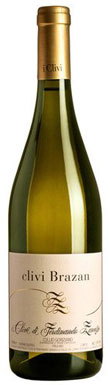

I Clivi’s two Friulano ‘crus’ are vinified and aged only in steel – the real magic happens with bottle age. Brazan is the more expressive now, with seductive jasmine flower and pear drop aromas leading into a tight, flinty palate with elegant, leesy texture.
2015
I Clivi

Dario Princic, Ribolla Gialla, Friuli Venezia Giulia, Italy, 2013
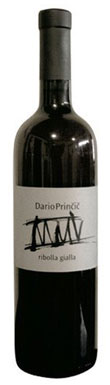
Prinčič now ages his spicy, honeyed Ribolla Gialla (made with 35 days of skin maceration) in acacia barrels made from his own forests. This is a big-hearted, full-bodied orange wine packed with herby underbrush and savoury notes, magically alive and refreshing.
2013
Dario Princic
Frank Cornelissen, Magma, Etna, Sicily, Italy, 2014
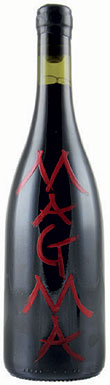
Thrilling, perfumed, concentrated red berry fruit with laser-like focus and purity. As expected for Nerello Mascalese, the structure is grippy and needs time to fully resolve. The finish has an attractive nutty, cherry-stone quality. Proof that fibreglass tanks can produce truly fine wine.
2014
Frank CornelissenEtna
COS, Pithos, Cerasuolo di Vittoria, Sicily, Italy, 2015
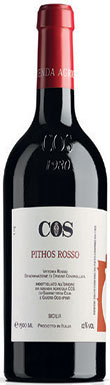
This blend of Nero d’Avola and Frappato dances across the palate with spiced cranberry and baked cherry, hay and tarragon and a burst of dried apricot. Made in 400-litre tinajas (Spanish amphorae), the purity and elegance are entrancing.
2015
COSCerasuolo di Vittoria
Eugenio Rosi, Poiema Marzemino, Trentino-Alto Adige, Italy, 2013
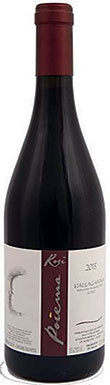
Marzemino can be fey and insubstantial, but Rosi adds a proportion of dried grapes and ages in cherry and chestnut barrels. The result is juicy, with velvety raspberry fruit, grip and depth.
2013
Eugenio Rosi
Podere della Bruciata, Ermete Rosso di Montepulciano, Brunello di Montalcino, Tuscany, Italy, 2015
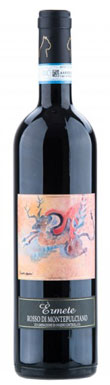
There’s 5% Petit Verdot in this dark, smoky, brooding red, made entirely in cement tanks. Typical Sangiovese aromas of cacao, blood orange and dried herbs lead on to a roasted fruit palate, but the finish is fresh and saline.
2015
Podere della BruciataBrunello di Montalcino
Cà Lojera, Riserva del Lupo, Lugana, Lombardy, Italy, 2014
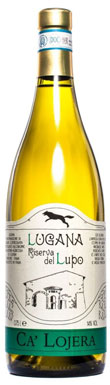
Made from late-harvested, partly botrytised grapes, Ca’ Lojera’s top Lugana undergoes slow fermentation and ageing in steel tanks only. Very rich, with ripe persimmon and bruised apple, a hint of tarragon and just enough acidity to balance it.
2014
Cà LojeraLugana
Calabretta, Cirò Rosso Classico, Cirò, Calabria, Italy, 2014
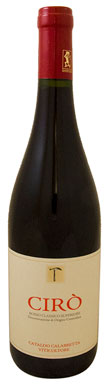
Gaglioppo’s tannic character needs careful taming, and Calabretta knows just how to do it. Aged in cement, it’s full of sour cherry and cranberry fruit, spicy tannins and spine-tingling acidity. Demands a fatty pork dish. Organic.
2014
CalabrettaCirò
Fattoria Lavacchio, Cedro, Chianti, Rufina, Tuscany, Italy, 2016
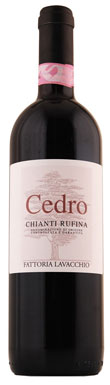
Aged in steel. Fresh red cherry and raspberry aromas, juicy on the palate with firm structure, real class and precision. Absolute perfection with a rich, meaty pasta dish – or a pizza. Organic.
2016
Fattoria LavacchioChianti
Vigneti Massa Derthona, Costa del Vento, Colli Tortonesi, Piedmont, Italy, 2010
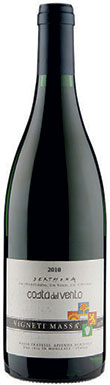
Aged in steel. Wines from the Timorasso grape have the distinction of ageing into a most Burgundian, complex entity with no need of wooden props. Walter Massa’s top single-vineyard bottling is now showing full maturity, with toasty baked fruits, minerals and incredible richness on the palate.
2010
Vigneti Massa DerthonaColli Tortonesi
Cantina Terlano, Pinot Bianco, Trentino-Alto Adige, Italy, 2016
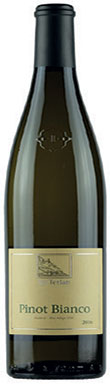
Aged in steel. Terlan’s humble Pinot Bianco, aged on its lees for five to seven months, is the co-op’s favourite for very long ageing – the winery has stocks going back to 1955. Loaded with white blossom aromas, white peach and tropical fruits, opulent but wonderfully mineral and fresh on the finish.
2016
Cantina Terlano
La Staffa, Rincrocca, Verdicchio dei Castelli di Jesi, Le Marche, Italy, 2015
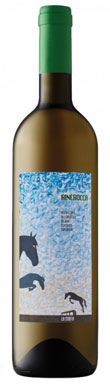
Riccardo Baldi’s single-vineyard Verdicchio is still tight and youthful, but with airing its saffron and green plum scents open up, revealing generous fruit, texture and a very fine finish. Made from biodynamic and old vines. Fermented and aged on the lees in cement tanks.
2015
La StaffaVerdicchio dei Castelli di Jesi
Vodopivec, Vitovska Amphora, Friuli Venezia Giulia, Italy, 2012
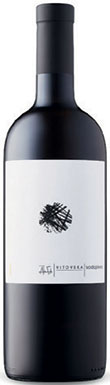
Vitovska achieves extraordinary elegance in Paolo Vodopivec’s hands – here left on its skins in qvevri for six months, it has emerged with beautiful aromas of jasmine, baked plum and thyme. The tannins are as fine as in a Chambolle-Musigny.
2012
Vodopivec
Gravner, Ribolla, Friuli Venezia Giulia, Italy, 2008
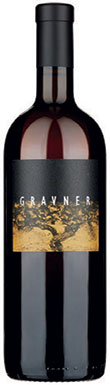
Fermented and aged for six months in Georgian qvevri. Gravner’s iconic Ribolla is savoury and earthy in this warm year, with spice and candiedpeel leading to a honeyed yet bonedry finish. Texturally exciting, with precision, grip and complexity.
2008
Gravner
GD Vajra, Nebbiolo, Langhe, Piedmont, Italy, 2016
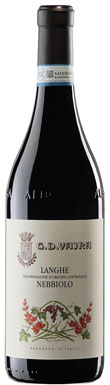
Vajra’s wines are lively and friendly, with just the right amount of ripe fruit and violet aromas held in check by a refined structure. Long and appealingly silky. This producer offers unbelievably good value and quality.
2016
GD VajraLanghe
