
Ningxia wines: What’s on the horizon?
From Ningxia geology to the new regional brand 'Ningxia Hong', here's the latest report on China's up-and-coming fine wine region in the wild northwest.


When we arrived at Copower Jade winery, first stop of our Ningxia visit, we were only in time to see local farmers picking the last batch of Petit Mangseng for their late-harvest sweet wine. Most vines, in early November, are already buried under the yellow earth. They will hibernate until the next spring.
Helan mountain stood quietly afar wearing a snowy cap, overlooking the Loess Plateau under the sandstorm-stained winter sky – exactly as I remembered it two years ago. But everything else is changing fast in this up-and-coming fine wine region in China…
Read Jane Anson’s report from 2017: Chinese Pioneers
Ningxia geology: Things you may not know
The wine planting area occupies the north tip of the Ningxia Autonomous Region, northwest China. Most of its vineyards are found in a narrow strip of land stretching 150km north to south. Viticulture became possible thanks to the Helan Mountain range to the west that provides shelter, and the Yellow River to the east, which serves as a water source. The region is generally steeper, more mountainous on the north and flatter on the south. Alluvial sand and gravel (rock) occupy the lands closer to the mountain, and clay on the plain.

Ningxia has a reputation for its plentiful sunshine – over 3100 hours of sunshine and over 200 frost-free days per year, according to statistics from the Ningxia wine bureau – or the ‘Administrative Committee of the Grape Industry Zone of Helan Mountain East Foothills’.
The climate is extremely continental – short and hot summers are moderated by high altitude (with some vineyards sit 1200m above sea level) and cool nights, which help to slow down the ripening process and retain acidity. Winter in Ningxia is long and harsh, producers need to bury their vines early November then dig them out in March next year, adding extra costs to the production.
‘Vine burying takes up to 30% of our annual costs in vineyard management,’ said Zhang Jing of Helan Qingxue vineyard. It takes 150 people to do 35 hectares in 1.5 weeks, we were told.
Ningxia is arid, with only 200mm annual rainfall. Irrigation via the Yellow River is a must; though the advanced Israeli drip irrigation systems installed in those shiny new estates are the most talked about, flood irrigation is also common here.
There is however a limit to how much water the region can take from China’s ‘Mother River’, as provinces downstream also rely on its supply, said Chinese wine authority Professor Li Demei.
In order to reduce the expenses on water supply, many producers dig wells and build reservoirs. Also in order to fulfil environmental protection requirements from the central government, there is an increasing number of producers, including Chateau Miqin, Helan Qingxue and Kanaan, investing into wastewater treatment and recycling facilities, according to Ningxia wine bureau.

Like the driest regions in Australia and Argentina, the soil in Ningxia is low in organic matter but high in pH and salinity, said Professor Li, pointing at the white salt crusts visible on the bare, loess-covered vineyards.
It’s worth noting that Ningxia is not entirely free from fungal diseases, as most rainfall come late summer. The deeply inland region is also feeling the influence of global climate change, said Professor Li; its average annual temperature has already raised by more than one degree from 1988 to 2017, while annual rainfall is also rising in the last decade.
From north to south, there are now six defined subregions; Shizuishan, Helan, Yinchuan, Yongning, Qingtongxia and Hongsipu. You can find some of the best-known boutique producers such as Silver Heights, Helan Qingxue and Kannan in Yinchuan subregion, which sits closest to the regional capital. Some of the big international players such as Domaine Chandon (LVMH), Helan Mountain (Pernod Ricard) are in Yongning, south of Yinchuan subregion.
Interestingly, regions at higher altitude and more northernly location don’t necessarily enjoy cooler temperature, said the renowned consultant who has multiple projects across the region. As the height of Helan Mountain decreases towards south, chilling westerly wind from the Gobi Desert is allowed in, hitting the more southernly subregions and bringing down the temperature.
However, Professor Li was quick to add that vineyard and cellar management, rather than regionality and terroir, is more important in shaping the style of Ningxia wines.
Wine tourism
Latest figures from the local wine body shows that by the end of 2016, the region has 40,000 ha of vineyards and 86 completed wine estates, producing 120 million bottles of wine each year, creating 120,000 jobs.
Part of those jobs are devoted in tourism, as the wine region currently receives over 400,000 visitors each year, according to the local wine body.
One hour’s drive away from the Yinchuan city centre, Zhihui Yuanshi winery received 150,000 visitors last year, according to the owner Yuan Yuan.
Some of them are merchants, but nearly 60% are tourists from Yinchuan, who arrive via buses at this picturesque winery for tours and tastings, said chief winemaker Yang Weiming. These visitors may not know much about wine, but they do know wine has now become a specialty of Ningxia – or the ‘oasis of the Gobi Desert’.
‘Tourist purchase accounts for 30% of our sales,’ said Yuan, whose winery currently produce 200,000 bottles per year. The most popular programme, she said, is a 30 CNY (3.3 GBP) per person tasting session of three fruit-driven wines, including a dry white, a dry red and a rosé.

In order to receive consistent flow of visitors, ‘your winery needs to have some unique features, and something the visitors can take part in, and stay for longer,’ said Yuan, ‘after the immersive experience, they are likely to make a purchase.’
She does have a rather special estate – as its name ‘Yuanshi (from the mountains)’ suggests, the entire estate was built on the ruins of a gravel mine and decorated with stones found locally. Besides its 133 ha vines, the winery includes a Tibetan palace-shaped chateau, an underground cellar, a restaurant, and a spacious, gracefully decorated tasting room.
In fact, having the capacity to receive tourists is one of the key criteria for Ningxia wineries to enter the five-tier classification system launched in 2013. Zhihui Yuanshi is one of the three ‘third growths’ in the 2017 edition of the classification. It is also a likely candidate to be upgraded to ‘second growths’ in the 2019 review.
Click here to view the full 2017 classification listing>>
Chateau Changyu Moser XV, backed by China’s oldest and biggest wine producing company Changyu, is another estate built with tourism in its mind.

With a total investment of 600m CNY (65m GBP), Chateau Changyu Moser XV opened to the public in 2013, one year earlier than Yuanshi. The estate’s central piece is a ‘Byzantine-style’ chateau (see above).
The chateau, which can be mistaken for one in Bordeaux, is also a popular movie set, we were told, and I do remember from two years ago seeing a hospital-like set and a couple of rusted cages on our way to the cellar.
‘We receive 50,000 – 80,000 visitors each year,’ said Fan Xi, chief engineer (winemaker) and deputy general manager of the estate, ‘70% of them are consumers who do not work in wine.’
Different from Yuanshi, visitors only purchase 1% of the estate’s astonishing 1500 tonnes of annual production, most of which is pumped into the Changyu group’s wide-spread distribution channels around China and abroad, said the winemaker.
Related article: Five things to know about China’s Chateau Changyu Moser XV
Each visitor, however, pays 80 CNY (8.7 GBP) per ticket for a tour in the massive built-in wine museum, where they get to see every element of winemaking, experience wine aromas, and learn about the century-long history of Changyu, which also coincides the winemaking heritage of China. They can even make their own labelled wines at an extra cost.
‘For us wine tours are more important for branding and nurturing potential customers; sales come second,’ said Fan. ‘At the end of the tour, we want our visitors to feel that they have gained some knowledge about wine.’
‘There’s a huge potential in education here,’ said British wine critic Robert Joseph, who is also at our press tour, ‘every year thousands of consumers are exposed to wine via these visits. It’s likely some of them will become regular wine drinkers in the future.’
Affordable Ningxia wines
Since Helan Qingxue Winery’s win of an International Trophy (equivalent to Best in Show) at Decanter World Wine Awards in 2011, Ningxia has been the leading Chinese region to win medals from Decanter Awards. From the 2019 awards, 60 Ningxia wines have won a Bronze Medal and above in Decanter World Wine Awards (DWWA) and 45 in Decanter Asia Wine Awards (DAWA).
View award winning Chinese wines on DecanterChina.com
But the fine wines from Ningxia are not easily affordable. The grand wine of Changyu Moser XV is sold at 1500 CNY (£165) per bottle at cellar door, Yuanshi Vineyard’s top cuvee ‘Soul of Mountain’ charges 980 CNY (£107) per bottle, while Helan Qingxue’s Jiabeilan Reserve is at 498 CNY (£54) mark.
The high prices are partially due to the labour-intensive production process (especially vine burying), but also derive from the need of branding, said the producers.
Though the most famous producers don’t worry much about sales, for a young wine region expanding in such nerve-racking speed, how to start selling wines in considerable and steady volume outside Ningxia has become a burning question, as several trade professionals disclosed unanimously during our trip.
Clearly, the Ningxia wine bureau is ready to step in; and the sheer scale of the region, they seem to believe, is the answer.
As the first step of the government-initiated sales drive, several producers were joint together under the umbrella of a new, regional brand – Helan Hong (贺兰红).

Hong means ‘red’ in Chinese, a colour culturally associated with grape wine in China, though its portfolio also includes white wines. Key variety used include Cabernet Sauvignon for red and Italian Riesling for white, and the grapes can be sourced from any of the six designated producers.
The brand was launched at Ningxia Autonomous Region’s 60-year anniversary in September 2018 – a clear endorsement in itself – with the ambition to create Ningxia’s own ‘super best seller’ with quality and volume, and most importantly, more affordable price.
On the official store of Ningxia wine region on JD.com, the entry level Helan Hong Cabernet Sauvignon is sold at 128 CNY (£14) per bottle, a price point deemed much more competitive facing the impact of imported wines in Mainland China.
‘The initial feedback from the market (of Helan Hong) has been positive,’ stated the wine bureau, adding that more ambitious projects are on the way. In September 2019, the government is investing 700 million CNY to build a ‘shared winery’ and have rounded up a total of 100,000mu (6667 ha) of vineyards, partially from existing wineries, dedicated to the production of Helan Hong.
Meanwhile, the region is now seriously seeking to expand overseas; in June 2019, 50,000 bottles of ‘Helan Hong’ arrived in Belgium via the X8011 Sino-Euro railway, with a further 250,000 bottles making their ways to Germany.
These wines carry labels tailor-made for the EU, with an initial retail price at 25 Euros per bottle. They are set to appear in major European supermarkets including Carrefour and ‘at least 30’ boutique restaurants, according to the regional body (nxputao.org.cn).
The new leads
Xige Estate, which opened to the public on 16th May 2019 as the 87th wine estate in Ningxia, is one of the six current designated producers of Helan Hong.
With a dazzling 400 million CNY investment, Xige – which literally means ‘dove from the west’ – completed the construction of its grandeur estate at the Pigeon Hill foothills in just two years (2015 to 2017).
The fortress-like estate covers 25000 square metres of land, containing some of the world’s most advanced winemaking equipment, with a capacity to make 10,000 tonnes of wine each year, said the chief winemaker Liao Zusong, as we stood on the viewing platform gazing down to the 2000 oak barrels under spotlights.

But Helan Hong is not what Xige is all about. ‘We decided to launch this project because we have considerable plantings of vines over 20 years old, which is very rare in Ningxia,’ said the owner Zhang Yanzhi. The Bordeaux-trained oenologist was referring to the 1000 hectares of vines over 22 years old, located in the Qingtongxia sub-region, south of Ningxia.
Very rare indeed – considering much of the Ningxia’s gigantic wine planting project started less than ten years ago. Zhang’s team, however, has the luxury of using these old vines to make the ‘Jade Dove Single Vineyard’ range. The Cabernet Gernischt (Carménère) 2017 was my highlight from the range; still carrying the variety’s tell-tale (and sometimes frowned-upon) green pepper notes, it was one of the most perfumed and ripest expressions of the variety that I have tasted.
But the most intriguing wines of the evening came at the end of the dinner, when the youngwinemaker sneaked a few journalists into his cellar. We tasted from the barrel the estate’s yet-to-be-released wines, including a Sauvignon Blanc, and a stunningly fresh and elegant Pinot Noir.
As we flew out from the oasis on the edge of Gobi Desert, I tried to type down my new discoveries from the trip since my last visit. Soon I realised that perhaps I need to come back sooner than another two years later.
Tasting what’s new in Ningxia
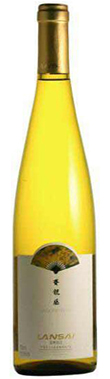
Lan Sai, Sai Long Teng, Helan Mountain East, Ningxia, China, 2016
88
<p>An intriguing oaked Chardonnay from Ningxia, with an annual production of only 2,000 to 3,000 bottles. The wine was partially fermented in stainless steel and the rest in oak barrels, which gave it a distinctive perfumed Osmanthus and honeyed vanilla nose. Cooked pear, grapefruit, and bitter apple peel flavours on the palate, the buttery texture is well balanced by fresh acidity.</p>
2016
Lan SaiHelan Mountain East
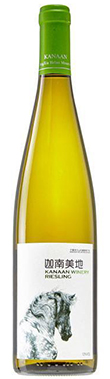
Kanaan Winery, Riesling, Helan Mountain East, Ningxia, China, 2018
89
The decision to plant Riesling in China’s extremely continental Ningxia region is one that came from passion, rather than research, of the owner Wang Fang, who studied and lived in Germany for years, and fell in love with the variety. In 2018 the winery harvested exceptionally healthy and ripe fruits, resulting in a Riesling that displays plenty of ripe pineapple, yellow apple, lime and hints of minerals on the nose. The acidity is fresh and zesty, with lime and green apple flavours. The warming alcohol (13.5%) is evidential to the plentiful sunshine of the arid inland region.
2018
Kanaan WineryHelan Mountain East
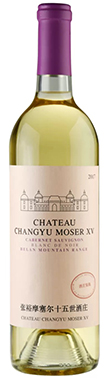
Chateau Changyu-Moser XV, Moser Legend Blanc de Noir Cabernet Sauvignon, Helan Mountain East, Ningxia, China, 2018
92
This topical Blanc de Noir Cabernet Sauvignon is an innovative creation of the Austrian winemaker Lenz Moser at his Ningxia project in collaboration with the Chinese wine giant Changyu. 2016 was its first vintage, made using saignee method as a by-product during the estate’s red wine production. The 2018 version is a rosé rather than a white due to more arid climate and smaller berries. It has white peach and ripe strawberries on the nose, with camomile and yellow fruit sweetness. The palate is ripe and round with citrus and stone fruit characters, refreshed by crunchy apple acidity. The 14% alcohol provides weight but is in harmony with the concentrated fruits. The producer currently makes 130,000 bottles of this wine each year.
2018
Chateau Changyu-Moser XVHelan Mountain East
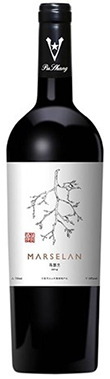
Domaine Pu Shang, Marselan, Helan Mountain East, Ningxia, China, 2017
89
<p>Chateau Pushang planted its Marselan vines since 2009, way before the variety gained popularity among Chinese producers as a potential future star in recent years. Aged in 30% new French and American oak barrels for 12 months, the Pushang Marselan is deep purple in colour, with sweet vanilla and ripe red berry fruits and layers of mint, dried leaf and preserve flowers. Inky and mineral, the aromatic violet and black berry fruits follow to the palate, supported by ripe and sleek tannins.</p>
2017
Domaine Pu ShangHelan Mountain East
Hejinzun Winery, Helanhong Cabernet Sauvignon, Helan Mountain East, Ningxia, China, 2016
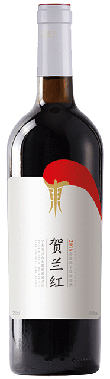
89
Hejinzun Winery is one of the six producers designated by the Ningxia wine bureau to make wines under the regional brand ‘Helan Hong’. A blend of 95% Cabernet Sauvignon and 5% Marselan, this wine has a creamy vanilla nose, plus cocoa powder, stewed fruits and cherry liqueur notes. Violet and ripe black berry flavours are spiced by cedar box from 12-month oak aging, supported by a decent tannin backbone.
2016
Hejinzun WineryHelan Mountain East
Chateau St Louis Ding, Farsight Late Harvest Cabernet Sauvignon, Helan Mountain East, Ningxia, China, 2014
89
<p>An organic ‘late harvest’ Cabernet Sauvignon which was not picked until 20 October 2014. The Cabernet vines used in this wine were planted in 1998, but it wasn't until 2007 when they made it for the first time. Only a small batch (600 to 900 bottles) of this wine is made in the best years. Aged in 100% new French oak for 14-18 months, it has an explosive black and red currant fruit nose, plus tobacco leaves, vanilla and a hint of blood. It has thick and concentrated dark fruits on the palate with grippy, tea-like tannins, followed by liquorice and sweet herbs on the finish.</p>
2014
Chateau St Louis DingHelan Mountain East
Helan Qingxue, Baby Feet Pinot Noir, Helan Mountain East, Ningxia, China, 2015
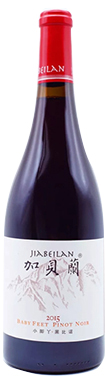
90
Using fruits from 17-year-old vines, Helan Qingxue only made 1,300 bottles of its 2015 ‘Baby Feet’ Pinot Noir. Aged in 20% new French oak for 14 months, it has a typical gamey nose plus layers of violet, preserved fruits and vegetal spices. Fresh and juicy on the palate, it has good concentration of sour cherry and plum fruits. The 13.5% alcohol gives a warming mouthfeel, followed by a savoury, salivating finish. Retail price in China is 598 CNY.
2015
Helan QingxueHelan Mountain East
Chateau Changyu-Moser XV, Helan Mountain East, Ningxia, China, 2016
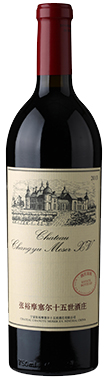
91
The 2016 vintage of Changyu Moser XV's grand vin was aged in 100% new French oak for 18 months, showing a complex nose of black cherry, prunes, vanilla, tobacco and cedar spices. Sweet and juicy, it has a good level of acid (5.0g/l) to balance the prune and ripe plum flavours. Pu Er tea, cigar box and sweet spices add an extra layer of complexity, followed by a warming prune liqueur finish. Robust tannins and a masculine body suggest ageing potential.
2016
Chateau Changyu-Moser XVHelan Mountain East
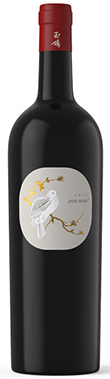
Xige Estate, Jade Dove Single Vineyard Cabernet Gernischt, Helan Mountain East, Ningxia, China, 2017
91
This is one of the more complex and ripe expressions of this variety, which sometimes tend to be rather green in Ningxia. Made using vines over 20 years old, this single-vineyard Cabernet Gernischt (DNA equivalent to Carménère) was aged in 100% new oak for 12 months. Perfumed and complex, it has a complex nose of tar, burnt sugar, green pepper and spices on top of blackcurrant and violet perfume. On the palate it displays ink, violet, and vanilla layers overlapping dark fruit flavours. It has a fine and soft mouthfeel with fully ripe tannins and elegant acidity. Sweet spices and liquorice flavours linger throughout a decent finish.
2017
Xige EstateHelan Mountain East
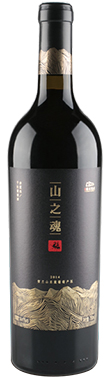
Chateau Yuanshi, Soul of Mountain Cabernet Sauvignon, Helan Mountain East, Ningxia, China, 2016
91
‘Soul of Mountain’ is the top wine of this producer. It is a more restrained and concentrated expression than the second label ‘Son of Mountain’, which has a small percentage of Merlot in the blend. To reduce the impact of oak flavours, the 2016 vintage is aged in new but lightly toasted oak barrels for 14 months. Black pepper and tobacco leaf notes are backed by smoked blackcurrant, coffee beans and minerals. Coffee bitterness and spiced liquorice notes provide elegance on top of the ripe, juicy black cherry and plum flavours. This is a structured and concentrated Cabernet with good level of acidity to refresh, elegant and long. Retail price in China is 980 CNY.
2016
Chateau YuanshiHelan Mountain East
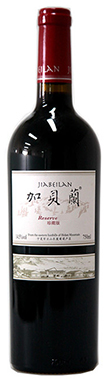
Helan Qingxue, Jiabeilan Reserve Cabernet Sauvignon, Helan Mountain East, Ningxia, China, 2011
93
The Jiabeilan Reserve is the producer’s flagship wine, showing consistent quality since the groundbreaking 2009 vintage. The 2011 vintage is a blend of 80% Cabernet Sauvignon, 15% Merlot and 5% Cabernet Gernischt (Carmenere). Game, dark cherries and smoke appear on the nose. It has been aged for 12 months in oak, and eight years down the line it is still showing great concentration on the palate, with refreshing acidity and plenty of black cherry fruits, decorated by restrained tobacco leaf and oak spices. The tannins are now supple and mellow, dusted with coffee and dark chocolate powder, which linger to the long finish. The older vintages of this wine are already very rare in the market but the 2015 vintage (which received a gold medal in the 2019 Decanter World Wine Awards) is currently available in the UK via importer Panda Fine Wine.
2011
Helan QingxueHelan Mountain East
