
Regional profile: Sulcis, Sardinia
In recent years, the producers of this island DOC have upended their focus on quantity to create wines that communicate an incredible sense of place. The unexpected star of this shift, explains Susan Hulme MW, is the sensitive and intense Carignano grape


Sardinia’s trendy calling card variety is currently Vermentino – its crunchy, vibrant wines with green-apple and lime flavours make it Italy’s answer to Sauvignon Blanc, and probably the best known and most popular Sardinian wine. But perhaps Sardinia’s best-kept vinous secret is Carignano, a characterful, distinctive, terroir-driven black variety that achieves its best expression on the sandy southwestern tip of this large Mediterranean island, in an area known as Sulcis.
It was probably the Phoenicians, founders of the ancient Sulci on the neighbouring island of Sant’Antioco, who first brought vines to Sardinia. Ampelographers believe that Carignano originated in Cariñena in Spain’s Aragón region, where it is also known as Mazuelo, or in Catalonia as Samsó. In France and the US, it becomes Carignan and Carignane. Nowadays, with more than 80,000ha, it is the 11th most cultivated variety in the world.
If yields are too high, Carignano tannins can be tough and chewy. In Sulcis, old vines ranging from 50-100 years old stand on their own ungrafted roots in sandy soils and are trained with the low-bush alberello method. So yields are very low, typically 1kg per vine, producing intense wines that are a perfect snapshot of the terroir. The dried-cherry, liquorice and sometimes Port-like notes reflect the heat and dryness of the climate, the wild-myrtle and thyme notes evoke the macchia mediterranea vegetation that surrounds the vineyards. The fine-textured tannins remind us of the fine sandy soils, and even the tang of the sea breeze is present on the savoury, salty finish of these wines.
Sulcis at a glance
Carignano del Sulcis DOC Established in June 1977. Includes the islands of Sant’Antioco and San Pietro
Area planted 314ha
Production 19,900hl
Grape yields Maximum 53.8hl/ha
Grapes for red wines 85% Carignano, 15% other black varieties; must be air-dried for passito
Minimum alcohol levels and ageing Rosato 11.5%; Novello 11.5%; Rosso 12%, 40 days in bottle; Riserva 12.5%, two years including six months in bottle; Superiore 13%, two years including six months in bottle; Passito 14%, six months including three months in bottle
Other native varieties White Vermentino, Nuragus, Nasco; Red Monica
Source: www.italianwinecentral.com, 2017
Quality shift
In Sardinia in the 1960s, as in many other regions, quantity was more important than quality. The key producers were the cooperatives, which fulfilled a necessary role in allowing grape growers to earn a living.
In the 1980s, the focus began to shift towards maximising quality. Cantina Santadi’s director Antonello Pilloni began working with the famous Antinori oenologist and 2011 Decanter Hall of Fame award recipient Giacomo Tachis, who created the iconic wines of Sassicaia, Tignanello and Solaia. Tachis’ studies in Bordeaux with Emile Peynaud gave him the skills to work on tannin refinement and quality. He also believed in producing wines with a strong local identity. From this point, the belief in Sardinian Carignano’s potential spread.
When I met Tachis in 1995 at his home outside Florence, he was still bursting with enthusiasm about Sardinian Carignano. In 2002, he went into partnership with Marchese Incisa della Rocchetta (of Sassicaia fame) and Cantina Santadi to create the Agricola Punica winery. Their philosophy, according to commercial manager Massimo Podda, was to make ‘Sardinian wines with an international breath’, predominantly from Carignano but including Cabernet Franc, Cabernet Sauvignon, Merlot or Syrah for broader appeal.
Around this time, many Sardinian grape-growers started to move away from simply selling their grapes to the co-ops, and began to bottle their own wine. Enrico Esu, whose family had for decades supplied grapes to other producers, is representative of the younger generation that has taken over family estates. Esu is committed to preserving the traditional approach towards growing old-vine Carignano. It is very much a hands-off approach: his vines are given no nutrients, they are unirrigated and are grown free of pesticides; his wine is made in 1,000-litre open tanks, then aged in stainless steel before being bottled unfiltered and unfined.
Recently in Sardinia, there has been a reduction in yields. At Agricola Punica in 2002, planting density climbed from 4,000 to 5,600 vines per hectare. This reduced the quantity of fruit per vine while keeping the overall yield the same, in order to get 1kg of grapes per vine. The winery also conducts green harvesting and picks by hand (which takes six times as long as machine picking) in order to increase quality. These techniques are typical of the fine-tuning and attention to detail in the vineyard that quality-minded producers are now focused upon. At Cantina Mesa, they spray vines with a type of clay that protects the grapes and leaves from sunburn and delays the increase in sugar levels. This gives a better balance between phenolic and physical ripening.
Change is not always easy though. Andrés Garcia Blas, winemaker at Cantina Giba, is a Spaniard who moved to Sardinia in 2010. He experienced some resistance to new ideas: ‘Making a selection of grapes during harvesting was difficult.’ Only by showing how his methods have resulted in better wines has he been able to convince others that better vineyard management and grape selection leads to higher quality. Cantina Giba has recently been awarded a coveted Gambero Rosso Tre Bicchieri award, so perhaps this will help him to garner support for his ideas.
Drinking the land
As a delightful counterpart to these voluptuous reds, there are some interesting native Sardinian white grape varieties aside from Vermentino. Nuragus, one of the oldest vines to be introduced to Sardinia (named after the Bronze Age Nuragic civilisation), has very delicate aromas of white flowers and citrus and can make delicious sparkling wine. The even more characterful Nasco, with its beautiful heady, musky perfume, reminiscent of Gewürztraminer or Moscato, can be sweet or off-dry, and is currently enjoying a revival. One of the best white wines I tasted on a trip to Sardinia in November 2019 was Iselis, a Nasco by Argiolas.
As wine consultant Luca d’Attoma says: ‘Sardinia is a world unto itself, and for this reason, it makes it even more fascinating.’ It has a wealth of distinctive native grape varieties, but Sulcis has that very special and rare thing: a very strong terroir relationship with Carignano. We talk so easily about terroir, but very rarely does it reveal itself so intensely. This is one of those magical combinations that is just meant to be – a love affair between grape variety and place that deserves to be more well known.
Drinking these wines is like breathing deeply and drinking in a little piece of wild Sulcis, as you imagine 100-year-old vines growing in low bushes, on their own rootstocks, their feet in the sand, their heads towards the sea, buffeted by the cool, moisture-laden Mistral. Drink these wines and dream of Sardinia’s picturesque southwestern coast with its turquoise waters, white sandy coves, wild-herb-scented scrubland and echoes of the Phoenician and Nuragic people who once lived there.
Sulcis, Sardinia: 10 names to know
Agricola Punica
Started as a collaboration between Giacomo Tachis, Cantina Santadi and Marchese Incisa della Rocchetta (of Sassicaia). It makes two excellent red wines and a white, which blend both Sardinian and French varieties. The talent, skill and flair of this famous partnership certainly brings out the exciting qualities of Carignano.
Argiolas
A famous name here, started in the early 1900s and now run by the third generation. Concerned with sustainability, it has also done a lot of research into isolating and protecting 11 native Sardinian varieties. It makes a delightful sparkling wine from Nuragus and an exciting white from Nasco.
Cantina di Calasetta
I was impressed by the quality of the wines from this Sant’Antioco co-op, established in 1932. It produces Carignano and small amounts of Vermentino di Sardinia and Moscato di Cagliari. Its young and dynamic winemaker Fabio Vitillo comes originally from Taurasi in Campania.
Cantina Giba
Based in the village of Giba, with 20ha of vines on their own rootstocks in sandy soils facing Porto Pino beach. Its top wine, Carignano del Sulcis Seimura, won a Tre Bicchieri in Gambero Rosso in 2019.
Cantina Mesa
Stylish and aromatically pure Carignano. Established by advertising executive Gavino Sanna,and now owned by the Santa Margherita Wine Group, it gets grapes from 78ha, of which it owns 66ha. It is situated in Sant’Anna Arresi, overlooking the promontory of Porto Pino.
Cantina Santadi
This cooperative has a strong relationship with its growers, some of whom grow ungrafted vines on sandy soils in vineyards more than 100 years old. Its flagship Carignano del Sulcis is Terre Brune, but it also makes the unoaked Rocca Rubia, as well as Latinia, a sweet white passito from the intriguing Nasco grape.
Cantine Sardus Pater
This cooperative was set up in the 1950s on the beautiful island of Sant’Antioco. There, its 200 members cultivate 300ha, most of which is old-vine Carignano. However, some of the land is dedicated to white varieties Vermentino, Moscato and Nasco, and some to native red varieties Monica, which produces light, fruity wines, and Cannonau, also known as Grenache or Garnacha.
Enrico Esu
Based in Carbonia, a former coal-mining area. His Carignano del Sulcis Seruci Miniera is named after the mine his father worked in, and is probably the most intensely characterful, terroir-driven Carignano I have tasted. A little less sophisticated than some perhaps, but a refreshing walk on the wild side.
Sella & Mosca
Based in Alghero in the north of the island, and well known for its high-quality Vermentino and Torbato. In 2016, the company was sold by Campari to the Terra Moretti group, which also owns wineries in Tuscany and Franciacorta. Its Carignano del Sulcis vineyards are planted on clay-based soils.
Tanca Gioia
On the island of San Pietro, where the soil is sandy and volcanic. Father and son came from careers in banking and engineering, and they planted their first vineyard in 2000. They own 8.5ha and produce 3,500 bottles. Wines are unoaked and aged in steel or glass.
A taste of Sardinia: Hulme’s Sulcis top 12
Agricola Punica, Samas, Isola dei Nuraghi, Sardinia, Italy, 2019
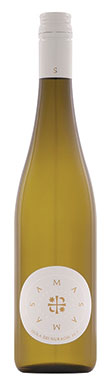

Wonderful wildflower bouquet with peachy and grapey notes. Vivacious, bright, tingling and full of flavour. Young and delicious, it dances on the palate. One of...
2019
Agricola PunicaIsola dei Nuraghi

Cantina Mesa, Buio Buio Riserva, Carignano del Sulcis, Sardinia, Italy, 2016
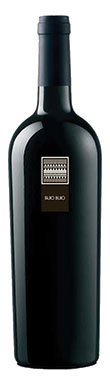
This is a wonderfully expressive, vibrant wine with notes of cream, cassis and sweet spice. Dark, intense flavours of very ripe blackberry with a rich,...
2016
Cantina MesaCarignano del Sulcis
Enrico Esu, SeRuci, Carignano del Sulcis, Sardinia, Italy, 2016
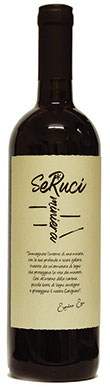
From 100-year-old vines grown on their own rootstocks. Smoky and Port-like, with macchia mediterranea, dried fruit and iron-mineral notes. Voluptuous velvet texture intercut with wild-herb...
2016
Enrico EsuCarignano del Sulcis
Cantina Giba, Seimura, Carignano del Sulcis, Sardinia, Italy, 2016
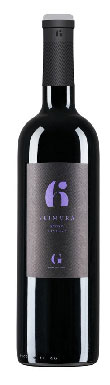
Winner of the Gambero Rosso Tre Bicchieri for the last two years. Beautiful, bright aromas of blackberry, citrus and cedar. Lovely texture and depth; round,...
2016
Cantina GibaCarignano del Sulcis
Enrico Esu, NeRo Miniera, Carignano del Sulcis, Sardinia, Italy, 2017
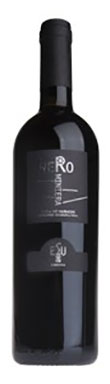
A wine dedicated to Enrico’s father. Bright, intense nose with damsons, blackcurrant, blackberry, crushed rose and violet. Velvety, yet lively and energetic. Light, fine, ripe...
2017
Enrico EsuCarignano del Sulcis
Agricola Punica, Barrua, Isola dei Nuraghi, Sardinia, Italy, 2016
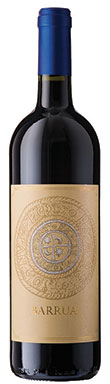
This stylish blend of Carignano and 15% Bordeaux varieties has blackcurrant, tomato leaf, sweet spice and cinnamon aromas and a silky texture. Concentrated without being...
2016
Agricola PunicaIsola dei Nuraghi
Argiolas, Cardanera, Carignano del Sulcis, Sardinia, Italy, 2018
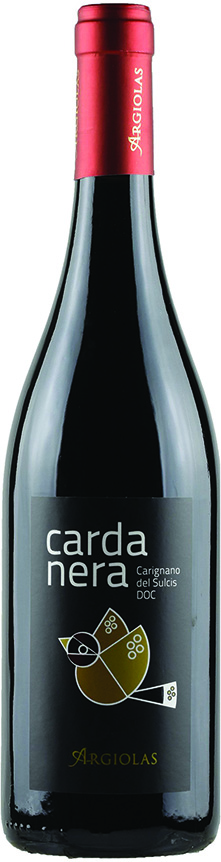
Creamy, with sweet spice, ripe black fruit and liquorice. Rich, with an initial impression of sweetness. Flavours of ripe strawberry, dried fruit and brown sugar...
2018
ArgiolasCarignano del Sulcis
Cantina di Calasetta, Aina Riserva, Carignano del Sulcis, Sardinia, Italy, 2016
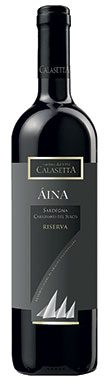
Aromatic, with soft red fruits, strawberry, spice, dried cherry and wild herbs. A palate of ripe fruit, nice acidity and freshness, plus fine-textured, silty tannins...
2016
Cantina di CalasettaCarignano del Sulcis
Cantina Santadi, Terre Brune, Carignano del Sulcis, Sardinia, Italy, 2015
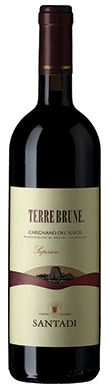
An ode to Sulcis’ ungrafted old Carignano vines. Scents of anis, bay leaf and dried broom reveal slowly, then crushed stone and concentrated black plum...
2015
Cantina SantadiCarignano del Sulcis
Cantine Sardus Pater, Arruga, Carignano del Sulcis, Sardinia, Italy, 2015
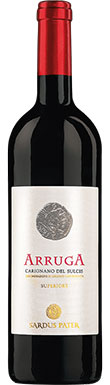
A good wine, though too much sweet spice covers the fruit. Voluptuous texture with refreshing acidity and tangy savouriness, a long finish and dark-liquorice flavours....
2015
Cantine Sardus PaterCarignano del Sulcis
Sella & Mosca, Terre Rare Riserva, Carignano del Sulcis, Sardinia, Italy, 2015
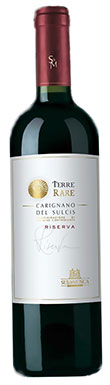
Aromas of sweet vanilla and cream, plus an earthy, sous-bois note. Round and creamy, with gamey, leathery flavours balanced by fresh acidity. Lacks precision, brightness...
2015
Sella & MoscaCarignano del Sulcis
Tanca Gioia, U Tabarka Roussou, Carignano del Sulcis, Sardinia, Italy, 2015
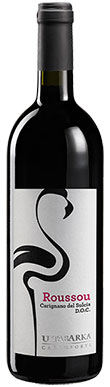
From a relatively new winery on San Pietro island, with vines grown on sandy, volcanic soil. Softly creamy style, full on the palate with round,...
2015
Tanca GioiaCarignano del Sulcis
