
Regional profile: Wairarapa
Burgundy lovers, take note: four decades in, the vineyard areas at the southern end of New Zealand’s North Island have developed a growing reputation for excellent quality and vineyard expression, and for characterful Pinot Noirs in particular. Oliver Styles tells the region’s story, and explains why the best may still be to come


A few years ago, the Wairarapa (‘sparkling waters’ in Te Reo Māori) wine region tried calling itself Wellington Wine Country. It was quickly dropped, and no one really wants to talk about it all that much any more. But you can see why they did it. While the Wairarapa accounts for only 1% of New Zealand’s wine production (the country itself produces 1% of the world’s wine), its boutique wineries have a somewhat symbiotic relationship with the town ‘over the hill’, as they say. More than a few producers survive (some have done for decades) on domestic sales and visitors from the capital. Some urbanites, from civil servants to city-based entrepreneurs, are even responsible for kick-starting the wine region itself.
In the late 1970s, Dr Derek Milne at the Department of Scientific and Industrial Research looked into New Zealand’s climate data and concluded that the part of New Zealand closest in climate to Burgundy was a small area in and around the conveniently located pastoral town of Martinborough. Milne himself started planting in 1980 with business partners, including his brother, and together they founded Martinborough Vineyards. Cult producers Dry River and Ata Rangi began planting in 1979 and 1980 respectively. The late Stan Chifney (a vaccinologist previously working in the Hutt valley area to the northeast of Wellington) also began planting for his eponymous brand – now called Margrain Vineyards – in 1980. Yes, despite some very early-day plantings back in the 19th century, Martinborough’s wine-growing community is just 40 years old.
Wairarapa at a glance
Area under vine 1,040ha
Annual production More than 4 million bottles
Producers 70
Soils Silt-loam over alluvial gravel
Climate Semi-maritime, sheltered from rainfall by ranges to the west but relatively exposed to wind
Main varieties Pinot Noir 50%, Sauvignon Blanc 30%, Pinot Gris 6%, Chardonnay 5%
Clone talk
For some, like ex-Dry River viticulturist and now Poppies eatery/winery partner, Shayne Hammond, this means producers are ‘only just starting to learn’ about the combination of vine age and soils. ‘Clone, vine density and trellis selection all have an impact,’ he says. In fact, many of the original producers are already well into replanting programs as age impacts vigour and, in some cases, the inexorable march of vine trunk disease can no longer be ignored.
As with any Pinot region, conversation always runs to clones, and while some of the ‘new’ Dijon clones will doubtless be given an airing, the classics dominate here: 667, 777, 113, 115 and others, as well as the uniquely Kiwi ‘Abel’ clone – so named after the NZ customs officer who confiscated smuggled vine cuttings taken (reputedly) from Domaine de la Romanée-Conti in Burgundy. ‘Most people who have Pinot Noir have Abel,’ says Alistair Gardner, co-owner and winemaker at Grava, and chair of the Wairarapa Winegrowers board. ‘I’m a big fan. For us, it works really well for whole-bunch fermentation; the structure is really good.’
There is also a fair amount of the hardy, high-cropping Swiss clone 10/5, which has been falling out of favour for years, despite its historic significance as one of the early mainstays of viticulture here.

The right site
Initially, most plantings were on what is referred to as the Martinborough Terrace. This is land to the north of town with the Huangarua river as its northernmost limit. Most major players have vineyards here and, while it is dangerous to say this about such a young region, wines from the terrace do tend to show more structure and length than those from further afield. However, while having vines in this roughly 5km2 plot is desirable (some of the best vineyards include Craighall, Lovat, Wharekauhau and numerous ‘home block’ vineyards on the land around individual wineries), the soil is not uniform. There are zones and ridges of clay, as well as lower areas less suited to grape-growing than might be apparent on the terrace. That said, Helen Masters of Ata Rangi says ‘clay is under- utilised in Martinborough’ – there is lots of talk of alluvial, free-draining soil, but little discussion of the benefits of clay in giving a bit of breadth to the wines where it does not dominate the soil profile.
One thing is clear, though: Martinborough Terrace isn’t big enough to accommodate everyone. If you keep the Huangarua river on your left and head east, upstream, for a couple of kilometres, you reach Te Muna Road – still on the alluvial terraces of the Huangarua river, but grapes here take a full 7-10 days longer to ripen, even if they are only a couple of kilometres away. Generally, later ripening is true of the Wairarapa wine region as a whole. This spreads as far north as Masterton and Gladstone (Johner, Matahiwi, Schubert, Urlar and others) and south of Martinborough town (Coney, Grava, Luna and more).
According to Miles Dinneen at Matahiwi, the more northerly Gladstone sites tend to have similar growing degree days to Te Muna. Jannine Rickards, who both makes her own wines under the Huntress label (sourcing fruit from the Martinborough Terrace) and who has winemaking duties at Urlar, also in Gladstone, agrees. She says that while Gladstone wines are prone to get more unpredictable easterly weather, which can hold back ripening, the wines from the northern Wairarapa tend to have a touch lower acidity. This is not always obvious in tasting, as the wider Wairarapa wines are not immediately distinguishable from the Martinborough region. Some are easily their equal – Schubert Pinots, grown organically in the Gladstone area, are one example.
There’s also a reason why veteran winemaker Larry McKenna of Escarpment has his base out at Te Muna, and why Steve Smith MW, back when he was at Craggy Range, planted 100ha of vines on Te Muna too – it’s the logical extension of the Martinborough Terrace: similar soils, similar climate (albeit seven days later) and similar flavours, only with a bit more room. In fact, Craggy has basically doubled its vineyard size on Te Muna in the past few years.
Standout Pinots
While Hammond says that the wider Wairarapa, though clearly able to produce great wines, doesn’t have the consistency of the Martinborough Terrace, Wilco Lam at Dry River has a theory that the soil in Martinborough and Te Muna is affected by the aquifer and run-off from the eastern slopes of the wider Ruamahanga valley – the main river that snakes down from the north of Martinborough and away to its southwest. The hills on the eastern side of the river tend to have more limestone, which, Lam postulates, runs through into the Martinborough/Te Muna area. Lam says that while the vineyards on the western side of the river are of a similar soil type, the differences in pH and mineral content of the limestone-affected groundwater flow around Martinborough/Te Muna can bring subtle differences to the resulting quality of the wines.
Overall, though, Pinot Noir flavours in Martinborough and the wider Wairarapa region are remarkably distinctive, even within New Zealand. Many people, from winemakers to commentators, use the word ‘savoury’ to describe the wines at one time or another. Julian Grounds, a young Australian winemaker drafted in by Craggy Range two years ago, says that ‘in Australasian terms, Martinborough is where it’s at’. He’s referring to the savouriness in Pinot that few other growing regions seem to be able to replicate in this part of the world. That’s not to say that other varieties don’t do well here – they clearly do – it’s just that Pinot Noir is the headline act.
Nevertheless, Wairarapa is still young enough to defy broad brush strokes. According to Dry River founder Dr Neil McCallum, who says ‘there is clearly a slow evolution towards warmer styles and varieties’, there is still more evolution to come for the region. Hammond says the earlier seasons (due to climate change) ‘don’t have the issues of the past’. In any case, two truly fantastic vintages are still to come: 2019 and 2020 were, by all accounts, superlative. The future is bright.
Wairarapa: 10 names to know

Escarpment
Winemaker Larry McKenna is a Martinborough – and Pinot Noir – veteran. He was doing whole-cluster ferments long before it was fashionable and his wines can often show this character – from glorious perfume to relatively grippy tannins when young. Escarpment wines tend to be deep, dense, sinewy and very well structured, the single-vineyard wines particularly so.
Ata Rangi
Should need no introduction to lovers of Pinot Noir. A Martinborough original and one of the New Zealand greats, this winery still produces a host of fantastic wines from top vineyard sites under the deft hand of winemaker Helen Masters. Owner Clive Paton is an ardent conservationist and sales of the Crimson Pinot Noir benefit local regenerative plantings.
Cambridge Road
Martinborough’s very own natural winemaker, Lance Redgwell produces a range of wines and styles from his prime vineyard on the Martinborough Terrace, as well as collaborating with growers from as far afield as Gisborne and Hawke’s Bay. His winemaking will appeal to fans of the movement, but the site also turns up some real gems.
Craggy Range
Based near Hastings in the Hawke’s Bay region, a rare winery that makes Martinborough wines outside the region itself (some boutique producers also source Wairarapa fruit). In fact, Craggy is one of the biggest players here with vineyard area running up to 200ha. Australian winemaker Julian Grounds was hired in 2018 and is one to watch.
Dry River
Another Martinborough original and one of New Zealand’s first ‘cult’ wineries. Dry River has evolved over the years, but it still produces excellent wines, with winemaker Wilco Lam carrying on the flame from Poppy Hammond. The reds show real personality and sometimes a trademark brightness of fruit. The whites can also be superb, not least in the deft handling of varieties such as Viognier and Gewürztraminer.
Kusuda
Hiroyuki (known to most as Hiro) Kusuda has something of a cult following. Small quantities and attention to detail pay off in his wines, which show exceptional fruit purity and elegance. Any of his varietal bottlings, from Riesling to Pinot to Syrah, are well worth the money.
Margrain
Another of the Martinborough originals. Originally known as Chifney, Margrain caters entirely to the domestic market, although they say they will ship anywhere in the world for you if you ask. A lovely range of well-crafted wines made under veteran winemaker Strat Canning. One to try – if you can get your hands on the wines.
Martinborough Vineyard
Now part of the Foley portfolio (which also boasts Martinborough stalwart Te Keiranga), MV, as it is known locally, is one of the originals. Its Home Block Pinot Noir and Chardonnay are reliable buys. Back vintages of Riesling can be special, as is the Syrah-Viognier in good years.
Palliser
Often considered a ‘larger’ winery for the area (which means it’s still relatively small-to-medium sized in real terms) with a slick cellar door, Palliser owns some top-notch plots in town. Winemaker Guy McMaster has a lot of Martinborough experience and crafts some excellent wines – especially the single-vineyard Pinots and Chardonnays, as well as the fizz.
Schubert
Kai Schubert and Marion Deimling set up this estate in 1998, planting their vineyards in the Gladstone sub-region. Their wines, especially the Pinots, are true flag-bearers for the potential of this area, showing real purity and beauty. The vineyards and wines have been organic since 2013.
Small and up-and-coming producers to watch: Drummond Farm, Grava, Le Grá, Huntress, Moy Hall
A taste of Wairarapa: Styles picks 10 to try
Martinborough Vineyard, Home Block Chardonnay, Martinborough, Wairarapa, New Zealand, 2019
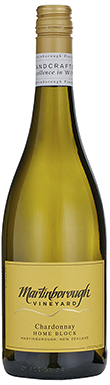

Hazelnut, brioche and oatmeal on the nose with a mouthfilling, textured and endless palate. There’s a glorious texture to this wine that just doesn’t want...
2019
Martinborough VineyardMartinborough

Craggy Range, Aroha, Martinborough, Wairarapa, New Zealand, 2019
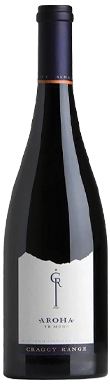
From two parcels of the Te Muna Road vineyard. Fantastic bouquet with a sense of place and time: a core of silty minerals, wind-blown soils,...
2019
Craggy RangeMartinborough
Dry River, Lovat Vineyard Syrah, Martinborough, Wairarapa, New Zealand, 2016
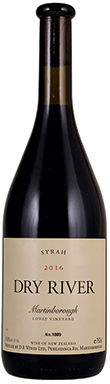
There’s something about Martinborough Syrah... when it’s good it can contend with Hawke’s Bay – and the world. This wine is truly delicious: inky, dark...
2016
Dry RiverMartinborough
Kusuda, Pinot Noir, Martinborough, Wairarapa, New Zealand, 2018
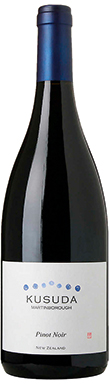
Hiro Kusuda is a well-known perfectionist –there are even rumours he gets his harvest team to sort grapes by the berry. If that’s true, it’s...
2018
KusudaMartinborough
Schubert, Marion’s Vineyard Pinot Noir, Gladstone, Wairarapa, New Zealand, 2017
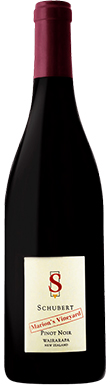
While Schubert’s Block B is regarded as the ‘bigger’ wine, there tends to be more prettiness to Marion’s Block – it’s certainly more approachable at...
2017
SchubertGladstone
Urlar, Pinot Noir, Gladstone, Wairarapa, New Zealand, 2018
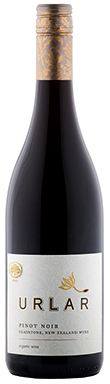
93
Winemaker Jannine Rickards has quite the CV: from assistant winemaker at Ata Rangi, with stints at Cloudy Bay, Julicher and a spell in the Adelaide Hills, she now runs the ship at Urlar and has her own brand too, Huntress, the wines of which are well worth seeking out. This Urlar Pinot Noir boasts enticing, dark, smoky cherry aromas and a lovely, almost saline note to the long palate, along with fine tension, freshness and good tannins. Another great organic wine from Wairarapa.
2018
UrlarGladstone
Palliser Estate, Wharekauhau Vineyard Pinot Noir, Martinborough, Wairarapa, New Zealand, 2018
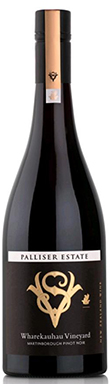
This needs a bit of air if opened young, as it’s a bit dumb on the nose at the moment and showing a bit of...
2018
Palliser EstateMartinborough
Te Kairanga, John Martin Pinot Noir, Martinborough, Wairarapa, New Zealand, 2018
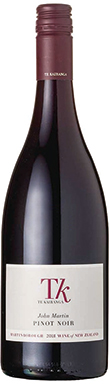
Winemaker John Kavanagh was previously at the helm of cult Nelson producer Neudorf before crossing the Cook Strait to TK, as it is known locally....
2018
Te KairangaMartinborough
Ata Rangi, Crimson Pinot Noir, Martinborough, Wairarapa, New Zealand, 2018
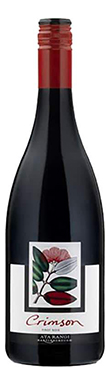
It’s tempting to recommend the superb Ata Rangi Pinot Noir, or the now dormant Craighall Chardonnay (the virused block is being replanted); even the Te...
2018
Ata RangiMartinborough
Matahiwi Estate, Holly South Series Pinot Noir, Gladstone, Wairarapa, New Zealand, 2019
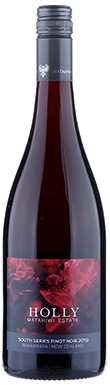
A big wine from a good vintage, crafted by Miles Dinneen, who hails from Hawke’s Bay. This shows a hint of bacon fat, a whack...
2019
Matahiwi EstateGladstone
