10 top Grandes Pagos de Espana wines to try

Europe’s Myriad wine laws and classifications have probably left most of us, at least once, scratching our heads in confusion. And it’s quite probable that one more furrow was added to the brow when, in 2003, the DO Vino de Pago was introduced as a new official category in Spanish wine, parachuted in to sit at the very peak of the appellation pyramid, above the DOCa/DOQs of Rioja and Priorat.
To be a Vino de Pago, single estates must demonstrate unique characteristics, such as climate and soil, and that all grapes are estate grown and all wine bottled on the property. However, there are legally defined exceptions, which complicate matters. Furthermore, some voices argue that the regulations attached to this classification are not strictly adhered to by all members.
The modern concept of the Pago is, on balance, an honourable one, particularly in terms of demanding (in theory) top-notch procedures in both vineyard and cellar. But confusion over the whole issue stems from the creation of the Vino de Pago classification and arbitrarily putting it at the apex of Spain’s wine rankings. This, compounded by its still limited geographical reach, suggests there is more than a whiff of politics in the air.
Mark O’Halleron picks 10 Grandes Pagos de Espana wines to try…
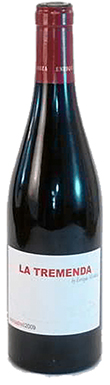
Enrique Mendoza, La Tremenda, Alicante, Spain, 2011
91
A gorgeous, breezy, uplifting Monastrell that spends six months in barrel. It’s wonderfully pure with an abundance of fruits such as red cherries and damsons, a subtly spicy frame to the palate and just a touch of grip at the end of the long finish.
2011
Enrique Mendoza
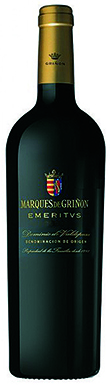
Marques de Griñon, Dominio de Valdepusa, Spain, 2008
92
A blend of 50% Cabernet Sauvignon, 45% Petit Verdot and 5% Merlot, this contains only the best parcels of Valdepusa’s fruit. It’s dark, earthy and meaty throughout, but there’s still an overarching freshness that’s augmented by a scattering of violets on the nose. To taste it’s sleek and streamlined, dark-fruited in nature and with super-fine tannins.
2008
Marques de Griñon
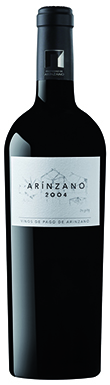
Pago de Arínzano, Gran Vino, Navarra, Spain, 2004
92
Wonderful nose: hugely concentrated with laser-like definition of red fruits enhanced by a lovely floral element and a touch of chocolate. The palate is no less fulsome, but not at the expense of freshness, with breezy red fruits riding high on the mid- and back-palate. This is hitting its stride right now but still has several years in its locker.
2004
Pago de Arínzano
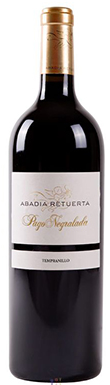
Abadia Retuerta, Pago Negralada, Vino de la Tierra de
92
This is pure, unadulterated Tempranillo from vines that grow in a single vineyard near the Duero River. The nose is spicy with crushed red berries plus a slightly darker underbelly, while the palate is fresh and juicy, with blue and red fruit, plus a nice kick of acidity on the back-palate.
2011
Abadia RetuertaVino de la Tierra de Castilla y León
Vallegarcia, Hipperia, 2010
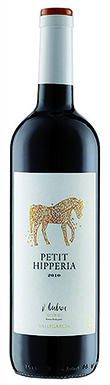
93
A super-concentrated, polished Bordeaux blend of both Cabernets, Merlot and Petit Verdot. While there’s plenty of shade via the black, liqueur-like, charcoal-tinged fruits, it’s countered by a menthol lift and refreshing herbal notes that provide the light. The alcohol doesn’t jar at all – just get the serving temperature correct.
2010
Vallegarcia
Aalto, PS, Ribera del Duero, Castilla y Léon, Spain, 2010
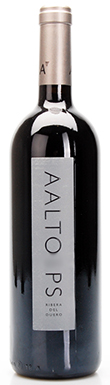
93
<p>The man behind this wine, Mariano García, was the winemaking director at Vega Sicilia for three decades. With fruit from old vines, it’s silky and lustrous, with a major concentration of dark, peppery fruit on both the nose and palate, and a surge of tannins on the finish. Still young, but super-fine.</p>
2010
AaltoRibera del Duero
Mas Doix, Doix, Priorat, Catalonia, Spain, 2010
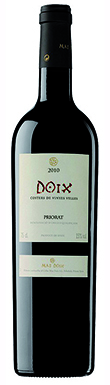
94
<p>A winery with a lovely portfolio of wines and this, its flagship offering, is hard to ignore. Made from 55% Carignan and 45% Grenache (from vines 110 and 100 years old respectively), this is dark and dense in appearance, so it’s of little surprise that on first approach the nose is similarly deep and brooding, with liquorice, forest fruits and a tarry, mineral core. To taste it’s still pretty tight but patently top-notch, showing glossy, currant fruit and fine tannins.</p>
2010
Mas DoixPriorat
Mustiguillo, Finca Calvestra Merseguera, Valencia, 2013
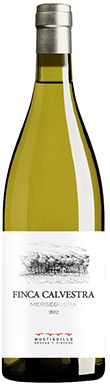
90
Merseguera is rarely seen outside a blend due to its poor reputation for making quality single-varietal wines. This example bucks the trend and was made from unirrigated vines grafted onto very old Bobal rootstock, then aged in a combination of French oak and acacia. The nose is slightly reticent but still shows a delicate floral perfume, while the palate has a lovely crunch to it, opening up to reveal notes of kiwi and lemon rind. Possibly not the most blockbusting wine of the Mustiguillo portfolio, but one of the most engaging.
2013
Mustiguillo
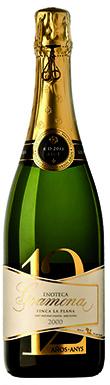
Gramona, Finca la Plana Brut Nature, Enoteca, Cava, 2000
93
<p>High-end Cava with a rich, full nose of spice and honey-dripped toast. Naturally bone dry but nonetheless full of flavour and vitality, with its bottle age made apparent with a nuance of dried fruit.</p>
2000
GramonaCava
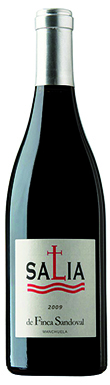
Finca Sandoval, Manchuela, Spain, 2009
91
<p>Syrah comprises over three quarters of the blend here (the vines coming from a nursery owned by Château de Beaucastel and Tablas Creek), with the rest being Monastrell and Bobal. It’s inky, broad and full of soul, with curranty, Christmas cake fruit driven on with well-judged acidity. A serious, grown-up wine, made by one of the founders of the GPdE assocation.</p>
2009
Finca Sandoval
