
The rise of Carignan


A once-scorned Mediterranean grape is being reborn as a fine wine, with classy cuvées emerging from Spain and France, discovers Miquel Hudin
As a wine drinker, to discover (or perhaps rediscover) Carignan is to happen upon a vinous jewel. The fine wines now being produced from this grape are usually the single-vineyard top cuvées in a winery’s portfolio. These are often expensive as a result, but they will also offer a new and exciting experience for anyone looking to broaden their drinking horizons.
Carignan is a name borrowed from French, but, depending upon your country of origin, you may know it as Bovale di Spagna, Cariñena, Carinyena, Mazuelo, Samsó or another synonym. The variety is actually Spanish in origin with its still-undetermined crossing having happened somewhere in the lower part of Aragón in Spain’s northeast, and possibly near the town of Cariñena, resulting in it taking the name. And while there are blanc and gris mutations, it’s the red variant of the grape that dominates plantings the world over.
Historical rise
Carignan spread overland from its point of conception, heading west to Rioja in Spain and then further northeast to the Côte d’Azur in France. It was then taken to Chile, Italy, Morocco, Israel and California, to name a few of its adopted homes. Plantings were expansive in the post-phylloxera period as Carignan was loved for what is actually its worst quality: over-production. Peasants of the past century planted it not on the premise of crafting fine wine, but because in the right conditions it could produce up to an enormous, though intensely bland 200hl/ha.
Throughout the 20th century, this was the commercial orientation of Carignan, and the vast bulk of the world’s supply was planted in Languedoc-Roussillon: the region of southern France that became synonymous with the European ‘wine lake’. In response, successive vine-pull schemes or replanting with ‘improving varieties’ (Grenache, Syrah and others) were enacted by a concerned EU.
But in sparse pockets with poor soils and forgotten vines, a massive rethink of the grape was underway, from the top of Languedoc and Roussillon in France down to the bottom of Catalonia in Spain. In these regions, the past two decades have shown that despite the name originating in Aragón (where Grenache is now dominant) its spiritual home lies along this swathe of Mediterranean appellations.

All in the handling
Carignan is a tedious grape to grow. Given its large, tight clusters and extremely long maturation cycle, it’s very prone to powdery mildew and bunch rot. It also needs poor, rocky soils and low rainfall to curb yields and increase its flavour concentration. While thousands of hectares exist, it’s the bush-trained old vines that are proving most exciting, as they give miserly yields of 1kg (even 300g) per vine of intensely flavoured grapes.
France has invested the most time and learning into understanding the grape. In Gruissan and Embres-et-Castelmaure, INRA (the French National Institute for Agricultural Research) has two vineyard conservatories that hold 233 cuttings taken from vineyards across the country. Overseen by Didier Viguier, they observe the cultivation of Carignan and work on eradicating vine viruses that are often rampant in older vineyards.
In both Languedoc and Roussillon, there is a tendency to pick Carignan early. Harvests in the third week of September aren’t unheard of and the reasoning is that this preserves flavour, though it seems the thinking is based upon Carignan reaching ideal sugar levels quickly during maturation. Unlike Grenache however, it doesn’t skyrocket in terms of potential alcohol and will stay below 15% in a ‘normal’ vintage, even if allowed to ripen longer.
With Carignan originating very near Catalonia, the winemakers there have been accustomed to it for centuries. The lengthy ripening avoided by the French is embraced by the Catalans and continues to be common, running into October or even early November for certain years and parcels. This makes for two very different profiles of the grape.
When aiming for a proper balance of flavours, most French winemakers find that non- intervention is not an option when working with Carignan. Laurent Maynadier of Château Champ des Soeurs will do all his alcoholic fermentation in stainless steel tanks, which can be the quickest way to end up with a reductive Carignan (that tell-tale smell of struck match) due to the juice not being able to breathe, but he says that it’s easy to deal with: ‘You just manage pump-overs as needed by moving the reductive part of the batch to mix with the oxidative at the top.’
While many Catalan producers use regular pump-overs, there is also a trend of open-top barrels, as well as experimentation with clay amphorae, as at Mas Martinet in Priorat. Wineries with very concentrated fruit, such as Vall Llach, also use concrete (tanks or eggs).
While not carrying out the intense scientific analysis of the French, Catalan producers have managed the grape very well to the point that varietal Carignans are often found in the top-level DOs including Priorat, Montsant, Empordà and Terra Alta. This is a marked contrast to France, where 100% Carignans must be sold under obscure regional IGPs or even the blossoming Vin de France category. There are those who favour the latter option, such as Jon Bowen of Domaine Ste Croix: ‘It allows you to have a conversation.’

Time to shine
Carignan is known for developing a wealth of tannins, acidity and colour, so it has typically been used as an excellent blending partner for Grenache, which can be lacking in these qualities. If not made with care, however, it can also be prone to rampant reduction during vinification. So, while a beautiful grape on its own, the wine must still be made carefully.
At their best, whether north or south of the Pyrenees, Carignan wines will usually display dark cherry fruit, blueberries, violet and other floral aromas along with notes of orange peel, black liquorice and cocoa. On the palate, the wines are very full-bodied with tannins that have a fine, dusty aspect and an acidity that presents a fresh and lively wine with excellent potential for ageing. It’s delicious paired with roast meats, duck and earthy root vegetables, but can overwhelm or potentially clash with strong cheeses.
The past 15 years of Carignan’s evolution haven’t come about by accident as a new generation has either opened new cellars or taken over from their parents. They’ve studied oenology instead of just inheriting the knowledge from their forefathers and are able to graft modern winemaking onto the old methods, which has in turn thrust this grape upon the world stage.
Just a few years ago, there was no thought that beautiful, complex wines might have been made from the Carignan grape, given its often thin profile when grown in Languedoc-Roussillon, or the rough abrasiveness in examples from Catalonia.
While it’s true that this kind of evolution is happening with countless grape varieties when given a splash of modernity, in the case of Carignan it has also meant waiting more than a century for old vines to shed their rustic past and be reborn in splendour.
Miquel Hudin is a wine writer based in Catalonia. He won Fortnum & Mason’s Best Drink Writer award for 2017
Ferrer Bobet, Selecció Especial Vinyes Velles, Priorat, Catalonia, Spain, 2013
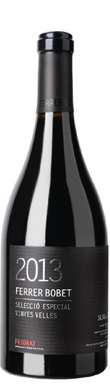

A rich blend of red and dark cherry fruit with a touch of prune, chocolate, fresh mint, cut herbs and eucalyptus. Very fresh and vibrant...
2013
Ferrer BobetPriorat

Vall Llach, Mas de la Rosa, Priorat, Catalonia, Spain, 2015
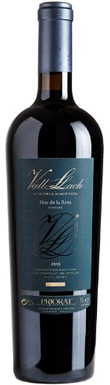
Complex nose of fresh red cherry fruit with abundant violet floral notes, fennel, garrigue and many layers of wild herbs and floating orchard blossoms. In...
2015
Vall LlachPriorat
Celler l’Encastell, Roquers de Samsó, Priorat, Catalonia, Spain, 2015
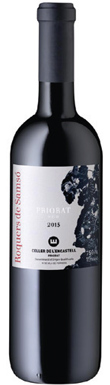
Aromas of red cherry and currant enhanced by a lovely, complex bouquet of forest herbs, fennel, orange peel, toffee, and minty notes. Light and appealing...
2015
Celler l’EncastellPriorat
Anne Gros & Jean-Paul Tollot, Les Carrétals, Minervois, Languedoc-Roussillon, France, 2015
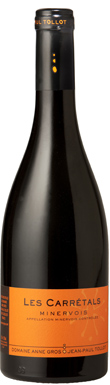
Needs time to open but gives way to dark cherry and light mineral notes, a bit of crunchy red cranberry, tea leaf, garrigue and fresh...
2015
Anne Gros & Jean-Paul TollotMinervois
Roig Parals, Camí de Cormes, Empordà, Catalonia, Spain, 2013
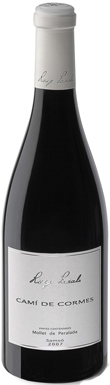
Red cherry nose with red forest fruits, underlying liquorice, cloves, violet floral notes, light vanilla and toast. Red, crisp fruits in the mouth with medium...
2013
Roig ParalsEmpordà
Saó del Coster, Planassos, Priorat, Catalonia, Spain, 2014
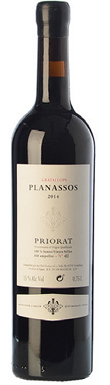
Dark cherry and plum, rich floral notes of violets and almond blossoms, fresh roses, minty freshness, and spicy liquorice. Red and dark fruits on the...
2014
Saó del CosterPriorat
Vinyes d’en Gabriel, Mans de Samsó, Montsant, Catalonia, Spain, 2014
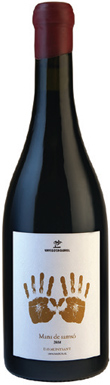
Dark cherry with wild fennel, liquorice, orange peel, caramelised strawberries and damp earth. Delicate balance with crisp acidity. Thick, savoury red fruits on the palate...
2014
Vinyes d’en GabrielMontsant
Vinyes d’Olivardots, Vd’O 1.11, Empordà, Catalonia, Spain, 2011
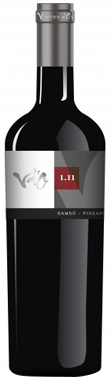
Delicate red cherry with a floral note of violet, orange peel, caramel and spicy pepper. Savoury notes on the palate, rich and balanced red and...
2011
Vinyes d’OlivardotsEmpordà
Celler Masroig, Les Sorts Vinyes Velles, Montsant, Catalonia, Spain, 2013
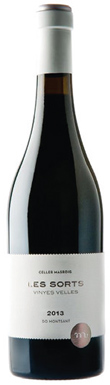
Full, earthy, dark fruit notes with cherry, orange peel, wild forest herbs; rich and layered. Lovely balance with crisp fruits, extremely well-integrated acidity and a...
2013
Celler MasroigMontsant
Marco Abella, Roca Grisa, Priorat, Catalonia, Spain, 2015
Crisp red fruit with lovely touches of laurel, sage and wild herbs, forest berries, toasted brioche and a light floral note. Full dark fruit on...
2015
Marco AbellaPriorat
Mas Doix, 1902, Priorat, Catalonia, Spain, 2014
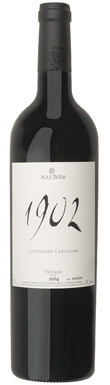
Brambly red fruit and raspberry aromas mixed with flecks of dark cherry and blueberry, light touches of anise, slate and sweet thyme. Delicate on the...
2014
Mas DoixPriorat
Celler Sangenís i Vaqué, Clos Monlleó Selecció, Priorat, Catalonia, Spain, 2011
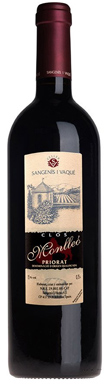
Vibrant red cherry fruit aromas with a kick of cranberry, fennel, wild herbs, liquorice, slate mineral notes, light eucalyptus and a touch of tar-like reduction...
2011
Celler Sangenís i VaquéPriorat
Vermunver, Gènesi Varietal Carinyena, Montsant, Catalonia, Spain, 2013
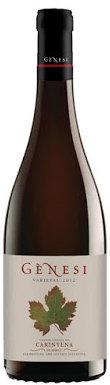
Red cherry, orange peel, a touch of pleasing smokiness, forest herbs and fruits; a very wild bouquet overall. Weighty dark fruit on the palate that...
2013
VermunverMontsant
Cedó Anguera, Clònic Vinyes Velles Bóta, Montsant, Catalonia, Spain, 2014
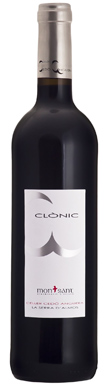
Dark cherry, ripe plum, chocolate, orange peel, caramel, liquorice, violet and a dash of white pepper. Full, delicious embrace of the palate with rich, red...
2014
Cedó AngueraMontsant
Château La Baronne, Pièce de Roche, Aude Hauetrive, Aude, Languedoc-Roussillon, France, 2013
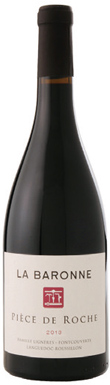
Rich, vibrant notes of dark cherry on the nose, with prune, black pepper, cumin and orange peel. Forest fruits jumping at the corners. Excellent full...
2013
Château La BaronneAude
Domaine Jones, Les Perles Carignan, Vin de France, France, 2013
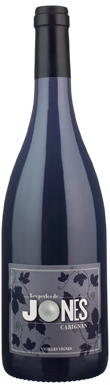
From two vineyards in Tuchan and nearby Paziols, vines more than 100 years old. Dark cherry aromas, with a little prune, powdery cocoa, floral violet...
2013
Domaine JonesVin de France
Espelt, Old Vines Carignan, Empordà, Catalonia, Spain, 2014
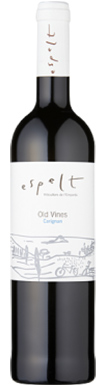
Light red cherry and currant aromas; menthol, talcum powder, mint, liquorice and light reductive notes. Lovely balance on the palate with crisp red fruits and...
2014
EspeltEmpordà
Domaine Sainte-Croix, Carignan, Vin de France, France, 2015
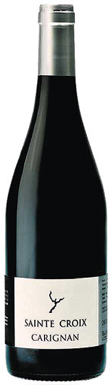
From the Hautes Corbières area in Languedoc. Dark cherry and prune fruit, crunchy limestone notes, wild forest herbs, touch of mushroom, orange peel and generally...
2015
Domaine Sainte-CroixVin de France
Celler Josep Vicens, Mon Iaio Sisco Vinyes Velles de Samsó, Terra Alta, Catalonia, Spain, 2012
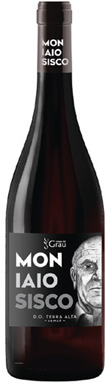
Dense dark cherry, violet floral aromas, liquorice, orange peel, light mineral clay notes, spicy fennel. Stays generally fresh in the mouth despite the overall density...
2012
Celler Josep VicensTerra Alta
Domaine Bertrand-Bergé, Les Mégalithes, Fitou, Languedoc-Roussillon, France, 2015
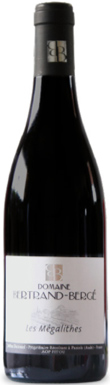
Dark and red cherry notes, underlying young plum and fresh orange peel as well as mint and liquorice. Very good fruit definition on the palate,...
2015
Domaine Bertrand-BergéFitou
