Sparkling Furmint from Tokaj – eight wines to try
Speaking of Tokaj, you may be more familiar with the luscious Aszú and the increasingly attractive dry Furmint. But did you know that the local producers have also started to make splendid sparkling wines with the versatile Furmint grape?


Hungary: A history of sparkling wine production
Surprising as it may sound, Hungary has had a long history of making sparkling wine since the 19th century. As a matter of fact, it used to be the world’s second-largest sparkling wine-producing country, only next to Champagne.
With producers trained in the French homeland, the Hungarian ‘pezsgő (sparkling wines)’ used to be crafted mainly using the Champagne grapes. The country’s leading sparkling producer Törley, established in 1882 in Budafok, carried on this tradition, though is also exploring other varieties, including Riesling and Zöldveltelini (Grüner Veltliner).
The booming sparkles in Tokaj
Tokaj, located north-east corner of the country, is perhaps best known for its lusciously sweet wines, with the botrytis-infused Aszú being its crown jewel.
The region itself is a complex patchwork of volcanic soils with vineyards planted on the steep slopes facing varied aspects. Furmint is the most widely planted grape variety there, spreading more than 3,500ha (out of the nation’s total 3,700ha), responsible for a wide spectrum of expressions and styles.
‘Furmint showed a similar sugar:acid ratio to Chardonnay when picked at the right moment,’ said Caroline Gilby MW, wine writer and consultant specialising in Central and Eastern European wines.
Read more: Furmint: the journey continues
Thanks to Tokaj’s moderate-to-cool climate, the white grape can achieve full ripeness while retaining its hall-mark high acidity. This, combined with its relatively neutral flavour and moderate alcohol levels, lays the foundation for quality sparkling wines.
‘Vencel Garamvári was almost certainly the first to make traditional-method Tokaji sparkling in 2002, with Chateau Vincent. However, it didn’t really take off more widely until the cold, rainy 2010 vintage, which produced very high-acid wines – perfect sparkling raw material,’ according to Gilby.
Although sparkling Furmint is still a relatively new notion in the region with most producers releasing wines from a specific vintage with limited quantities, some have started to build their own reserve for non-vintage blends.
It’s worth noting that Furmint isn’t the only hero in the Tokaji fizz story – a considerable proportion of sparkling wines produced in Tokaj are blends, where the region’s second most-planted Hárslevelű and international variety such as Chardonnay, among others, also play their parts.
The wines
Although not many sparkling Furmint from Tokaj are available in the UK yet, it’s apparent that the versatile poster grape of the region can take on the rich, toasty notes from prolonged lees ageing very well while maintaining its penetrating acidity. The traces of honey and quince, on the other hand, are friendly clues to its varietal characters.
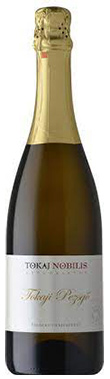
Gilby highlighted the Tokaji Pezsgő Brut 2017 from Tokaj Nobilis, praising its ‘delicate bouquet of apple crumble with lemon zest and quince’, ‘elegant and long’ palate and a ‘graceful yet crisp finish’.
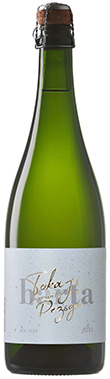
Barta Furmint Pezsgö 2016 also stood out in the sparkling Furmint masterclass during the 2022 Furmint February event. The traditional method fizz is rich in yellow fruit and floral charm, with yeasty depth from 36 months of lees ageing. The tell-tale mineral acidity of Furmint dances elegantly on the tip of the tongue.
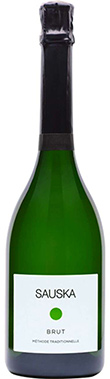
Another excellent tipple is the Sauska Brut NV – perhaps the only non-vintage sparkling Furmint produced in Tokaj, for now – featuring 70% Furmint, 20% Hárslevelu and a dash of Chardonnay. Toasty notes from 18 months of lees ageing, underlined with a honeyed, buttery palate, formulating a real beauty at an affordable price (£19.50).
These wines, plus the ‘Sparkling Furmint’ from 4 Haz, a value choice made using the Charmat method, are telling examples of what Tokaj is capable of when dressing up its star grape with sparkles. As Caroline Gilby MW puts it, ‘all with the poise and structure of an aristocrat, with a twist of bohemian wildness.’
Based on the masterclass hosted by Hungarian-born wine expert Dr Orsi Szentkiralyi.
Try eight sparkling Furmint from Tokaj
Related articles
- 30 great buys: Hungary beyond Tokaj
- Furmint February: 16 award-winning wines to try
- Best Tokaji wines for Food – Thinking Outside the Box
Tokaj Nobilis, Tokaji Pezsgő Brut, Tokaj, Hungary, 2017
92
Pale and bright with fine bubbles. A delicate bouquet of apple crumble with lemon zest and quince. The palate is elegant and long, with notes of quince, apple blossom, a hint of biscuity autolysis and a graceful yet crisp finish.
2017
Tokaj Nobilis
Barta, Furmint Pezsgö, Tokaj, Hungary, 2017
92
Quince, yellow fruit and citrus blossom on the nose with toasty depth from 36 months of lees ageing. Great mousse and brioche roundness embrace the fruits, with bright green apple acidity (7.7g/l) dancing elegantly on the tip of the tongue. Red apple peel and steamed rice linger on forever. Poised and complex, a brilliant example showcasing the potential of sparkling wines from Tokaj.
2017
Barta
Sauska, Brut, Tokaj, Hungary
92
NV sparkling is a rarity in Tokaj. Crafted by Champagne maestro Régis Camus based on the 2019 vintage, Sauska's NV Sparkling Brut is a blend of the local duo, Furmint and Hárslevelu, plus a dash of Chardonnay. Savoury toast opens up to red apple and honey-roasted nuts on the nose, thanks to at least 18 months of lees ageing. A buttered palate of brioche and wheat biscuit seasoned with honey and apple tart, melting in the creamy mousse. The notable residual sugar (8g/l) offsets the mineral acidity at 6.5g/l. Pleasing honeydew melon on the finish.
Sauska
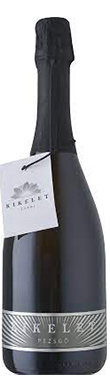
Kikelet, Pezsgö Brut, Tokaj, Hungary, 2017
91
A traditional method sparkling wine made from 88% Hárslevelu and 12% Furmint. 24 months of lees ageing give the wine a bready nose, underlined by mineral freshness and pear blossom. The honey and beeswax characters come through to the palate, with lovely depth of honey loaf cake and creamy roundness. The crisp green apple acidity (7.1g/l) cuts through to the finish, seasoned by apple peel bitterness.
2017
Kikelet
Tokaj-Hétszőlő, Pezsgö Brut, Tokaj, Hungary, 2019
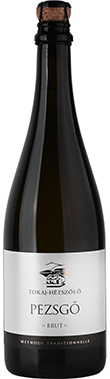
90
Pears, blossom and marmalade with a hint of toast on the nose, thanks to 13 months of lees ageing. Honeyed green apple and nectarine, with a fine mousse and brioche roundness, backed by great elegance and crisp acidity. White pepper and lime peel notes on the cleansing finish. Another lovely example of sparkling Furmint made using the traditional method.
2019
Tokaj-Hétszőlő
Château Dereszla, Methode Traditionnelle Vintage, Tokaj, Hungary, 2018
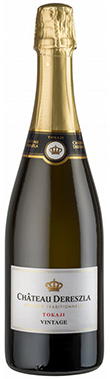
90
A classic nose of toasty biscuit over stone fruits and acacia blossom. Oxidative winemaking brings more depth, adding a pinch of baked red apple flavours to a base of yeasty brioche, with well-balanced acid (5.87g/l) and sugar (7.8g/l). Cleansing citrus peel leads to a smooth, creamy finish. A traditional method sparkling wine made by blending the Tokaji duo, Furmint and Hárslevelu, and 14 months of lees ageing.
2018
Château Dereszla
Patricius, Pezsgö Méthode Traditionnelle Brut, Tokaj, Hungary, 2016
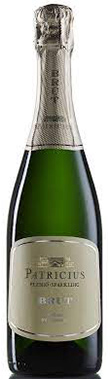
89
A Furmint-driven, traditional method sparkling wine featuring a classy nose of biscuits and brioche, thanks to 54 months of lees ageing. Pears, quince and a touch of toast, with yellow fruit and dried apricot notes on the creamy palate, refreshed by good acidity. A rounded finish of melon and steamed rice.
2016
Patricius
4 Haz, Sparkling Furmint, Tokaj, Hungary, 2020
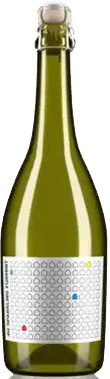
88
The ‘4 houses’ sparkling Furmint is made using the Charmat method. Aromatic pear, jasmine blossom and quince on the nose, with almost muscat-like grapey perfume. Residual sugar sits at 11.1g/l, a relatively high level for Brut. Refreshing green apple peel, lime and white pepper spices on the palate, followed by steamed rice on the finish. A lovely fizzy Furmint at an affordable price.
2020
4 Haz
