Botrytis explained
Arising from a meeting of climatic and geographical influences which fuse at precisely the right time of year, Botrytis cinerea – or noble rot – is a phenomenon that unequivocally ranks as one of wine’s most magical and mysterious.


Despite being a common enemy in a range of fruit and vegetables, an alignment of stars results in this particular strand of grey rot being responsible for some of the world’s most opulent, expensive and desired dessert wines, such as the sélection de grains nobles of Alsace, Germany’s sweeter styles, Sauternes in Bordeaux, and Tokaji in Hungary, where it is argued botrytised wines were first made.
Right place, right time
The base ingredient for botrytis is the presence of water in the form of lakes or rivers. These create misty, humid mornings that trigger the rot’s bloom. As the botrytis spores cloak the berries they attack the skin and exploit microscopic fissures to cause punctures.
Should damp conditions persist, then the berry would naturally degrade and ruin. However, those regions whose reputations are built on botrytis-crafted wines rely on an ace up their sleeve, namely their warm, sunny and dry afternoons. Not only does this maintain ripening, but it also halts the spread of the rot and causes water in the grapes to evaporate out through the pierced skin, leading to the concentration of sugars, flavours and aromas within the berry.
Botrytis also infuses the grapes with its own set of aromatic compounds, often slightly medicinal – these can include honey, marmalade, ginger and beeswax.
Expertly crafted
Arbitrary in nature, noble rot doesn’t work uniformly but spreads, berry by berry, at varying pace. Therefore, for those producers with the financial means to do so, several rounds of handpicking are required, with these multiple passes through the vineyard capturing only grapes that are perfectly affected by the rot. Unsurprisingly, yields are extremely low, even tiny, not only due to the hand-harvesting of grapes at their optimum, but also to the vastly reduced volume of liquid inside them. In the winery, the grapes are handled with kid gloves, and pressing is carried out slowly and carefully, or – in the case of Tokaji – while being macerated with fermenting juice or a youthful base wine.
Drawn-out fermentations are the norm and require a beady eye in order to stave off a host of threats, not least refermentation, which can be triggered by the high sugar levels at play.
Botrytis: In the glass
Related content
What’s the difference between Sauternes and Tokaji Aszú? – Ask Decanter
Best sweet wines from around the world: 30 bottles to seek out
Royal Tokaji, Gold Label Aszu 6 Puttonyos, Tokaj, Hungary, 2016
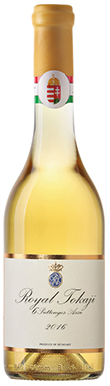

A classic example of Hungary’s famous botrytised wine, with complex aromas of biscuit, honey and caramel bordering on toffee. Juicy red apple, peach and sweeter Scottish tablet flavours are wrapped up in refreshing acidity that stops the mouthfeel from becoming cloying.
2016
Royal Tokaji

Waitrose, No1 Sauternes Château Suduiraut, Sauternes, 1er Cru Classé, Bordeaux, France, 2013
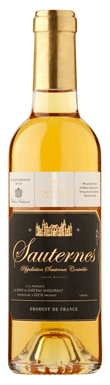
Suduiraut is a top name in Sauternes, classified as a first growth. The half-bottle format makes this 100% Semillon dessert wine an affordable option for the festive season and beyond – the sweetness (149g/L residual sugar) balanced by great acidity. Gorgeous aromas and flavours of orange blossom, apricot stone fruit and honey, with a lemon citrus lift. The five years of bottle age adds complexity and makes it even better value.
2013
WaitroseSauternes, 1er Cru Classé
