Chianti Classico latest releases: Full report
Michaela Morris tastes Chianti Classico’s new releases and selects her top picks across all categories, including Riserva and Gran Selezione...


Walking into Florence’s cavernous Stazione Leopolda to taste Chianti Classico’s new releases is simultaneously thrilling and overwhelming. The old train station transformed into an event space is a fitting venue for this prolific appellation. It easily holds all 200 participating producers presenting a collective total of 740 wines across all categories – annata, riserva and gran selezione – spanning vintages back to 2012.
I started my tastings with a first comprehensive look at the newly released 2018 annata. If 2017 can be characterised by drought, 2018 was shaped by rain. After a trio of dry vintages, the abundant rainfall of 2018 was in some respects a relief. ‘It enabled the vines to recover from the dramatic water situation,’ says Marco Ricasoli-Firidolfi, proprietor of Rocca di Montegrossi.
While this neatly summarises the growing season, it is a rather sweeping generalisation for such a diverse region. Above all, rainfall was not uniform throughout all of Chianti Classico’s nooks and crannies. ‘In the same day, it could rain 10mm in San Casciano but not at all in Radda, or vice versa,’ explains Federico Cerelli, winemaker at Castello di Gabbiano. He reports 60mm of rainfall in San Casciano for the month of August while Piero Lanza, owner of Poggerino, calculated almost 200mm in Radda.
‘There was always a lot of humidity which led certain zones of Chianti Classico to harvest early due to fear of botrytis,’ continues Cerelli. Earlier-picked grapes tended to be swollen from the August rains, resulting in less concentrated wines. Other areas were less afflicted. ‘In Panzano, it didn’t rain that much so this wasn’t a problem,’ says Giovanni Manetti, owner of Fontodi, who describes his 2018s as ‘rich and powerful’.
See all Chianti Classico latest release tasting notes here
2018 and 2019 vintages
With a few exceptions, most of the 2018 annata I tried were rather soft and slender in structure. However, they are absolutely charming and lithe with beautiful, well-focused aromas and flavours. These will give enormous pleasure in the short term, which is highly appropriate for this category. It is very possible that more robust examples will be released next year. More telling will be how this vintage plays out at the riserva and gran selezione levels, which won’t make an appearance until 2021.
It was virtually impossible for producers to talk about 2018 without weighing it against 2019. The enthusiasm for the latter was unmistakable. ‘Our oenologist Carlo Ferrini says it is probably the greatest vintage that he has ever seen,’ exclaims Alessandro Campatelli, winemaker at Riecine.
After cold damp weather in late spring delayed the vine’s cycle substantially, summer conditions were ideal. It was very warm without extremes, rainfall was moderate and September boasted significant differences between day and night temperatures. Harvest lasted from the end of September to mid-October.
‘We were able to pick every parcel at the right moment – slowly and calmly – and weren’t worried about over-ripeness,’ asserts Laura Bianchi at Castello di Monsanto.
However, as with 2018, it appears that conditions in Chianti Classico’s diverse sectors varied. Both Michael Schmelzer at Monte Bernardi in Panzano and Michele Braganti at Monteraponi in Radda noted that in 2019, the grapes ripened very rapidly at the end.
‘The trick was getting everything in at the appropriate ripeness to keep balance and elegance,’ says Schmelzer. Braganti even expresses a slight preference for 2018 over 2019, though he describes both as ‘classic’.
Preferences aside, it is clear that 2018 and 2019 are very different vintages. Moreover, neither is homogenous in personality across the territory. More than ever, the time is ripe to officially recognise Chianti Classico’s sub-zones in order to communicate the region’s diversity. Manetti, who is also the president of the consortium, assures me that this is still a work in progress.
2017 vintage
Chianti Classico’s 2020 Collection also afforded the opportunity to taste for the first time the riserva and gran selezione from torrid 2017 vintage. While there isn’t the embarrassment of riches that 2015 and 2016 continue to offer, it definitely isn’t a write-off. As with the annata, I found balance and surprising acidity in the best wines. Cooler sites, older vines, keen vineyard management and skilled winemaking all played a role. Picking time was crucial and those who were able to wait until after the early September rains had a better chance of bringing in balanced fruit.
Many producers made their top selections in 2017, albeit often in smaller quantities. Others, such as Castello di Ama crafted just a single gran selezione. Overall, these wines won’t have the longevity of top vintages but the most successful will drink well over the next decade. Alas, there are still a number of unnecessarily heavily oaked wines, especially at the gran selezione level. These stood out even more awkwardly than in the more forgiving previous two vintages.
All in all, the quality of Chianti Classico’s new releases is very high. There were a number of thrillingly good wines and the only overwhelming aspect was not having the time to taste more.
Michaela Morris’ top scoring Chianti Classico wines
See all Chianti Classico latest release tasting notes here
Castello di Monsanto, Il Poggio, Chianti Classico, Tuscany, Italy, 2015
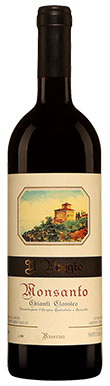

First produced in 1962, Il Poggio is an iconic Chianti Classico that stands the test of time. The Bianchi family puts aside 2,000 bottles each vintage in its extensive underground tunnel for release at least 10 years later. Still nascent, the 2015 slowly divulges stunning aromas of cherry blossom, blood orange, eucalyptus, and raspberry. It starts out tight and linear then unravels expanding across the palate with ripe woodland berries underscored by slate. Chalky tannins maintain a firm grip throughout. This will continue to deliver its complex nuances for at least a couple of decades.
2015
Castello di MonsantoChianti Classico

Fontodi, Vigna del Sorbo, Chianti Classico, Tuscany, Italy, 2016
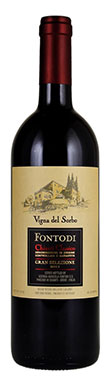
Giovanni Manetti calls 2016 the new benchmark. The summer was dry and warm without extreme heat and leading up to harvest, the nights cooled down substantially. His Vigna del Sorbo is one of the top wines among a robust set of stellar offerings from this outstanding vintage. It is remarkable for the freshness and purity that rises above the concentration and density. A mix of smoke, liquorice , black cherry and thyme emerges slowly. Even in their commanding grip, the tannins are perfectly polished and sophisticated. Full, packed with fruit but with incredible agility and lip-smacking tanginess, this lingers with fragrant earth, tobacco and crushed stone. For the long-haul.
2016
FontodiChianti Classico
Fèlsina, Colonia, Chianti Classico, Tuscany, Italy, 2016
The Colonia parcel sits at the top of Fèlsina's Poggio a Rancia vineyard on an extremely rocky outcrop. South facing and reaching upwards of 400 metres above sea level, it is enclosed by forest. Aged exclusively in new fine-grain, medium toast French oak barriques, this has the power and depth to effortlessly absorb the wood. It exudes the untamed generosity of Tuscany's countryside with baked earth, dried thyme plum, and succulent dark cherry punctuated by savoury spice and incense. While immediately seductive in its charms, structurally this could use some more time in the bottle as those vigorous chalky tannins build artfully across the palate.
2016
FèlsinaChianti Classico
Antinori, Badia a Passignano, Chianti Classico, Tuscany, Italy, 2016
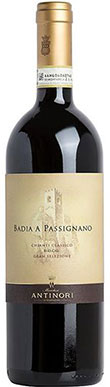
Badia a Passignano's 65 hectares sit at 300 metres above sea level on limestone rich clay in the area of San Casciano Val di Pesa. A selection of the best bunches of Sangiovese, the 2016 Gran Selezione is gorgeous, yet discreet rather than flashy. It is also immediately appealing with lovely clarity of red cherry and violets. Savoury hints of iron and stone emerge on the palate. This boasts silky sophisticated tannins, a tactile powdery texture, beautifully integrated oak and vibrant acidity. A elegantly balanced package.
2016
AntinoriChianti Classico
Rocca di Montegrossi, Vigneto San Marcellino, Chianti Classico, Gran Selezione, Tuscany, Italy, 2015
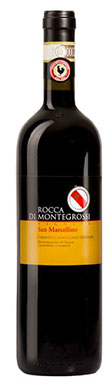
A selection made from the San Marcellino vineyard which includes a plot of 50-year-old vines. The soil here is extremely rocky, composed mainly of alberese - a hard marl rich in calcium carbonate which tends to give deeply coloured wines. There is a lot to love in this wine. Enticing red and black currants are demurely nuanced with toast and spice. Ample and mouth filling without being heavy, the palate is abundantly layered with velvety textured tannins. Purity of fruit is preserved throughout and this finishes with mouth-watering salinity.
2015
Rocca di MontegrossiChianti Classico
Le Miccine, Chianti Classico, Tuscany, Italy, 2016
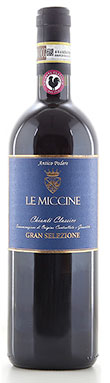
Owner and winemaker, Paula Papini Cook vinifies and ages each of her plots separately. The Gran Selezione always comes from the same plot which was planted to a single clone of Sangiovese in 2000. The 2016 vintage is just lovely. It boasts a fresh herbal lift to layers of ripe sweet pristine fruit. Wild berries and forest undergrowth give plenty of depth while juicy acid refreshes the palate. The tannins are neatly sculpted and the finish vibrates with minerality. Only 1,000 bottles made.
2016
Le MiccineChianti Classico
Castello di Ama, San Lorenzo, Chianti Classico, Tuscany, Italy, 2017
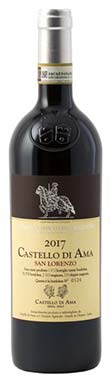
Oenologist Marco Pallanti chose not to make Castello di Ama's single vineyard Bellavista and La Casuccia bottlings in 2017 as he felt the excessively hot conditions gave slightly aggressive tannins. Instead, he focused on making the best possible selection from all vineyards to go into the San Lorenzo Gran Selezione. It opens with lots of dusty cherry, dry earth and sweet thyme. Well-stacked with round fruit, the palate is lifted by pressed violet nuances. Assertive but polished tannins give definition, the wood is understated and acidity bright and integrated. Besides deft balance, San Lorenzo demonstrates admirable elegance and is a great success in this challenging vintage.
2017
Castello di AmaChianti Classico
Fattoria Pomona, Pomona, Chianti Classico, Tuscany, Italy, 2016
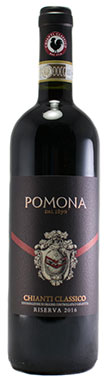
Monica Raspi crafts her Riserva from a single vineyard of the estate's oldest vines which were planted in 2000. East-facing, it sits at 350 metres and the soil is lean and rocky with lots of calcium carbonate deposits. Subtly fragrant, this seduces slowly but surely whispering of raspberry, cherry and thyme blossom. The palate is wonderfully elegant offering a stony minerality and a tangy, hunger inducing backbone. Terracotta-like tannins sneak up enfolding rather than subverting the fruit.
2016
Fattoria PomonaChianti Classico
Querciabella, Chianti Classico, Tuscany, Italy, 2016
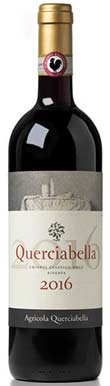
Querciabella's 10,000 bottle annual production Riserva is a selection of superior lots. It blends fruit from Greve where their vineyards range from 350 to 550 metres, with grapes from Radda's high altitude stony sites and Gaiole's limestone rich soils. The 2016 is restrained but precise. Intriguing scents of spring blossoms, cranberry bush and potting soil are subtly laced with vanilla and smoke. Very polished and pure on palate with mouth-watering, tangy acidity and sinewy tannins. This sophisticated, buttoned-up Riserva could do with another year in the bottle.
2016
QuerciabellaChianti Classico
Podere Il Palazzino, Grosso Sanese, Chianti Classico, Gran Selezione, Tuscany, Italy, 2015
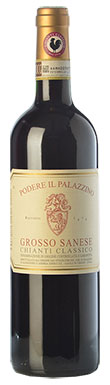
Brothers Andrea and Alessandro Sderci first produced Grosso Sanese as a 100% Sangiovese IGT in 1981. It comes from a two-hectare vineyard on compact soil consisting of galestro and albarese and ages in French oak barriques, of which approximately 30% are new. Smoke, tobacco and fragrant moist earth weave through ripe red cherry. Powerful yet polished on palate where round sumptuous fruit meets succulent acidity and muscular sinewy tannins. This wine generally requires some time in the bottle to fully expressive its exotic sensuous personality.
2015
Podere Il PalazzinoChianti Classico
Monte Bernardi, Sa'etta, Chianti Classico, Tuscany, Italy, 2016
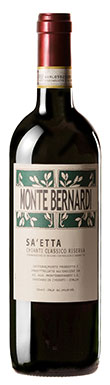
Sa'etta comes from a single vineyard planted in the 60s on compact sandstone rich in quartz, known locally as pietraforte. Michael Schmelzer calls 2016 a classic and fresh year which yielded particularly small concentrated bunches. It is discreet on the nose opening slowing to offer precise aromas of clove, flint, winter mint and moist earth. Savoury rather than fruity, the palate is equally tight with a firm backbone of chiselled tannins and succulent acidity. Very promising.
2016
Monte BernardiChianti Classico
Castello della Paneretta, Chianti Classico, Tuscany, Italy, 2016
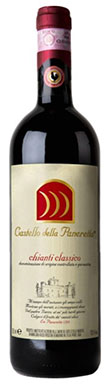
The Riserva is crafted from a selection of the best grapes throughout all eight of Castello della Paneretta's parcels in three distinct areas. Aged in used French oak casks of various sizes, this is wonderfully fragrant. Alpine flowers mingle with pepper, rosemary and mint. Perfumed nuances persist on the palate where layers of fruit are buttressed up by a firm backbone. Quite lovely and succulent with lingering orange peel on the finish. Hard to resist now. The bottle bears the original label which the Albisetti family found in the estate when they purchased it 36 years ago.
2016
Castello della PanerettaChianti Classico
Il Molino di Grace, Il Margone, Chianti Classico, Tuscany, Italy, 2016
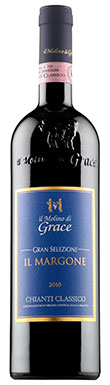
Il Molino di Grace's 20 hectares fan out around the estate in single undulating unit on predominantly galestro soil. In superior years, a selection of the best lots is used to produce Il Margone. Aged in a combination of new and second use French barriques and tonneaux, this offers expressive and well-delineated aromas allying sweet wood spice with tarragon and fennel soaked cherry and an undertow of violet. It has all the necessary fruit concentration for ageing along with smooth ample tannins.
2016
Il Molino di GraceChianti Classico
Rocca di Castagnoli, Stielle, Chianti Classico, Tuscany, Italy, 2016
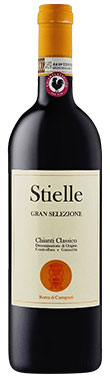
Rocca di Castagnoli is one of Chianti Classico's historic properties. It once belonged to the Baron Ricasoli empire, for example, and this Gran Selezione is crafted from a site that was planted to vines at least as long ago as 1153. Wafts of vanilla mingle with cherry bark, liquorice root and balsam flowers. Upfront chewy tannins wrap around mellowed fruit while succulent acidity ups the ante. Flavours are ready but the structure needs time.
2016
Rocca di CastagnoliChianti Classico
Istine, Vigna Istine, Chianti Classico, Tuscany, Italy, 2017
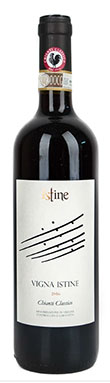
Surrounded by forest, the Istine vineyard is located between the towns of Radda and Castellina. The northwest facing site sits between 480 to 550 metres and is very rocky with a mixture of alberese, galestro and quartz. It offers a captivating fusion of raspberry, cherry and mint with earthy truffle nuances. The palate is tangy and buoyant introducing hints of orange peel and pomegranate. Fine-framed tannins contain the whole. While beautifully expressive now, this will continue to refine over the next decade or so.
2017
IstineChianti Classico
Castell’in Villa, Chianti Classico, Tuscany, Italy, 2015
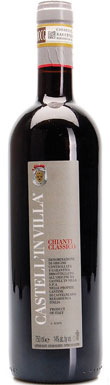
Castell'in Villa was originally purchased as a weekend retreat in 1968. An avid gardener and talented taster, proprietress Princess Coralia Pignatelli della Leonessa has been crafting singular Chianti Classico ever since. She holds her wine back a few years and has just released the 2015. It has a bit more weight to it than previous vintages but the unfussy, traditional style is unwavering. Notes of terracotta, chamomile, baked herbs, flint and underbrush lead to a dusty fruit core and chalky tannins cling to the palate. It is an introspective wine, though not austere, and will express itself slowly over the next decade or so.
2015
Castell’in VillaChianti Classico
Poggerino, Bugialla, Chianti Classico, Tuscany, Italy, 2017
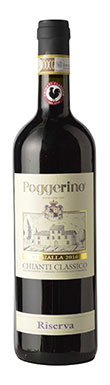
Piero Lanza's Poggerino is a hot bed of investigation in how various clones of Sangiovese react to the Radda terroir, and delivering fantastic fruit evidenced by the cru 'Bugialla'. Fermented in concrete tanks, kept on the skins for a month and then aged in large oak casks, displays substance of tangy fruit and sculpted tannins that gain traction on a long finish. It will easily age for a decade or more.
2017
PoggerinoChianti Classico
I Fabbri, Chianti Classico, Tuscany, Italy, 2016
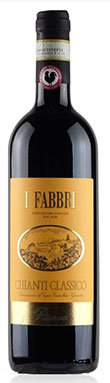
Sourced from Susanna Grassi's oldest plantings, at 550 metres in the cool reaches of Lamole. While past bottlings have included a pinch of Canaiolo, the 2016 is Sangiovese in purezza. And it is indeed a lovely, pure expression. Spring blossoms, white pepper, wild cherry and fresh forest floor persist from start to finish. Silky in texture with powdery fine-boned tannin clinging to the palate. A sapid tanginess carries the finish.
2016
I FabbriChianti Classico
Val delle Corti, Chianti Classico, Tuscany, Italy, 2016
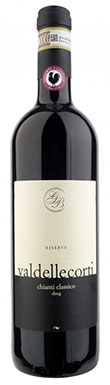
Roberto Bianchi, a former German language translator with no previous knowledge of winemaking, took over the small estate after his father's death in the 1999. Leaning on Sean O'Callagan for advice, recently the estate shot to fame with its elegant, almost cool-climate style of Chianti Classico produced from north-east-facing vineyards. This 100% Sangiovese with a tight, minerally nose and expressive raspberry palate showing great depth as well as vibrancy.
2016
Val delle CortiChianti Classico
Istine, Le Vigne, Chianti Classico, Tuscany, Italy, 2016
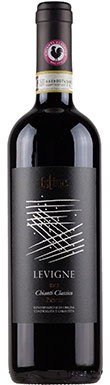
A blend of superlative grapes from three high altitude vineyard sites - Vigna Casanova dell'Aia and Vigna Istine in Radda and Vigna Cavarchione in Gaiole. Rather than being a superior expression to the single vineyard bottlings of these, Istine's Riserva is a panorama of the three. The 2016 is initially discreet in aromas with subtle spring blossom, cherry and flint building in the glass. Iron and balsamic nuances join in on the palate. Shyly seductive and savoury, this allies great depth of fruit and clayey tannins with Sangiovese's fabulous lightness of being.
2016
IstineChianti Classico
Fèlsina, Rancia, Chianti Classico, Tuscany, Italy, 2017
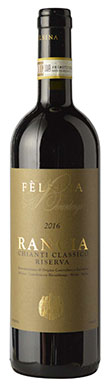
In 2017, Giovanni Poggiali describes the work in the vineyard as focused on the vines' root system to reduce water stress. Harvest started 15 days earlier than average and at the beginning of September he did a qualitative thinning to get rid of any shrivelled bunches or those showing problems with ripening. Fèlsina's flagship wine, Rancia is still brooding. Plum and tar show up on a backdrop of vanilla and exotic spice. Though fruit is supple, layers of assertive tannins need time to loosen their grip. Appetizingly savoury, this finishes with an intense, irony character.
2017
FèlsinaChianti Classico
Carobbio, Chianti Classico, Tuscany, Italy, 2015
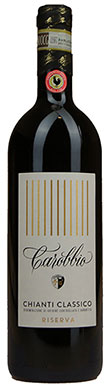
Carobbio's Riserva brings together three specific plots at altitudes ranging from 350 to 420 metres. One sits on galestro, another on compacted limestone called alberese and the third on heavier clay. Each is vinified and aged separately before blending. With a released date of September 2020, the 2015 is still quite closed. Plenty of coaxing brings out liquorice, black cherry and sweet tobacco. Round plush fruit is concentrated on the core and securely fastened by ripe chewy tannin. Oak is integrated lending subtle spice and sandalwood nuances to the finish. Needs time to fully express.
2015
CarobbioChianti Classico
Fontodi, Chianti Classico, Tuscany, Italy, 2017
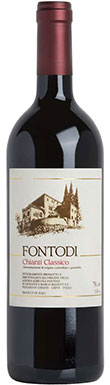
April's frost resulted in less productive vines. Giovanni Manetti saw this as an advantage in the drought-like conditions of summer. He explains that with fewer grapes, the vines suffered less stress and were able to continue ripening without shutting down. Initial scents of baked clay and dry earth make way for mint blossom and cherry. Clingy, muscular tannins wrap around dusty fruit with nuances of rust and cinnamon poking through and the acidity is remarkably racy and ripe.
2017
FontodiChianti Classico
Istine, Vigna Casanova dell'Aia, Chianti Classico, Tuscany, Italy, 2017
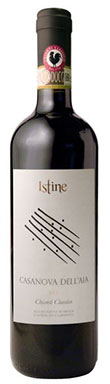
Istine's single vineyard bottlings are a delicious study in Chianti Classico's diverse terroir. Close to the town of Radda, Casanova dell'Aia is the Fronti family's historical vineyard but was replanted between 2014 to 2018. It is characterised by a warm southwest exposure at a cool 500 metres in altitude. The soil is predominantly hard, limestone-like alberese soil with clay. Scents of heady violets, lavender and pepper join crunchy ripe red currant on the trim and willowy palate. Light weight but self-assured, this rings out with brilliant transparency right through to the long piercing finish.
2017
IstineChianti Classico
Jurij Fiore e Figlia, Porcacciamiseria, Chianti Classico, Tuscany, Italy, 2017
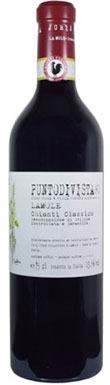
Besides managing his father's Poggio Scalette estate, Jurij Fiore started a new project with his daughter Sara in 2015. Together they craft microscopic quantities from 1.8 hectares in the area of Lamole. Porcacciamiseria comes from 70-year-old vines (Sangiovese with Colorino, Canaiolo Nero and other native grapes) grown at 645 metres. Pungently aromatic, this bursts with a bouquet of spring flowers, cherry and red currant. Mid-weight but packed with chalky tannins and a mouth cleansing structure, it is a precise and lively 2017. Finishes with a cranberry tang.
2017
Jurij Fiore e FigliaChianti Classico
Fontodi, Filetta di Lamole, Chianti Classico, Tuscany, Italy, 2017
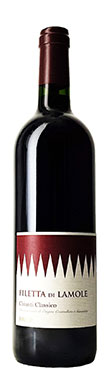
Sitting at 600 metres above sea level and surrounded by forest, Fontodi's vineyards in the area of Lamole are much cooler than the estate's holdings in Panzano. Even in 2017, harvest didn't begin until October. It emerges from it shell slowly then offers an exquisite bouquet of fresh flowers and herbs. There is great focus here and an invigorating backbone of acidity piercing through dark currants. At the moment, tannins are still firm and imposing. Give this another year in the bottle.
2017
FontodiChianti Classico
Castello di Bossi, Chianti Classico, Tuscany, Italy, 2016
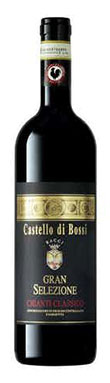
Marco Bacci has owned this expansive Castelnuovo Berardenga property since 1998 and has significantly increased the Gran Selezione production since the inaugural 2013 vintage - from 10,000 to 50,000 bottles. The 2016 release is robust and big-boned but with a savoury and mellow personality. It is dominated by intriguing nuances of mushroom, spice and blood. Firm tannins keep the soft fruit in check while measured acidity injects vibrancy. Some warming alcohol on finish.
2016
Castello di BossiChianti Classico
San Leonino, Salivolpe, Chianti Classico, Tuscany, Italy, 2016
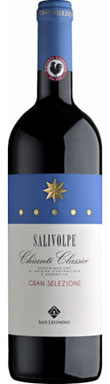
One of Bertani Domains' six estates in Italy, San Leonino is located in the southern reaches of Castellina-in-Chianti. Rather than a single vineyard, the Gran Selezione is crafted from selected grapes coming from the highest vineyard sites. It is quite a charmer. Bright and well-defined showing pretty cherry and red plum underscored by white pepper and mint blossom. A full charged of fruit is backed by polished, fine-boned tannins. It won't be a long ager but will give plenty of pleasure with its delicious purity.
2016
San LeoninoChianti Classico
Castello di Volpaia, Il Puro, Chianti Classico, Tuscany, Italy, 2016
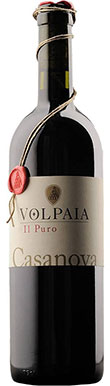
Puro' refers not just to the fact that this is made from 100% Sangiovese, but also that the vines represent 25 clones native to the area of Volpaia. They are grown in a small plot of the estate's south facing Casanova vineyard. Aged in 100% new French barriques, this leads with freshly ground coffee and sandalwood then reveals licorice, lavender and red cherry. The palate is sophisticated and smooth with fine svelte tannins and a racy core.
2016
Castello di VolpaiaChianti Classico
Carobbio, Chianti Classico, Tuscany, Italy, 2016
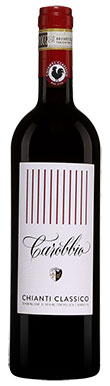
Owned by Piemontese Carlo Novarese, Carobbio is tucked away amid forest and olive groves in the hills of Panzano. Since coming onboard to manage the property in 2013, Dario Faccin has increased the vineyards from 8 to 15 hectares, planting with diverse clones to match the estate's varied soils. This is a subtle wine that demands some time and attention. It slowly reveals a tangle of thyme flower, fennel, tarragon and ginestra. With a vertical expression on the palate, tannins are up front but refined wrapping around trim, dusty fruit. Tangy and long on the finish.
2016
CarobbioChianti Classico
Castello Monterinaldi, Vigneto Boscone, Chianti Classico, Tuscany, Italy, 2016
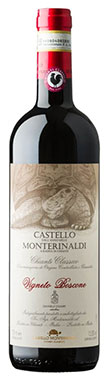
The second vintage of this wine, Vigneto Boscone hails from a single vineyard planted in 1988. At over 400 metres, it is the highest plot on the estate and the soil is very rich in limestone. Fermented and aged in cement vats, this offers lovely purity. Crunchy woodland berries and fresh cut lavender are wrapped in moist earth. Vibrant and mid-weight, it cleanses the palate with ripe pliable fruit tannin. Only 3,200 bottles produced.
2016
Castello MonterinaldiChianti Classico
Badia a Coltibuono, Chianti Classico, Riserva, Tuscany, Italy, 2016
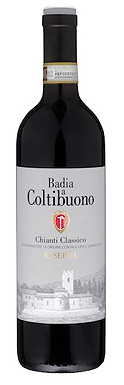
Badia a Coltibuono traces its history back to the 11th century when Vallombrosian monks founded the abbey and started planting the area's first vineyards. The Stucchi Prinetti family who now own the property have bottles of Riserva dating back to 1937. Rounded out with a dollop of Canaiolo Nero, Ciliegiolo and Colorino, it is uncluttered by oak nuances. Accented by strawberry, juniper and tarragon, it glides smoothly across the palate with tame, chalky tannins and dusty black cherry on the finish. Accessible now, this has in bones to age gracefully over the next decade. I always appreciate the steadfast, recognisable personality of Coltibuono's elegant Riserva.
2016
Badia a ColtibuonoChianti Classico
Le Cinciole, Chianti Classico, Tuscany, Italy, 2016
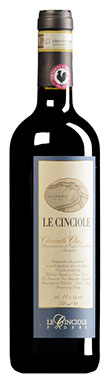
In 1991 Luca and Valeria Orsini left their jobs in Milan to make wine in Tuscany. Their estate includes 10 hectares of southeast facing vineyards in Panzano and the wines have been certified organic from 2000. A standout 2016 annata, this is discreet with understated scents of cherry blossom, heather and rose. The palate is decidedly red fruited with currants and raspberry embraced by finely textured, powdery persistent tannins. It has beautiful energy and above all allows Sangiovese's true charms to shine through.
2016
Le CincioleChianti Classico
Castagnoli, Terrazze Riserva, Chianti Classico, Tuscany, Italy, 2017
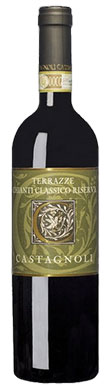
Castagnoli's 2017 Riserva is a painstaking selection including multiple passages to avoid harvesting any dried but unripe grapes. In some parcels, they picked bunches on the exposed southern side of the row first, leaving the higher quality grapes on the north side to continue ripening. Restrained mocha, cinnamon and toast compliment ripe red berries. Mid-weight, crisp and unforced this builds slowly with compact fruit sneaking up and leading to a powerful finish.
2017
CastagnoliChianti Classico
