
My dream dozen: Italian whites


See Tom Hyland's 12 all-time favourite dry white wines from across Italy, an eclectic collection offering abundant regional character and cellaring potential. Available exclusively to Decanter Premium members.
Tom Hyland’s top 12 Italian whites
Scroll down to see the ratings and tasting notes, available exclusively for Premium members
For decades Italy’s white wines offered little in terms of structure or complexity; their role was that of an aperitif or as a partner with lighter cuisine. Thankfully, over the past 15 to 20 years, dedicated vintners from Alto Adige to Campania and several regions in between have been crafting stellar whites that have broadened the focus of Italian viticulture.
According to Roberto Giuliani, a leading Italian wine journalist, this shift started with a change of mindset by producers. ‘In recent years many white wines capable of ageing have been created – until recently, it was only red wines that enjoyed this quality. Now wine lovers are changing their perceptions and starting to buy not only approachable whites for early drinking, but also whites to cellar and drink with some age,’ he says.
These personal favourites illustrate this upward trajectory in quality and complexity, spanning a range of varieties, regions and price points.
Article continues below wine reviews.
See the tasting notes and ratings
More about the producers and their wines
Vigne Marina Coppi
Fausto, Colli Tortonesi, Piedmont
First vintage 2007
Variety 100% Timorasso
Average annual production 6,500 bottles
‘Why are you journalists so interested in a wine with such limited production?’ owner and winemaker Francesco Bellocchio asked during my recent visit to his property. Given the quality and unique nature of his Timorasso, he must have known the answer, as it is a white that is much greater than the sum of its parts.
Named for Bellocchio’s grandfather Fausto Coppi, a champion cyclist from this area during the 1940s and ’50s, the wine combines high acidity and great richness on the palate with notable persistence and minerality; it is highly reminiscent of a premier cru or grand cru Chablis. It also evolves beautifully over time; Bellocchio recommends cellaring this wine, and drinking it when it reaches eight to 10 years old. If only any of us could wait that long!
Cantina Tramin
Nussbaumer, Alto Adige
First vintage 1990
Variety 100% Gewürztraminer
Average annual production 65,000 bottles

Is there another grape variety with as pretty an aromatic profile as Gewürztraminer? Offering perfumes of roses, with notes of lychee, grapefruit and even a hint of lanolin, a beautifully rendered Gewürz is like no other white wine. The grape’s name – literally ‘spicy one from Tramin’ – is apt, as the small town of Tramin is home to several excellent examples.
Cantina Tramin, one of the region’s finest cooperatives, produces this special bottling, Nussbaumer, every year, and it stands out, not only for its varietal purity – which is unparalleled – but also for its complexity and persistence. Other local examples may be weightier or more floral, but the Nussbaumer is distinguished year after year by its overall harmony and finesse – as well as that characteristic sensation of spice on the finish.
Cantina Terlano
Vorberg Pinot Bianco Riserva
First vintage 1993
Variety 100% Pinot Bianco
Average annual production 55,000 bottles
While most examples of Pinot Bianco from Alto Adige are tasty, straightforward, steel-aged wines, the Vorberg Riserva takes things up a notch or two, as the cooperative sources high-elevation fruit (450m-950m) and matures the wine in large oak barrels. There is abundant spice, and – while the acidity is a touch lower than usual with this variety due to the later harvest – the richness on the palate and balance give it a multi-dimensional character not often found with Pinot Bianco. Best of all, this is an inspired partner for a wide variety of foods, from river fish to roast veal.
Emidio Pepe
Trebbiano, Abruzzo

First vintage 1964
Variety 100% Trebbiano d’Abruzzo
Average annual production 35,000 bottles
Sometimes, it’s best not to mess with tradition, and this wine is a hallmark example. Crushing of the Trebbiano grapes at this winery is done by foot, just as founder Emidio Pepe has always believed necessary. ‘Nonno [grandfather] thinks this allows a constant stimulation of the skins with the juice, which releases a lot of texture and flavour for the wine that otherwise we would have lost,’ says general manager Chiara De Iulis Pepe.
This is distinctive; as it is not filtered, the wine has a cloudy appearance in the glass. Chiara also notes the ‘austerity and sharpness of a young Trebbiano’; clearly this is a wine that needs time to evolve. The acidity of the Trebbiano grape combined with the painstaking care of the Pepe family guarantee a white with great cellaring potential.
Falkenstein
Riesling, Val Venosta, Alto Adige
First vintage 1995
Variety 100% Riesling
Average annual production 40,000 bottles
While Riesling is not the first white variety you associate with Italy, there are some notable versions produced in the north. Among the most distinctive is that of Falkenstein in Val Venosta, not far from the Swiss border. This is an area ideally suited to the variety, as owner and winemaker Franz Pratzner will tell you, given the steepness of the hills along with the clay, slate and sandy soils. He compares this spot to the Wachau in Austria.
Pratzner, a former apple producer, transitioned to grape varieties about 30 years ago. He ferments his Riesling in large acacia casks, and then ages the wine on its lees for 10 months in those same casks, lending a singular edge to the final wine. Sleek and understated, it compares favourably to other great Rieslings around the world, yet it has its own unique charms.
Pieropan
Soave Classico, Veneto

First vintage 1890s
Varieties 85% Garganega, 15% Trebbiano di Soave
Average annual production 330,000 bottles
I was ready to select either of this legendary firm’s single-vineyard La Rocca or Calvarino offerings for the list, but I settled on its entry-level Soave Classico for several reasons. First, this is a wonderful version of Soave, produced from hillside vineyards of volcanic soils in the Classico area of this production zone; anyone looking for a typical expression of Soave should try this wine.
Also, it’s fantastic value, comparing favourably with more expensive wines from neighbouring estates; plus it’s as consistent a Soave Classico as there is. Leonildo Pieropan blends Trebbiano di Soave with Garganega, a long-time tradition of this area; this results in a wine of impressive complexity, much more so than the typical entry-level Soave. Always displaying good acidity and freshness, this drinks well for three to five years after the vintage.
Livio Felluga
Terre Alte, Rosazzo, Friuli
First vintage 1981
Varieties 50% Friulano, 25% Pinot Bianco,
25% Sauvignon Blanc
Average annual production 35,000 bottles
Terre Alte is arguably Italy’s most famous white wine. While premium blends of three or more white varieties have become more common in Friuli, no other producer has been able to make such a dazzling example as this. Winemaker Andrea Felluga states that the aim was ‘to create a wine that could stand comparison with the great whites of the world; a wine that would be able to sustain a long ageing process, thus acquiring a complex bouquet of tertiary aromas.’
He explains that the dedicated Terre Alte vineyards in Rosazzo carry the experience of 60 vintages; his winemaking approach, in his words, ‘is limited to bringing out such potential, resulting in an elegant, complex wine, capable of long ageing.’ After tasting a few vintages of this wine, you can understand why Felluga poetically labels Terre Alte as ‘an emotion that flares intensely and grows stronger over the years’.
Cantine Lunae Bosoni
Etichetta Nera Vermentino, Colli di Luni, Liguria
First vintage 1994
Variety 100% Vermentino
Average annual production 55,000 bottles

There’s a great sexiness to a well-made Vermentino, especially when it originates from hillside vineyards near the sea in Liguria. There’s a sleekness as it glides across your palate along with a generous embrace of acidity – a trademark of the variety – that is very alluring. Then there are those enticing perfumes of white flowers and tropical fruit that caress you from the start.
Cantine Lunae Bosoni produces two Vermentinos, with this Etichetta Nera (black label) being more expressive than the Etichetta Grigia (grey label); the former is sourced from higher elevations with clay soils, as opposed to valley floor plantings with sandy soils. Cold maceration of the grapes for as long as 48 hours before pressing helps preserve the exotic aromas of the Etichetta Nera, while a few months on the lees adds complexity; it is unoaked too – all the better to capture the essence of the Vermentino variety, in all its Ligurian glamour.
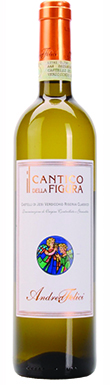
Andrea Felici
Il Cantico della Figura, Verdicchio dei Castelli di Jesi Riserva, Marche
First vintage 2003
Variety 100% Verdicchio
Average annual production 10,000 bottles

While there are many candidates for Italy’s finest white variety, there is little argument that Verdicchio is the country’s most underappreciated. Planted in two main zones in Marche, Verdicchio offers great complexity and subtlety, and ages as well as any Italian white wine. This wine, from the Verdicchio dei Castelli di Jesi denomination, is a thing of beauty.
Sourced from a visually stunning, organically farmed vineyard with vines of 50 years and over, the grapes are fermented on their skins in cement tanks, then aged in cement before bottling. The result is a wine of great purity, harmony and finesse. In the space of only a decade, Leopardo Felici has delivered one of the great examples of Verdicchio, and one of the country’s most sublime wines.
Pietracupa
Greco di Tufo, Campania
First vintage 1992
Variety 100% Greco
Average annual production 20,000 bottles
If I had to choose my favourite Italian white wine, year in and year out, it would be this. Proprietor and winemaker Sabino Loffredo is esteemed by every wine producer in Campania, both for his good-natured personality and his principled work in his tiny cellar. A first-rate Greco from Campania’s Irpinia province generally displays distinct minerality – the Pietracupa is textbook in that regard – but it is the impressive depth of fruit and persistence that sets this wine apart. Combine that with lively acidity, outstanding complexity and remarkable varietal purity – ageing only in steel tanks – and you have a superior white wine that drinks beautifully for more than a decade in the finest vintages.
Villa Matilde
Falerno del Massico, Campania
First vintage 1975
Variety 100% Falanghina
Average annual production 70,000 bottles
Falanghina is planted in all five provinces of Campania, but few winemakers treat it as seriously as Salvatore Avallone at his Villa Matilde estate in Cellole, about 80km north of Naples. This is the Falerno del Massico denomination, the birthplace of Falanghina, as planted by the Romans more than 2,000 years ago. It’s a perfect site for the variety, given the mixture of volcanic and tufo soils, along with breezes from the nearby Mediterranean that combine to produce a wine of great character. Five separate Falanghina clones are used (there are 40 in all on the property); steel-ageing emphasises the exotic fruit perfumes. Avallone crafts more intense versions of Falanghina, but none as delicious as this.
Planeta
Cometa, Menfi, Sicily
First vintage 2000
Variety 100% Fiano
Average annual production 60,000 bottles

Fiano is an ancient variety planted in several southern Italian regions – most notably Campania, where Fiano di Avellino is its most famous expression. Yet the finest example may just be the Cometa from Planeta in Sicily; it is certainly one of the most delicious. The wine is produced from vineyards in the far southwestern Menfi district; soils are a mixture of limestone and chalk, and rain is abundant, making this a choice area for white varieties.
Initially the wine was given oak treatment, but after six vintages Alessio Planeta decided to ferment and mature the wine solely in steel tanks. This has led to a more focused wine, especially the aromas, which
highlight dynamic floral notes. The texture is especially notable, as this is a palate-filling white.
Tom Hyland is a Chicago-based author and educator specialising in Italian wines.
Vigne Marina Coppi, Fausto, Piedmont, Italy, 2013
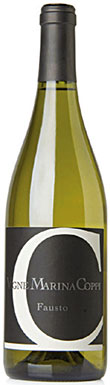

A dynamic version of the indigenous Timorasso variety. Pear, lemon oil and hibiscus aromas; powerful mid-palate, robust texture; lengthy finish with distinct minerality. Steel tank-fermented...
2013
Vigne Marina Coppi

Cantina Terlano, Vorberg Pinot Bianco Riserva, Trentino-Alto Adige, Italy, 2014
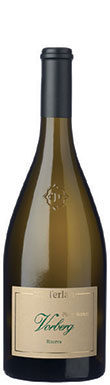
Alto Adige’s everyday variety is given a serious treatment here; high-altitude vineyards; ageing in large barrels; beautiful texture and spice; expressive quince, saffron and white...
2014
Cantina Terlano
Falkenstein, Riesling, Val Venosta, Trentino-Alto Adige, Italy, 2014
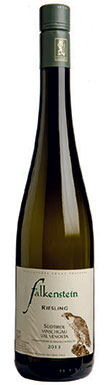
From far-northern Alto Adige, this is a Riesling of great harmony and suppleness, ideally ripe with intriguing aromas of apricot and bok choy. Slate soils...
2014
Falkenstein
Livio Felluga, Terre Alte, Rosazzo, Friuli Venezia Giulia, Italy, 2015
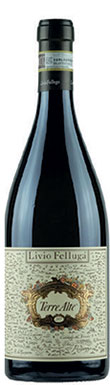
Signature wine from a legendary Friulian producer. It’s a blend of Friulano, Pinot Bianco and Sauvignon grapes, showing tremendous weight and persistence. Herbal notes of...
2015
Livio Felluga
Cantine Lunae Bosoni, Etichetta Nera Vermentino, Colli di Luni, Liguria, Italy, 2016
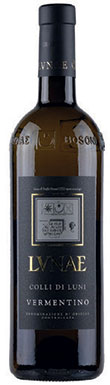
Sexy, sleek Vermentino; a selection of the best fruit from hillside vineyards in Liguria. Enticing grapefruit, orange blossom and yellow peach aromas. Great finesse and...
2016
Cantine Lunae Bosoni
Andrea Felici, Il Cantico della Figura, Verdicchio dei Castelli di Jesi, Classico, Marche, Le Marche, Italy, 2011
93
Leo Felici is a Verdicchio perfectionist and it shows. Cement fermented and aged, this has outstanding varietal purity, lively acidity and exceptional length.
2011
Andrea FeliciVerdicchio dei Castelli di Jesi
Emidio Pepe, Trebbiano d’Abruzzo, Abruzzo, Italy, 2013
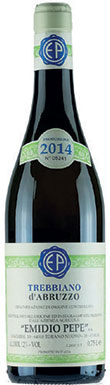
Sublime, very distinctive white, with ethereal texture, ripe tropical and citrus fruit and lively acidity. Needs time to round out and show its complexities; best...
2013
Emidio PepeTrebbiano d’Abruzzo
Pietracupa, Greco di Tufo, Campania, Italy, 2015
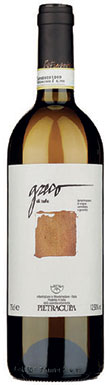
Textbook Greco: lemon zest, melon, white flower perfumes; outstanding complexity and persistence, and striking minerality. One of Italy’s finest white wines, every vintage; 2015 was...
2015
PietracupaGreco di Tufo
Villa Matilde, Falerno del Massico, Campania, Italy, 2016
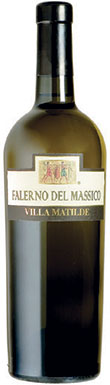
From one of the birthplaces of Italian wine in northern Campania; this offers ripe tropical fruit aromas of banana, melon and pineapple on the nose....
2016
Villa Matilde
Planeta, Cometa, Menfi, Sicily, Italy, 2016
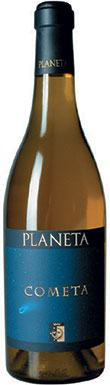
Lush style of Fiano from southwest Sicily; no use of oak. White peach, honeysuckle and apricot aromas. Superb varietal character, superb persistence. Mouthfilling and forward...
2016
Planeta
