
English sparkling wine: Panel tasting
A strong performance from Sussex and Hampshire, and many high scores, though winemaking choices and England’s variable weather continue to play a dominant role, as Sylvia Wu and Stephen Skelton MW report...


The verdict
Vintage variation, use of oak and the choice of variety played a more crucial part than regionality in shaping the quality of these new-release English sparkling wines, our experts found. The tasters identified high overall quality among the varied styles and vintages of the 53 wines tasted, with half (26) hitting the mark for Highly Recommended and one achieving Outstanding.
Susie Barrie MW found the wines were generally ‘well-made and attractive, but they hit the Silver spot (90-94 points), as opposed to Gold (95-97pts)’.
Scroll down to see the tasting notes & scores
Though there were some diverse individual scores, all three tasters agreed that the 2014 vintage, which accounted for 14 of the 33 vintage-specific wines tasted, didn’t shine. ‘The wines from what was perceived to be a good vintage, which was early and high in sugar levels, are never as good in sparkling wines, because they don’t have the acidity,’ commented Stephen Skelton MW. According to Freddy Bulmer, ‘muddled’ flavours and ‘a lack of purity and focus’ were the typical deficiencies.
‘Trial and error is part of the learning process for a young wine industry such as England’s’
Climate change has so far been favourable to most English producers, but weather extremes can still be threatening, added Barrie, who also voiced her concerns over the yet-to-be-released 2018 vintage, as it was also a ‘big, warm vintage’, like 2014.
The Champagne grapes dominated the top-scoring wines, although two, from Camel Valley and Three Choirs, were blends containing a considerable proportion of Seyval Blanc. This early-ripening, high-acid hybrid variety thrives in England’s cool climate, though EU regulations do not permit its use in the production of officially designated ‘quality wines’ – a fact which has caused some discontent among English producers.
Nonetheless, Barrie held that in the realm of English sparkling wines, Seyval Blanc may be ‘the one variety that really can go beyond the Champagne varieties and be really successful’. Skelton, however, pointed out that Seyval Blanc doesn’t yet have a place in mainstream English vineyards.
In terms of the origins of the wines, among the 27 scoring 90 pts or more, 11 were from the county of Sussex and five were from Hampshire. However, Skelton deemed that regionality ‘isn’t an obvious indicator of quality in English sparkling wines’.
Oak ageing, on the other hand, did shape the style and quality of several examples – nine wines were specified as having been aged in oak before the second fermentation, with the longest maturation period being nine months. In some of the Chardonnay-dominant wines, Bulmer found the use of oak left ‘obvious’ and ‘less desirable’ marks: ‘It seemed like people were trying a little bit too hard to make a premium wine,’ he said. The Pinot Noir-dominant blends were more harmonious, with ‘a nice layer of toasting’, indicating a better compatibility with oak.
However, trial and error is part of the learning process for a young wine industry such as England’s. Barrie noted the oldest vintage tasted was 2010: ‘That may have been the first wine that this winery made,’ she said.
‘Since then there’s been a decade in which English winemakers have been desperately trying to work out the best thing to do, not only with their terroir and their vines, but how to deal with the conditions of each vintage. Champagne has had hundreds of years to work it out.’
The scores
Wines tasted: 53
Exceptional: 0
Outstanding: 1
Highly recommended: 26
Recommended: 16
Commended: 10
Fair: 0
Poor: 0
Faulty: 0
About English sparkling wine
The seemingly sudden arrival of English sparkling wine on the world stage has been no accident. Stephen Skelton MW reveals the decades of history and hard work that lie behind its success…
Sparkling wines (and ciders) have been produced in England since at least the early 1660s, as papers read to the Royal Society show – and this some years before Dom Pérignon took up his position as ‘cellarar’ at his abbey in France.
In the modern era, the first producer to successfully use Pinot Noir and Chardonnay was New Hall in 1984, from its dry, sheltered coastal vineyards in Essex. It was Nyetimber who, in 1988, began planting the Champagne trio of varieties solely for the production of bottle-fermented sparkling wines, going on to release its first stunningly good vintage, the 1992, in 1996, to start a revolution that continues to this day.

The driver behind the switch of varieties from German crosses to Chardonnay and Pinots was of course climate change. Before the 1990s, natural alcohol levels at harvest were between 5% and 8%, seldom higher. Since 2000, there has rarely been a year when they have been under 10%. In 2018 – admittedly an amazing year for UK growers – still Chardonnay wines were made with 13.5% alcohol, all natural. The rise in both daytime and night-time temperatures, with many more days above 30°C – a temperature which tips varieties such as Chardonnay and the Pinots from ‘marginal’ to ‘possible’ – has changed completely, and hopefully forever, the spectrum of varieties being grown in the UK.
Global standing
Climate change has also meant a huge increase in quality, occasioned by the use in the UK of international varieties – varieties known and loved all over the world – and the switch from making only still wine, to a point where about three-quarters of production is sparkling. And very good sparkling at that. The ability to blend across varieties and regions, the benefits brought about by sur latte bottle ageing (stored horizontally prior to disgorgement) and the wonders of dosage have transformed what winemakers are able to do to their sparkling wines. Sure, there are drawbacks in making sparkling wines – the lower yields, the extra equipment and, most importantly, the additional capital and time required – but long-term, the wait is worth it, as the world-class quality of so many English sparkling wines shows.
English sparkling: The facts
Area under vine: 3,250ha
Number of producers with 0.10ha or more: 735
Varieties: Chardonnay, Pinot Noir and Pinot Meunier comprise 2,194ha (67.5% of total area under vine). In 1990,
Pinot Noir and Chardonnay had only 52ha between them – just 5.7% of the then total vineyard area of 917ha. Müller-Thurgau, Seyval Blanc, Reichensteiner, Bacchus and Schönburger then accounted for 62% but today make up 18% of plantings.
English sparkling: Know your vintages
2018 A totally exceptional year. An early harvest saw yields at 13m bottles (2.5 times the average), with high sugars and balanced acids.
2017 Very hard spring frosts reduced crops in many vineyards. A very early flowering resulted in an early harvest. Good still wines and sparkling wines that will have ageing potential.
2016 Excellent weather from mid-August gave very high natural sugars. Both still and sparkling wines are very good, with sparkling drinking best until 2023.
2015 A frost-free spring and very late flowering. Very good ripening period gave excellent sparkling wines, especially Chardonnay-based, which will repay keeping.
2014 Very good flowering and a warm September and October produced excellent wines, both still and sparkling. Sparkling wines at their best now.
2013 Frost-free spring, but late flowering led to a very late harvest. High acidity at picking produced very long-lived wines, especially Chardonnay-based.
2012 Very poor crop for most growers and very few wines are still available.
2011 Poor flowering and low crop. Sparkling wines best and long-lasting.
Most growers start out by producing vintage wines, wanting to get some return for their investment in vineyards and stock as quickly as possible, and develop non-vintage blends over time. Regionality in sparkling wines does exist, but it tends to be related to the weather conditions of the year, rather than an intrinsic regional character. About 35% of all grapes grown in the UK are traded, therefore wines from, say, the west of the country, may well contain grapes grown in the east. In addition, almost all of the larger producers obtain grapes from more than one county and often more than one region.
Entry criteria: Producers and UK agents were invited to submit their latest-release English sparkling wines (white styles only, vintage or NV) priced at £50 or under
Top 27 English sparkling wines from the panel tasting:
The following wines scored 90 points and above
The judges
Susie Barrie MW
A widely published wine writer, author and broadcaster, Barrie’s credits include more than a decade on BBC1. She has authored several books, including The Essential Guide to English Wine, co-written with her husband Peter Richards MW. Together the pair also co-host the annual Wine Festival Winchester.
Freddy Bulmer
Having worked for two wine merchants in Yorkshire, Bulmer moved to The Wine Society in 2013, working his way up to start as a buyer in early 2017. He is now responsible for buying the Society’s wines from Austria, Eastern Europe, England, Australia and New Zealand, as well as beers and ciders.
Stephen Skelton MW
Skelton is a consultant to the English and Welsh wine industry, wine educator and awarded author. After studying in Germany, in 1977 he established Tenterden Vineyards in Kent, making wine there for 22 years. The DWWA Regional Chair for the UK, his latest book is The Wines of Great Britain (Infinite Ideas, May 2019).
Fairmile Vineyard, Classic Cuvée, England, United Kingdom
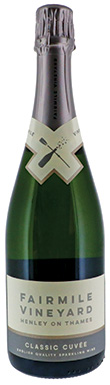

Established in 2011 by local couple Jan and Anthea Mirkowski, Fairmile Vineyard is situated on steep south-facing slopes composed of flinty, chalky marl. 12,000 rootstocks...
Fairmile Vineyard

Hoffmann & Rathbone, Blanc de Blancs Brut, East Sussex, England, United Kingdom, 2011
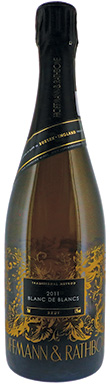
Nice rich nose, showing lovely development of fruit, mouth-wateringly apricot driven. Palate is attractive, mineral and yeasty.
2011
Hoffmann & RathboneEast Sussex
Camel Valley, Reserve Brut, Cornwall, England, United Kingdom, 2015
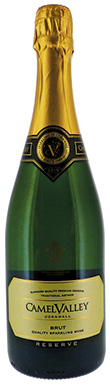
Pure and clean with chalky hints, offering enticing peach and lemon aromas. Fresh, tangy acidity and good concentration of orchard fruit.
2015
Camel ValleyCornwall
Louis Pommery, England Brut, Hampshire, England, United Kingdom
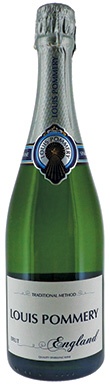
92
Disgorged in November 2022, the latest release of Pommery's English sparkling wine is based on the 2019 vintage, plus 25% reserve wine. Hints of floral perfume open up to a rich, yeasty nose of salted brioche, citrus and green apple peel. Ageing on lees for 30 months with dosage at 9g/l, the wine has a textured palate of green apple zest, white pepper-spiced citrus and crisp acidity (8g/l), revealing a honeyed, yeasty undertone. Elegant yet pleasing.
Louis PommeryHampshire
Lyme Bay Winery, Classic Cuvée, Dorset, England, United Kingdom, 2015
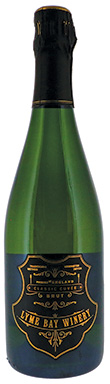
Toasty, broad red fruit driven aromas, with notes of cherry, raspberry and apricot. Full of ripe fruit with good acidity and balance.
2015
Lyme Bay WineryDorset
Ambriel, Classic Cuvée, West Sussex, England, United Kingdom
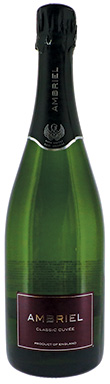
Good complexity on the nose with hints of savoury straw alongside peach fruit. Tangy acidity and vibrant lemon characters, with a zesty feel.
AmbrielWest Sussex
English Oak Vineyard, Wainscot Brut, Dorset, England, United Kingdom, 2014
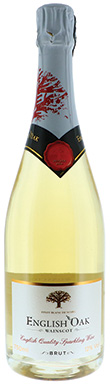
Aromatic nose with lovely tension of fruit and minerality. Fresh and yeasty bruised apple style, leading to a long and powerful finish.
2014
English Oak VineyardDorset
Langham Wine Estate, Classic Cuvée, Dorset, England, United Kingdom
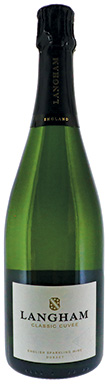
Rich, autolytic nose, with developed truffle and mushroom aromas. Combines lively acidity, savoury freshness and great length.
Langham Wine EstateDorset
Simpsons Wine Estate, Chalklands Classic Cuvée, Kent, England, United Kingdom, 2016
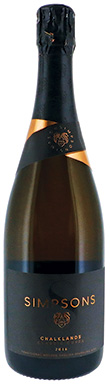
<p>Very bready and savoury aromas, with some notes of fruit cake. Layers of red apple on the palate; stylish and mature.</p>
2016
Simpsons Wine EstateKent
Berry Bros & Rudd, Brut, Hampshire, England, United Kingdom
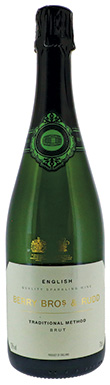
Subtle bready aromas, with hints of apple. Rich, rounded and herbal palate, but with plenty of fruit and autolysis to back it up.
Berry Bros & RuddHampshire
Three Choirs, Classic Cuvée, England, United Kingdom
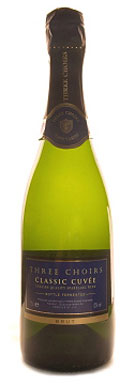
88
This traditional-method bubbly is exceptional value. It's made by one of England’s longest established vineyards, and packs plenty of flavour and palate volume for a very modest price. A blend of Seyval Blanc and Pinot Noir, its flowery nose is reminiscent of meadow buttercups and daisies, while the attractively prickly mousse helps deliver plenty of tart green apple, soft pear and citrus fruit flavours, layered with some hints of toasted nuts from spending 16 months in bottle on the lees.
Three Choirs
Breaky Bottom, Cuvée Reynolds Stone, East Sussex, England, United Kingdom, 2010
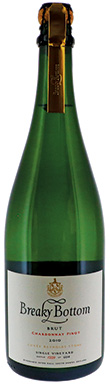
Attractive fruit nose with some developed tertiary aromas. The palate is good, bright and backed by a firm acidity. Attractive and well made.
2010
Breaky BottomEast Sussex
Furleigh Estate, Blanc de Noirs, Dorset, England, United Kingdom, 2014
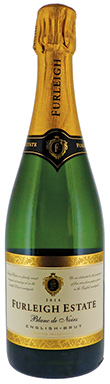
Smokiness on the nose and a pleasant minerality. Rounded and smooth, with ripe fruit and plenty of generosity. Very easy to enjoy.
2014
Furleigh EstateDorset
Henners, Reserve Brut, East Sussex, England, United Kingdom, 2014
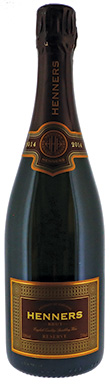
Frothy mousse with aromas of bruised apple and savoury notes. Showing development, as expected, and with a long refined finish.
2014
HennersEast Sussex
Nyetimber, Classic Cuvée, England, United Kingdom
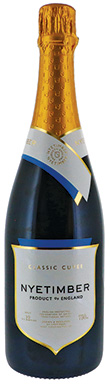
Doughy yeasty nose with a hint of salinity. The palate is soft and fruit-forward with some spice and biscuit notes. Great balance and finish.
Nyetimber
Wiston Estate, Goring Blanc de Blancs Family Release, Sussex, England, United Kingdom
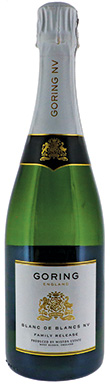
Generous style; rich, nutty and toasty with considerable autolytic character. Full flavoured and creamy, but stylish and with fresh acidity.
Wiston EstateSussex
Ambriel, English Reserve, West Sussex, England, United Kingdom
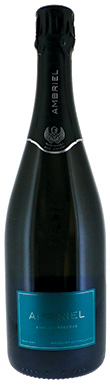
Light peachy aromas with some nice tropical notes. Good fruit shines through on the palate, a well made wine in a sweeter style.
AmbrielWest Sussex
Ashling Park, Sussex, England, United Kingdom
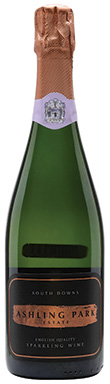
Quite forward, with plenty of fresh fruit on the palate. Lean and crisp with full body and focus. Well made, savoury and stylish.
Ashling ParkSussex
Black Chalk, Classic, Hampshire, England, United Kingdom, 2015
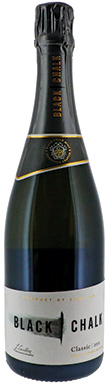
Gently spicy aromas and soft rounded red apple. Combines fresh acidity and a savoury feel. Fine mousse and attractive flavours.
2015
Black ChalkHampshire
Bluebell Vineyard Estates, Hindleap Blanc de Blancs, East Sussex, England, United Kingdom, 2013
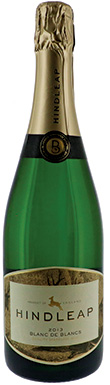
Elegant and restrained, with a chalky minerality and finesse. Full mid-palate, with gentle ripe peach and some bready characters.
2013
Bluebell Vineyard EstatesEast Sussex
Busi-Jacobsohn, Brut, East Sussex, England, United Kingdom, 2017
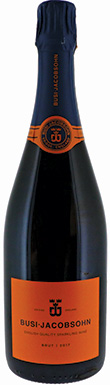
Marmalade, orange fruit, spice and malty biscuit on the nose. Interesting and enjoyable, very well balanced palate full of fruit.
2017
Busi-JacobsohnEast Sussex
Coates & Seely, Brut Reserve, Hampshire, England, United Kingdom
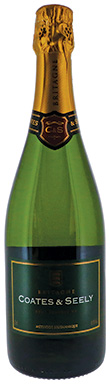
Floral aromas with some crushed strawberry notes and hints of brioche. Refreshing, with crisp acidity and a fine lively mousse.
Coates & SeelyHampshire
Forty Hall Vineyard, Brut, London, England, United Kingdom, 2016
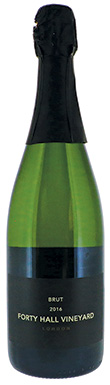
An elegant style, led by bruised apple aromas and flavours. The finish is good, fairly long and develops well. Good fruit definition.
2016
Forty Hall VineyardLondon
Gusbourne Estate, Brut Reserve, Kent, England, United Kingdom, 2015
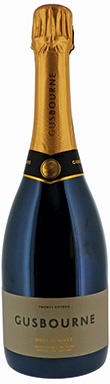
Nice use of oak, adding a layer of toast and savoury character to the nose. Dry and nicely developed, with a rich and generous palate.
2015
Gusbourne EstateKent
Harrow & Hope, Brut Reserve, Buckinghamshire, England, United Kingdom
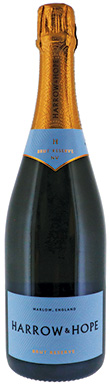
<p>Aromas of peach and yeast, with just a hint of pineapple. Attractive and easy drinking, with lively mousse and fresh fruity finish.</p>
Harrow & HopeBuckinghamshire
Wiston Estate, Cuvée Brut, West Sussex, England, United Kingdom, 2015
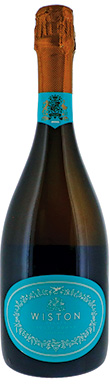
Intensely spicy and oaky, very full on but showing good depth of spiced red apple and cream. Richly textured and creamy.
2015
Wiston EstateWest Sussex
Tinwood Estate, Brut, Sussex, England, United Kingdom, 2017
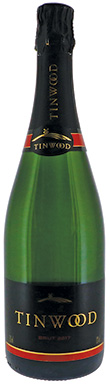
Great nose, combining lemon and lime aromas with a touch of cinnamon spice. Palate is a good mix of fruit and autolysis. Well made.
2017
Tinwood EstateSussex
