
Expert’s choice: Premium Picpoul de Pinet
So much more than a summer apéritif, Picpoul de Pinet is going up in the world. Elizabeth Gabay MW explores the drive for quality and gives us her selection of premium Picpoul de Pinet wines to try.


Picpoul de Pinet’s motto the “sea is our terroir”, refers not only to the maritime influence on the vineyards, but also to the affinity of the wine with seafood. Walk round the port of Marseillan on the Étang de Thau and every harbourside café offers plates of locally-bred oysters and a glass of Picpoul.
While the reputation of this wine, comparable to Muscadet, Sauvignon Blanc or Pinot Grigio, has been successfully promoted by this seafood matching, production has grown fivefold since 1992.
Today, Picpoul de Pinet is the largest white wine producing area in Languedoc, making 85% of Languedoc’s AOP white wine. Over the past thirty years, production of Picpoul de Pinet has risen from 1.7 million bottles in 1985, to 12 million bottles sold globally today.
Over 66% is exported, with the UK the wine’s biggest market. The success of the brand has resulted in producers embracing an initiative for a new premium Picpoul de Pinet, under the “Patience” label, currently being launched.
Scroll down to see tasting notes and scores for 15 premium Picpoul de Pinet wines
With a heritage dating back to the fifteenth century and rarity value, producers of this white wine from the region around the town of Pinet, on the hills north of the Étang de Thau, have a unique character.
Wider recognition came in 1963, when the French government decided to develop this stretch of the Languedoc coast as a tourist destination and Étienne Farras, president of the Pinet Wine Cooperative, recognised the potential to promote the local wine. He convinced the local restaurateurs and bar owners that Picpoul de Pinet was a perfect match for the local seafood.
In 1985 Picpoul de Pinet was elevated to Coteaux du Languedoc AOC and in 1992 was granted the denomination Coteaux du Languedoc Picpoul de Pinet AOP. In 1994 the producers’ association launched their bouteille syndicale, called Neptune, to successfully establish their visual identity; today 9 out of 10 wines use it.
The flute shaped bottle’s design reflects the region’s identity with the Via Domitia (which crosses the appellation) indicated by a Doric column pedestal around the base; the sea illustrated by a wave around the neck, and roots by the cross of Languedoc and the name “Picpoul de Pinet”.
Over the past thirty years, since its entry into the appellation system, producers have worked on increasing the quality of the wine. Piquepoul is notoriously difficult to harvest, with grapes easily falling from the bunches, and prone to oxidation.
The advent of machine harvesting allowed the grapes to be picked quickly, at night for balanced fruit and freshness. Quality was further improved with gentle pressing, cool fermentation in tank and early bottling, with an added sparge of CO2 to retain maximum freshness.
The resulting wine’s crisp acidity, alongside fresh apple fruit and herbal notes, is perfect for summer drinking.
In 2013 the wine achieved its own appellation, and with this new elevated status, producers looked to broaden their market and aim for premium resellers and top-end restaurants. Guy Bascou, who had led the producers’ association since the late 1990s, had already set in motion plans for a premium Picpoul wine. This prestige version was originally planned for 2018 with the 2017 vintage, however, how to make a premium Picpoul caused considerable debate and stalled the introduction.
In 2019 Claude Jourdan of Domaine Félines Jourdan commented that initial attempts at creating an oaked version were rejected by most producers who felt the oak dominated. The Patience Charter was created in 2019 as a collaborative effort involving all the winemakers, with guidelines set up to achieve a complex wine, capable of ageing, without losing the essential attractive Piquepoul character. Patience wines have to be selected by committee, before they are allowed to carry the Patience label.
Together producers identified various wine making methods, which together help create a premium wine. Site selection, including single parcels, slightly later harvesting, selection of the best juice from the press and a minimum of six months on the lees – with or without lees stirring.
The freshness of the variety allows for the character of site selection to be evident. Tasting notes point to wines from the warmer, drier sites further inland having rich, scented lemon or floral notes such as the wines from Domaine Villa Noria, Domaine Villa Lauriers and Domaine Reine Juliette compared to the saline freshness of wines from sites closer to the sea such as Domaine Félines Jourdan and Château de Pinet.
The landscape provides further complexity. While the soil is largely clay and limestone, there are sites with gravel and sand adding another dimension. Limestone soils give greater minerality. Rolling hills offer differing exposures and pine forests and garrigue scrubland alternate with the vines.
Initially producers all aimed for relatively early harvest dates to ensure the crisp fresh acidity, but by using different harvest dates, incorporating earlier-harvested grapes for greater acidity and later harvest for richer, they were able to create more intense wines with different fruit profiles.
Producers such as Domaine Gaujal for their 1744 and Les Vignerons de Florensac for their Sélection, harvest in late September (around 14% abv), a week after the normal harvest (around 12% abv). Stéphane Roques, director of Florensac explained that for later-harvest wines, canopy management was vital to preserve the fruit’s acidity.
Most producers use temperature-controlled tanks, but a few are looking at cement tanks for either fermentation or ageing. Producers decided to avoid strong oak characters in the Patience wines which mask the Piquepoul character. Winemakers are also testing different storage methods for their maturation, such as stainless-steel tanks, concrete tanks, amphorae and barrels. Villa Noria are hoping to have their first Patience wine in 2023 and are experimenting with lees ageing, acacia barrels and ageing bottles in the Étang de Thau. Gaujal’s 1744 is also aged in acacia. Jarres, which are less porous than terracotta and better at avoiding oxidation, are starting to make an appearance.
The first was at Domaine La Croix Gratiot, with a few more launched during the 2021 vintage. Domaine de Belle Mare is releasing their new Patience wine in the autumn of 2022 with 1,200 bottles, aged in jarre on the lees. Tests are showing that ageing in jarre produces a wine with greater roundness and body compared to wines aged in tank. Florensac’s Sélection goes through cold stabulation before ageing on the lees with battonage for a year. Roques said the response to the older vintages now being offered, especially the 2018 shown at trade fairs in 2022, has been enthusiastic, especially from restaurants.
Not all premium wines are sold with the Patience label, but many are creating complex wines with greater concentration and showing the ability to age well. The new label “Patience” will eventually come in its own dark glass syndical bottle. Jourdan summed up the vision of the appellation, ‘To position themselves among the great white wines of the Languedoc’, and the reason behind the name Patience – patience to work on the Charter and patience to allow the wines to develop. There is certainly tangible excitement amongst the producers with the potential for this variety.
See tasting notes and scores for 15 premium Picpoul de Pinet wines
Related articles
- Great value wines from Occitanie
- Andrew Jefford: ‘Arresting and generous, but without vulgarity or excess’
- Picpoul de Pinet wines: Eight to try this summer
Domaine Villa Noria, La Serre, Picpoul de Pinet, Languedoc-Roussillon, France, 2020
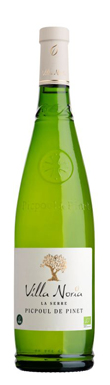

Aromas of garrigue and honey. On the palate, rich, complex lemon marmalade with power and honeyed acidity developing herbal and dark, intense, ripe fruit with...
2020
Domaine Villa NoriaPicpoul de Pinet

Les Vignerons de Florensac, Sélection, Picpoul de Pinet, Languedoc-Roussillon, France, 2020
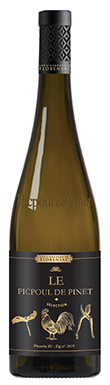
Lees ageing for 10 months gives this Patience wine greater richness. Ripe leesy aromas leads on to a serious, honeyed wine. Long fresh sweet pomelo...
2020
Les Vignerons de FlorensacPicpoul de Pinet
Domaine des Lauriers, Picpoul de Pinet, Languedoc-Roussillon, France, 2021
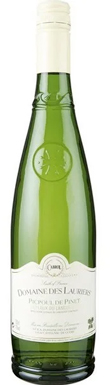
Red clay in the soil gives slightly more weight. Marzipan sweet almond aromas. On the palate, apples, scented pears, ripe apricots and cinnamon spice while...
2021
Domaine des LauriersPicpoul de Pinet
Mas St-Laurent, La Ginestet, Picpoul de Pinet, Languedoc-Roussillon, France, 2018
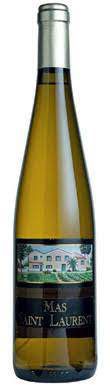
From a site close to the Etang de Thau, this wine is still showing youthful freshness. Slightly herbal notes on the nose. Honeyed fruit with...
2018
Mas St-LaurentPicpoul de Pinet
Savary de Beauregard, Picpoul de Pinet, Languedoc-Roussillon, France, 2021
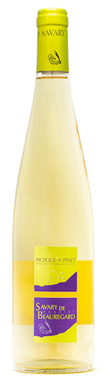
Delicate saline, peach aromas with hints of white blossom and red apples. Peaches and blossom continues on the palate with sweet ripeness and hints of...
2021
Savary de BeauregardPicpoul de Pinet
Domaine Félines Jourdan, Féline, Picpoul de Pinet, Languedoc-Roussillon, France, 2019
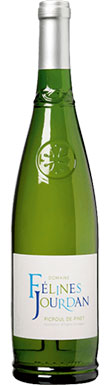
This Patience wine uses site selection with grapes from the Félines parcel, cooled by proximity to the Etang de Thau and benefitting from maximum maritime...
2019
Domaine Félines JourdanPicpoul de Pinet
Château St Martin de la Garrigue, Picpoul de Pinet, Languedoc-Roussillon, France, 2021
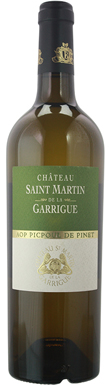
Riper fruit and from sandier soils, this wine has intense candied lemon aromas. Candied lemon continues on the palate with softly ripe sour lemons giving...
2021
Château St Martin de la GarriguePicpoul de Pinet
Cave de L'Ormarine, Picpoul de Pinet, Languedoc-Roussillon, France, 2020
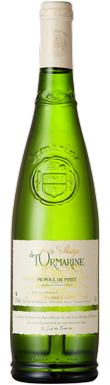
Herbal garrigue aromas. The fruit is weighty, with crunchy green apples, ripe green plums and fresh nut concentration, with a hint of smokey minerality and...
2020
Cave de L'OrmarinePicpoul de Pinet
Domaine Delsol, Réserve, Picpoul de Pinet, Languedoc-Roussillon, France, 2019
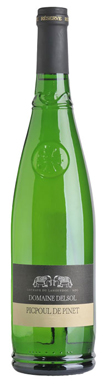
Very ripe creamy fruit aromas, reminiscent of Chardonnay. On the palate crisp neutral, green almonds, mineral, crunchy green apples, saline minerality with a fine petillance....
2019
Domaine DelsolPicpoul de Pinet
Domaine La Grangette, Poule de Pic, Picpoul de Pinet, Languedoc-Roussillon, France, 2021
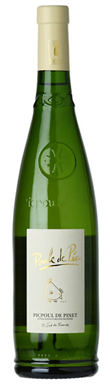
Limestone soils, lower yields and fermentation in cement tanks gives some pretty complexity. White floral blossom with notes of exotic fruit aromas. On the palate,...
2021
Domaine La GrangettePicpoul de Pinet
Domaine Gaujal, Le 1744, Picpoul de Pinet, Languedoc-Roussillon, France, 2019
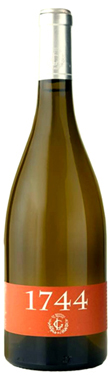
Later harvesting followed by six months in acacia and oak demi muid barrels gives subtle complexity without dominating the fruit. Candied lemons aromas continue on...
2019
Domaine GaujalPicpoul de Pinet
Domaine Gaujal de St Bon, Cuvée des Dames, Picpoul de Pinet, Languedoc-Roussillon, France, 2020
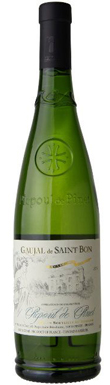
Herbal, garrigue aromas evocative of the scrubland around the vineyards opens up to a complex range of fruit notes with tangy white fruit, perfumed ripe...
2020
Domaine Gaujal de St BonPicpoul de Pinet
Les Costières de Pomerols, BeauVignac HB Chevalier, Picpoul de Pinet, Languedoc-Roussillon, France, 2020
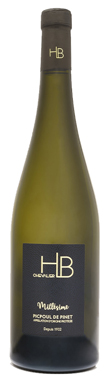
This Patience wine with longer maceration and lees ageing, brings out the intensely perfumed fruit, scented flowers and richness of candied lemon from the nose...
2020
Les Costières de PomerolsPicpoul de Pinet
Domaine Reine Juliette, Picpoul de Pinet, Languedoc-Roussillon, France, 2020
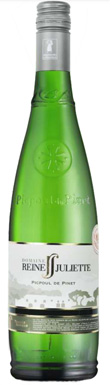
One of the new vintage Patience wines and an example showing that these premium quality wines do not have to be big to be complex....
2020
Domaine Reine JuliettePicpoul de Pinet
Font-Mars, Picpoul de Pinet, Languedoc-Roussillon, France, 2021
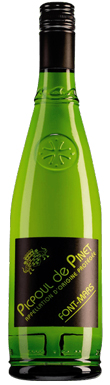
Delicate floral aromas slowly emerge on this youthful, fresh wine, opening up to crunchy apples, with a hint of pippy, bitter almonds, unripe, scented pears...
2021
Font-MarsPicpoul de Pinet
