
Top Greek red wines: Panel tasting results


Greece is producing a diverse range of accessible reds, often using indigenous grape varieties and with a more restrained approach to oak. Read this report on 88 wines tasted by our three-strong expert panel, with an introduction by Nico Manessis, regional chair for Greece and Cyprus at the Decanter World Wine Awards.
88 wines tasted with three rated Outstanding
The panel tasters were: Terry Kandylis, Yiannis Karakasis MW and Nico Manessis
There’s also an abundance of indigenous vines, with over 150 red grapes – most of them hard to pronounce.
Scroll down to see the top wines from this panel tasting
One name to look out for is Agiorgitiko, which makes accessible, warm-fruited wines with a distinctive black cherry character. Produced in a range of styles from young and fruity to more structured, it’s the backbone of vineyards in Nemea in the Peloponnese.
Also in the Peloponnese, Mavrodaphne is enjoying a revival. Originally from the Ionian island of Cephalonia and traditionally made in a sweet style, this grape offers complex aromatics with layers of velvety tannins.
Quick link: View all 92 wines from this panel tasting
In Central Greece winemakers are rediscovering Limniona, a source of light, fragrant reds that are in tune with the current international trend for lighter styles.
In contrast, Mavrotragano makes compact reds with spice and leather notes. It’s another island grape (hailing from the Cyclades) that’s now finding its feet in Central Greece and the northern mainland.
Xinomavro is a late-ripening speciality of Macedonia, producing high-acid, tannic wines in regions such as Naousa, Goumenissa, Aminteo, Siatista and Rapsani. It shows very fine aromatics – and some examples have the potential to age for 20 years or more.
Away from the mainland in the islands, the grape to watch is Mandelari, found on Paros, Santorini, Rhodes and Crete. It makes tannic reds with a firm character, but also blends brilliantly with Cretan specialty Liatiko (usually produced in a sweet style) to make lighter coloured, naturally luscious, bone-dry wines.
Latest trends
Climate change has played a part in the renaissance of these indigenous red grapes, which are often drought resistant, signalling a move away from the popularity of international varieties, formerly planted to help exports either as single-varietals or in blends with native grapes.
In terms of winemaking, the introduction of wholebunch fermentation has been useful with highly tannic grapes such as Xinomavro, resulting in wines with lower alcohol levels that are easier to drink, without compromising on flavour. Thankfully the Greek love affair with oak barriques has had its day, with most progressive wineries now preferring large oak casks, cement tanks or ceramic vessels. As this panel tasting shows, that particular trend needs to continue.
Another head-turning Xinomavro came from a tiny vineyard in cooler-climate Siatista. This region of western Macedonia has previously been a source of great sweet wines, but is being re-energised thanks to its promising potential for making dry wines.
It’s worth mentioning that not all flashpoints are to be found on the mainland though. The Mavrotragano grape shone on the island of Tinos, for example.
Underperforming regions included Nemea, which has the largest vineyard area in Greece and is predominantly planted with the fruity Agiorgitiko grape, marked by its soft tannins. While it was eye-opening to see how well the better-value examples of Agiorgitiko performed in this tasting, many Nemea wines were marred by ‘lack of oak balance’, according to Yiannis Karakasis MW.
Another lacklustre region was Naoussa, where Xinomavro showed dull wines – not usually a trait of this late-ripening variety. ‘Tannin management is the issue,’ observed Terry Kandylis. Crete was also disappointing: Kotsifali and Mandilaria grapes have both shown better results here in the past; even the rising star Liatiko was not on the best form, confirming that even in regions blessed with excellent climatic conditions, vintage variations exist and are significant.
While there were flickers of excitement, no regional styles emerged as such, proving that making top Greek reds is down to specific estates and rare grapes, with the best-farmed sites shining through.
In summary, this tasting showed that Greek red wine is now going through a period of soul-searching and growing-up. The trump card for Greek growers is their distinctive indigenous grapes and a variety of altitudes and soil types in their vineyards. But only if issues of viticulture and winemaking are addressed will the potential for Greek red wines match the current excellence of Greek white wines.
The scores
88 wines tasted
Entry criteria: Producers and UK agents were invited to submit their latest release of two wines made from indigenous Greek grapes, either as single varietals or in a blend. No international grape varieties were accepted for this tasting.
Exceptional 0
Outstanding 2
Highly Recommended 15
Recommended 39
Commended 23
Fair 8
Poor 1
Faulty 0
See all 88 wines from the panel tasting
The results
Lesser-known native varieties stole the limelight in this tasting, but Greece’s reds will only match the quality of its whites if winemaking improves, says Nico Manessis.
This varied tasting across regions and grape varieties proved to be a very mixed offering in terms of quality. While there were several highlights, there were disappointing performances from key regions and signs of below-standard viticulture and winemaking, with some dusty and tired wines that lacked energy and fruit.
Perhaps not surprisingly, the top vineyard sites, often with lesser-known grapes, stole the show – and Mavrodaphne certainly made its mark. The top-scoring Parparoussis Mavrodaphne is a textbook wine, with fine aromatics, ripe fruit, silky smooth tannins and deft use of oak. It also shows brilliant balance, which is a feat in the difficult 2012 vintage.
Similarly the Petrakopoulos Mavrodaphne, made from 100-year-old vines planted on their native island of Cephalonia, shows the potential of this grape, which is now also being cultivated on the slopes of Aigialia on the north shore of the Peloponnese.
The second-highest scorer was a Limniona from an area of Thessaly that’s better known for its Muscat and mass-produced Retsina. In essence this grape is Greece’s answer to Pinot Noir, though its rebirth story is all of 15 years old. An interesting example of Limniona from Thrace, aged in terracotta, also scored highly.
Good examples of the high-acid and long-lived variety Xinomavro came from Amyntaio in Macedonia – an impressive performance from an estate that is all of 12 years old – and Rapsani in Thessaly, showing that this under-revival region may have more surprises in store.
Our tasters each pick their top 3 wines from the tasting:
Terry Kandylis
After studying in Athens, Kandylis moved to the UK and has worked at The Fat Duck, The Ledbury and 67 Pall Mall private members club. He earned the title of Best Sommelier in Greece in 2015 and was the UK Sommelier of the Year in 2016. He has passed the advanced level of the Court of Master Sommeliers exam and is currently preparing for his MS Diploma.
Parparoussis, Taos, Achaia, Peloponnese 2012
A truly unique red from the Western Peloponnese. Has a herbal undertone that makes you wonder if this is the Mediterranean sibling of Cabernet Franc and Mencia. 96/100 Drink 2018-2025
Domaine Zafeirakis, Limniona, Tyrnavos, Thessaly 2015
When I first encountered this domaine, its wines were oaky and modern. This is charming and perfumed, with very good oak integration, that lets the fruit shine. 95 Drink 2019-2025
T-Oinos, Clos Stegasta Mavrotragano, Cyclades, Aegean Islands 2015
Is this the the Greek answer to cult Ribera del Duero or premium Malbec? Shows wonderful balance and layers of complexity. A wine with soul and character. 93 Drink 2019-2025
Yiannis Karakasis MW
Athenian-born Karakasis attended the Hellenic Naval Academy and has 2,000 flying hours with navy helicopters. He retired as a Commander in 2011 to pursue his passion for wine, becoming a Master of Wine in 2015. He writes the blog www.karakasis.mw, consults for TV wine show Gefseis & Oinos and wrote The Vineyards and Wines of Greece 2017.
Parparoussis, Taos, Achaia, Peloponnese 2012
Aromas of laurel and mint around opulent black fruit. Sensual, with plenty of structure yet the tannins are ripe and juicy. A wine of class and character, delivering elegance and precision. 96 Drink 2018-2025
T-Oinos, Clos Stegasta Mavrotragano, Cyclades, Aegean Islands 2015
Perfumed with blueberry, exotic spices and violets. Velvety palate with lovely oak. An impressive Mavrotragano, full of richness, but also elegant with a lingering finish. 93 Drink 2019-2025
Dimopoulos Estate, Xinomavro, Amyndeon, Macedonia 2015
Fascinating nose, with savoury, vegetal and fruity notes. The palate is firm and taut, supported by a dense core of fruit. Terroir-driven, with tension and freshness. 91 Drink 2019-2025
Nico Manessis
Manessis is an expert on the wines of his native Greece and the author of three wine books. He teaches at the College of Crete and the Université du Vin, Suze la Rousse in France. He also publishes www.greekwineworld.com and has recently co-produced an award-winning documentary, Pelican’s Watch about vineyards in Santorini (www.pelicanswatch.gr).
Kikones, Limnio, Ismaros, Thrace 2015
From an artisan estate. Limnio is not the easiest of grapes to farm, so yields are low for this pale, textured red. Shows spice and herbs on the delicate palate. Simply brilliant varietal definition. 90 Drink 2018-2024
Toplou, Liatiko-Mandilari, Lasithi, Crete 2016
From organic vineyards on the windswept soils of Crete. Showcasing a vivid sense of place. Intriguing – it tastes like nothing else. 86 Drink 2018-2021
Diamantis, Xinomavro, Siatista, Macedonia 2016
Vintages are important here. A dry style from this cooler-climate vineyard. Old vines with near-lost clones offer compelling wines with high acidity. Allspice notes and mulberry-like ripe tannins bode well for ageing. 89 Drink 2018-2022
Greek reds: the facts
Vineyard area 66,820ha White 73%, Red 27%
Key red grapes: Agiorgitiko 3,500ha, Mavrodaphne 2,500ha, Xinomavro 1,500ha, Mandelari 800ha, Liatiko 260ha, Mavrotragano 50ha, Limniona 20ha
Source: VNB Nurseries 2015
Greek reds: know your vintages
2017 Snow followed by rain saw yields down by 30% but gave one of the finest vintages on record. Wines are slow to show their best.
2016 Normal ripening season with no issues, giving a largely disease-free, healthy harvest. Drink or keep.
2015 Challenging year, when late-ripening grapes fared best. Keep for two to six years.
2014 Patchy vintage; the late-ripening grapes struggled. But the best wines by top producers will keep for another two to four years.
2013 Healthy harvest with some very good wines. Initially closed but now opening up. Keep for five years.
2012 A mixed bag. Later-ripening, coolclimate styles are best. Keep for up to four years.
2011 A cool vintage of mostly awkward reds. A few ripe, elegant wines. Drink now.
Top rated wines from the panel tasting:
You might also like:
Greek white wines to drink this summer
Decanter wine travel guide: Santorini, Greece
Anything but oak: Is Italy’s love affair with ‘barriques’ turning sour?
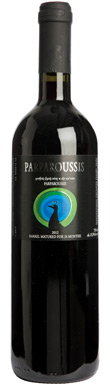
Parparoussis, Taos, Achaia, Peloponnese, Greece, 2012
96
This small, family-run winery was founded in 1974 by Athanassios Parparoussis who is still head winemaker at the estate, working with his two daughters: Erifili, oenologist and viticulturist, and Dimitra who is in charge of the day-to-day running of the business. The estate is located at Bozaitika in Patras in the northern Peloponnese and proudly promotes indigenous Greek grape varieties. Its vineyards include Assyrtiko, Athiri, Sideritis and Mavrodaphne, planted in various PGIs around the Peloponnese. This particular wine is made from 100% Mavrodaphne and aged in French Allier oak barrels for 24 months. Terry Kandylis: Laurel leaves and sage complexity, with leathery notes and plummy fruit. A very attractive and unique wine, with wonderful acidity and rounded tannins, plus a herbal undertone that is evident on the palate. It’s long, poised and complex, displaying an almost Cabernet Franc character. Yiannis Karakasis MW: This has fine aromatic complexity, with a leafy character but also funky notes on the nose. Very elegant and precise on the palate. A wine of class and character. Nico Manessis: Laurel aromas on the nose, with a strong gamey and botanical imprint. Classy.
2012
ParparoussisAchaia
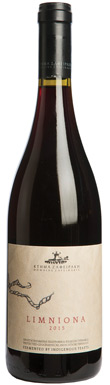
Domaine Zafeirakis, Limniona, Tyrnavos, Thessaly, Greece, 2015
95
A relatively new winery, set up in 2012 in the Tyrnavos region of Thessaly in Central Greece. Christos Zafeirakis, head winemaker at the estate, is following in the local grape-growing tradition that was established by many past generations of his family. The vineyard has clay and flint soils and benefits from a unique microclimate, which is ideal for growing the local indigenous grape Limniona. Domaine Zafeirakis made its first vintage with this variety in 2008. Terry Kandylis: Charming and perfumed, with an elegant nature and an aromatic lift. Very good integration of the wood, great tannic management and long length, with very appealing fruit. A beautiful wine. Yiannis Karakasis MW: A very perfumed and pure nose displaying aromas of roses and cherries. Delicious! Savoury notes combine with well-played tannins on the palate. This is a great example of Limniona. Nico Manessis: Floral complexity, with a juicy, round and complete palate. There’s well-integrated oak too. This is a one-of-a-kind wine. I think of this variety as Greece’s answer to Pinot Noir.
2015
Domaine ZafeirakisTyrnavos
Petrakopoulos, Mavro, Slopes of Aenos, Epirus & Ionian Islands, Greece, 2015
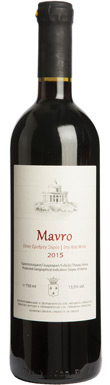

Dark fruit and hints of tobacco, leather and spice. A herbal undertone of sage, bay leaf and thyme adds complexity to the long chocolate finish.
2015
PetrakopoulosSlopes of Aenos

Dimopoulos Estate, Xinomavro, Amyndeon, Macedonia, Greece, 2015
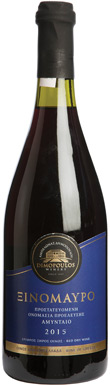
An appealing nose of dried tomatoes and cherries, with fig and date notes. The palate shows fresher fruit with some tannic grip and fresh acidity.
2015
Dimopoulos EstateAmyndeon
T-Oinos, Clos Stegasta Mavrotragano, Cyclades, Aegean Islands, Greece, 2015
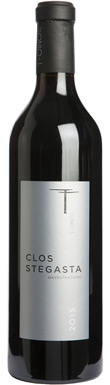
Dark fruit complexity and hints of blueberry yoghurt. Leather undertones are followed by well-integrated oak that carries a long Pu’er tea-inspired finish.
2015
T-OinosCyclades
Aivalis, Le Sang de la Pierre, Nemea, Peloponnese, Greece, 2016
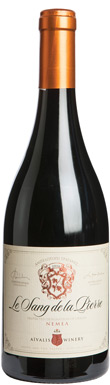
Broad aromatics are evident with lots of concentrated fruit and a subtle mineral undertow making this an approachable, fresh and balanced wine.
2016
AivalisNemea
Boutari, Legacy 1879, Naoussa, Macedonia, Greece, 2007
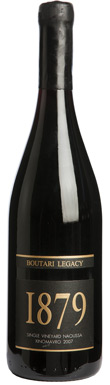
The nose is characterised by meaty notes, lamb broth and coffee complexity. There are prune, dried fig and black olive tapenade notes too, with ripe...
2007
BoutariNaoussa
Foundi, Xinomavro, Naoussa, Macedonia, Greece, 2011
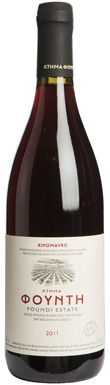
Mixed dried fruit, fig leaf and prune notes balance the savoury hints of truffle, tomato jam and dried herbs. Barolo-like character, boasting a layered palate...
2011
FoundiNaoussa
La Tour Melas, Palies Rizes, Floiountas, Central Greece, Greece, 2013
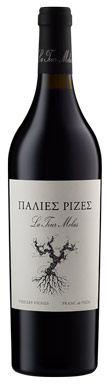
Expressive and ripe on the nose with vanilla and sweet spice, summer fruits and cherry blossom backed by good acidity on the palate, providing a...
2013
La Tour MelasFloiountas
Moraitis, Paros, Aegean Islands, Greece, 2016
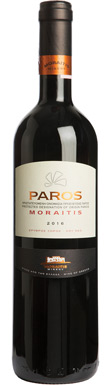
A floral aroma from the Monemvasia grape continues on the palate, where it is joined by juicy cherries, red plums and leathery hints. Packed with...
2016
MoraitisParos
Oenops, Xinomavraw, Naoussa, Macedonia, Greece, 2016
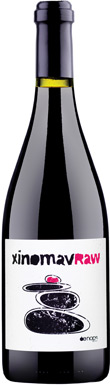
Charming on the nose, purity on the palate. There are flavours of blackberry, dark cherries and strawberry yoghurt, leading to a cheerful finish with fresh...
2016
OenopsNaoussa
