
Regional profile: Bairrada plus top wines worth seeking out
This Portuguese wine region, home to the Baga grape, is experiencing a revolution as innovative producers focus on quality and explore the potential of native varieties. Sarah Ahmed reviews the changes and recommends exciting sparkling, white, red and rosé wines to try
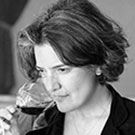

Luís Pato, Bairrada’s original enfant terrible, celebrated his 40th vintage in 2020, declaring it ‘fantastic’. 2020 caps a decade of unprecedented harvests. Fellow winemaker Luís Gomes, who produces the Giz label, observes: ‘We have been achieving full ripeness in Baga before autumn rains in every single vintage, save 2014.’
On central northern Portugal’s low-lying littoral, to the west of the Caramulo and Buçaco mountains, Bairrada has no shelter from humid, wet Atlantic influence, unlike its neighbour Dão, to the east. In the past, there might have been only two or three great vintages a decade, partly explaining why, when Pato started out, this temperate maritime region’s most-planted grape – Baga – was ‘so harsh, difficult and acidic, that a normal person could only drink it after 10, 15 maybe 20 years’. Hardly a sustainable model.
A shifting dynamic
Increasing temperatures due to climate change have played a role in this success story, but counter-cultural viticultural practices have been instrumental to unlocking Baga’s potential in a region historically dominated by négociants and co-operatives. Principally geared to producing bulk wines for the colonies and simple wines for the home market, who could blame their growers for focusing on quantity over quality?
Strong-willed, Pato pioneered green harvesting for young vineyards and planted two ungrafted (Pé Franco) vineyards – whose yield is one 10th of grafted vines – for his top cuvées. Such yield-scything viticulture, together with rigorous site selection (favouring well-drained, reflective chalky clay soils over sand), facilitated ripening, improving Baga’s concentration and tannin quality (tannins and acidity are more prominent on sand).
Pato’s trail-blazing de-stemming and maturation in French oak (versus tonéis – traditional large oak casks) additionally contributed to his successful quest to polish and smooth Baga’s notorious edges.
Meantime, courting new, more demanding export markets (following the decline of the colonies), big players were switching their attention to (and planting) better known, more user-friendly grapes, like Touriga Nacional, Tinta Roriz and France’s Syrah and Bordeaux varieties, broadening the international appeal of their wines, whilst showcasing the region’s signature freshness.
Bairrada at a glance
DOC demarcated: 1986
Soil types: principally clay and limestone, with sandy areas
Climate: temperate maritime
Area under vine: 6,500ha, 65% red varieties, 35% white varieties *
Main red grapes: Baga, Touriga Nacional, Tinta-Roriz (Aragonez), Merlot
Main white grapes: Maria Gomes (Fernão Pires), Bical, Arinto, Cercial*
Other permitted red grapes: Alfrocheiro, Bastardo, Cabernet-Sauvignon, Camarate, Castelão, Jaen, Petit Verdot, Pinot Noir, Rufete, Syrah, Tinta–Barroca, Tinto Cão, Touriga Franca
Other permitted white grapes: Chardonnay, Pinot Blanc, Rabo de Ovelha, Sauvignon Blanc, Sercialinho, Verdelho, Viognier
Producers: 2,400 growers, 112 with own bottling, 560 wine labels**
Annual production: 220,000hl (including 40,000hl sparkling wine),
of which 130,500hl is red, 50,000hl white, 35,000hl rosé, (10 year average)***
Sources:
* Comissão Vitivinícola da Bairrada 2018
** Comissão Vitivinícola da Bairrada 2019
*** Instituto da Vinha e do Vinho 2018
Starting out in 2001, Pato’s daughter Filipa (of Filipa Pato & William Wouters) says she was the only new player focusing on local varieties. Controversially, in 2003, non-local varieties were permitted for Bairrada DOC wines and a new (barely used) Clássico designation with a minimum ageing period of 30 months was introduced, allowing Alfrocheiro, Camarate, Castelão, Jaen and Touriga Nacional to be blended with a minimum 50% Baga.
It could have been the death knell for varietal Baga but, where Pato led, others followed. Highlighting Baga’s plight and bringing fresh impetus to its cause, old vines’ champion Filipa founded Baga Friends with Mário Sérgio Nuno, the first of three generations of growers to produce estate-bottled wines at Quinta das Bágeiras.
For another Baga specialist, Luís Patrão (Vadio), there are limitations, given that Bairrada’s average vineyard holding (0.3ha) cannot support a family. So, for many, growing and selling grapes remains a part-time quantity-focused affair. However, he adds: ‘The new generation of estate-bottlers and vignerons have shifted the dynamic and viticulture has become the focus.’
A very fine swan indeed
With greater viticultural prowess, vignerons have turned the region’s temperate maritime climate to their advantage, transforming ‘the ugly duckling no-one liked into the wine most loved by Portuguese connoisseurs’, according to Dirk Niepoort of Quinta de Baixo. Professing to love its terroir most, Bairrada is the natural home for the Douro-based producer’s pursuit of elegance – a quality Niepoort believes will come to define Bairrada’s wines.
It certainly appeals to Portugal’s young generation of sommeliers, strong supporters of Baga’s ascendence. Delighted to present his favourite Portuguese wine at a 40th anniversary tasting, top sommelier António Lopes, director of wines at Porto’s O’Paparico restaurant, compared Luís Pato’s Quinta do Ribeirinho Pé Franco 1996 to a muscular, but fresh, elegant 1er Cru Nuits-St-Georges from the same year.
Perfumed, with freshness and line and, depending on age, vintage and extraction methods, silky and red-fruited or darker, firm and brooding, the comparisons with Burgundy and Barolo come thick and fast. But, when grown on chalky clay soil, there is no mistaking Baga’s unique, smoky minerality. With age, the spice and mineral characters amplify, and sweeter balsamic and membrillo notes emerge.

No one-trick pony
Sensitive handling in the vineyard and winery by a growing band of vignerons across a range of sites has unleashed Baga’s plasticity and seen a revival of whole bunch fermenting and larger format barrels and tonéis, adding to the diversity of expression. Ringing the changes from the austere reputation of old, Filipa’s husband William Wouters enthuses: ‘It’s a fun grape to work with – one of very few versatile mono-varietals, making sparkling, “glou glou” [gluggable], easygoing or serious oaked or unoaked wines and fortifieds.’
Additionally, observes Gomes: ‘Bairrada and Baga can give the freshness, liveliness and intensity of flavours that a great rosé needs.’ Fleshing out Baga with Touriga Nacional shows another, broader-shouldered side.
Baga is not the only local grape to benefit from improved viticulture and increased interest in the region’s gastronomic style. Bringing freshness, persistence and definition, the maritime climate, not to mention chalky clay soils, make Bairrada Portugal’s go-to destination for espumantes (sparkling wines) (made by the traditional method since 1890) and one of the best places to grow white grapes.
Bical (stone-fruited, good body) leads the charge, with Maria Gomes (aka Fernão Pires; vegetal aromatics and flavour); Arinto (citrus) and Cercial (mineral) accentuate freshness. Chardonnay (and Pinot Noir) are also permitted and used to good effect in sparkling wines – Colinas de São Lourenço makes very good single-varietal examples.
Simpler, unoaked or lightly oaked whites are fresh and fruity, with vegetal and nutty interest. Top whites from chalky clay soils age beautifully, showing great complexity, mouthfeel and the region’s hallmark freshness, salinity and chalk-driven ‘fumé’, whispy smokiness.
Bairrada DOC espumantes typically have riper acidity and more body than Champagne. Styles range from simple, fruity and fragrant (when aged for the minimum nine months on lees), to more autolytic, complex styles, which spend years ageing in négociants’ cavernous chalk cellars. Grower sparkling wines are on the up and, hand-riddled and disgorged, with zero dosage, Quinta das Bágeiras leads the way. With plans to establish a study center in Bairrada focused on Portuguese sparkling wine, watch this space.
Full circle
Meantime, Baga has become a focus for particularly fine, mineral rosé and Blanc de Noirs espumantes, which new laws require to spend at least 18 months on lees. The move reflects the growing status of Baga and a return to cellaring top reds for longer too. After all, producers have proved it can be broached younger, without diminishing ageability and introduced Bagas for early and mid-term drinking. Why not let flagship wines reveal more of themselves when, as Nuno points out: ‘In the Douro [a younger region for table wine], people don’t know how to age bottles, but in Bairrada we do.’
When Nuno’s son Frederico joins him next year, aged 23, he will be the same age as his father when he founded Quinta das Bágeiras, in 1989. A chip off the old block, he shares Nuno’s conviction about the uniqueness of Baga and Bairrada’s strong identity. At tastings, says Frederico: ‘It is not so important that people like the wine. The most important thing is that they recognise it is from Bairrada.’ It seems Bairrada’s future is in safe hands.
Bairrada: 10 names to know
Aliança
As its extensive underground cellars attest, the Bairrada outpost of one of Portugal’s biggest producers, Bacalhôa Vinhos, was itself a leviathan during the heyday of bulk exports to Africa and Brazil. Worth visiting for the underground museum. Fruity, but fresh, with character, the entry-level Reservas (white and red) are a snip.
Campolargo
Two sizeable estates, Quinta de Vale de Azar (predominantly sandy clay) and Quinta de São Mateus (chalky clay) produce a huge range, featuring Portuguese and international varieties. Quirky strengths include funky single varietal whites (Arinto, Bical), a lissom Alvarelhão vin de soif and unique red blend, Rol de Coisas Antigas.
Caves São João
Makers of Frei João: Bairrada’s original, ageworthy, iconic brand, launched in 1959. Moving with the times, the négociant acquired Quinta do Poço do Lobo in 1971, planting French grapes for blending with local grapes. Well-made contemporary red, white and sparkling wines; anniversary and Frei João museum releases can be stunning.
Filipa Pato & William Wouters
The vigneron and her acclaimed sommelier husband’s ‘wines without make up’ involve rigorous sourcing from predominantly old vines, cultivated biodynamically. Sensitively made, Nossa Calcario White and Red are the epitome of elegance; flagship Missão, from centenarian ungrafted vines, has a wilder streak. Fresh, quirky amphorae wines and fortified Baga.
Giz
After completing a Masters degree in viticulture and oenology in 2014, ex-biochemist Luís Gomes founded Giz (meaning chalk) in 2015. Cantanhede’s chalky soils, centenarian vineyards and gentle fruit-handling produces lithe wines of fruit sweetness, purity and intensity, with minerality, freshness and precision. Refined Bagas include a delicate rosé and espumante.
Luís Pato
The self-described ‘classicist and rebel’ – Bairrada’s boutique pioneer – modernised the face of Baga (and whites, with Vinha Formal), championing French oak and lower yields. Exceptionally refined flagship Pé Franco (ungrafted) and single-vineyard Bagas contrast with knowingly rustic Vinhas Velhas label. No-added-sulphur Baga and Vinha Pan sparkling push boundaries.
Quinta das Bágeiras
Stellar, fuller-bodied white, red and zero dosage sparkling range; the whole-bunch fermented Bagas are brooding and dark-fruited. Sturdy, mineral Garrafeira aged in old tonéis. More contemporary, polished recent additions Pai Abel (with Touriga Nacional; rich, muscular) and Avô Fausto (lifted, layered) see French oak. Rare new Cercial embodies the charismatic house style.
Quinta de Baixo
Acquired by Niepoort in 2012, the Cantanhede-based estate is cultivated biodynamically. Lighter in colour and frame, especially the Drink Me Nat Cool vin de soif. Charming Burgundian Bagas benefit from judicious whole bunch ‘infusion over extraction’ ferments and ageing in foudres (in which Garrafeira spends 48 months). Austere whites benefit from bottle age.
Quinta do Encontro
The striking architecture of Pedro Mateus’ landmark winery, cellar door and restaurant, set new standards for this traditional region, additionally oenotourism – a strength of owners, Global Wines. Like the cuisine, whilst informed by the Atlantic, the wines (white, red and sparkling) are contemporary, with emphatic fruit and sophisticated oak.
Vadio
Established in 2005, experienced winemaker Bairrada-born Luis Patrão and his Brazilian wife Eduarda Dias bucked trends, replanting their expanding portfolio of organically cultivated, high-trellised vineyards at high density. From a vineyard replanted in 2009, flagship Rexarte Baga impresses. Complex solera-aged sparkling. Good value entry-level white and approachable but ageworthy Baga.
Bairrada: wines to try
Dulcinea dos Santos Ferreira, Sidónio de Sousa Special Cuvée Branco Brut Nature, Bairrada, Portugal, 2016
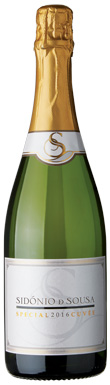

Inviting fresh and bruised apple, green almond and nougat on the nose, which follow through on the palate, together with white peach and grapefruit. The...
2016
Dulcinea dos Santos Ferreira

Quinta das Bágeiras, Grande Reserva Baga Rosé, Bairrada, Portugal, 2015
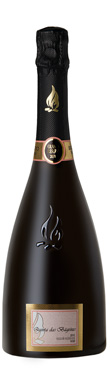
Pale blush pink – partridge eye – with a suave, creamy mousse and savoury, vinous complexity, plus chalky, flinty minerality, a lick of salty oyster shell...
2015
Quinta das Bágeiras
Filipa Pato & William Wouters, Post-Quer..s Bical, Bairrada, Portugal, 2019
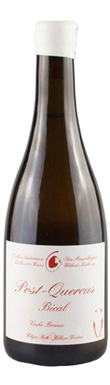
<p>Falling outside the Bairrada DOC classification, this out-of-the-box, amphora-aged Bical is a Wine of Portugal (table wine). For the first time, 100% de-stemmed (all by...
2019
Filipa Pato & William Wouters
Lusovini, Regateiro JR Branco, Bairrada, Portugal, 2019
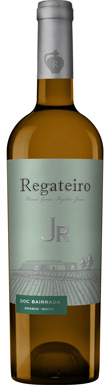
Unoaked and lees-stirred, this blend of Arinto, Bical and Maria Gomes from chalky clay soil is very suave, with understated fresh, ripe, round pear to...
2019
Lusovini
V Puro, Doravante, Bairrada, Portugal, 2018
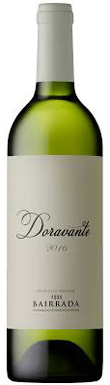
Whole-bunched pressed and naturally fermented, this complex blend of young vine Arinto and old vine Bical and Cercial rewards time in glass. It opens with...
2018
V Puro
Giz, Vinhas Velhas Rosé, Bairrada, Portugal, 2018
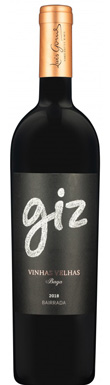
Gently whole-bunch pressed, then barrel-fermented and aged in used French oak on lees with bâtonnage, this is a sophisticated rosé, with silky, delicately savoury and...
2018
Giz
Luis Pato, Vinha das Valadas Pé Franco, Bairrada, Portugal, 2015
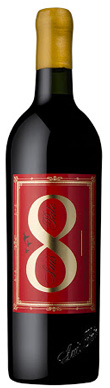
From a 0.4ha, ungrafted high-density Baga vineyard in Ois do Bairro, planted in 2004. Youthfully purple, with inky florals and a haute couture, seamless palate,...
2015
Luis Pato
Quinta das Bágeiras, Pai Abel Tinto, Bairrada, Portugal, 2015
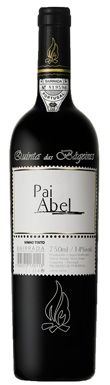
Powerfully structured tribute to the winemaker’s father, from a 15-year-old field blend parcel on chalky clay. Touriga Nacional (20%) brings floral lift, exotic kumquat and...
2015
Quinta das Bágeiras
Filipa Pato & William Wouters, Nossa Calcario Baga, Bairrada, Portugal, 2018
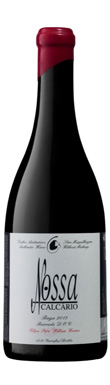
From three small biodynamically cultivated chalky clay plots averaging 80-years-old. Bright as a button, buoyant yet grounded, with subtle, pine needle-edged crunchy red cherry, plus...
2018
Filipa Pato & William Wouters
Niepoort, Lagar de Baixo, Bairrada, Portugal, 2017
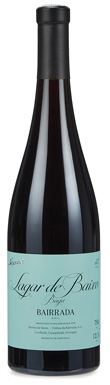
Expressive, Pinot-esque, this blend of young and old vine fruit from around Cantanhede undergoes carbonic maceration and was aged in used 2,500-litre vats. Lovely floral...
2017
Niepoort
Caves São João, 97 Anos de História, Bairrada, Portugal, 2014
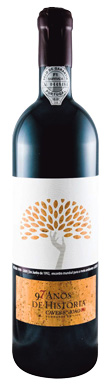
Anticipating its 100th anniversary in 2020, the négociant has released annual commemorative wines since 2010. From a challenging, wet year, this Baga is particularly elegant,...
2014
Caves São João
Casa de Saima, Garrafeira Tinto, Bairrada, Portugal, 2015
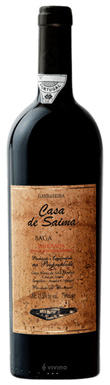
Traditionally made and immensely characterful old-vine Baga from the Corga vineyard on chalky clay; foot-trodden in lagares, it was aged in old tonéis. Translucent ruby,...
2015
Casa de Saima
Giz, Vinhas Velhas Baga, Bairrada, Portugal, 2016
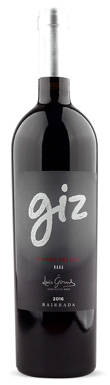
Grapes from small plots of centenarian vines located between Mealhada and Cantanhede were destemmed, then foot-trodden in lagares. A vivid, complex Baga; juicy black cherry...
2016
Giz
Luis Pato, Vinhas Velhas Tinto, Bairrada, Portugal, 2017
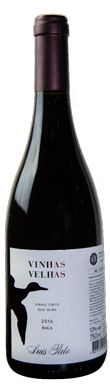
First made in 1988, this old-vine Baga has a strong track record and ages beautifully. Chock full of smoky, chalky minerality, with iodine and anise-edged...
2017
Luis Pato
Quinta do Encontro, Encontro I, Bairrada, Portugal, 2011
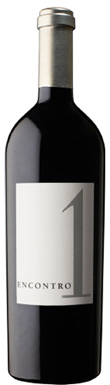
From an excellent vintage, this is a bold, full-bodied 50:50 Baga and Touriga Nacional blend, with plenty of extract. Rich, concentrated red and black fruits...
2011
Quinta do Encontro
Campolargo, Rol de Coisas Antigas, Bairrada, Portugal, 2016
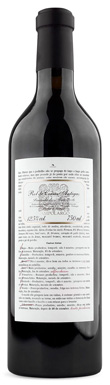
The label, Rol de Coisas Antigas, meaning 'list of old things', describes the grapes – Baga, Castelão Nacional, Bastardo, Tinta Pinheira, Souzão, Alfrocheiro and Trincadeira...
2016
Campolargo
Vadio, Tinto, Bairrada, Portugal, 2016
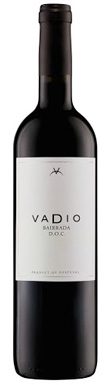
Aged in old barrels, this unshowy entry-level Baga is approachable but well-structured (a museum edition is released after 10 years). For softer texture, elegance and...
2016
Vadio
Aliança, Bairrada Reserva Tinto, Bairrada, Portugal, 2018
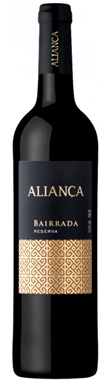
<p>A well-executed, highly approachable blend of Baga, Tinta Roriz (aka Spain’s Tempranillo) and Touriga Nacional. Soft, creamy, sweet red fruits retain the jewel bright freshness...
2018
Aliança
