
Regional profile: Luján de Cuyo
Producers in this heartland of Argentinian Malbec credit the identity and diversity of their wines to the old vines they nurture. It’s a region where tradition is preserved and protected, even as tastes evolve and new styles emerge, discovers Amanda Barnes


The headquarters of Malbec and Argentina’s wine industry, Luján de Cuyo may not be garnering the same buzz as emerging wine regions in the Uco Valley and Patagonia, but it is very much the heart and mind of Argentina’s wine industry – and it has at its feet some of the oldest vines in the country.
When you pull into Luján de Cuyo, driving 20 minutes south from Mendoza city, an enormous metal sculpture of a Malbec leaf announces that you’ve arrived at the tierra de Malbec. While arguably all of Argentina’s wine regions can claim to be a ‘land of Malbec’, no region has quite as big a stake to this claim as Luján – which has more than 15,500ha under vine, more than half of it Malbec. Luján alone has more Malbec vines than all of France.
Claiming almost a fifth of all of Argentina’s Malbec vineyards, it was here in Luján that the story of Argentina’s famed Malbec began. When Michel Aimé Pouget first planted Malbec in 1853, in what is now a paved-over block in Mendoza city centre, it changed the landscape of Argentinian wine from a sea of Criolla (the ‘founding’ varieties originally brought in by Spanish colonists) to a land of exotic French and European grapes.
Back then, Malbec was simply known as the cepa francesca (‘French grape’). Plantings proliferated southwards, and Malbec adapted particularly well to the rocky clay soils, cooling mountain influence and abundant water supply in Luján de Cuyo, which blossomed into Argentina’s premier wine region.
The National Agricultural Technology Institute (INTA) set up its experimental headquarters here, with a vineyard of more than 700 grape varieties (the third-largest collection in the Americas). When Argentina’s quality revolution happened in the late 20th century, major producers chose to establish premium wineries in Luján de Cuyo; today, a drive down Ruta 7 feels like you’re on the millionaires’ mile of Argentinian wine, passing signs for Catena Zapata, Susana Balbo, Norton, Cheval des Andes and Paul Hobbs’ Viña Cobos.
Luján de Cuyo at a glance
Planted area 15,543ha (more than 50% Malbec)
Notable sub-regions Agrelo, Las Compuertas, Perdriel, Vistalba
Altitude 690m-1,300m above sea level
Winkler index III-V (higher bands of standardised growing degree-days)
More than a number
But the most exciting aspect of Luján de Cuyo for me is the age of the vineyards. Though terroir hunters are travelling further and further afield from the classic wine regions of Argentina, it is extremely difficult to beat the wisdom and character of these old vines in Luján de Cuyo.
‘Old vines have deeper roots and are much more balanced,’ says Mendel winemaker Roberto de la Mota, who produces Malbec, Petit Verdot and Chenin Blanc in Luján, some from vines planted more than a century ago. ‘Old vines give you far more varietal typicity and concentration, and they suffer a lot less than new vines.’
In the increasingly erratic weather patterns of recent vintages (from rainy 2016, in which double the annual average fell, to drought and heat spikes this year), the old vines are far more adept at producing quality fruit no matter the conditions.
Preserving these old vines has become a mission for many winemakers, as they are especially at risk from creeping urbanisation – losing ground to private neighbourhoods and housing for Mendoza’s growing population.
‘When we bought our old vineyard in Las Compuertas [planted in 1910], the same family had been living there for three generations – and we believe they are just as important to the terroir,’ says winemaker Héctor Durigutti over a glass of old-vine Criolla, which he makes with the family members who still live there. ‘All the old vines in Vistalba and Las Compuertas are disappearing because people want to build houses here. We want to save these old vines and historic wine regions from disappearing.’
His brother Pablo, also a winemaker, chips in: ‘There is a great concentration happening in Argentina’s wine industry. As we lose small growers we are losing these old vines – and with it, we are losing our identity.’
Gabriela Furlotti found a way to preserve her grandmother’s old block of Malbec, planted in 1916, by combining tourism with winemaking. At her luxury vineyard B&B, Finca Adalgisa, guests can watch the historic block being ploughed by horse while they sit at the poolside, glass of chilled wine in hand.
‘It was the only way I could see to save this old vineyard, because producing a commercial wine from a hectare or two of old Malbec isn’t economically viable,’ Furlotti explains. ‘If you walk through my vineyard you’ll find not only Malbec, but also a bit of Barbera, Tempranillo, Cabernet Franc… and they all go into the blend – some bunches riper than others! This natural diversity of the old vines gives the wines unique personalities.’

Developing styles
The region’s oldest vines are often planted on their own roots, with great genetic diversity from centuries of massal selections and mutations, giving them a distinctive character. In general terms, however, Luján Malbecs are typically rounder and broader on the palate, with riper black- and red-fruit flavours than the fresher, floral style of Uco Valley, but more chiselled than the jammier wines of Maipú.
Pitted against some of the racier Malbecs from higher-altitude Uco Valley and the Calchaquí valleys in northern Argentina, Luján can be seen as old-school in style, with sweet fruit and generous alcohol. This more approachable nature of the region’s wines gave them wide appeal in the early 2000s, helping to switch the international markets on to Malbec. But as winemaking styles and tastes have evolved, winemakers are keen to show the fresher side of Luján too.
‘Luján was always considered a region of very mature fruit, sweet tannins and high alcohol, but this is due to the typically late harvest dates back then. If you pick earlier, you get fresh red fruit, violet, spice, herbaceous and tea-leaf notes, which are typical of Luján,’ says Santiago Mayorga, winemaker at Cadus. He is at the forefront of a movement of young winemakers refocusing their attentions on Luján de Cuyo’s old vines. ‘Rescuing these old vines of Luján is important, as they achieve a great balance and freshness naturally.’

Magic ingredient
Another dimension to the wines of Luján is the tendency to blend varieties. The red blends here draw on the diversity of varieties, soils and microclimates in the region, from the cooler temperatures and stonier soils of Agrelo to the heavier clays and warmth of Medrano. With more than 500 growers in Luján, winemakers have the opportunity to compile multi-dimensional blends that represent the complexity of Luján itself.
Some of the most exciting blending partners for Malbec in Luján include Cabernet Franc, Petit Verdot and Tannat – each of which adds a fresher lift of acidity and floral or herbaceous notes, as well as a spine of fine tannins in the case of the latter two. Petit Verdot is also an excellent single-varietal wine in the region, and Luján is prime territory for Cabernet Sauvignon too.
‘Agrelo in Luján has been one of the most distinguished regions for producing Cabernet Sauvignon for over 25 years,’ says Argentina’s first female winemaker, Susana Balbo. ‘When Argentina started to become known for high quality in the mid-1990s, it was because our Cabernet Sauvignon wines dazzled people with their mature tannins and profound aromas of cassis, and those wines were coming from here in Luján.’
While Malbec might still be its calling card, Luján de Cuyo is a hive for other engaging varieties – and most of all, a precious trove of old vines and traditions worth treasuring.
Luján de Cuyo: 10 names to know
Bodega Furlotti
Gabriela Furlotti is the fourth generation of a wine family that was a major grower in the 20th century. Today she retains a couple of small parcels of old vines and makes authentic wines, including Finca Adalgisa, with winemaker Carmelo Patti.
Chakana
There are a few biodynamic producers in Luján (notably Alpamanta and Altos Las Hormigas), and Chakana is one of the leading lights. Young winemaker Gabriel Bloise has brought a fresh, youthful style to the portfolio.
Durigutti
Brothers Pablo and Héctor Durigutti’s export-focused winery produces bold red wines, but what really stands out is their Proyecto Las Compuertas label, featuring fresh, vibrant wines from (predominantly) old-vine Malbec, Cabernet Franc, Criolla, Montepulciano and Charbono.
Malbec de Angeles
Guillermo Barbier makes wines from the fruit of his family vineyard in Vistalba, planted in 1924. Barbier is one of the guardian angels of Mendoza’s wine heritage, and his wines have the concentration and character that only old vines can produce.
Mendel
Roberto de la Mota comes from a winemaking family and is one of Luján’s most experienced winemakers. His personal winery is Mendel, founded in Mayor Drummond in 2002, with an impressive portfolio of elegant red blends and exciting old-vine whites.
Norton
Established by a British rail engineer in 1895, Norton is one of the biggest regional producers. Its wide range of wines includes the top-value Perdriel brand. Head winemaker David Bonomi is making the wines fresher and brighter.
Pulenta Estate
The Pulenta brothers Eduardo and Hugo started their Agrelo project as a premium winery in 2002, following the family’s sale of Trapiche a couple of years before. Polished red wines from Luján and beyond are the calling card, including their top Cabernet Franc.
Susana Balbo Wines
Known as the Queen of Torrontés, Susana Balbo made her name in Salta but is far more focused on Luján and the Uco Valley today. Her Luján red wines are typically bold in character, with the impressive ability to age beyond a decade, and Cabernet is her forte.
Terrazas de los Andes
A landmark project since 1996 as the fine wine outpost of Moët Hennessy in Argentina. Known for its plush, polished style and its famous collaboration with St-Emilion’s Château Cheval Blanc, making the complex Cheval des Andes wine from its 1929 Malbec vineyard.
Viña Cobos
Bold reds and full-bodied Chardonnays are the trademark of California’s Paul Hobbs, whose Luján-based winery focuses on old vines in the region and new vines in the Uco Valley. Accomplished wines that helped define modern Luján in the early 2000s.
Barnes’ mixed dozen: best of Luján de Cuyo
Susana Balbo, Brioso, Luján de Cuyo, Agrelo, Mendoza, Argentina, 2018
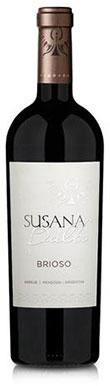

Complex yet balanced blend of Cabernet Sauvignon, Malbec, Cabernet Franc and Petit Verdot. Notes of deep spice, wild herb, plum. A young wine that shows...
2018
Susana BalboLuján de Cuyo

Durigutti, Proyecto Las Compuertas Malbec 1914, Las Compuertas, Mendoza, Argentina, 2017
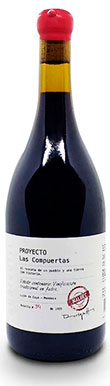
Showing just how much finesse old vines can achieve – these were planted in 1914 – this wine from the cool Las Compuertas sub-region is...
2017
DuriguttiLas Compuertas
Finca Adalgisa, Malbec, Luján de Cuyo, Mendoza, Argentina, 2013
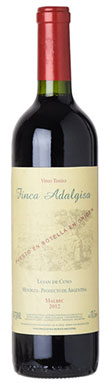
An authentic, elegant and well-aged wine from a small block of old-vine Malbec, which is still ploughed by horse. Seductive layers of dried fruit and...
2013
Finca AdalgisaLuján de Cuyo
Terrazas de los Andes, Parcel No10W Los Cerezos Malbec, Las Compuertas, Mendoza, Argentina, 2017
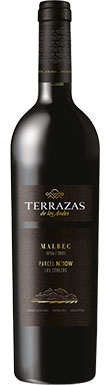
A polished, rich Malbec from the team at Moët Hennessy’s Mendoza outpost. Deep plum and cedar with silky tannins. Vines from 1929.
2017
Terrazas de los AndesLas Compuertas
Viña Cobos, Bramare Marchiori Vineyard Malbec, Perdriel, Mendoza, Argentina, 2017
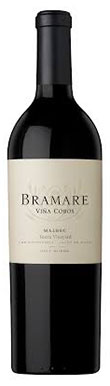
This was the old vineyard that helped convince Paul Hobbs to start his own winery here in 1999. Old-vine Malbec with silky tannins and deep...
2017
Viña CobosPerdriel
Mendel, La Primera Revancha Chenin Blanc, Luján de Cuyo, Agrelo, Mendoza, Argentina, 2019
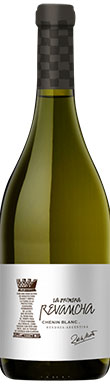
From old-vine Chenin, planted in the 1950s, which Luján maestro Roberto de la Mota first vinified when he worked with his father in 1985, rediscovering...
2019
MendelLuján de Cuyo
Cadus, Single Vineyard Finca Las Torcazas Malbec, Luján de Cuyo, Agrelo, Mendoza, Argentina, 2016
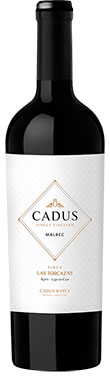
93
One of Argentina’s most promising winemakers of the new generation, Santiago Mayorga shows his interpretation of Luján with this silky Malbec filled with plum notes and an aromatic, fresh finish.
2016
CadusLuján de Cuyo
Casarena, Owen’s Vineyard Cabernet Sauvignon, Luján de Cuyo, Agrelo, Mendoza, Argentina, 2017
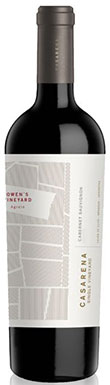
Focusing only on different Luján terroirs, Casarena’s single-vineyard line is well worth trying – especially this Cabernet Sauvignon. Ripe blackcurrant and spice notes, great typicity...
2017
CasarenaLuján de Cuyo
Malbec de Angeles, Gran Corte Viña 1924, Luján de Cuyo, Vistalba, Mendoza, Argentina, 2016
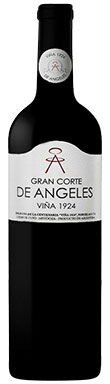
Old vines of Malbec and Cabernet Sauvignon planted on their own roots in 1924 in Vistalba produce this rich, concentrated blend, which has notes of...
2016
Malbec de AngelesLuján de Cuyo
Colonia Las Liebres, Cabernet Franc, Luján de Cuyo, Mendoza, Argentina, 2019
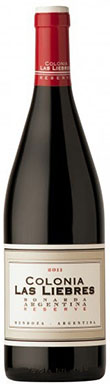
Altos Las Hormigas’ second label offers top value, and young winemaker Leo Erazo shows here just how mouth-watering and juicy Cabernet Franc from Ugarteche can...
2019
Colonia Las LiebresLuján de Cuyo
Doña Paula, 969, Ugarteche, Mendoza, Argentina, 2019
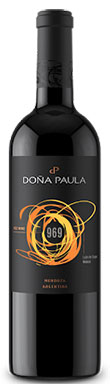
Referring to the altitude of the vineyards, 969 is a fantastic-value blend of Petit Verdot with Bonarda and Tannat. Filled with energy, freshness and bright...
2019
Doña PaulaUgarteche
Bodega Argento, Artesano de Argento Organic Malbec, Luján de Cuyo, Agrelo, Mendoza, Argentina, 2018
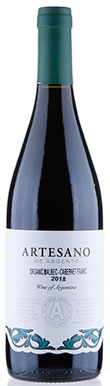
This fresh, juicy style of Luján Malbec is top value. Pure fruit expression of Luján with plum notes and a silky finish. Modern, bright and...
2018
Bodega ArgentoLuján de Cuyo
