
Sardinia: a buyer’s guide


Often overlooked by wine lovers, this ruggedly beautiful holiday island’s many grapes and styles are waiting to be discovered, reports Michaela Morris...
‘Sardinia is often mistaken for a tropical island or confused with Sicily,’ sighs viticulturist Salvatore Mura at his family’s estate in Gallura. ‘Sometimes it’s missing from Italian maps altogether.’
Mercifully, Sardinia’s stunning beaches attract tourists from around the globe, though few explore inland beyond her turquoise waters. They are missing out.
Scroll down for Michaela’s pick of Sardinian wines
Inhabited since Paleolithic times, Sardinia is a treasure trove of mysterious artefacts and traditions. It is also the second largest island in the Mediterranean. ‘It’s like a continent,’ says Daniela Pinna, owner of Tenute Olbios. Shaped by winds from every direction and created over several eras, ‘Sardinia’s soil and climate are completely different between the north, centre and south’, she explains. This diverse terroir, coupled with a long history of occupation by various cultures, yields a rich viticultural landscape. In the past, every corner of the island was defined by its own speciality, but today, Vermentino and Cannonau hold sway. Unsurprisingly, both varieties express themselves differently depending on where they are grown. Sun-worshipping Vermentino is in its element in Sardinia’s hot, dry climes. It produces a white wine that echoes the island’s heady scent of broom and has a distinctive salty edge.The DOC of Vermentino di Sardegna encompasses all of Sardinia’s far-flung pockets, but some areas are more suited to the variety than others. In the island’s southerly reaches around Cagliari, for example, ‘calcareous marl soils tend to produce rich, full wines with fleshy yellow peach and even tropical fruit,’ explains Argiolas winemaker Mariano Murru, and this can be seen in the wines of Ferruccio Deiana and Pala.
Conversely, Sardinia’s only DOCG, Vermentino di Gallura, refers strictly to the island’s northeastern corner. Gallura experiences significant day- and night-time temperature differences and is characterised by weathered granite soil. The resulting wines are intense and minerally rather than overtly fruity. Subtle variations are based on altitude, which rise up to 500m. Proximity to the water also plays a role: Mura’s steely wines evoke sea breezes, while those of Sini Gioacchino further inland are reminiscent of verbena and juniper.
While site plays an important role in Vermentino styles, winemaking also plays its part. Most Vermentino wines are fermented in stainless steel for a crisp style to wash down the island’s delicious seafood. Yet many producers also offer more ambitious versions using later picked grapes, lees stirring, partial oak ageing and/or skin maceration to lend texture, complexity and ageability.
Spanish ties
Many of Sardinia’s varieties have long been regarded as Spanish in origin. It is said that Cannonau, the lead actor in the Sardinian red wine story, is the same grape as Garnacha and, on paper, this is quite reasonable, given Spain’s lengthy rule over the island. Nevertheless, evidence to the contrary keeps the debate raging. Irrefutably, Cannonau has a uniquely Sardinian personality. While not the deepest in colour, it captures the island’s generous warmth, producing plush, spicy and earthy reds.
The Cannonau di Sardegna DOC covers the whole island, as does Vermentino di Sardegna. While there is no DOCG, there are areas of the island that are known to produce particularly distinctive wines, including Oliena (also known as Nepente di Oliena), Jerzu and Capo Ferrato. Both Oliena and Jerzu are located in Sardinia’s rugged central interior in the foothills of the Gennargentu mountains, while Capo Ferrato is situated in the southeastern zone.
Close to Oliena, the village of Mamoiada (famous for its frightening Mamuthones masks) has made a name for itself thanks to the wines of both Giuseppe Sedilesu and Giovanni Montisci. In this area, old bush vines on granitic soil are planted at altitudes of 800m. The chilly nights impart pure fresh fruit and floral aromas. By comparison, wines from lower altitudes around Oliena are less perfumed but packed with baked cherry. The most full-throttle examples approach 16% alcohol and may end with a hint of sweetness.
Carignano (Spain’s Cariñena) is Sardinia’s third most-planted grape. It has found a home in the sunbaked southwestern area of Sulcis. Capturing the wild beauty and intricate complexities of the region splendidly, it has earned its own DOC: Carignano del Sulcis.
While abandoned mining sites give Sulcis a slightly desolate feel, it also has a surprisingly lush side, with holm oak and pine forests providing shelter for protected wildlife. Vineyards are planted on deep sandy soil with a high proportion of precious ungrafted bush vines yielding dense, firmly tannic reds. There are small, quality-oriented producers, such as Cantina Giba and Enrico Esu, but cooperatives hold sway in Sulcis. Santadi is the best-known, having engaged the late oenologist Giacomo Tachis to help transform production.
Three grapes dominate the vineyards of Sardinia, but there are varieties synonymous with specific parts of the island, particularly Vernaccia di Oristano. On the west coast, the town of Oristano has given its name to this tragically unfashionable white DOC.
Matured in casks under a film of flor, the wine is often compared to fino Sherry; with extended wood ageing, it resembles an Amontillado. Unlike Sherry, Vernaccia di Oristano isn’t necessarily fortified, and the finest examples tend to be unfortified.
Traditionally dry, this peculiar elixir is best served chilled as an aperitif. It is also a natural match with bottarga (dried salted mullet roe), a classic ingredient in Sardinian cuisine. One of only a handful of estates producing Vernaccia di Oristano, Contini is committed to keeping the tradition alive by buying up abandoned vineyards. ‘If we don’t, they’ll be ripped up and replanted with Vermentino,’ explains Alessandro Contini.
Growing diversity
Sardinia will continue to hang its hat on Vermentino and Cannonau, but her lesser- known varieties are equally crucial to the island’s wine identity. Vinicola Cherchi is largely credited with reviving Cagnulari, a variety that makes nuanced yet charming reds; Argiolas has given the musk-scented white variety Nasco a new lease of life, while dozens of minor grapes contribute to Sardinia’s colourful cast.
Tasty whites include the discreet and refined Semidano, and the slightly tannic, mouth-cleansing Nuragus. Among the must-try reds are the easy-drinking Monica and richly tannic Bovale Sardo. Granazza (white) and Caricagiola (red) are even more obscure, but fiercely passionate producers are set on their renaissance. For a veritable archive of Sardinia’s captivating grapes, you need look no further than Quartomoro’s diverse Memorie di Vite range.
At the heart of Sardinia’s revolution is the shifting framework of producers. The region has long been defined by cooperatives. They provide a solution for thousands of growers to continue cultivating their land and its various grapes. The best co-ops have high standards and remain a source for great value wine. Yet over the last few decades, several have ceased to function. Furthermore, a new generation is choosing to make their own wine rather than supply grapes to the co-ops.
This shakedown has spawned an exciting increase in small independent wineries, such as Stefano Cau. ‘In the last 20 years, Gallura has transformed from seven or eight co-ops and large wineries to include upwards of 50 small producers,’ he says. That said, established producers such as Argiolas, Capichera and Sella e Mosca, which is converting its entire 520ha of vineyards to organic viticulture, remain a powerful force. More than ever, it is fundamental for all players to work together to improve the visibility of Sardinia’s wines, which are still largely unknown.
Navigating Sardinia’s wines can be tricky. The DOC structure does not adequately represent the diversity of its varied terroirs. As such, some producers eschew the overarching Sardegna DOC and label their wines under the island’s dozen or so IGTs. In some cases, these refer to restricted areas such as Romangia IGT around the northern towns of Sorso and Sennori, the stomping ground of well-known natural winemaker Alessandro Dettori. Conversely, Isola dei Nuraghi IGT encompasses the whole island, and its somewhat confusing name is taken from the Nuragic relics – bronze age stone towers – found across Sardinia.
Challenges aside, there is no doubt that Sardinia is deserving of much more than a superficial beach visit. With interest in Italy’s countless grapes at an all-time high, the island is sitting prettier than ever before.
Sardinia’s dynamic producers are demonstrating the many guises of Vermentino and Cannonau, as well as crafting rare and thrilling gems for treasure hunters.
All you need is a sense of adventure.
Michaela Morris is a Canadian wine writer, educator and presenter who specialises in Italy.
Gioacchino Sini, Biancosmeraldo, Superiore, Vermentino di Gallura, Sardinia, Italy, 2016
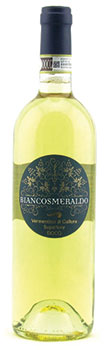

Drop-dead gorgeous nose of white peach, verbena, juniper and lemon balm. Brilliantly saline and mineral palate. Limpid without lacking concentration. Confident, refreshing and appetite stimulating....
2016
Gioacchino SiniVermentino di Gallura

Siddùra, Maìa, Superiore, Vermentino di Gallura, Sardinia, Italy, 2016
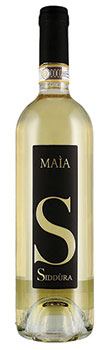
Grown on sandy decomposed granite, this beautifully linear Vermentino is aged on the lees in stainless steel. It resonates with marine breezes, citrus and wild...
2016
SiddùraVermentino di Gallura
Argiolas, Iselis Nasco di Cagliari, Sardinia, Italy, 2016
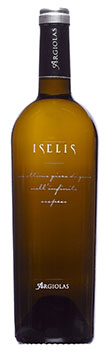
Luxurious and seductive. Musk, melon, ripe apricot and honeyed notes knit seamlessly in this well-proportioned, creamy white. Just a smidgeon of small French oak lends...
2016
Argiolas
Contini, Sardinia, Italy, 2006
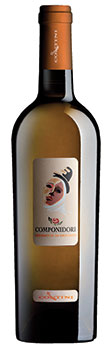
Aged for a decade in a combination of oak and chestnut casks. Incense, sea air and peach blossom waft headily from the glass. Fascinating right...
2006
Contini
Giovanni Montisci, Barrosu, Cannonau di Sardegna, Sardinia, Italy, 2016
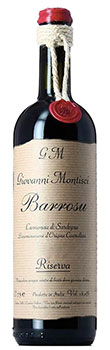
Sixty-year-old bush vines yield a complex and captivating red, slightly untamed yet pure. Light on its feet, with aromas like strawberries and raspberries squeezed from...
2016
Giovanni MontisciCannonau di Sardegna
Agricola Punica, Barrua, Isola dei Nuraghi, Sardinia, Italy, 2014
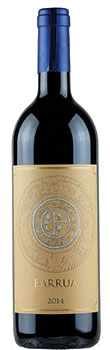
A joint venture between Santadi and Tuscany’s Tenuta San Guido, Punica crafts polished Carignano with help from 10% Cabernet Sauvignon and 5% Merlot. Mint, black...
2014
Agricola PunicaIsola dei Nuraghi
Parpinello, Cagnulari, Isola dei Nuraghi, Sardinia, Italy, 2016
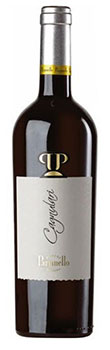
A lovely expression of the pernickety Cagnulari grape, which grows in Sardinia’s northwest corner around Sássari. Thyme blossom, anise and lavender meet dark plum and...
2016
ParpinelloIsola dei Nuraghi
Tenute Dettori, Ottomarzo, Romangia Rosso, Sardinia, Italy, 2016
Usually a minor blending partner, the Pascale grape is given the opportunity to shine in this rare bottling. Tangy, savoury and smooth, it’s a fascinating...
2016
Tenute DettoriRomangia Rosso
Cantina Mesa, Buio Buio, Carignano del Sulcis, Sardinia, Italy, 2015
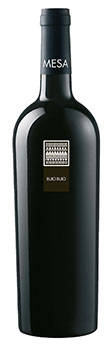
Soils of sand and schist just 3km from the beautiful beach of Porto Pino. Bright and vibrant, succulent fruit nuanced by fennel, bay leaf, graphite...
2015
Cantina MesaCarignano del Sulcis
