
South American whites: a new era
Increasing experimentation and the exploration of new terroir means South America is now the source of an exciting and diverse array of white wines, across all price points. Dirceu Vianna Junior MW highlights the regions and producers to watch


South American white wines have undergone a more radical transformation this century than in any other period in the continent’s history. Changes have been driven by numerous factors. The search for cooler spots to mitigate the effects of climate change, combined with increasing self-confidence, has led producers to explore progressively more marginal conditions, while the need to offer consumers diversity is encouraging producers to consider alternative varieties. Additionally, there has been a desire to preserve local heritage, prompting producers to explore old vineyards.
As wine drinkers become increasingly curious, astute and interested in less familiar grape varieties, unusual styles and unique stories, South American producers are responding with enthusiasm and the landscape is changing rapidly.
New territory
On both sides of the Andes the boundaries of viticulture are moving towards higher altitudes, closer to the sea and further south.
In Mendoza, Argentina, some of the Precordillera (Andean foothills) vineyards in La Carrera and Uspallata boast altitudes surpassing 2,000m. In the desert-like conditions of Jujuy, Argentina’s northernmost viticultural region, vineyards have been established at altitudes above 3,300m, with Sauvignon Blanc, Chardonnay and Torrontés Riojano planted alongside red varieties.
Chilean producers are also heading to the hills. In the Elqui Valley, Viña Falernia has planted Pedro Ximénez in one of the country’s highest vineyards, at 2,070m. Altitude also features in Brazil. In the southern part of the country, Santa Catarina state, vineyards have been planted at 1,300m. Sauvignon Blanc has real potential in this region, and a producer to look out for is Vinícola Thera.
For decades, cooling coastal breezes have been an important ally to Chilean producers. Some of the best white wines made in Limarí, San Antonio, Leyda, Casablanca and Colchagua Costa benefit from their proximity to the Pacific ocean, which is one of the reasons why Viña Errázuriz decided to establish vines in Aconcagua Costa.
Argentinian producers have similarly begun to establish vineyards near the coast. Trapiche developed Chapadmalal, south of Buenos Aires, while Matías Michelini has recently joined a project at Bahía Bustamante, 1,500km south of the capital, where vines have been planted just metres from the sea.
In Uruguay, Bodega Garzón has included Albarino, Sauvignon Blanc, Chardonnay, Riesling and Semillon in its Maldonado vineyards, 18km from the Atlantic.
There has been a rush towards marginal climates in the south of the continent. In Argentina, Patagonia has attracted the interest of many producers despite challenging conditions that include low rainfall, howling winds and the threat of frost. Alejandro Bulgheroni started Otronia winery, a project in Capitán Sarmiento, Chubut, where Pinot Gris, Gewürztraminer and Chardonnay were planted at parallel 45.33°S. The concept of pushing the vine to the limit to achieve the best results does seem to have its benefits, and Otronia Chardonnay already features among the country’s best.
In Chile, the lack of support for development of viticulture from the local Mapuche population, the country’s largest ethnic group, most of whom live in the south, has historically hindered expansion south of Bío Bío. Additionally, the threat of excessive humidity discouraged producers from crossing the line until Viña Aquitania set up vineyards in Traiguén, Malleco Valley, 650km south of Santiago in 1995. Plantings have since then expanded around Malleco and extended to Osorno, more than 900km south of Santiago, where Riesling, Sauvignon Blanc and Chardonnay have shown potential. Miguel Torres, Casa Silva and Viña Trapi del Bueno are achieving remarkable results in this area.
Exploring diversity
Although South American countries cannot claim the levels of diversity of countries such as Italy or Portugal, there is a growing number of grape varieties and styles for wine lovers to explore. In Argentina, white grapes account for 18.36% of plantings. Three types of Torrontés (Riojano, Sanjuanino and Mendocino) dominate, accounting for almost 10,000ha of the 36,400ha planted to white varieties. Torrontés can perform well and demonstrate versatility at different price points, and there is a trend towards toning down its aromatic exuberance. Producers are picking earlier to obtain more delicate citrus notes, retain freshness and achieve lower alcohol while maintaining its personality.
Torrontés responds well to fermentation on the skins and adapts itself to judicious use of oak. In Calchaquí Valley, in Argentina’s north, high-altitude vineyards are responsible for some of the best examples, including those from Bodega Colomé, located in Salta province, and Bodega El Porvenir in Cafayate, also Salta. Zuccardi Serie A and Susana Balbo are also excellent examples. Torrontés is able to retain its personality and offer value even at lower price points. One producer achieving consistently good results is Bodega La Riojana.
Argentina is a reliable source of entry-level Chardonnay, the second most-planted grape variety in the country at 5,921ha. Trivento achieves admirable results at this level.
Chardonnay is also responsible for some of Argentina’s best whites. Consumers looking to trade up can find many producers, including Andeluna, Bodega Atamisque, Finca Flichman and Bodega Catena Zapata, which makes an outstanding example from its Adrianna vineyard in Gualtallary, worthy of comparison with any world-class Chardonnay.
There is more to explore than just these two varieties. Consumers who enjoy lighter, refreshing styles can search for Bodega Norton, which makes an elegant Gruner Veltliner as well as a bright and pure Sauvignon Blanc. Zorzal offers a racy, focused and refreshing Sauvignon Blanc in its Eggo range called Blanc de Cal. Those who prefer more exuberant and richer styles could explore Viognier from Bodega Lagarde, which claims to be the pioneer of this variety in Argentina. The grapes are sourced from vineyards planted in 1989 in Luján de Cuyo and display excellent varietal character while retaining elegance and freshness.
Argentinian diversity does not end here. There are other great examples of varietal wines, including Fiano (Bodega Caelum), Malvasia (Escala Humana), Verdejo (Familia Zuccardi), Pinot Grigio (Finca La Celia) and Chenin Blanc (Michelini i Mufatto).
White blends are becoming increasingly fashionable in Argentina. At the entry level, Torrontés blends offer good value, especially alongside Riesling or Chardonnay. However, real excitement is found at higher price points. Matías Riccitelli makes Blanco de La Casa, offering incredible personality and laser-sharp freshness by blending Chardonnay, Sauvignon and Semillon. Matervini produces an outstanding example of a richer style by co-fermenting Marsanne and Viognier before ageing in oak. Judging by recent success, wine lovers can expect more exciting blends in years to come.
Chile has built its reputation on offering excellent-value varietal wines, especially Sauvignon Blanc and Chardonnay, which dominate plantings with 15,300ha and 11,200ha respectively. Price-sensitive shoppers are well served by Chile, with many of the large players such as Santa Carolina and Concha y Toro doing an admirable job.
At the mid-premium level there are too many producers to mention – although Viña Casablanca must be highlighted for winning a DWWA Gold medal in 2019 with its Nimbus Sauvignon Blanc. Further excitement is found at the premium end with many producers throughout the country making exceptional Chardonnay, from Concha y Toro’s Amelia in Limarí in the north, to Viña Aquitania’s Sol de Sol in Malleco in the south.
Chile offers other excellent varietal wines, including Albarino (Vinos G2), Riesling (Cono Sur), Sauvignon Gris (Casa Marin), Viognier (Tabalí), Pinot Grigio and Gewürztraminer (Morandé), and recently País (Bouchon), among others. Producers in Chile are also demonstrating creativity through blends. Adventurous consumers can explore Cono Sur’s Gewürztraminer-Viognier-Riesling blend under the great-value Bicicleta label. At the mid-premium level, Morandé offers Bestiario, an excellent blend of Marsanne, Roussanne and Viognier. For audacious consumers, A Los Viñateros Bravos has an outstanding blend of Semillon and Muscat called Granítico Blanco from a small parcel of old vines in Itata.

Old vine revival
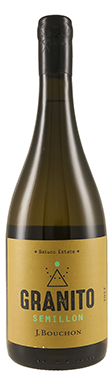
In fact, old vines of less fashionable varieties such as Semillon, Moscatel and Corinto (believed to be Chasselas), historically planted and destined for bulk wines, are experiencing a revival. Viñas Inéditas Terroir Sonoro winemaker Juan José Ledesma’s Moscatel de Alejandría grown in Itata, and J Bouchon’s Granito Semillon from Maule, both made from vines of at least 70 years old, are sublime examples.
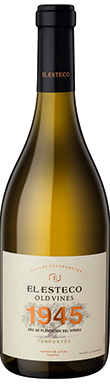
Old-vine Semillon has also been rediscovered in Argentina. Matías Riccitelli sources fruit from an ungrafted vineyard planted in Rio Negro in the 1960s and turns it into one of Argentina’s most exciting white wines. Producers all over Argentina are paying attention to old vines, including Torrontés. Bodega El Esteco makes an outstanding example from a Calchaquí Valley vineyard planted in 1945. This is a positive trend that will help to reverse the demise of some wonderful old vineyards that are scattered all over the continent and often overlooked.
Vine age features less in Brazil and Uruguay, with even the best wines of Uruguay made from comparatively young vines. Albarino has been producing good results. The Galician variety was introduced by Bodega Bouza in 2001 and planted by Bodega Garzón in 2006.
The success of these producers has started a trend that looks set to continue. It is highly likely that Albarino plantings will increase ahead of other varieties in the coming decade and be a welcome addition to the Chardonnay, Viognier and Sauvignon Blanc that have been planted for decades and perform well in the hands of competent producers such as Daniel Pisano and Familia Deicas.
Brazil focuses its production on red and sparkling wines as there is low consumption of white wine in the domestic market. However, there is respectable diversity, with Albarino, Chenin Blanc, Gewürztraminer, Malvasia, Muscat, Pinot Grigio, Riesling, Semillon, Verdejo and Viognier planted alongside Sauvignon Blanc and Chardonnay.
Brazilian producers are not able to compete with their South American neighbours at the entry-level price points due to high domestic taxation and labour costs. At the top end there is no iconic white wine yet, but in the mid-premium category there are producers worthy of attention, such as Don Guerino, Guaspari and Pizzato, which makes Legno, by far the country’s best Chardonnay.
The way ahead
South American producers are pushing boundaries and discovering new terroir. There is also a growing sense of responsibility towards protecting old vineyards, while the adventurous spirit of South Americans is driving plantings of new varieties. At the same time, younger producers are coming to the fore, injecting fresh ideas to expand the knowledge of the experienced old guard.
The overall result is increased diversity, enthusiasm and optimism, and there is a palpable sense of excitement. There has never been a better time to explore the white wines of South America, which, generally speaking, over-deliver in terms of quality and value, at all price points.
Judging by recent developments, the next decade will be even more exciting.
Top South American white wines to try
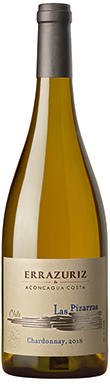
Errazuriz, Las Pizarras Chardonnay, Costa, Aconcagua Valley, Chile, 2018
97
World-class Chardonnay made not far from the Pacific coast using fruit sourced from small plots grown on slate (‘las pizarras’ in Spanish). The wine combines exuberance of fruit including white peaches and star fruit, with hazelnuts, praline, dried fruits, toast and sweet spices. On the palate it is dry, beautifully balanced with a sophisticated, creamy texture and underlying tension. The finish is persistent and includes well-judged oaky notes and wonderful savoury complexity.
2018
ErrazurizCosta
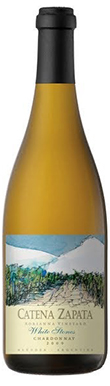
Catena, Adrianna Vineyard White Stones Chardonnay, Uco Valley, Gualtallary, Mendoza, Argentina, 2018
96
A wine made with passion and precision, sourced from 27 rows of a 2.5ha plot, established on poor rocky soil located at 1,450m in Gualtallary. Ethereal, mysterious and elegant, including aromas of ripe yellow fruits, orange peel, butterscotch, fresh dough and mineral notes. On the palate it displays mouthwatering freshness; taut with savoury complexity and hints of sweet spices resulting from skilful use of oak. A classy wine with a broad creamy texture and reminiscent of white Burgundy.
2018
CatenaUco Valley
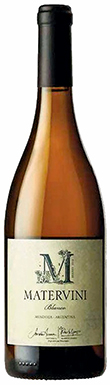
Matervini, Blanco, Uco Valley, Los Chacayes, Mendoza, Argentina, 2018
94
A rich and powerful white wine that displays a weight and density akin to a red wine. After five days on skins and co-fermentation between Marsanne (93%) and Viognier (7%) it displays subtle and sophisticated notes of ripe yellow fruits, hazelnuts, honeysuckle and almonds. On the palate it has weight, density and a creamy texture, as well as savoury complexity and well-judged oak. The alcohol level is noticeably high at 14.5% but it has wonderful freshness to ensure harmony.
2018
MaterviniUco Valley
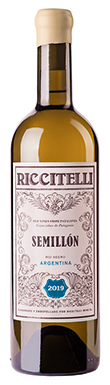
Riccitelli, Old Vines Semillon, Río Negro, Patagonia, Argentina, 2019
94
Aromas are refined, subtle and seductive, including stone fruits, fresh dough, citrus fruits, floral notes and a hint of spice. On the palate it has incredible freshness and excellent concentration allied with well-judged oak, spending a few months in 2,000-litre foudres to gain weight and texture, without imparting overt oaky flavour. Refined and well integrated, boasting excellent purity of fruit. This is a wine that in 10 years’ time will not only be drinking magnificently, but will also be credited for contributing to the variety’s revival in South America.
2019
RiccitelliRío Negro
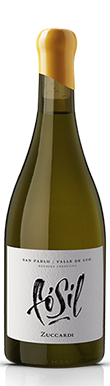
Zuccardi, Fósil, Uco Valley, Mendoza, Argentina, 2018
93
Grapes for this wine are sourced from vineyards planted at 1,400m in San Pablo, Uco Valley. On the nose it displays refined aromas of citrus fruits, melons, star fruit, fresh dough, wild flowers and a hint of spice. There is a sense of Burgundian elegance to this wine. It is not exuberant, but subtle and precise. On the palate it is dry, displaying good tension and freshness, a creamy texture and a sophisticated finish.
2018
ZuccardiUco Valley
J Bouchon, Batuco Estate Semillon, Maule Valley, Chile, 2018
93
This sensational wine is made with fruit from a dry-farmed vineyard planted in the 1940s. Grapes were hand-picked, whole bunch pressed and aged in French oak for 12 months. It oozes class. Pure and precise with notes of citrus fruits, orange blossom, wet hay, green chillies, slate and fresh dough, as well as a hint of nuttiness. On the palate it is dry, displaying beautiful freshness, a sophisticated texture and exceptionally well-judged oak. Perfect for enjoying now and will age gracefully.
2018
J Bouchon
Bodega Trapiche, El Esteco Old Vines 1945 Torrontés, Calchaquí Valley, Salta, Argentina, 2019
93
Grapes for this wine were meticulously sourced from 239 vines that were planted over 70 years ago, using the traditional parral system (pergola). Intense and attractively perfumed, including notes of white roses, lime zest, lychees, jasmine and grapey aromas. On the palate it is dry with exceptional concentration of fruit and a wonderful balancing freshness. Despite its richness and power, as well as 14% alcohol, it is harmonious. This is an outstanding example of Torrontés.
2019
Bodega TrapicheCalchaquí Valley
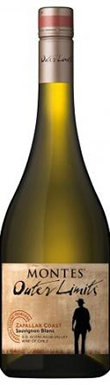
Montes, Outer Limits Sauvignon Blanc, Zapallar, Aconcagua Valley, Chile, 2019
92
The name of the wine illustrates Aurelio Montes’ desire to push the boundaries of viticulture in Chile. This vineyard, located on the Zapallar coast, only 7km from the ocean, offers pure, precise and intense aromas of mango, passion fruit, asparagus, grapefruit, green peas and pomegranate. On the palate it combines exuberance of fruit with a refined texture and a wonderfully long finish that's packed with tropical fruits.
2019
MontesZapallar
Leyda, Single Vineyard Garuma Sauvignon Blanc, Leyda Valley, San Antonio, Chile, 2019
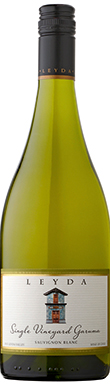
92
This single vineyard located on west facing slopes receives abundant cool breezes from the ocean, which contributes to its pungent aromas of freshly cut green peppers, asparagus, grapefruit, lime, tropical and grassy notes. On the palate it displays lovely texture and good concentration of fruit underpinned by racy acidity.
2019
LeydaLeyda Valley
Pizzato, Sémillon, Vale dos Vinhedos, Serra Gaúcha, Brazil, 2018
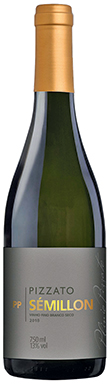
92
The Pizzato family is responsible for some of the Brazil’s best wines. Semillon is a surprising, albeit welcome, addition to their range. Fruit is sourced from a vineyard planted in 2012 and the wine is made with great care and attention. It displays enticing and complex aromas of citrus and ripe yellow fruits, wild flowers, nutty notes and sweet spices. The palate is harmonious with balancing freshness, good concentration of beautifully ripe yellow fruits, nuts and savoury complexity.
2018
PizzatoVale dos Vinhedos
Susana Balbo, Signature White Blend, Uco Valley, Altamira, Mendoza, Argentina, 2019
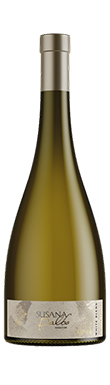
92
A creative blend of equal parts of Sauvignon Blanc, Semillon and Torrontés using fruit from Finca La Delfina in Altamira. It results in an uplifting and fragrant bouquet of elderflower, dill, green tea, citrus fruits and grapey aromas. The wine spends four months in French oak barrels (60% new and 40% used) to gain texture and complexity. On the palate it is dry, with assertive acidity, a beautiful texture and a pleasant, persistent and refreshing finish.
2019
Susana BalboUco Valley
Bodega Colomé, Lote Especial Sauvignon Blanc, Salta, Argentina, 2018
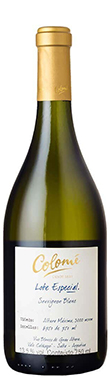
92
An unusual style of Sauvignon Blanc from an exotic place. Fruit for this Sauvignon comes from Finca Altura Máxima located at 3,000m. It is forward, expressive and displays intense aromas of green peas, ripe yellow fruits, passion fruit, star fruit, basil and cut grass. On the palate it is exuberant, exotic and powerful, whilst underpinned by lively acidity to ensure overall harmony.
2018
Bodega Colomé
De Martino, Parcela 5 Sauvignon Blanc, Casablanca Valley, Chile, 2017
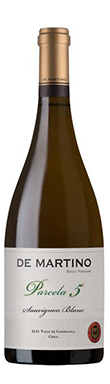
92
Made from a small, low yielding parcel established on a hillside in the Coastal mountain range, only 20km from the sea. It is attractively scented with aromas of ripe stone fruits, citrus zest, tropical fruits, white flowers, bay leaves and sweet spices, derived from well-judged oak. On the palate it is dry with balanced acidity, a creamy texture and a persistent, refreshing and complex finish.
2017
De Martino
Casa Marín, Estero Vineyard Sauvignon Gris, San Antonio, Chile, 2019
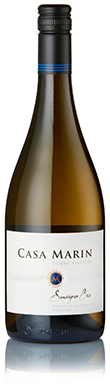
92
Vivacious and inviting aromas of green peas, passion fruit, hay, pink grapefruit, tropical fruits, white pepper and floral notes. Morning fog and ocean breezes ensure that the wine retains wonderful freshness on the palate and helps to balance its exuberant flavours. The wine is dry, displays a creamy texture and a wonderful persistent finish.
2019
Casa Marín
Riccitelli, Blanco de La Casa, Mendoza, Argentina, 2019
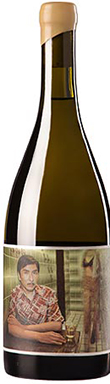
91
Matías Riccitelli shows creativity with his blend of 20% Chardonnay, 40% Sauvignon Blanc and 40% Semillon that is fermented and aged in concrete eggs for eight months. The wine is defined and focused, with notes of citrus fruits, yellow plums, fresh dough and mineral notes. Dry, laser-sharp freshness, great purity and elegance. This wine is all about freshness and subtlety.
2019
Riccitelli
Leyda, Lot 5 Chardonnay, Leyda Valley, San Antonio, Chile, 2016
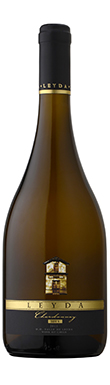
91
This wine originates in from El Granito vineyard, planted in 2010 in the Leyda Valley, a stone's throw from the Pacific Ocean. Vibrant and attractive golden colour. On the nose it exudes aromas of ripe yellow fruits, citrus zest, hut cross buns, brioche and hints of butterscotch, as well as toasty oak and nutty notes. Traditional, broad and creamy style of Chardonnay, however balancing acidity enables the wine to retain a sense of harmony.
2016
LeydaLeyda Valley
Bodega Colomé, Estate Torrontes, Calchaquí Valley, Salta, Argentina, 2019
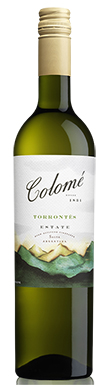
91
A wonderful example of Torrontés from high altitude vineyards (1,700m) in Salta. It exhibits a pale straw colour with a golden hue. Aromas are vibrant and youthful including rose petals, grapefruit, lychees and a hint of ginger spice. On the palate it is intense, forward and expressive, underpinned by balancing freshness. Alcohol at 13.5% is warm but well integrated.
2019
Bodega ColoméCalchaquí Valley
Susana Balbo, Signature Barrel-Fermented Torrontés, Uco Valley, Altamira, Mendoza, Argentina, 2019
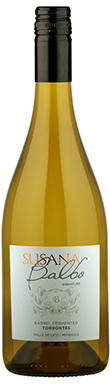
91
Susana Balbo understands Torrontés better than most and is brave enough to try new things. This is a barrel fermented and aged Torrontés made with grapes sourced from Altamira, in Uco Valley. It is fragrant and attractive, displaying notes of elderflower, white pears and wild flowers as well as a hint of vanilla and sweet spices. On the palate it is well-structured, showing excellent varietal character, personality and impressive ability to maintain its freshness.
2019
Susana BalboUco Valley
Bodega Garzon, Reserva Albariño, Maldonado, Uruguay, 2019
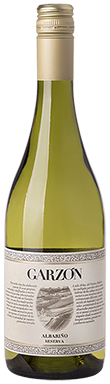
90
A solid wine from an ambitious project in the district of Maldonado on southern Uruguay's Atlantic coast. The wine is youthful and displays pure and precise aromas including grapefruit, peach, apples, fresh dough, gentle floral and a hint of minerality. Dry, balancing acidity, silky texture, moderate concentration and an attractive savoury edge, as well as hint of bitterness on the finish that is typical of Albariño.
2019
Bodega Garzon
Bodega Norton, Perdriel Series Sauvignon Blanc, Mendoza, Argentina, 2017
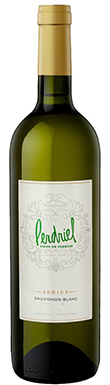
90
This is not your usual pungent and fruit-forward style of Sauvignon, but instead shows real depth and finesse. It displays refined aromas of citrus fruits, elderflower, green peas, kiwi, lemongrass and fine herbs. On the palate it is dry with balancing acidity, a subtle oily character, creamy texture and remarkable concentration of fruit.
2017
Bodega Norton
Clos des Fous, Loucura 1 Chardonnay, Cachapoal Valley, Chile, 2016
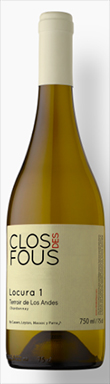
90
‘Fous’, which is the French word for 'crazy’, is the word outsiders used to describe this project’s philosophy, which revolves around crossing traditional boundaries of viticulture. This is an intriguing and cerebral wine that requires contemplation. Its aromas include lime zest and ripe yellow fruits, as well as oily and waxy notes. On the palate it has great concentration, a creamy texture and balancing freshness, with elegant, savoury and nutty complexity as it evolves in the glass.
2016
Clos des Fous
Guaspari, Vale da Pedra White, São Paulo, Brazil, 2017
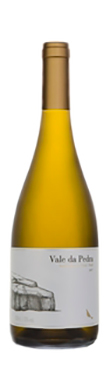
90
Very interesting wine from a tropical climate, that is achieved by double pruning vines to invert the growing cycle, thus allowing grapes to be picked in the autumn. This is a Sauvignon Blanc driven blend (83%) with a touch of Viognier (4%) and Chardonnay (13%) grown in high altitude (around 900m) in the northern part of the São Paulo Estate. It displays elegant and subtle aromas of elderflower, stone fruits, passion fruit, pears and lemongrass. On the palate it is sophisticated and harmonious, with balancing freshness.
2017
Guaspari
J Bouchon, País Salvaje, Maule Valley, Chile, 2019
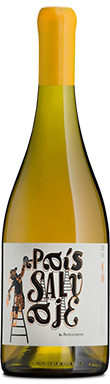
90
Salvaje' means 'wild' and relates to the way that these vines are grown freely within the natural flora. Vines grow up on the trees and must be picked by climbing wooden ladders 5m high. The wine displays a pale lemon colour and a hint of pink. It is youthful, delicate and attractive with notes of green apples, citrus fruits, pear and fresh dough. This is a low alcohol (12%), lean, austere wine with a hint of bitterness. It is crunchy, refreshing and has real personality.
2019
J Bouchon
El Esteco, Michel Torino Cuma Organic Torrontés, Salta, Argentina, 2019
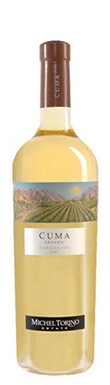
89
Great value organic wine displaying great varietal definition. It is youthful and attractively fragrant, with aromas of citrus zest, lychees, honeysuckle and floral notes. On the palate it is dry, with balancing freshness and a delicate bitter edge on the finish, typical of Torrontés
2019
El Esteco
Falernia, Riesling Reserva, Elqui Valley, Chile, 2018
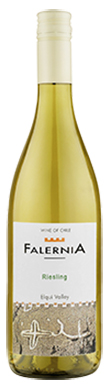
89
A well-made example of Riesling from the Italian maestro, Giorgio Flessati. It exhibits a pale straw colour. On the nose it displays citrus fruits, fresh herbs, hints of stone fruits and fresh dough. On the palate it seems off-dry with attractive, refreshing acidity, a pleasant texture and harmonious finish.
2018
Falernia
Don Guerino, Reserva Chardonnay, Serra Gaúcha, Brazil, 2018
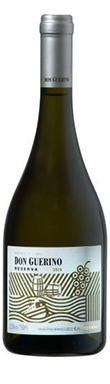
88
Youthful and attractive notes of citrus fruits, pineapple, melon, peaches, fresh dough and wild flowers. Dry and harmonious with a pleasant creamy texture, medium weight and refreshing finish. Overall it is a restrained and elegant, pure and precise style of Chardonnay.
2018
Don Guerino
Viña Zorzal, Eggo Blanc de Cal, Uco Valley, Tupungato, Mendoza, Argentina, 2018
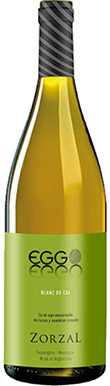
89
This is an edgy wine and full of personality. It displays a pale straw colour. The nose it is dominated by pronounced and distinct aromas of citrus fruits, fresh dough, flint and mineral notes. On the palate it is dry, crisp and austere. It has good texture, moderate alcohol and an oily touch. It does not shout Sauvignon Blanc but offers a very distinct, lean style.
2018
Viña ZorzalUco Valley
Catena, Appellation Luján de Cuyo White Clay, Luján de Cuyo, Mendoza, Argentina, 2019
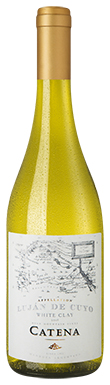
89
A blend of 60% Semillon and 40% Chenin Blanc made with fruit sourced from Lujan de Cuyo. It is youthful and intensely aromatic, displaying lively aromas of ripe yellow fruits, grapefruit, vanilla, sweet spices and nutty notes. On the palate it is dry, rich and buttery with a creamy texture, intense yellow fruit flavours and overt oaky notes.
2019
CatenaLuján de Cuyo
Catena, DV Catena Chardonnay Historico, Mendoza, Argentina, 2019
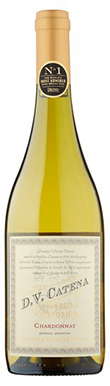
88
Grapes were sourced from four different vineyards varying in altitude from 950m to 1,450m. A style of wine that will please wine drinkers who favour exuberant fruit flavours and oaky notes. Aromas are youthful and attractive with notes of ripe yellow fruits and sweet spices. On the palate it is dry with balancing freshness and a pleasant texture, displaying oaky as well as nutty notes, that helps to add complexity.
2019
Catena
