The rise of ‘white Pinot Noir’ in the Pacific Northwest
Red grapes make red wine right? That's the conventional wisdom, but there historical examples of white wines being made from red grapes and not just in Champagne. Ani Duzdabanyan looks at the rise of white wine made from Pinot Noir in the Pacific Northwest.

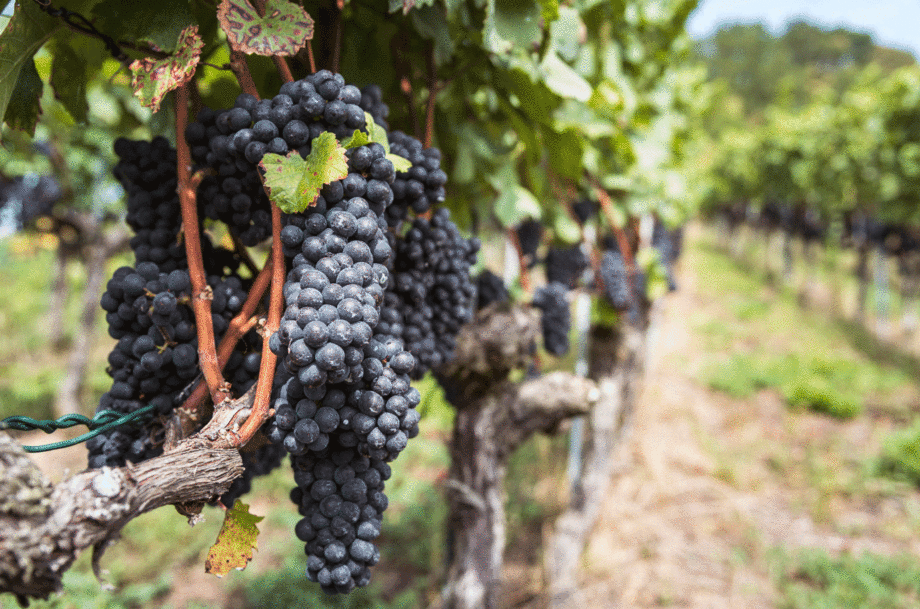
Can a black grape make a white wine? Although the question might seem odd, winemakers have been working with this idea for hundreds of years.
While black/red grapes have dark skins, which is responsible for the colour when making red wine, most (though not all) have white flesh – and therefore white juice. This allows the production of white wines made from black grapes by quickly and gently pressing the grape and avoiding colour extraction.
The practice of using red grapes in still white wine production has been known for centuries, and wines made this way are often referred to as ‘blanc de noir’ (literally ‘white from black’).
Though an established style, it’s not a common one. The white Merlots made in Switzerland’s Lugano region and the use of Pinot Noir and Pinot Meunier to make white Champagne, are among the most notable and famous examples.
But there’s a growing movement based around this concept in the Pacific Northwest of the United States.
From the ashes
In Oregon’s Willamette Valley, the relatively cool climate provides ideal conditions for Pinot Noir. Here, the grape is the leading variety, accounting for 60% of the overall planted acreage, according to the Oregon Wine Board.
However, the massive wildfires in 2020 and the fear that skins would retain smoke taint gave this new white wine production a boost, as it gave winemakers an outlet to salvage some of the black grapes from the difficult harvest by just using the white juice.
The result has been a growing number of ‘white Pinot Noirs’ that, rather than fading away as a one-off expediency, have become fixtures on winery line-ups.
Styles are varied, though many winemakers opt to age theirs in barrel for six to seven months before bottling – which means they’re ready in time for tastings in the spring.
In general, the profile is a clean, bright palate with notes of green apple, mandarin, and honeydew, with balanced minerality and acidity.
A new style for Oregon Pinot Noir
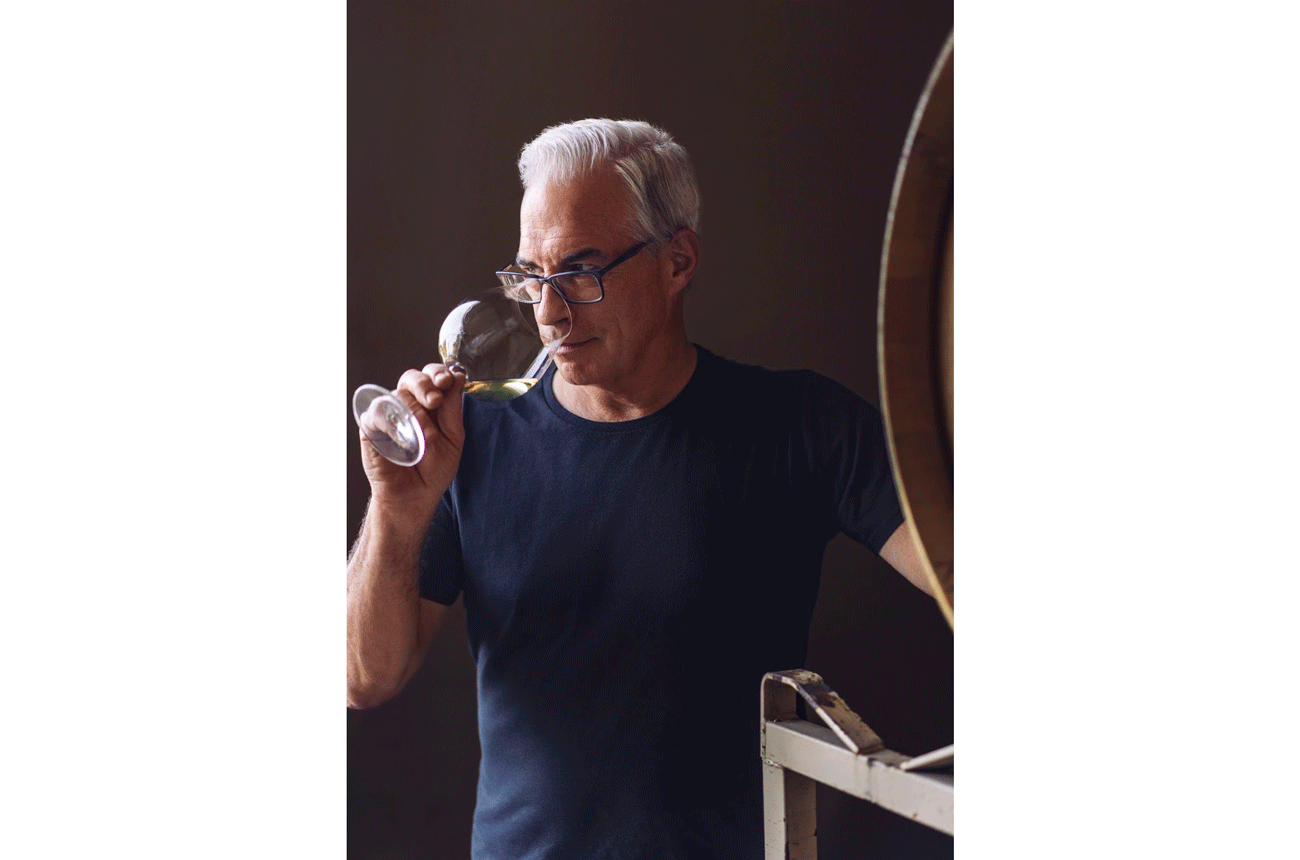
Tony Rynders, the co-founder of Tendril Cellars, was among the first winemakers to make white Pinot Noir in Oregon – long before the 2020 fires in fact.
While he was working at Domain Serene, he met a winemaker from Italy at the International Pinot Noir Celebration in 2004, who told him about the white Pinot Noir production in his region.
‘When he was describing it, the light bulb just went off for me. He didn’t have the wine with him, and I never tasted it, but I thought that it was cool and I wanted to make one,’ said Rynders.
It has become one of the signature wines, and one that Rynders continued to make at Tendril after departing Domaine Serene in 2008. At Tendril Cellars, he calls it ‘Pretender’ because, ‘it’s Pinot Noir, but it pretends to be a white wine’, and sells around 175 cases a year – nearly all of it direct from the cellar door.
He continues: ‘With Pretender, we pick the grapes at full maturity when the fruit is just ripe enough to make red wine. That is how we achieve the rich texture of this wine.’
Rynders does partial pressing and yields only about 60% of the juice used to make the wine. The juice maintains the grapes’ natural acidity and preserves the pH. He then matures the wine in neutral French barrels for 16 months, longer than other producers in the region.
During that period, the wine loses whatever colour it might have acquired during pressing. ‘By not having any poppable colour in our white Pinot Noir allows us to add more shelf life to the wine, a little more of the ageing potential. If there is a colour in these wines, they don’t age as well as they could,’ Rynders explains.
He decided to go even further and officially obtain approval for White Pinot Noir on the label by lobbying the Alcohol and Tobacco Tax and Trade Bureau.
In 2004, with the first vintage of the wine, he presented the idea to the agency and explained what it was and how it was made. ‘It didn’t really fit into a neat box for them. They initially weren’t going to let us use the term “White Pinot Noir” until I was able to convince them that it was Pinot Noir, just made as a white wine; So it is a tangent of Pinot Noir,’ Rynders remembers.
Still from sparkling

White Pinot Noir is one of the additions that another winemaker in Willamette Valley, Jessica Mozeico, introduced to Et Fille Wines in 2022.
‘It was never on my radar, and I was vaguely familiar with the concept,’ says Mozeico. ‘However, when I started making sparkling wine, I loved the base wine from our Pinot. I thought if I like the aromatics and acidity of this base wine, why not make it into a still wine?’
Mozeico uses the same block of Pinot Noir grapes for rosé and sparkling wine planted in 2003. This side of the vineyard is cropped more heavily to prevent fast maturity and the leaves are left to provide shade.
The grapes for rosé and white Pinot Noir are harvested at the same time. At the winery, these two wines are processed almost identically.
When pressed, Mozeico seeks free-run juice to minimise skin contact. There have been years when she refused to make a white Pinot because she couldn’t drop the colour.
‘There are certain things that I am looking for in this wine,’ says Mozeico, ‘I am looking for white colour, stone fruit aromatics, nectarine, peach, and some early strawberries. But if it starts to get beyond that, I put it in the rosé category.’
A Washington white wine maverick

In Washington State’s Columbia Valley, there aren’t many producers working with Pinot Noir.
The region is largely characterised by hot growing conditions and is a preferred terroir for Bordeaux varieties like Cabernet Sauvignon and Merlot, and has become well known for Syrah.
Massalto works with one of the few vineyards to grow the grape there, and it’s the only winery using it to make white wine.
‘It reminds me of a combination of Viognier and Chardonnay. Part of that is the barrel fermentation. But with the notes of stone fruits and citrus, Pinot Noir makes me think of a white wine, actually,’ says Matías Kúsulas, the co-founder of Massalto Wine.
After tasting a white Pinot in Oregon in 2018, Kúsulas and his business partner, Chef Michael Ruhland, decided to make one at Massalto from fruit grown at Solaksen Vineyard, part of the Lawrence Estate Vineyards, where Kúsulas makes the wines at Gård.
Massalto is becoming known for its unorthodox and innovative approach to winemaking (using techniques like pre-and/or extended post-fermentation maceration), evident in the white Pinot Noir.
Along with playing with the harvest time to further drive certain flavours in the wine, in the cellar, Kúsulas tinkers further, pressing whole bunches at different pressures, and choosing between partial and no malolactic fermentation.
All of this experimenting took the winemaker through several harvests before Kúsulas achieved the bold style he sought; something that ‘separates them from the others,’ he says.
The 2020 vintage eventually gave him what he was looking for.
Unlike previous years, the fruit was left to hang longer. After pressing, the juice went straight to the barrel and produced a completely different profile than they expected for white Pinot Noir. ‘Very rich, tons of stone fruit with a little bit of citrus, the viscosity, the texture was amazing! It was actually a very serious wine,’ says Kúsulas.
This became the way Massalto makes its white Pinot Noir called Facade. The label’s artwork is a woman with a mask, partially covering her face, like this red grape, pretending to be something else.
A selection of white Pinot Noir:
Related articles
Wines of the Year 2025: North America
Napa Cabernet 2022: Best value wines of the vintage
How did 2025 taste for you? US wine professionals name year-defining styles
Brashley, White Pinot Noir, Mendocino County, Anderson Valley, California, USA, 2021

Sourced from estate Anderson Valley vineyards, this white version of Pinot Noir sees no time with the skins and is fermented in concrete. From there, it goes into a mix of stainless steel and neutral oak—aromas of white pepper and ocean salinity with a note of lemon meringue. The palate is creamy with tart lemon pulp, creamy lemon pastry cream and mouthfuls of florals.
2021
BrashleyMendocino County

Domaine Serene, Coeur Blanc White Pinot Noir, Willamette Valley, Dundee Hills, Oregon, USA, 2023
Pommard is a great white Pinot variety. They’re juicy berries, it’s hyperoxidised, browned out juice, they only collect the soft-pressed fruit, barrel fermented. This is a blend of Côte Sud with Triple Crown, offering richness and texture. Tropical and fruity across the nose with honeyed aromatics, and plenty of oak influence. Côte Sud provides tension and energy. This wine is a blend of both. Plenty of juicy pineapple and papaya. This is a hedonistic, decadent wine with a vanilla note.
2023
Domaine SereneWillamette Valley
Emeritus Vineyards, Hallberg Blanc, Sonoma County, Russian River Valley, California, USA, 2022
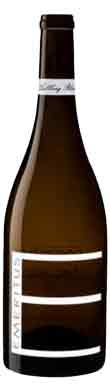
A Pinot Noir made with no skin contact turns out wonderfully in the Hallberg Blanc. Honeyed peaches and white flower aromas announce this well made still Blanc de Noirs. The palate is lush, layered and gorgeously textured. Rich lemon curd, honeyed apricot flesh and notes of almond pastry cream carry the finish.
2022
Emeritus VineyardsSonoma County
Open Claim Vineyards, White Pinot Noir, Willamette Valley, Mt. Pisgah, Oregon, USA, 2022
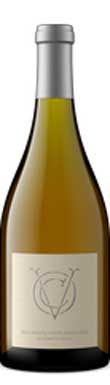
This wine is over-vintaged with 16 months in all-neutral oak barrels, whereas most white Pinot Noirs are made in steel: white floral aromatics and ripe nectarine with notes of honey. The palate is fresh, and the wine has a great sense of texture. Macerated peach and honey, with a notion of pear pastry cream.
2022
Open Claim VineyardsWillamette Valley
Sequitur, White Pinot Noir, Willamette Valley, Ribbon Ridge, Oregon, USA, 2022
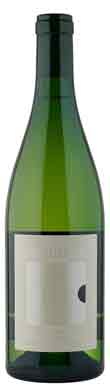
A white Pinot Noir, this wine was the result of navigating the smoky 2020 vintage and has become a favourite so they've stuck with it. The blocks along the tree lines surrounding the vineyard are the source of this wine. Michael tasted Pinot Gris from Alsace, the oily character and ageability are what he wanted in white wine. The aromatics of stone and white pepper are somewhat muted. There is a viscosity to the palate, and honeyed apricot flesh is married to tarragon savoury herbs and white pepper.
2022
SequiturWillamette Valley
Amity Vineyards, White Pinot Noir, Oregon, USA, 2023
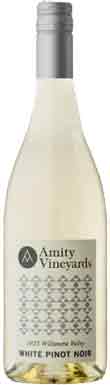
Pinot Noir, the signature grape of the Willamette Valley, is made here as a white wine. This wine comes from throughout the Valley, with more than a 1/3 of it coming from the Eola Amity Hills. Aromatics shine with grace and lift, showing sweet apple blossom florals and ripe, sweet pomme fruits. The palate is concentrated with fleshy stone fruits, candied peaches and wild green strawberries.
2023
Amity Vineyards
Lumos Wine Co, Chiquita Rosé, White Pinot Noir, Willamette Valley, Oregon, USA, 2023
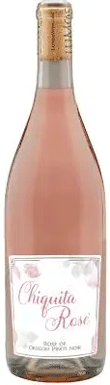
The Chiquita Rosé is a White Pinot Noir. It's showy with apricot, cut melon, strawberries and cream. The palate is mineral and crisp, with salted watermelon, apricot skin, lemon grass and wet stone keep this wine taut and brisk through the finish.
2023
Lumos Wine CoWillamette Valley
bigLITTLE, Treehouse White Pinot Noir, Leelanau Peninsula, Michigan, USA, 2018
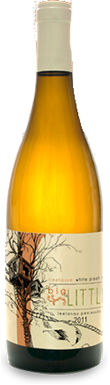
Produced by innovative young winemaker Michael Laing, this Pinot Noir is whole-cluster-pressed and then fermented off the skins in new and used casks to create a lovely Blanc de Noirs with notes of ripe apricot, marzipan and white flowers. On the palate, the texture is pleasantly dense yet shows a deft balance between fresh acidity and rich extract. Marvellous!
2018
bigLITTLELeelanau Peninsula
Lichen Estate, White Pinot Noir, Mendocino County, Anderson Valley, California, USA, 2023
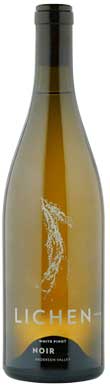
Making remarkable sparkling wines in the Anderson Valley, Lichen Estate turns its attention to a still Blanc de Noirs in this white Pinot Noir—airy aromas of cut pear, white florals and zesty sweet citrus. The palate is creamy and complex with a stony and saline minerality that goes well with the lemon curd and beeswax, carrying the wine to its finish.
2023
Lichen EstateMendocino County
Massalto, Façade, Columbia Valley, Royal Slope, Washington, USA, 2021
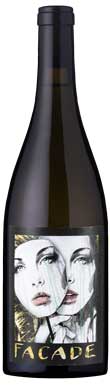
A Pinot Noir from Cabernet country and the Solaksen Vineyard, this wine is rising rapidly on the strength of Cabernet Sauvignon. Made with barrel fermentation, it has notes of lemon curd, honey, and ripe apricot. The palate has excellent texture, rich almond pastry cream, honeyed, ripe yellow peaches, and a hint of poached pear with nutmeg. It's very ripe, at nearly 15%, which masks the varietal character.
2021
MassaltoColumbia Valley
