Where has all the vintage Champagne gone?
Our Champagne correspondent has noticed something. Is the vintage Champagne category disappearing? Or is it just that no one is talking about it much anymore? Might this be the sweet spot for Champagnes with the best quality to price ratio? Tom Hewson finds out.


There are few wine regions in the world where vintage means as much as it does in Champagne.
But what exactly are vintage Champagnes, and is this once-exalted category starting to fade in importance?
Tom’s pick of the best vintage Champagnes listed below
Champagne aficionados of the first half of the 20th century would likely find themselves baffled by today’s Champagne terminology: non-vintage, multi-vintage, single-vineyard, limited editions, late-disgorged releases, vintage, premium vintage, prestige cuvée, library releases…the list goes on.
Fitting today’s Champagnes into neat style categories is rather complex.
What’s more, Champagne houses regularly have six to 10 cuvées in their range, where once there may have been two or three.
Up until the 1970s, though, the choice was simple: either non-vintage or vintage.
Vintage Champagne: What does it mean?
The region’s appellation regulations help to simplify things somewhat: a non-vintage Champagne cannot carry a year of production on the label; it may be produced from a blend of harvests; and it must spend a minimum of 15 months ageing before release.
A vintage Champagne, on the other hand, is the product of one sole harvest (which has to appear on the label), and it must spend a minimum of 30 months ageing before release (although they are regularly aged for much longer).
Price gap
Vintage Champagnes have always been more expensive than non-vintage Champagnes. Today, the price gap has widened further.
André Simon’s 1962 book The History of Champagne reports that a 1945 agreement between the Ministry of Food and the Wine and Spirit Trade Association, aimed at suppressing the black market after World War II, stipulated final selling prices of grandes marques vintage and grandes marques non-vintage as 28 shillings and 25 shillings respectively.
Hardly much of a premium when you consider that today’s vintage Champagnes are commonly around two or three times the price of their non-vintage counterparts. Take Taittinger for example, whose non-vintage currently retails at £36 while its vintage is £61.
The emergence of prestige cuvées
By the 1970s, the idea of a category even more exalted than vintage began to form.
According to writer Cyril Ray in his 1971 book Bollinger, Tradition of a Champagne Family, Bollinger realised in 1961 that it was ‘expected to produce a premium quality wine’ above its non-vintage and vintage offerings.
This premium offering later became Bollinger’s prestige cuvée, RD.
This followed on from the early successes of Moët et Chandon’s Dom Pérignon and Taittinger’s Comtes de Champagne.
Since then, the basic understanding of Champagne’s quality has been three-tier: non-vintage, vintage and prestige cuvée.
But is the middle child now being forgotten about?
Vintage squeeze

Ray writes of grandes marques producing single-vintage wines as ‘a means to getting talked and written about’.
Today, however, it’s the prestige releases that tend to steal the limelight, with the vintage category languishing.
Champagne’s 2024 export report showed that prestige cuvées represented a huge 18.9% of the region’s value, while the vintage category was the smallest of all at 1.5%.
Some houses, such as Billecart-Salmon, have stopped making vintage Champagne altogether. Others, such as Ruinart, make such tiny quantities that they are not even found in the UK market.
Value hiding in plain sight
Even if quantities are small, though, many of the major houses still make mid-tier vintage Champagnes that retail between £70-£100.
Producers such as Lanson, Piper-Heidsieck, Deutz, Taittinger and Laurent-Perrier all make vintage cuvées that offer serious value, regularly available for £80 or less.
That value stems from an excellent growing season, top-notch base wines, rigorous blind tastings and an open-minded approach to finding the grapes that best tell the story of the year, even if they’re not from the sort of prized grand cru sources that are used for prestige cuvées.
To illustrate this last point, Elise Losfelt, former cellar master of Charles Heidsieck, says that the house’s 2018 vintage relied heavily on Chardonnay from a rather unlikely source: the little-known village of Trigny, in the Petite Montagne de Reims.
Surprisingly, it had a ‘kick of freshness and concentration’ from a vintage that could be ‘heavy and mature,’ she says.
Perhaps Trigny’s Chardonnay will never step into the limelight again, but it’s a perfect example of why the blending of vintage Champagne tests the winemaker’s creativity, rarely using the exact same ingredients from one year to the next.
Vintage cuvées evolve
Elsewhere, inventive producers have taken to re-imagining their vintage cuvées, with names and identities beyond a simple millésimé.
At Champagne Palmer & Co, vintages are made in top years, but only released once the quality is deemed high enough after a six year ageing period.
It’s a sort of ‘double selection,’ according to managing director Rémi Vervier. Palmer & Co’s vintage cuvée is now known as Grands Terroirs, to highlight its link to the vineyards of the northern Montagne de Reims.
Other houses are also seeking to lend these more expensive wines a stronger stamp of identity and heritage than simply the vintage.
Louis Roederer, for example, which makes its vintage release from Pinot Noir from the clay-rich terroirs of the house’s own La Montagne estate in the northern Montagne de Reims. By contrast, the shallower, chalky plots are selected for the (much larger) production of Cristal.
Philipponnat’s cuvée 1522 is another example. ‘Clos des Goisses [the estate’s top wine] is a single-vineyard cuvée, and I felt we needed a superior vintage cuvée,’ says head of the house Charles Philipponnat, ‘so we created 1522 in the year 2000 as a homage to our ancestors, who owned vines in the [lieu-dit] Le Leon in Aÿ in 1522.’
The 1522 cuvée is based heavily on Pinot Noir from the Le Leon lieu-dit.
A vertical back to the original 2000 release confirmed what many in Champagne know well: despite their relative insider status today, these meticulously made wines, sourced from some of Champagne’s top villages, can age beautifully, even if they may reach maturity a little before their prestige siblings.
Tips for buying vintage Champagne
Current sweet spots for vintage Champagne range from the 2008 to 2012 releases.
Well-stored vintage releases back to the mid 1990s are also well worth exploring.
It can be worth trading up to magnums at vintage level, too. The 1996 shone at a recent tasting, and even promised further ageing potential.
Even if prestige cuvées have taken vintage Champagne’s seat at the top of the table, this remains a happy hunting ground for anyone in search of true value.
Identifying the cuvées may be a little more complex than it was in 1945, but as a way to explore the heights of long-aged, well-sourced Champagnes – and even plan fascinating comparative tastings without breaking the bank – the vintage category is hard to beat.
Top 15 vintage Champagnes to seek out:
Related articles
- Does affordable Champagne still exist? Here are 15 of the best
- Petite Montagne, grand ambition: Ten top wines from an exciting corner of Champagne
- Champagne Laurent-Perrier: Rosé perfectionists
Louis Roederer, Late Release (Magnum), Champagne, France, 1996
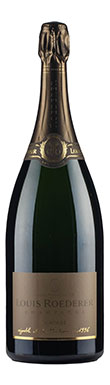

A fine example of just how elevated vintage-level releases can become with time. Louis Roederer's Late Release 1996 in magnum was disgorged at the same time as the main release (2004), yet aged in the Roederer cellars on cork until its release in 2022. The vintage's stunning energy and acidic drive are unusually well integrated here. Explosive gunflint-reduction aromas meet maturing complexity of charred lemon, toffee apple and sourdough bread. Piercing, driving and silky, it's a hugely engaging wine that makes the most of the slow ageing magnum format. Like most Roederer vintages currently released, this is exclusively Pinot Noir from Verzy and Chardonnay from Chouilly.
1996
Louis Roederer

Laurent-Perrier, Brut (Magnum), Champagne, France, 2008
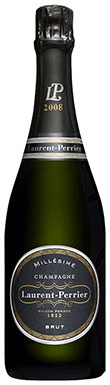
Tasted from magnum. As fine an argument for buying magnums of vintage Champagne as one could make, Laurent Perrier's brilliant 2008 is still going strong 17 years from the harvest. It offers serene, crisp white currant, pear and candied lemon fruit over a wonderfully seductive, reductive and sleek bedding of gunflint, toasted hazelnut, sourdough, croissant and the richness of caramel and dried stone fruits. The mousse has settled into satin smoothness, even if the wine itself is still showing plenty of 2008's driving acidity. It's now hitting its peak in magnum, while 75cl bottles are already mature.
2008
Laurent-Perrier
Philipponnat, 1522, Champagne, France, 2013
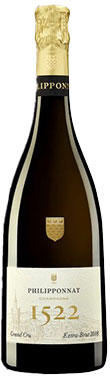
The cool 2013 vintage has come around beautifully for the 1522, Philipponnat's vintage cuvée focused on Pinot Noir from the house's historical vineyards in Aÿ. A meeting point of richness and restraint, it leaps from the glass with aromas of dried apple, maple and caramelised pineapple. The palate is driving with sweet lemon acidity and it is developing some liquorice, dried apricot and butter complexity with age. It has a medium build, and with its softening, cushioned mousse, it's entering a rewarding drinking window.
2013
Philipponnat
Louis Roederer, Brut, Champagne, France, 2016
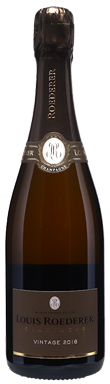
Louis Roederer's 2016 vintage features plenty of Pinot Noir from the northern slopes of the Montagne de Reims, which shows some of the vintage's typical mixture of juicy up-front fruit and freshness. It still feels young – this needs more time than some current vintage releases – but it is tightly packed with ripe apricot, fragrant blackberry and strawberry fruit and a tapered, elongated finish brightened with zesty Chouilly Chardonnay. There's a touch of nutty savour building, too, with a third of the wine fermented in oak. This will come into its own with another three to five years in the cellar.
2016
Louis Roederer
Philipponnat, 1522, Champagne, France, 2018
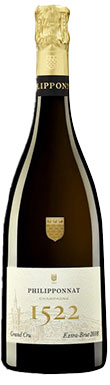
In a year when some vintage Champagnes are almost too easy-going, Philipponnat has captured some serious complexity and drive in this fine 1522 in one of the top releases of the vintage so far. Opening with bright, spicy ginger and pepper top notes, the ripe Pinot from Aÿ unfolds with generous raspberry and strawberry fragrance and dried pear maturity. The Chardonnay from Oger pulls the wine forward with salted lemon intensity. It's a fulsome, relatively structured 2018 displaying some ageworthiness; two or three years in bottle will yield even more aromatic generosity.
2018
Philipponnat
Veuve Fourny, Monts de Vertus, Côte des Blancs, Champagne, France, 2016
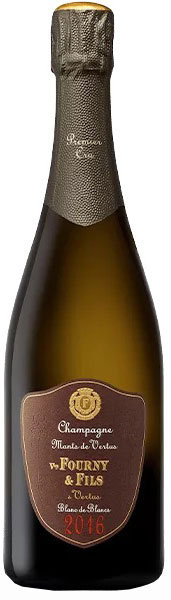
The small house of Veuve Fourny in Vertus crafts a large range of wines focused on the Chardonnay of the southern Côte des Blancs, with this cuvée the main vintage-level offering. It is consistently an excellent purchase. The current 2016 release, focused on the stricter, chalkier terroirs of Vertus, comes with immediately engaging charred pineapple, nougat and lemon marmalade aromas, beautifully measured and clean while driven by salty bread savour and elongating acidity. It's a seriously fine vintage blanc de blancs to compete with many of the top maison examples.
2016
Veuve FournyCôte des Blancs
Palmer & Co, Grands Terroirs, Montagne de Reims, Champagne, France, 2015
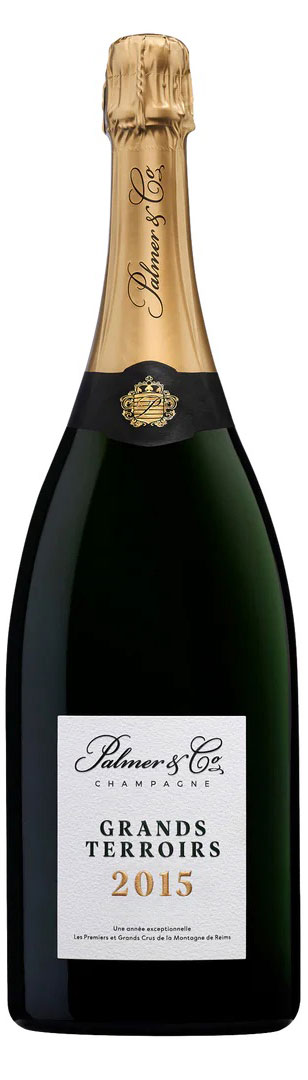
Palmer's Grands Terroirs releases represent its top vintages, blending Pinot Noir and Chardonnay from the northern and eastern Montagne de Reims. This has proven itself a very fine 2015 over the last three years since release, opening up post disgorgement with buttery toast, roasted apricots and pears, dried limes and orange blossom. The ripeness and heat of the year is felt in the concentrated, food-friendly structure, but it still retains plenty of length and refreshment value, without any of the vegetal or tough flavours that sometimes pop up in this extremely hot, dry year.
2015
Palmer & CoMontagne de Reims
Pol Roger, Blanc de Blancs, Côte des Blancs, Champagne, France, 2016
Pol Roger has three vintage-level wines, and the Blanc de Blancs 2016 is on fine form, carrying some of the house's typical creamy generosity. This is a Blanc de Blancs that is never on the tense or piercing end of the spectrum for the style. In the ripe 2016 vintage it's a delight, not heavy at all, and full of inviting aromas of toasted baguette, apricot, demerara sugar and tarte tatin. The texture is satin-smooth with a meringue-soft mousse and a twist of bitter orange, rather than driving acidity, to cut the close. This will open out beautifully in the short term. All the Chardonnay is from grand cru vineyards in the Côte des Blancs.
2016
Pol RogerCôte des Blancs
Taittinger, Brut, Champagne, France, 2016
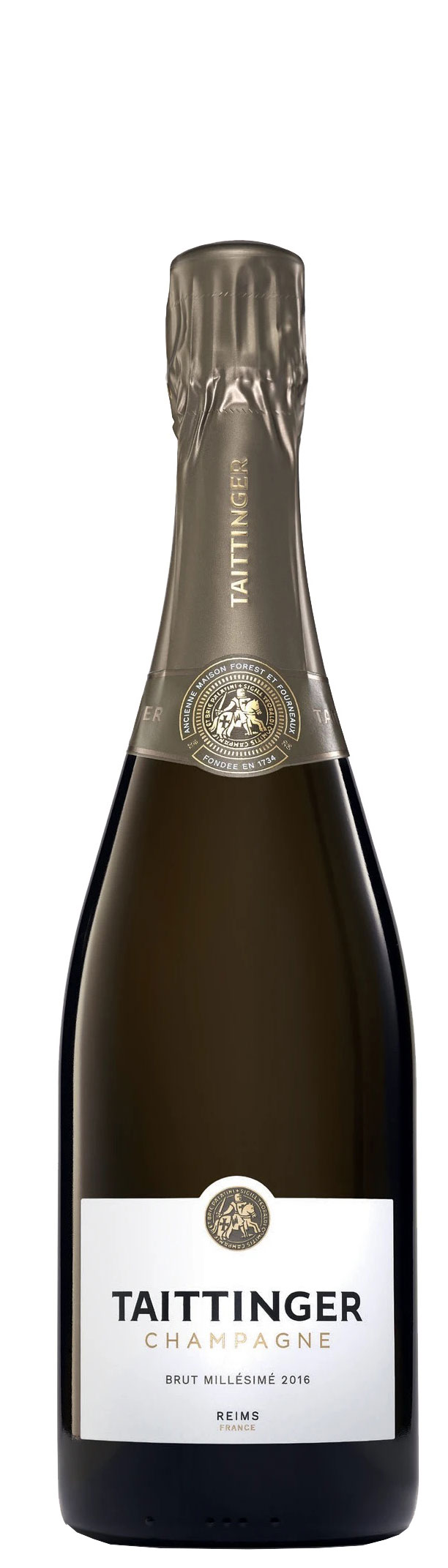
Taittinger's vintage cuvée has been on a fine run of form, showcasing plenty of approachability beneath glossy, complex and decadent aromatics. Bittersweet roasted lemon, apple tart and pastry cream meet lots of ripe, juicy orange citrus typical of the year, with the complexity of toasted nut and nutmeg emerging. Not for those that like their Champagnes ultra-dry, but the 9g/L dosage will continue to integrate over many years to come.
2016
Taittinger
Gosset, Grand Millésime, Champagne, France, 2016
Gosset's 2016 vintage is a pretty, rather delicate take on the year thanks to its Chardonnay dominance (which is slightly unusual for the house), with Russet apple, apricot, cherry and blossom flavours emerging over toasted nut, oyster shell and sourdough complexity. It's restrained rather than overly fruity, with a compact, tapered palate. Ready to drink now, this will hold well for five years.
2016
Gosset
Palmer & Co, Blanc de Blancs, Montagne de Reims, Champagne, France, 2018
Palmer's emblematic Blanc de Blancs has always been a single vintage wine, but now it is once again (helpfully) labelled as one after a period of being labelled without a vintage. The sunny 2018 has yielded a beautifully open, effusive Chardonnay, with grapes coming mostly from the Montagne de Reims, although there's some admirable restraint and focus for what can be a very open-knit vintage. It is full of toasted baguette, lemon marmalade, white peach and orchard blossom aromas. The palate is sweet-fruited yet far from simplistic, with the lees-ageing of almost six years bringing delicious toasted-nut savour and a creamy texture.
2018
Palmer & CoMontagne de Reims
Henriot, Brut, Champagne, France, 2015
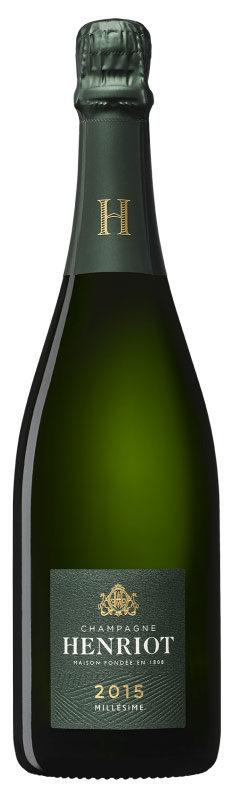
The Henriot Brut vintage always represents fine value, and the latest release – with more than eight years ageing on lees in the house's cellars – arrives from the sunny, broad 2015 vintage. It's a relatively restrained, discrete and medium-bodied take on the vintage, with flavours of green pear, apricot and honey, a light herbal streak and an integrated, ripe fruit skin bitterness adding a touch of grip. Like many 2015s this will do as well at the table as for an aperitif.
2015
Henriot
Moët & Chandon, Grand Vintage, Champagne, France, 2016
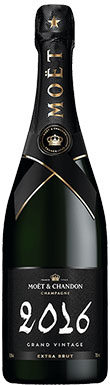
Grand Vintage 2016 sums up the year's strong suits very neatly – beautiful ripeness without heaviness, compact build and fine ageworthiness. It's a characteristically clean-cut, snappy vintage from Moët, with aromas of fresh baguette, satsuma, sweet red apple and strawberry, all framed with the toasty sourdough aromas typical of the house. There's some concentration and vinosity lurking here, even with the house's delicate style and pinpoint, meringue-soft mousse. This seems destined to be one of the top Moët vintages of late.
2016
Moët & Chandon
Charles Heidsieck, Brut, Champagne, France, 2018
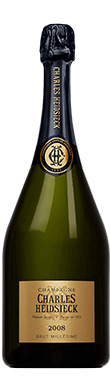
Charles Heidsieck's 2018 is an unusual assemblage which successfully finds some focus and energy in this generous, sometimes slightly diffuse ripe vintage. Alongside plenty of juicy stone fruit Pinot Noir and sweet, sunny tangerine there's an appealing snap of bittersweet grapefruit Chardonnay, a large part of which unusually hails from sandy Trigny just north of Reims. The stylish toasty nougat richness, set against the clean-cut precision and easy approachability of the house, is certainly on show, and both 2018s present fine mid-term drinking
2018
Charles Heidsieck
Piper-Heidsieck, Champagne, France, 2018
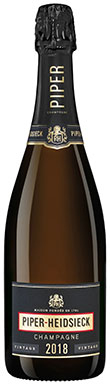
The warmth of 2018 is reflected in the sweet orange citrus, fragrant raspberry and tropical juiciness promised on the nose of Piper-Heidsieck's fine 2018, already complex with some coffee macaroon, fresh dough and toasted nuts and bright with a jasmine-like aromatic lift. 2018 is never a high-acid vintage, but this release holds itself in tightly with reductive freshness. It’s snappy and surprisingly long with subtle candied grapefruit peel grip and delivers with a more elegant, tapered shape than many wines of the year. Ready to enjoy, although this is a 2018 with enough latent energy to age over the short term.
2018
Piper-Heidsieck
