
Which Burgundy vintages to drink this Christmas
Burgundy wines, along with Bordeaux, are so often the instinctive first choice for the festive season's main event. But which are the prime vintages (and appellations) you should be pulling from the rack this year to maximise your enjoyment on the big day?

Burgundy: splash out for seasonal refinement
The holiday season can be stressful enough without having to worry about which vintages of wine to open. A good bottle of Burgundy will surely cheer your festive guests, but given the price of Burgundy today, one wants to get it right. Fortunately, there are good possibilities to suit every occasion and budget.
The first consideration is to serve a wine that is open and showing well. Often Burgundy wines will be delicious when first released. The current vintage – for most now 2018 or 2019 – can work well, particularly in warm vintages such as these. Wine lovers who enjoy forward, lush primary fruit should not hesitate to open these wines, particularly regional Bourgognes and some village-level wines, both red and white.
Scroll down to see a selection of top Burgundy bottles from vintages to open this Christmas
However, white wines at this stage can still be fairly marked by the influence of the casks used for ageing. Wines where this is true (typically good premiers crus and grands crus) are often not showing well at this stage. It is also often the case that firm tannins make top reds in the current-release vintage challenging to taste. Prudence counsels patience.
Finally, the better village-level wines and more accessible premiers crus will only improve with a bit more age. Accordingly, we will recommend an ideal vintage for good white Burgundy, for respectable reds, and really top red Burgundy…
Whites to drink now: 2014
Choosing a white Burgundy vintage can be a bit of a minefield. Premature oxidation is one consideration. This problem was at its worst roughly from 1995 to 2005, and it is best to choose a wine safely on either side of that decade. Since the wines from the white wine landmarks of 1990 and 1992 are rare and expensive, I advise either 2010 or 2014 for white Burgundy, coming down in favour of the latter due to accessibility and price. Quality is good throughout the region, but a localised hailstorm wreaked havoc in Meursault, so Puligny-Montrachet and Chassagne-Montrachet will be more likely destinations.
The 2014 vintage offers white Burgundy drinkers several advantages. It is sufficiently mature to have lost the ‘baby fat’ of aromas from cask ageing, malolactic fermentation, and lees stirring. These aromas take a back seat with a bit of age, and what is left should be lusciously ripe pear and apple fruit, a hint of hazelnut, and a touch of butter. The vintage is not so mature that it will have developed tertiary aromas such as truffle or caramel yet, which are not to the liking of every wine lover.
These wines should be drinking at their ‘early peak’, although they still have lots of life left. At this point in their evolution, they would be sublime to pair with sole or a roast guinea fowl or turkey. Their finely tuned minerality and fresh acidity from the cool summer temperatures suggest them for lobster and crab as well.
Early-maturing reds: 2015
2015 is a big vintage in Burgundy. Low yields and copious sun concentrated flavours and sped ripening, while cool nights in August and September maintained balance by providing freshness. The red wines can be massive and tannic, and indeed the best wines, including most of the grands crus and the top tier of premiers crus, will be far from ready to drink. These wines will likely be in a bit of a ‘dumb phase’ – it is common for substantial Burgundy wines to show well briefly in their youth but then lose their charm until they are 10 years on or more.
This reticence is less often the case in wines of lesser concentration and depth, such as village-level wines or second-tier premiers crus, such as those at higher elevation or slightly exposed to the northeast. For this category of reds, drinking them on their fruit is the way to go.
At this point, the 2015s should still be exuberantly expressive, showing red and black berry fruit with a lovely floral cast to the nose. This type of wine will favour ethereal perfume at the expense of richness and power, and they should be deliciously drinkable at this stage.
They should also be a perfect accompaniment for first courses such as paté or that Burgundian favourite jambon persillé, but they would work just as well with scotch eggs or a cheese soufflé.
A vintage for the top reds: 2002
2002 has always been a personal Burgundy favourite of mine. It was sunny, warm and dry, but there was no excess in 2002, and the wines retain considerable freshness.
In general, these wines do not have the extraordinary ripeness of the 1999 vintage. Nor do they have the dangerous concentration of the [extremely hot] 2003 vintage or the often-hard tannins of the 2005s. Ripe, but not overly so, they are superbly expressive, and as they approach 20 years of age, many are nearing their peak.
I find the 2002 vintage supremely seductive because the wines are young enough to retain plenty of fruit, but mature enough to have a full complement of complexity. Aromas of game, truffle, mineral and smoke begin to make their appearance and add depth.
The wines from the best Volnay premiers crus such as Caillerets, Champans and Santenots are mature at this point, and the Pommards from Rugiens and Epenots have softened and opened up. The grands crus of Gevrey, Morey, Chambolle, and Vosne are just now turning the corner into their apogee. Although I advise continued patience to owners of Romanée-Conti, Rousseau Chambertin or Roumier Musigny, most other 2002 wines are sublime at this point.
These are wines suited to the main course – rack of lamb, beef tenderloin or, perhaps especially, game such as pheasant or squab. These wines should provide delicious memories to the happy few who enjoy them this holiday season.
See a selection of top Burgundy bottles from vintages to open this Christmas
Wines are listed in the order of vintages above – they were selected as the best examples from each year that have all been tasted within the past 12 months.
Related content
Vintage Champagne: panel tasting results
Give a Decanter Premium subscription this Christmas
Eric Forest, Pouilly-Fuissé, La Roche, Burgundy, France, 2014
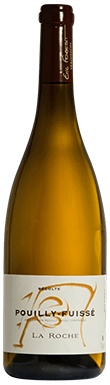

This is produced with grapes from a site at 401 meters elevation - too high on the rock to be premier cru The...
2014
Eric ForestPouilly-Fuissé

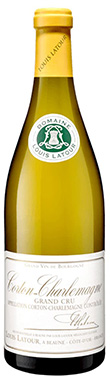
Louis Latour, Corton-Charlemagne Grand Cru, Burgundy, France, 2014
96
The light straw color and spiciness of youth bode well for this six-year-old wine. Minerals and pepper-like spice predominate while pineapple-like fruitiness lies in the background at this stage. The following night, more fruit elements emerge, while the riveting acidity keeps it fresh and full of energy. Its invigorating and lengthy finish amplifies all its elements. The wine’s stature comes as no surprise given the success of the vintage for whites.
2014
Louis LatourCorton-Charlemagne Grand Cru
Jean-Claude Ramonet, St-Aubin, 1er Cru En Remilly, Burgundy, France, 2014
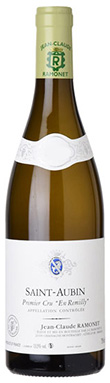
The inaugural vintage of Ramonet’s rented vines in St. Aubin was nothing short of superb. This site, high on the slope as it turns...
2014
Jean-Claude RamonetSt-Aubin
Domaine Joseph Drouhin, Beaune, 1er Cru Clos des Mouches, Burgundy, France, 2014
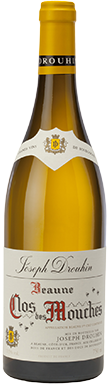
A white wine with two facets that opens up with slightly richer, fragrant notes of magnolia, honey, apricot and lemon peel. It glides on the...
2014
Domaine Joseph DrouhinBeaune
Domaine Comte Georges de Vogüé, Vieilles Vignes, Musigny Grand Cru, Burgundy, France, 2015
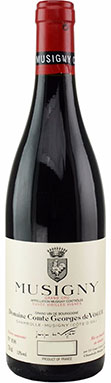
Subtle cherry nose with black fruits. More brooding and restrained than Bonnes Mares, becoming more heady with aeration. Sleek attack, again less forthright than Bonnes...
2015
Domaine Comte Georges de VogüéMusigny Grand Cru
Domaine Anne-Marie & Jean-Marc Vincent, Santenay, 1er Cru Passetemps, Burgundy, France, 2015
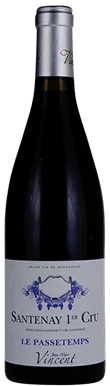
‘Passetemps’ is the Premier Cru just south of Gravières, planted in white marl with limestone pebbles, resembling its more well know neighbour. Vincent relates that...
2015
Domaine Anne-Marie & Jean-Marc VincentSantenay
Dubreuil-Fontaine, Corton Clos du Roi Grand Cru, Burgundy, France, 2015
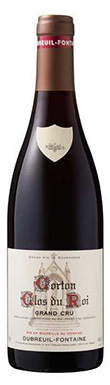
Two mid-slope parcels of Clos du Roi deliver a classic Corton with ripe black plum fruit and a stony, almost saline minerality. The wine shows...
2015
Dubreuil-FontaineCorton Clos du Roi Grand Cru
Domaine des Lambrays, Les Loups, Morey-St-Denis, 1er Cru, Burgundy, France, 2015
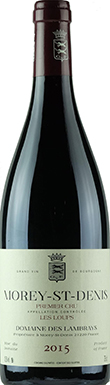
Introduced as part of the upgrading of Clos des Lambrays, Les Loups reflects the name given to citizens of Morey. Served chilled, this seemed very...
2015
Domaine des LambraysMorey-St-Denis
Domaine Armand Rousseau, Chambertin-Clos de Bèze Grand Cru, Burgundy, France, 2002
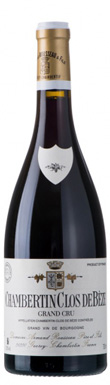
It is sometimes said that the Clos de Bèze is a slightly warmer terroir than Chambertin, and thus apt to do well in a cooler...
2002
Domaine Armand RousseauChambertin-Clos de Bèze Grand Cru
Domaine Georges Roumier, Bonnes-Mares Grand Cru, Burgundy, France, 2002
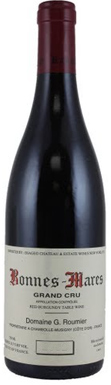
A bottle of 2002 Roumier was perhaps the wines of my entire week in Burgundy, consumed with friends at the restaurant Lameloise. Roumier produces...
2002
Domaine Georges RoumierBonnes-Mares Grand Cru
Louis Jadot, Bonnes-Mares Grand Cru, Burgundy, France, 2002
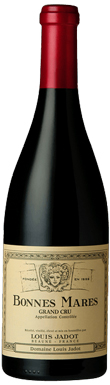
At nearly 20 years of age, Jadot’s fabulous 2002 Bonnes Mares is just starting to show a hint of maturity. It conveys the Chambolle plushness...
2002
Louis JadotBonnes-Mares Grand Cru