

Spanish wine lovers who prefer to collect and drink older vintages might only think of including the country’s reds in their cellars. But in fact Spain is home to plenty of ageworthy white wines, with Rioja being an obvious starting point.
Indeed one or two whites from Rioja are already legendary; in particular Ygay Blanco, the first Spanish white to get 100 points from Robert Parker, and surely not the last. Owner Vicente Dalmau Cebrián-Sagarriga attributes the wine’s longevity (and success) to the combination of long oak ageing and high levels of natural acidity. Given that the current vintage is 1986 and that the wine is still getting into its stride, he is surely right.
Ageing white Rioja
It’s hard to believe that in the 16th century there were six times more white grapes in Rioja than red. It’s even harder to believe that from 1992 until 2007 plantings of white grapes were prohibited in the region. Thankfully this ban was lifted in 2012 and white varieties now cover 9% of the total vineyard.
Today there is a real sense of excitement about Rioja’s whites, with increasing plantations of new or newly rediscovered varietals that are ideal for producing ageworthy wines. For example, Ramón Bilbao is planning to launch a new aged white from the village of Cuzcurrita in the foothills of the Cantabrian mountains, which is a blend of two ‘forgotten’ varietals: Tempranillo Blanco and Maturana Blanco (see below).
Both varietals are capable of ageing, the Maturana as a result of its high levels of pyrazines and its marked natural acidity, the Tempranillo because of its volume and weight. A perfect combination in other words.
Alongside such innovative new aged wines, Rioja already produces forward and fruity styles such as Antea by Marqués de Cáceres, a barrel-aged Viura, as well as older, more traditional labels, exemplified by the superlative Viña Tondonia, a slightly oxidative aged white made by López de Heredia.
Latterly there have been moves into the middle ground, with winemakers such as Abel Mendoza attempting to make wines which are both ageworthy and ‘fresh’, forsaking anything verging on the ‘rancio’ or any hint of oxidation.
Beyond Rioja
But there is much more to discover beyond Rioja. In Spain as a whole, white varieties now account for 28% of vines plantings (an increase from 22% in 2011). While a lot of this is still made up of the somewhat anodyne Airen varietal, there are many other native white grapes capable of producing ageworthy wines.
The white grapes which go into Cava – Macabeo, Xarel-lo and Parellada – can be blended into ageworthy cuvées, exemplified by Gramona’s Enoteca Cavas, which are aged for 12-15 years before release. Similarly in Jerez, the white Palomino grape is used to make brilliant and ageworthy Sherries.
Of the highly modish trio of Albariño, Godello and Albillo, there are several wines which demonstrate ageability, the Pazo Señorans Seleccíon de Añada and Rafaèl Palacios’ As Sortes amongst them.
It may be counter-intuitive to suggest that Albariño can be aged, since it’s usually sold as a young fresh white to drink alfresco on the terrace or by the beach. But there is a lot more to it than that; the granitic hillsides of the Salnès Valley in Rías Biaxas nurture grapes which can age very well. An innovative winery such as Mar de Frades, which makes Finca Valiñas, is able to time its harvest perfectly to bring out the key aromatics and thiolic notes, the subsequent winemaking combining a cold maceration with extensive lees ageing to coax an incomparable juxtaposition of texture and aroma, which can be entirely seductive.

Rueda revolution
Verdejo is also capable of ageing well; the great work done at Belondrade y Lurton in Rueda proves the point. Indeed Verdejo provides an excellent illustration of the transformation of both style and reputation of a white grape variety in Spain.
Verdejo used to be equated with rather heavy and often oxidative wines – not wines that were worthy of keeping for any length of time. How things have changed. One only has to sample the Ramón Bilbao Edición Limitada Lías Verdejo wines to taste the difference; after extended skin contact there is an ageing regime which, in addition to stainless steel and concrete, makes use of barriques and foudres, combining to produce a wine with admirable complexity.
Varietals which major in crisp fresh flavours in youth are thus shown to be capable of development, often taking on a herbal and nutty complexity, with salinity underwriting texture and sufficient weight gained over time to accompany even the most robust of mariscos.
Finally, we should not forget the semi-dulce styles, including fascinating wines made from varietals such as Moscatel and Torrontes. The resurrected ‘traditional’ CVNE Monopole is a case in point: famously ‘fortified’ by the addition of a little Manzanilla sherry and capable of a fascinating evolution.

Spanish Wine Academy from Ramón Bilbao
A note from our sponsor
Ramón Bilbao will be launching a new aged white wine in October 2020. Made from Tempranillo Blanco and Maturana Blanca – the oldest variety in Rioja – it is grown in the Cuzcurrita area of northern Rioja. This area was previously neglected for viticulture, but as harvesting gets earlier in Rioja, its potential has been spotted.
These vineyards have a continental climate, with a large diurnal temperature range, which means the grapes ripen gradually. Vines are planted on petrocalcic bedrock soils of gravel and limestone.
The Maturana Blanca grapes are macerated before fermentation to maintain the lemon colour of the wine, even after ageing. Tempranillo Blanco undergoes controlled micro-oxygenation during ageing on its fine lees. Maturana Blanca provides aromas of citrus and white blossom, as well as acidity, a key factor for making wines to age; while the Tempranillo Blanco adds body and mouthfeel to the wine.


-
 Ramón Bilbao’s three pillars of sustainability
Leading the fight against climate change...
-
 Ramón Bilbao aims higher
Seeking elegance and character in high altitude vineyards...
-
 How much do you know about Spanish Wine?
Join the Spanish Wine Master programme...
-
 Rioja – 10 Facts to know
Discover Rioja, Spain’s most iconic wine region, with the Spanish Wine Academy
-
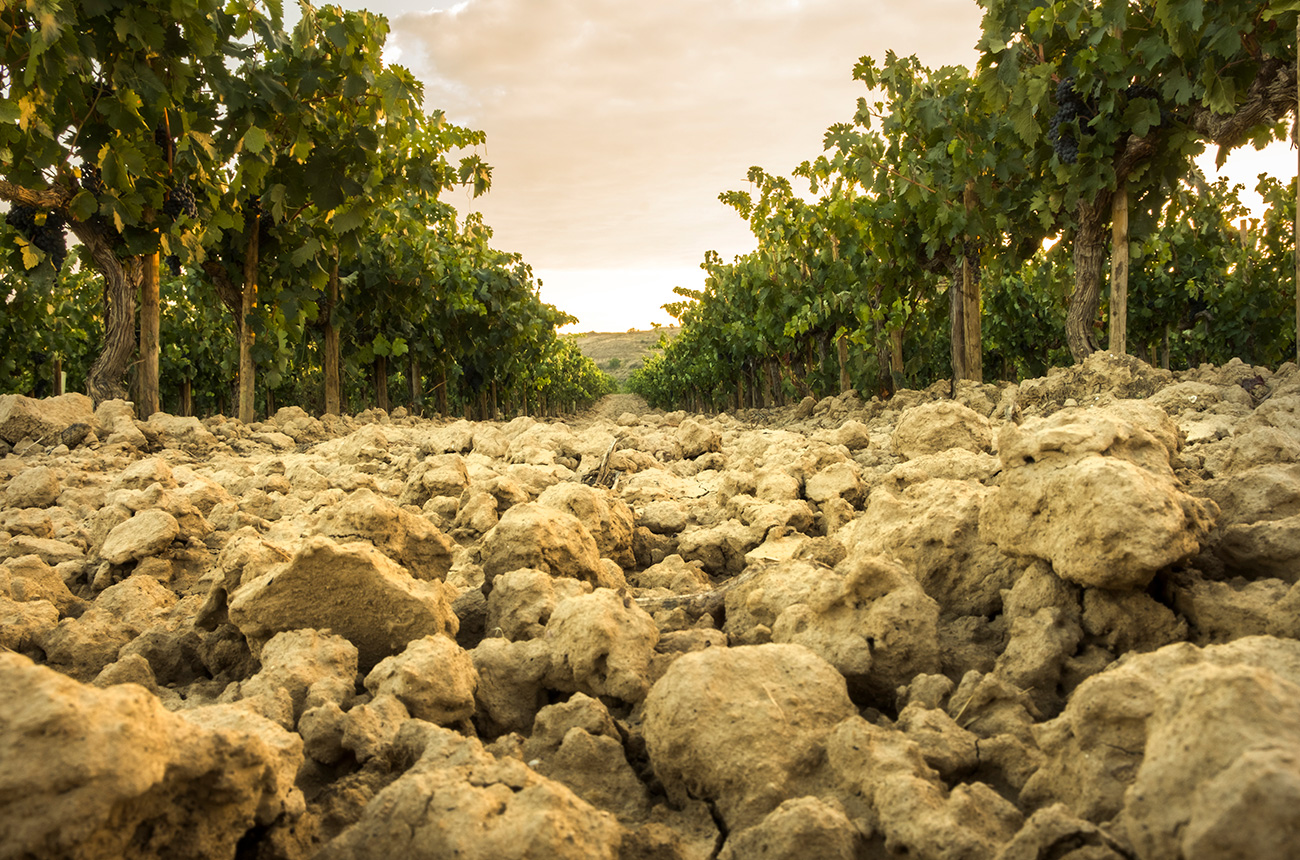 Record temperatures – Extraordinary occurrences or signs of the new normal?
Rosana Lisa discusses the periods of extreme heat that have raged through Spanish vineyards in recent years, and possible strategies to mitigate their consequences
-
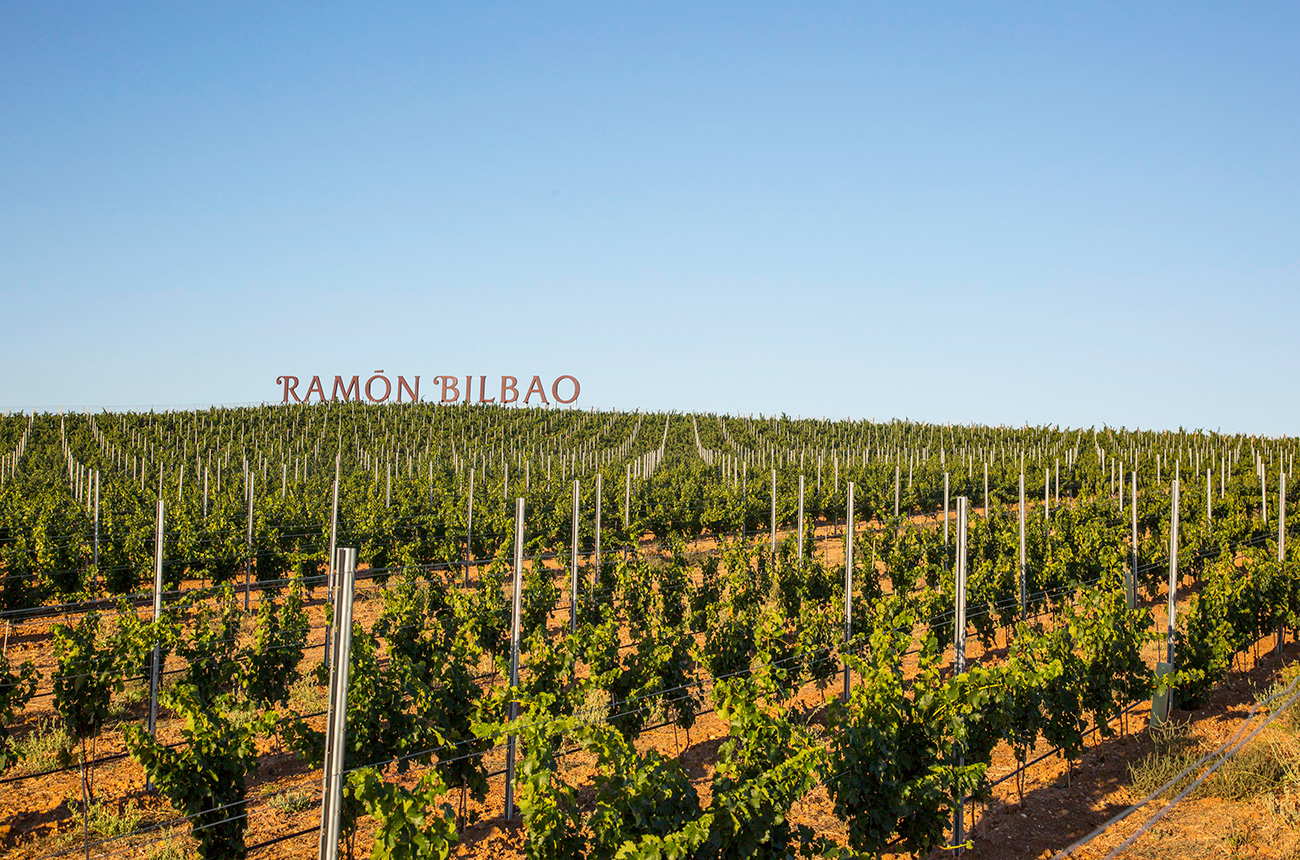 Rueda – 10 Facts to know
Castilla y León’s flagship white wine appellation
-
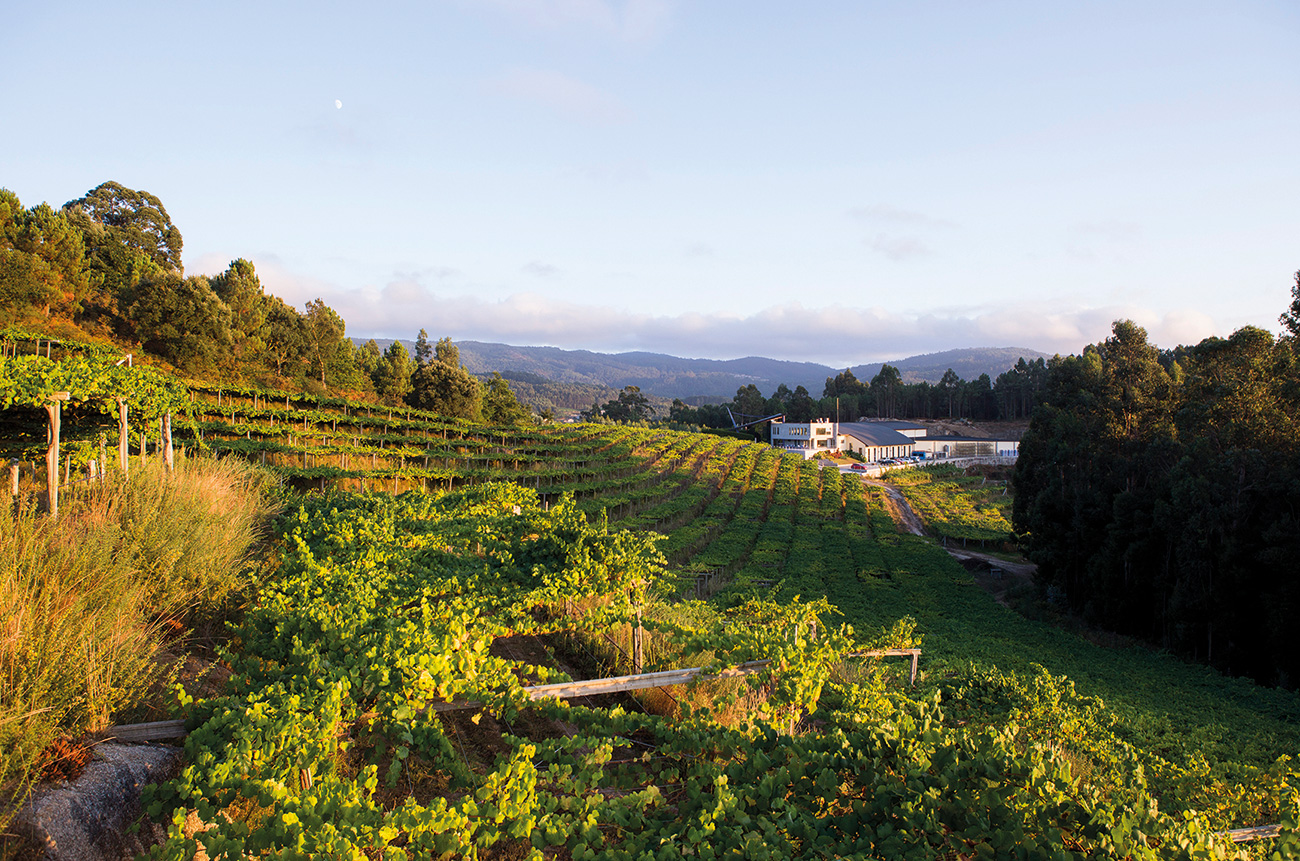 Rías Baixas – 10 Facts to Know
Discover the iconic Galician appellation
-
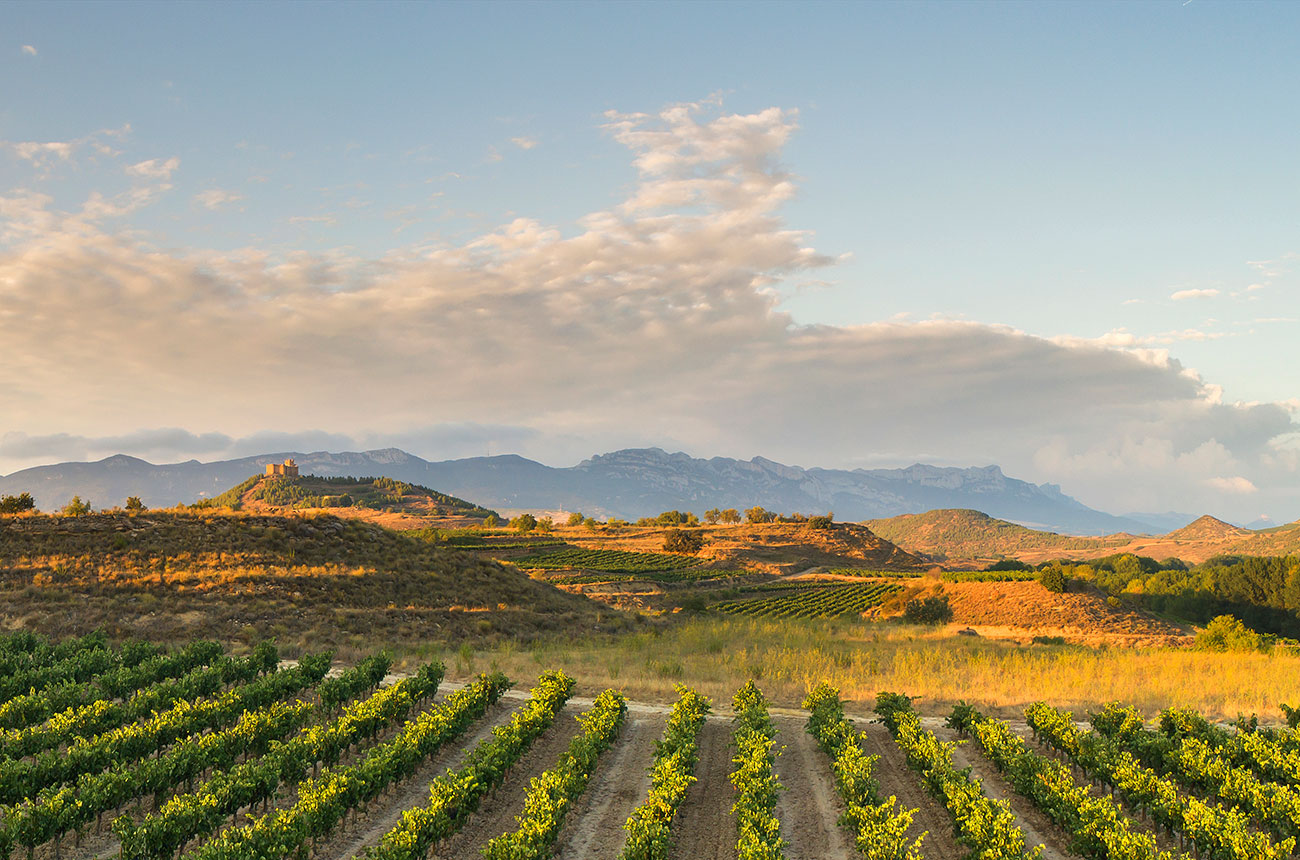 Spanish Wine Academy quiz: round four – Wine History


