Denmark’s Barfod Vin: Wines on the Nordic edge plus four wines to try
In Norse mythology, the island of Zealand was stolen from the Swedish king by the goddess Gefjon, making it part of Denmark. It is the largest and most populated island in Denmark and Copenhagen sits on its eastern shore. Zealand is home to several vineyards and is an integral part of Denmark’s developing wine culture.


Zealand’s puzzle piece shape consists of several small peninsulas jutting out into the North Sea. In Røsnaes, at the far edge of West Zealand, cold-climate vineyards bask in the Nordic sunshine. Here, Lise and Povl Barfod produce wine on 5ha for their eponymous Barfod winery.
Scroll down for tasting notes and scores of four wines from the Nordic edge
The climatic edge
Zealand’s westernmost cape sits on sandy, silt soils only a few metres above sea level. At 55.7 degrees latitude, it is one of the northernmost wine-growing sites in the world. ‘It’s always very windy here, but given our cold climate, the constant strong wind keeps our disease pressure quite low,’ says Lise Barfod.
The weather in Røsnaes is moderated by its western exposure to the North Sea. This results in 100mm less rain annually and about 100 more hours of sunshine than the Danish national average.
This combination of conditions is just sufficient for the right wine grapes to ripen here.
Lise likens the wines grown in this part of Denmark to wild strawberries in contrast with those grown in a greenhouse. The extremes of the climate, the constant wind and the sunshine impart freshness and concentration to the wines.
‘How shall I compare?’ asks Lise. ‘There are wines grown in other parts of Denmark that are more protected from the climate. The wines are friendly and mild, whereas ours have an intensity and transparency that comes from the winds and sun.’

Specially selected varieties
The wind from the North Sea leads to small berries and concentrated fruit. Barfod makes wine from pilzwiderstandsfähig (fungus resistant) or ‘PIWI’ grapes. Crossings of Vitis species, these grapes ripen sufficiently in cold climates and survive disease and fungal pressures.
Barfod makes wines from Solaris, Souvignier Gris, and sometimes a rosé from the red variety Cabernet Cantor. Of all of the PIWI grapes, Solaris shines in the Danish climate.
‘It’s very versatile,’ says Lise. ‘And it ripens really well in our climate, even in the colder parts of Denmark, away from the coast. We have a lot of sun here but you can ripen it almost anywhere. We can do spontaneous fermentations with it. Its versatility allows us to use it in different ways. Stylistically we have made classic dry wines, pét-nat, orange wines, and sweet wines. It works well in all those contexts.’
Doubt in the domestic market
In addition to contending with the climate, Barfod and other Danish wine producers have to overcome assumptions held by Danish consumers about domestic-made wines.
‘Danish wine production initially started with hobby growers,’ Lise explains. ‘People who just wanted to make a little wine for themselves. For many people here, this is still what they think of Danish-made wine. Something that their uncles made.’
Denmark’s wine culture has long prized the red wines of Bordeaux, Burgundy and Tuscany and initial forays into domestic wine production were done using red grapes. PIWI grapes like Rondo could ripen, but the wines they produced were generally bitter and awkward. ‘Yes, it was possible to ripen it. However, it doesn’t taste very nice. So you can’t really make a nice wine from it,’ Lise says.
These preconceptions have set back the reputation of Danish wine’s potential with local consumers.
Because wines from countries like France and Italy are curated and selected by importers and distributors in Denmark, consumers rarely, if ever, taste a bad one.
Having a bad experience while stopping at a local winery can create broader misconceptions about the quality levels of Danish wine. ‘Bad wine is made everywhere, but if you don’t taste any of it, you may not fully understand that,’ Lise explains.
As white wine grapes show success in the hands of Danish winemakers, they are still contending with these perception hurdles.

International appreciation
Despite the struggles at home, international drinkers and members of the wine trade have begun to take notice. ‘When people from abroad taste the wines, they get it pretty quickly that they are tasting something unique, something Nordic,’ Lise explains.
Known the world over for its gastronomy, with the rise of restaurants like Noma, the Danish (and broader Scandinavian) wine scene is beginning to get noticed. As natural wines and higher acid wines become preferred among the sommelier and ‘foodie’ crowds, Danish wines are finding a place.
Lise was invited to pour her natural orange and pét-nat wines at Mondo Natural, a natural wine festival in Tokyo. Giovanni Segni, the Italian natural wine advocate, took note of the Barfod wines and arranged the invitation.
The first Protected Designation of Origin (PDO) for Danish sparkling wine was issued in 2018 for the area of Dons.
These developments, along with the warming of the climate, may just be the beginning of the rise of Danish wine. External validation of Danish wines is perhaps what the Danish wine drinker needs to appreciate the country’s home grown selections.
Barfod Vin: Four wines to try
Related articles
- California sustainability: latest developments and innovations
- EU grants member states the right to use resistant hybrid varieties in appellation wines
- How sustainable is your wine?
Barfod Vin, Aurum 20 Solaris, Røsnaes, Denmark, 2020
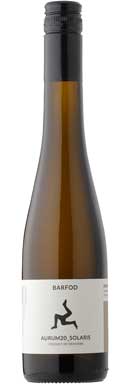
93
An outstanding yet largely unknown wine from the Rosnaes penninsula. These botrytised Solaris grapes were harvested late in the Nordic autumn. The aromatics of honeyed pear, sweet gardenia florals, and notes of coriander reveal a desert wine that is nearly perfectly balanced. The palate is weighty, rounded with ripe apple and pear, nutmeg, there are savoury dried white floral notes and great sea air minerality. This wine has texture, and lift and balances sweetness with freshness and minerality.
2020
Barfod Vin
Barfod Vin, #D55 Solaris, Røsnaes, Denmark, 2020
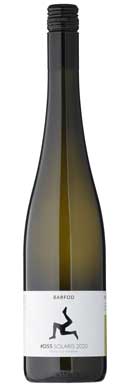
92
Wildly floral aromatics owing to this grape's Muscat Ottonel parentage. Effusive white flower notes of jasmine, trumpet lillies and hyacinth, followed on by cut ripe peach and green grapes. The palate is marked by honeyed fruit, ripe peach and pear and a touch of candied ginger delivers the finish.
2020
Barfod Vin
Barfod Vin, #N3000 Souvignier Gris, Røsnaes, Denmark, 2019
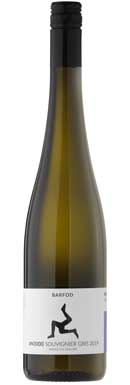
92
Souviginer Gris is a cross between Cabernet Sauvignon and the hybrid grape Bronner, it suitably ripens in the short cool Danish summers and does well against botrytis and other challenges of wet cool climates. The pale white wine shows aromatics of lime zest, orange blossom and wet stone. The palate is lean, accented by ample minerality, crushed chalk coils with lemon pith, chamomile and candied orange peel.
2019
Barfod Vin
Barfod Vin, #N1250 Souvignier Gris, Røsnaes, Denmark, 2020
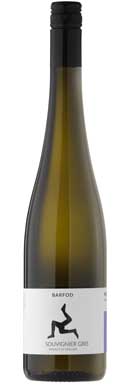
90
This Souvignier Gris shows somewhat shy aromatics of smoky minerality, early season apricot and wet stone. There is a streak of umami that shows itself beguilingly throughout the aromatic profile. The flavours remind one of Pinot Gris. There is honeyed nectarine, lime leaf and an ever present seafoam salinty.
2020
Barfod Vin
