Discovering La Motte: six wines to try
Decanter's content director, John Stimpfig, finds six wines to recommend from South Africa's La Motte winery, and discovers its connection with landscape artist Jacob Hendrik Pierneef.


Until recently, I was only vaguely aware of South Africa’s great landscape artist Jacob Hendrik Pierneef. But after a recent lunch in London with La Motte CEO Hein Koeglenberg, I came away much more informed both about Pierneef and this impressive Franschoek estate.
The connection between La Motte and Pierneef, who died in 1957, stems from the Rupert family’s considerable and generous passion for art and wine. This began with the late Anton Rupert and is now continued by his daughter Hanneli Rupert-Koeglenberg who now owns and runs La Motte along wither her husband Hein.
In fact, Hanneli and Hein are so passionate about Pierneef in particular that they have dedicated the largest room in the must-see La Motte Museum to the life and work of the painter. However, that is by no means all. They have also named the wine farm’s restaurant after him and a new collection of wines.
According to Hein, all the grapes for the premium Pierneef range have been sourced from organic vineyards in site specific terroirs. Each new release will also be adorned with a label depicting a different piece of art from the Pierneef ‘linoleum cut’ collection which is on display at the estate. So far two wines have been produced which I tasted below, together with a number of other La Motte wines.
Tasting the wines of La Motte:
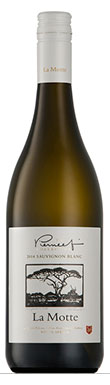
La Motte, Pierneef Sauvignon Blanc, Franschhoek, 2014
90
A blend of 90% Sauvignon and 10% Sémillon, the fruit is sourced from vineyards in Elgin, Bot River, Elim and Napier which collectively make up some of the most southerly regions in the Cape. This wine is unoaked and spent five months on its fine lees with just 5000 cases produced. Given that I am not a great fan of overtly fruity Sauvignon Blanc, this was right up my street - dry, lean, textured and savoury with a long mineral spine. What I love is the sophisticated, citrus, green apple and fig fruit to the fore with a hint of herbaceous bell-pepper in the background. The acidity and cut is clean and precise without being too sharp. As a seriously enjoyable food wine, there is no need to drink this up in the immediate future as it will age and improve.
2014
La Motte
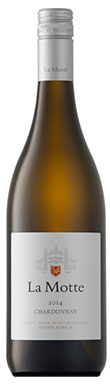
La Motte, Chardonnay, Franschhoek, South Africa, 2014
90
A cracking Cape Chardonnay, with its fruit sourced entirely from a 200m high single vineyard on the La Motte estate in Franschoek. This is taut, refreshing, delicate and complex with citrus, melon, pear and cashew nut flavours on the palate. There’s also a spicy, gentle leesy character to add extra interest and depth. The oak, which has been beautifully handled, is subtle and is exquisitely complementary to this elegant, appetising white. Outstanding.
2014
La Motte
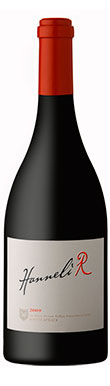
La Motte, Hanneli R, Franschhoek, South Africa, 2009
94
La Motte’s rare flagship red is only made in the best vintages. Just 3000 bottles were made in 2009 from an unusual but exciting blend of Syrah (53%) Grenache (25%), Carignan (8%), Cinsault (8%) and Merlot (6%). Above all, this wine is built to last having spent 36 months maturing in barrel (again 300L) and a further two years in bottle before it is released. It is certainly worth the wait as this is just beginning to enter its drinking window. Already, the fleshy tannins have softened and there’s a sophisticated medicinal-herbal edge to the wine alongside a rich compote of blackberry fruit, meat and spicy liquorice. This is a long, complex multi-faceted wine to savour and relish.
2009
La Motte
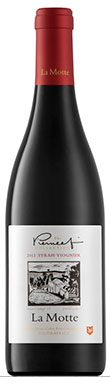
La Motte, Pierneef Syrah-Viognier, Franschhoek, 2013
92
The blend here is 90% Syrah with the fruit coming from Walker Bay and Elim, while the 10% Viognier component comes from Franschhoek. The grapes were hand-harvested and fermented together without stems. The wine was then aged in 300L oak barrels (70% new) for 14 months before it was blended and put back into barrels for another four months prior to bottling. The result is one of the Cape’s best Cote-Rotie style reds that I have encountered in this price bracket. Stunning perfume and spice nose, with rippling blackberry fruit pastille, violets, white pepper, cream and chocolate on the palate. Compact, polished tannins bright acidity and medium body help make this wine long and very, very pleasurable. Really impressive.
2013
La Motte
La Motte, Cabernet Sauvignon, Franschhoek, 2012
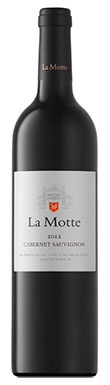
89
Here the fruit comes from Stellenbosch, Paarl, Franschoek, Durbanville and Walker Bay. After fermentation the wine spent 14 months maturing in 225L French barriques (50% new, 25% second and third fill). There is also 15% Merlot blended in which adds to the sweet cassis and blackberry primary fruits alongside an attractive leafiness. Good juiciness, easy tannins and length.
2012
La Motte
La Motte, Millennium, Franschhoek, South Africa, 2013
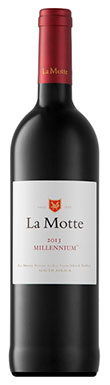
87
For a commercial 100,000 case brand, this Bordeaux blend punches well above its weight. It is made up of Merlot (57%), Cabernet Franc (24%), Malbec (9%), Petit Verdot (7%) and a splash of Cabernet Sauvignon (3%). The end product is a seductive red with sweet mulberry and raspberry fruit with spicy tobacco and toffee notes. A very drinkable wine with easy tannins and juicy acidity.
2013
La Motte
