Five País wines to discover


For years mistakenly overlooked as a mediocre grape, there are Chilean producers now trying to rescue this ancient variety from oblivion. Patricio Tapia praises these fresh and easy-drinking reds, and picks five País wines to discover.
País is a grape variety that was brought by Spanish conquistadors to South America during the 16th century and for centuries was responsible for all the reds produced on this side of the world.
Then, for years both oenology schools and wine producers considered it a mediocre grape, only suitable for bulk wines – far away from the quality and elegance of the French varieties that everybody was using to probe the potential of Chile as a wine country. But in the past decade País’ reputation has begun to change.
The example set by the recent pioneers of País has since been followed by a growing community of producers – from small and artisanal names like Tinto de Rulo, Cacique Maravilla and Maitía to giant wineries such as San Pedro and Concha y Toro. After years of darkness, languishing in the shadows of Cabernet Sauvignon and Carménère, País is finally being appreciated for its fresh and easy-drinking reds, rescuing the heritage of this truly ancient variety of the New World.
Five País wines to discover:
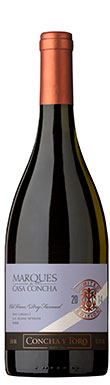
Concha y Toro, Marqués de Casa Concha País-Cinsault, 2014
92
Something quite unusual in the highly conservative line of Marqués de Casa Concha – this is not only a surprise for the grapes from which it was made, but especially for its style. Refreshing, juicy and full of bright red fruit and vibrant acidity. The body is light and slightly tannic, perfect to drink as a vin de soif.
2014
Concha y Toro
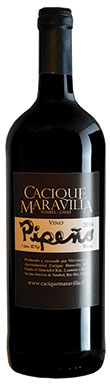
Cacique Maravilla, Pipeño País, Yumbel, Región Sur, 2014
91
Owner Manuel Moraga gets these País grapes from an old vineyard planted on volcanic soils in the deep south of Chile. It is a delightfully rustic red, with aromas of herbs and wild fruits seasoned with spices. The texture is taut, with bright acidity and tannins. A true country wine to enjoy with charcuterie.
2014
Cacique MaravillaYumbel
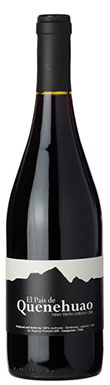
Louis Antoine Luyt, País de Quenehuao, Maule Valley, 2011
91
Made 100% with carbonic maceration, and from the granitic soils of Quenehuao, off the coast of Maule Valley, this País from very old vines is creamy in texture, surrounded by juicy notes of wild berries, spices and herbs. A homage – and great alternative – to Beaujolais.
2011
Louis Antoine Luyt
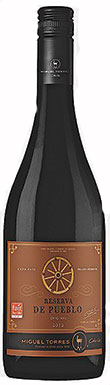
Miguel Torres, Reserva del Pueblo País, Cauquenes, 2014
90
Almeda thinks a way to soften the wild tannins of País is using carbonic maceration. And it works! This soft and ripe red delivers aromas and flavours of sweet fruits combined with a crisp, lively acidity, making it juicy, easy to drink and very refreshing.
2014
Miguel TorresCauquenes
Miguel Torres Chile, Estelado, Maule Valley NV
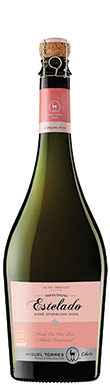
90
Lovely mousse followed by fresh red fruit aromas and flavours balanced by crisp acidity. The sweetness is mild, making it even more approachable, and ideal for an alfresco meal of salmon tartare.
Miguel Torres
