St-Emilion 2010 Premier Grand Cru Classé & Grand Cru Classé: Panel tasting results
Decanter experts gives their verdict on St-Emilion 1GCC & GCC 2010


There are excellent wines to be found, especially from this powerful vintage, says James Lawther MW...
St-Emilion spans 5,400 hectares under production, of which 4,000ha is the superior appellation St-Emilion Grand Cru. It is from within this denomination that the classified wines emerge, a revision of the classification that was first instigated in 1955, taking place theoretically every 10 years. This adjudges a two-tier hierarchy, Premier Grand Cru Classé (1GCC) and subordinate Grand Cru Classé (GCC).
The châteaux in our 2010 tasting were ostensibly classified in 2006. I use the word ‘ostensibly’ as the 2006 classification had a turbulent history. In short, a number of châteaux that were declassified in this edition challenged the decision. A legal wrangle ensued which eventually led to the classification being declared invalid.
A compromise was then reached. The demoted châteaux were allowed to keep their classification, as were the eight newly promoted châteaux from the 2006 edition. This version has now been superseded by the 2012 classification, determined by a different set of rules. But another lawsuit from disgruntled estates is pending, so watch this space.
Exasperated consumers may be tempted to say ‘who cares’, as the infighting has clearly piled confusion on confusion. But the classification does remain a motivating force for producers and, on the whole, tends to highlight the movers and shakers in St-Emilion, not least those that have joined or moved within the classification in the past 15 years.
There may be objections to style or the quality aspect of certain terroirs but in a region that boasts almost 1,000 producers, it still offers a reference to what is best.
Extreme conditions
The 2010 vintage was one born of extreme conditions, the resulting wines robust, powerful and concentrated. Producers were initially embarrassed to admit that they could be as good as their ’09s but now in confidence often say they are better. A certainty is that they are different. If the 2009s have an opulence and accessibility, the ’10s are more forceful and tannic and need more time to mature.
The climatic context that set a stamp on the style was the drought that prevailed. Fortunately, winter rain topped up water tables as thereafter, apart from rain in March and a wet June, conditions remained dry for the rest of the vineyard year, July and August even drier than in 2005.
The summer months were also hot but never extreme so the vines did not shut down. Finally, cooler evening temperatures in August and September helped produce higher acidities, another hallmark of the vintage.
The result was high sugars which have given rich wines high in alcohol, particularly but not exclusively on the Right Bank where the Merlots (60% of plantings in St-Emilion) are mainly 14% or more. Luckily, this has been offset by the aforementioned high acidities which lend balance.
Colours are deep and tannins strong and forceful. The later-picked Cabernet Franc (30% of plantings) was ripe and aromatic and a useful component for blending. The nearest comparison in vintage style is probably 2005.
Release prices were generally high, 10% to 20% more than the 2009s in some cases, so despite the quality factor it is hard to see 2010 as good value. Investors will need to play for the long term and for drinkers the best advice is shop around for châteaux that have been sensible on price.
These structured, ageworthy wines pleased our judges on the whole, but they criticised the high oak, extraction and alcohols in many examples, which masked their vineyard character. Nevertheless, two wines were awarded Outstanding and 17 wines Highly Recommended.
The scores
58 wines tasted
Outstanding 2
Highly recommended 17
Recommended 36
Fair 2
Poor 1
Faulty 0
The results
These structured, ageworthy wines pleased our judges on the whole, but they criticised the high oak, extraction and alcohols in many examples, which masked their vineyard character. Tina Gellie reports…
‘Extraction’ was the buzzword of this tasting, with our experts impressed by the wines but not as much as they had been for the 2010 Pomerols or, unsurprisingly, the 2009 St-Emilions, which are far more opulent and accessible than this structured vintage.
Stephen Brook registered his ‘slight’ disappointment: ‘Some of the tannins were ferociously tannic and really extracted and I don’t think that’s necessary in a vintage like 2010. Yes, with high sugars and high alcohols you’re going to extract more than you would in a milder vintage. But even so a lot of the wines seemed overdone and that’s down to winemaker choice, not vintage character.’
‘Errors’ were made in extraction and alcohol, agreed James Lawther MW. ‘People have reined in overextracting but where they still err, as they have in 2010, is by adding too much new oak to a wine that is already very ripe and has high alcohol. In the better wines there was plenty of fruit extract but not that dominance, harshness or dryness that comes with new oak and high alcohol.’
Brook also felt the oak was ‘excessively noticeable’, and while it may settle in some wines, ‘others will never lose that woodiness’.
Steven Spurrier, by contrast, was ‘impressed’ by the extraction, although he concurred there were a few overblown examples. His gripe was that terroir was not often well expressed. ‘2010 is a great vintage in St-Emilion but too many producers were going with the flow. They had the ripeness, richness, alcohol and extraction but not the vineyard identity. In the best wines this sang out and it was fantastic, but it should have been obvious in more.’
Brook agreed there was a lot of ‘sameness’ in the wines, which he put down to extraction but also a lack of acidity. He was surprised at the lack of ‘freshness, tautness and raciness’, which was more evident in the Pomerol 2010s. ‘You want lushness from Merlot, the dominant grape in St-Emilion, but many were soft and lacklustre without any acidic backbone.
Maybe it’s because of that, their youth, or that my palate was numbed by all the tannin and alcohol, but I wasn’t getting a lot of individuality.’ Spurrier made the point that Cabernet Franc was key in a ripe vintage, as it brought freshness, fragrance and elegance to counter the ripe, rich Merlot.
When comparing the 46 grands crus classés (GCC) and 12 premiers grands crus classés (1GCC) entered, our judges found a real step up in quality. ‘The GCCs showed how varied they all are, both stylistically and in the winemaking. The 1GCCs were more uniform and impressive across the range,’ explained Lawther.
Brook said he didn’t necessarily like all the 1GCCs, but ‘you just get a level of finesse, polish and balance that you don’t find so often in the GCCs’. The tasters agreed that the 1GCCs that didn’t score so highly were trying too hard. ‘They had too much sugar, were overripe and therefore noticeably alcoholic, which is not my idea of Bordeaux – we’re not in Napa Valley here!’ rallied Brook.
Lawther said the 2010s had great potential and while all would cellar well for 10 years, the best would improve over 20 years or more. ‘Wines come on the shelves much earlier than they used to and there’s pressure to drink them, but this is a structured, ageworthy vintage.’ Brook agreed, though said those wines with too much extraction ‘may collapse after 10 years’.
Our experts said the small quantities produced and the St-Emilion name itself meant prices would not be low, but that GCC wines at £25–£30 represented a good-value buy.
Expert summary: James Lawther MW
This is a vintage for the long haul, so while powerful tannins and alcohols often masked the fruit in these young 2010s, time should improve many of them.
With the reputation of the 2010 vintage in Bordeaux running high, expectations prior to this tasting were equally keen. Could the wines match the standing of the year? The answer was yes, but not as resoundingly as expected.
These are powerful wines with impressive fruit concentration, high alcohols and naturally muscular tannins. The power occasionally overshadowed the fruit while over-extraction and over–ripeness surfaced, as did the use of too much new oak. But I’m happy to believe that some of the wines will settle and, over time, show better than they did for us. This is a vintage for the long haul.
The grands crus classés (GCCs) offered their usual eclectic view of St-Emilion, with a variety of styles and terroirs. The latter was perhaps less in evidence except among some of the limestone- (and clay-) based crus like La Clotte, Berliquet, Laroque, Balastard La Tonnelle and Le Prieuré where the terroir was manifest, offering minerally freshness and balance. This was welcome, given the fact that heightened acidities (one of the hallmarks of 2010 and a foil for high alcohol) were less marked than expected.
On the whole, though, and whatever the terroir, the panel has clearly rewarded wines that showed freshness and balance as well as generous fruit, whether they be of a powerful or more tempered style. The quiet achievers like Corbin, Dassault, Grand Corbin-Despagne and Faurie de Souchard have been justly compensated (they are also some of the best-value GCCs), while there were surprises from Couvent des Jacobins and Yon-Figeac. Denis Dubourdieu consults to both so perhaps that’s the reason?
The disappointments would have to include Larcis Ducasse, but I think in time this is one of those powerful wines that will show in a more favourable light. Those that were more heavily sanctioned either showed a note of green or an excess of winemaking and extraction.
With eight out of 12 wines Highly Recommended or Outstanding, the 1GCCs demonstrated their class. Those that missed out did so by a small margin. Clos Fourtet’s track record suggests it should have rated higher as indeed does Cheval Blanc’s, but in this case the judges’ scores were unanimous so there’s no explanation other than a subdued showing at the tasting. Figeac’s success is one in the eye for the new 2012 classification which refused it promotion to 1GCCA status.
Top St-Emilion 2010 wines from the panel tasting:
Published in the November 2013 issue of Decanter magazine
Château Beauséjour, St-Émilion, 1er Grand Cru Classé B, Bordeaux, France, 2010
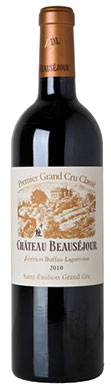

<p>2010 was the second vintage produced under the direction of Nicolas Thienpont with Stéphane Derenoncourt acting as winemaking consultant. Over the years the tiny 6.5-hectare...
2010
Château BeauséjourSt-Émilion

Château Figeac, St-Émilion, 1er Grand Cru Classé B, Bordeaux, France, 2010
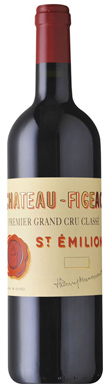
Another brilliant wine, where you start to get lulled into a false sense of security that Bordeaux always tastes like this. But it doesn't. Okay,...
2010
Château FigeacSt-Émilion
Château Pavie Macquin, St-Émilion, Grand Cru, Bordeaux, France, 2010
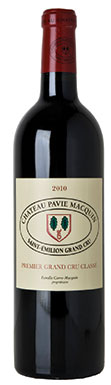
<p><strong>Stephen Brook</strong><br /> Elegant if oaky nose, with espresso as well as plum aromas. Medium-bodied but very concentrated, sleek and silky, with fine-grained tannins. There’s considerable...
2010
Château Pavie MacquinSt-Émilion
Château Trotte Vieille, St-Émilion, 1er Grand Cru Classé B, Bordeaux, France, 2010
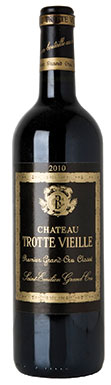
96
Power combined with elegance in the 2010. A dusting of dark cocoa powder, cola, mint, exotic sweet spices, caramel, toast and blackcurrants on the nose. Juicy and vibrant, more lean than I was expecting, tannins are fine and supportive with clear austerity and bitterness around the edge, giving a spiced frame that lets the fruit pulse through the middle. This is certainly on the intense side, but not weighty at all, concentration balanced by high acidity and a lovely stony minerality underneath that, really puts you in St-Emilion on the terroir. Direct and focussed, precise and lifted with a minty, liquorice finish. Feels like a very representative TrotteVieille though give this more time before opening.
2010
Château Trotte VieilleSt-Émilion
Couvent des Jacobins, St-Émilion, Grand Cru, Bordeaux, France, 2010
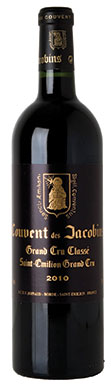
92
Nose fresh but a little reserved, with a graphitemineral, dark fruit nuance. Rich and firm on the palate, it’s opulent and forthright, but has some backbone, too, as well as good acidity on the finish to give persistence and flair.
2010
Couvent des JacobinsSt-Émilion
Château Angélus, St-Émilion, 1er Grand Cru Classé B, Bordeaux, France, 2010
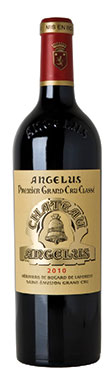
A longer, slower harvest than 2009, with cooler nights giving a resultantly fresher acidity. Highlighting the serious side of Angélus, at 10 years old you...
2010
Château AngélusSt-Émilion
Château Beau-Séjour Bécot, St-Émilion, Grand Cru, Bordeaux, France, 2010
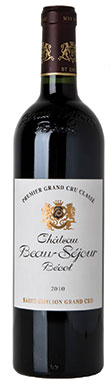
91
Spicy, dark fruit nose. Very expressive and some nice florality. The tannins are a little green now, but the depth of fruit will come through. It’s balanced and stylish, but not very expressive now, though the finish shows ripeness and length.
2010
Château Beau-Séjour BécotSt-Émilion
Château Bellevue, St-Émilion, Grand Cru Classé, Bordeaux, France, 2010
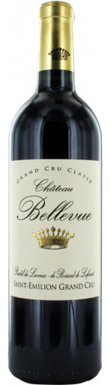
91
Very well expressed nose with floral and fragrant fruit, and a nice lift from the Cabernet Franc. Refreshing, almost crunchy, summer fruits, refreshing acidity and fine tannins. This is a very elegant wine that has finesse.
2010
Château BellevueSt-Émilion
Château La Gaffelière, St-Émilion, Grand Cru, Bordeaux, France, 2010
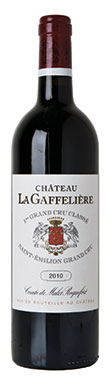
91
Lightly savoury nose, but the black fruits still come through. Good natural tannins refresh the palate and there’s very good, lifted fruit, with fine texture and good length. A well-balanced, stylish, poised and elegant St-Émilion.
2010
Château La GaffelièreSt-Émilion
Château Canon, St-Émilion, 1er Grand Cru Classé B, Bordeaux, France, 2010
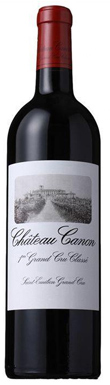
Vivid, crystal-clear fruit aromas, juicy black cherry, ripe plum and succulent blackberry, combining with artisanal dark chocolate, violet and fresh tobacco leaf, making this wine...
2010
Château CanonSt-Émilion
Château Dassault, St-Émilion, Grand Cru Classé, Bordeaux, France, 2010
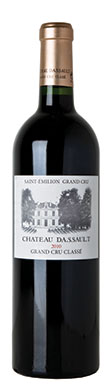
90
Sweet, intense nose, with considerable charm: minty with a hint of red fruits, as well as cherries. A graceful rather than forceful style, with freshness, lovely balance and an appealing mocha tone from the oak. Very good vineyard expression.
2010
Château DassaultSt-Émilion
Château Grand Corbin-Despagne, St-Émilion, Grand Cru Classé, Bordeaux, France, 2010
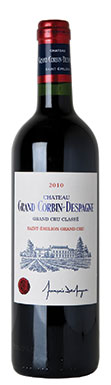
<p>Robustly oaky nose, with a hint of tar and berry fruits. Quite rich, juicy, compact, tannic but not tough, and soft in texture. Still brooding...
2010
Château Grand Corbin-DespagneSt-Émilion
Château Yon-Figeac, St-Émilion, Grand Cru, Bordeaux, France, 2010
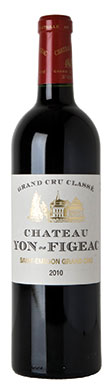
90
Powerful, toasty black fruits and liquorice nose, strongly marked by oak. Rich, generous, concentrated and spicy, with enough acidity to drive the palate, which has layers of fresh, firm fruit. A wine with good cellaring potential.
2010
Château Yon-FigeacSt-Émilion
Château Canon-la-Gaffelière, St-Émilion, Grand Cru, Bordeaux, France, 2010
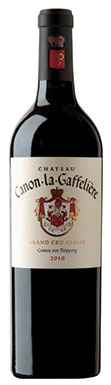
90
Nicely extracted berry fruit nose with some charm. Open and smooth on the palate, supple and quite rich fruit and a nice touch of spice. Very rich and voluptuous, concentrated and dramatic, this is a modern-style St-Émilion that delivers the goods.
2010
Château Canon-la-GaffelièreSt-Émilion
Château Faurie de Souchard, St-Émilion, Grand Cru, Bordeaux, France, 2010
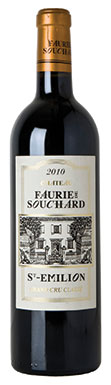
90
There’s some delicacy and lift on the nose, with considerable freshness but also some mocha tones from the oak. Smooth and ripe, but also lots of vineyard character. Tannins beautifully blended in for a good future. A fine, classic St-Émilion.
2010
Château Faurie de SouchardSt-Émilion
Château Franc Mayne, St-Émilion, Grand Cru, Bordeaux, France, 2010
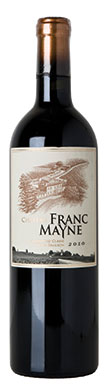
90
Muted cherry compote nose, with a touch of brine. Broad, rich and emphatic, lots of ripe extraction but also some fragrance, with good, natural tannins. Rich, black chocolate fruit – exuberantly modern.
2010
Château Franc MayneSt-Émilion
Château Le Prieuré, St-Émilion, Grand Cru, Bordeaux, France, 2010
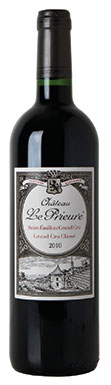
90
Quite rich and spicy nose. Plump, full-bodied, fleshy and rounded, this has depth and power. It’s a bit overbearing, but time should bring more harmony as the fruit quality is excellent.
2010
Château Le PrieuréSt-Émilion
