Wolf Blass Black Label: The best vintages


Sarah Ahmed tastes a vertical of Wolf Blass' flagship Black Label to mark 50 years since 'Wolfy' started making wine in Australia...
Scroll down to see Sarah’s top Wolf Blass Black Label vintages
Wolfgang Franz Otto Blass created a Cabernet-Shiraz, Australian wine legend when he launched Wolf Blass Black Label in 1973.
Its first three vintages scored an unprecedented hat-trick by winning the prestigious Jimmy Watson trophy at the Royal Melbourne Show.
And it’s gone from strength to strength under Chris Hatcher, a Wolf Blass legend in his own right and chief winemaker since 1996.
‘Expect the Black Label 2012 and 2010 vintages to age at least as long as the [highly rated] 1974 or 1979’
This vertical trounced any notion that imposing tannins are a pre-requisite for longevity.
The oldest of 10 vintages shown, the 1974, still had the fruit and line to charm, while the more rugged 1979 built in the glass.
This is doubly impressive when you consider Blass used 100% new oak, predominantly American, to drive palate sweetness in early vintages; hence their perfumed coconut and cured leather notes.
Black Label 2010 and 2012 from drought-free years stood out for their refinement, despite relatively elevated alcohol. Expect them to be at least as long-lived as the 1974 and 1979.
Our favourite Wolf Blass Black Label vintages
More on Wolf Blass Black Label
A brazen self-publicist, Wolf Blass used to market his wine brand by getting airports to page his name via public address systems.
But the wines did the talking, too, and especially Wolf Blass Black Label – a Cabernet Shiraz blend from several regions in South Australia.
After the early success, Black Label broke its own record by winning the Jimmy Watson trophy for its 1998 vintage, too.
Awarded at that time to the best dry one-year-old red, the Jimmy Watson Trophy sat well with Blass’ firm belief that wine should be ready to drink when sold.
He was a keen advocate of partially barrel-fermenting reds to improve the integration of oak.
He also believed in ‘blending to a plush mid-palate, with softer tannins’, invariably with an emphasis on Langhorne Creek’s supple, juicy fruit, according to Wolf Blass’ chief winemaker, Chris Hatcher.
With the advent of professional viticulture in the 1990s, top notch fruit as opposed to oak has delivered palate sweetness and an increasingly vibrant, contemporary style.
Related content
The Decanter interview: Wolf Blass at 80
Australian wine quiz: test your knowledge
Victoria: Where Cabernet is ‘a swear word’
Wolf Blass, Black Label, South Australia, Australia, 1998
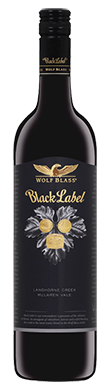
96
This highly acclaimed vintage has produced a cracker. Initially brooding, with time in glass this blend of 89% Cabernet Sauvignon, 6% Shiraz and 5% Merlot unleashes a maelstrom of muscular but perfumed blackcurrant, blackberry and black cherry fruit. Seamlessly integrated creamy, mochachino oak (this wine spent 20 months in new French and American hogsheads) and ripe supporting tannins let the powerful, very persistent fruit do the talking. Terrific intensity and length.
1998
Wolf Blass
Wolf Blass, Black Label, South Australia, Australia, 2010
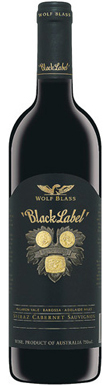

Winter rains ended the drought. This and a temperate growing season produced an animated, really expressive 51% Cabernet Sauvignon, 49% Shiraz blend. Reducing the new...
2010
Wolf Blass

Wolf Blass, Black Label, South Australia, Australia, 2012
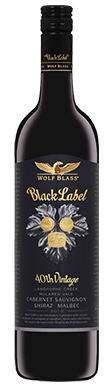
94
<p>The Malbec (5%, versus 54% Cabernet Sauvignon and 41% Shiraz) sings in the juiciness and violet lift of a vintage characterised by a mild summer with cool nights. Black pepper riffs and a gentle pucker of plum skin add layers and interest to this lively Black Label’s well-defined black cherry, blackcurrant and blackberry fruit. Though new and American oak is down again (to 52% and 22% respectively), its mocha notes currently sit apart. Needs time.</p>
2012
Wolf Blass
Wolf Blass, Black Label, South Australia, Australia, 1979
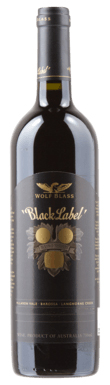
93
A hot summer followed by a mild, wet spell resulted in a late, flavour-packed harvest. An impressively rich, tarry nose and palate shows dense layers of panforte dried fruit, mocha, perfumed cured leather and coconut. As it builds in the glass, fleshier notes of sweet cassis and plum emerge. This decadent blend of 75% Cabernet, 25% Shiraz was matured for 20 months in American oak.
1979
Wolf Blass
Wolf Blass, Black Label, South Australia, Australia, 2002
92
A wet winter and cool, long growing season plus the introduction of screwcap and Malbec (7%) to this year’s Shiraz-dominated blend (53%) produced this bright, juicy wine with an edge of tannin. It has a touch of liquorice and crushed coriander seed to its blackberry, cherry and raspberry fruit. A whisper of milk chocolate speaks of two years in fine new French and American oak. Lighter than other vintages, yet youthfully intense.
2002
Wolf Blass
Wolf Blass, Black Label, South Australia, Australia, 2004
92
Good winter rainfall and a long, warm dry vintage produced this concentrated blend of 57% Cabernet Sauvignon, 33% Shiraz and 10% Malbec. A purple hue and narrow pink rim broadcast its youth, as does a compact, well-structured palate with ripe but present tannins and incisive acidity. Though Malbec’s irrepressible violets find voice, a deep seam of black berry, cherry and boysenberry fruit is yet to be mined. Polished but needs time.
2004
Wolf Blass
Wolf Blass, Black Label, South Australia, Australia, 1984
92
A textbook vintage (good winter rains, a warm, dry growing season), if not a textbook blend. Leaning more towards Bordeaux, this vintage features 75% Cabernet Sauvignon, 15% Merlot and just 10% Shiraz. Aged in new oak hogsheads it shows dried roses, leather, smooth chocolatey tannins and rich, ripe, perfumed cassis. Dense, perhaps a little one note, but balanced with lingering gravelly acidity. This has reached a plateau.
1984
Wolf Blass
Wolf Blass, Black Label, South Australia, Australia, 1974
91
Elegance is the stamp of this wine from a cool, wet year in which the Shiraz (20%) came from Coonawarra’s cooler climes. It retains surprisingly sylph-like, silky, sweet plum with panforte nuances. Mellow notes of anise, cedar and perfumed coconut chime in. Though the fruit is fading, the marriage of fruit, oak, acid and tannin remains harmonious. It was aged for 18 months in new French and American oak.
1974
Wolf Blass
Wolf Blass, Black Label, South Australia, Australia, 1992
89
An unusually cool growing season, with patchy rain at vintage. This 58% Cabernet, 42% Shiraz blend spent 30 months in new American and French oak. The coconut sweetness and oiliness of the former rather dominates the bright cassis and sour plum flavours. With a ‘thick’ texture, the palate is developed with emphatic dried panforte, blackcurrant and blueberry fruit, and notes of leather. This is like an aged Rioja on steroids, although it lacks the balance to age gracefully.
1992
Wolf Blass
