
Try these 10 wines from Piedmont's microscopic Nebbiolo outposts
Richard Baudains looks north to the tiny alpine regions of Piedmont offering a different take on Nebbiolo.


There is a group of DOC/Gs in the far northeast corner of Piedmont producing Nebbiolo wines against the dramatic backdrop of the Alps.
Gattinara and Ghemme (both DOCGs) are the best known, while Bramaterra along with the microscopic Lessona, Sizzano, Boca and Fara are the others.
‘What makes the difference is the climate’
The wines were typically lean, with nervy acidity and bone-dry tannins; intense but rigid.
With time, they acquired complex tertiary aromas – it’s no coincidence that the production regulations impose extended wood and bottle ageing – but they were wines of another era.
The wines of today, meanwhile, present a very different profile. They drink earlier than in the past, with immediate fruit, ripe tannins, and the full spectrum of the wonderful floral-herb-spice aromas of Nebbiolo.
Despite the extra ripeness, they maintain the tangy mineral quality, the acidity, and the moderate alcohol which are all key notes of the terroir.
In an age when 15% abv Barolo is becoming commonplace, these northern Nebbiolos typically reach 13-13.5%, and even in the hottest vintages will rarely go over 14% alcohol
What makes the difference is the climate. The combination of drier summers with increased solar radiation, higher average temperatures, and more frequent temperature peaks creates the risk of accelerated but uneven ripening and wines with lower acidity, unwieldy high alcohol and baked fruit aromas.
But it is not all negative. While some traditional growing areas are feeling the heat, others are enjoying the benefits of a changing climate
Federico Rinolfi, winemaker at the La Piemontina estate in Ghemme explains: ‘Climate zones in Piemonte are shifting north. We now have the meso-climate of the Langhe of the past.’
The result is a shorter vegetative cycle but better, earlier ripening.
‘Nebbiolo used to need more time to ripen’, says Rinolfi. ‘Historically, the harvest went on until late October, now we finish in September.’
It's all in the soil
Local climate variations are minimal, but soil differences are significant – they are one of the historical reasons for the division of an area with just a handful of hectares under vine into no fewer than seven sub-zones.
For instance, Gattinara is the only place in Piedmont, and probably in the world for that matter, where Nebbiolo grows on soils of volcanic origin. It’s a terroir which gives the wines a distinctive minerally twist.
Ghemme and Bramaterra, on the other hand, have glacial-alluvial soils with more clay, giving the wines a rounder, softer character, while the sandy soils of Lessona make for very fine textures and intense floral aromas.
If there is a downside to all this sub-division, it is the scale of production. aAccording to the latest official figures, Gattinara has 94ha of vineyard with a production of fewer than 500,000 bottles. Ghemme has 50ha; Bramaterra 41ha; and Lessona – where production is in effect concentrated in a single estate, just 21ha.
The consequence is that you might have to hunt around for a bottle – but your efforts will be repaid.
A taste of Alto Piemonte: Richard Baudains' top picks
Related articles

Cool Barolo: The sites and techniques driving fresher styles in Piedmont
Is heading for higher ground the best way to combat rising temperatures in Barolo?

Nizza: Six wines to make you think again about Barbera
Get to know the Nizza DOCG, a slice of Asti where Barbera is given a chance to shine.

‘On its release, it seemed outright futuristic.’
Gaia & Rey Chardonnay set a high bar for the region's whites when it first hit the market 40 years ago, and now with a new winery to focus on white wine only, will Gaja again be at the vanguard of a growing movement?
Antoniolo, San Francesco Riserva, Gattinara, Piedmont, Italy, 2019
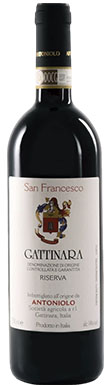

Initial intense juicy fruit aromas of sour plum, sweet ripe cherry and candied citrus peel then see some laurel leaf, white pepper and a very...
2019
AntonioloGattinara

Travaglini, Vigna Ronchi Riserva, Gattinara, Piedmont, Italy, 2019
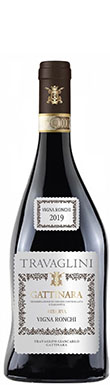
Immediately expressive, this continues to open in waves. You get the lovely, classic rose petal of the variety, along with dark, plummy fruit, touches of...
2019
TravagliniGattinara
Antoniotti Odilio, Bramaterra, Piedmont, Italy, 2021
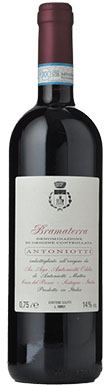
Unravelling slowly, earthy, autumn leaf aromas make way for pot pourri and spices along with delicate touches of sour red berries. The palate has a...
2021
Antoniotti OdilioBramaterra
La Piemontina, Ghemme, Piedmont, Italy, 2020
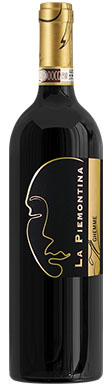
The bright intensity of floral-herby aromas of violets and laurel mix with dark, savoury berries. Deliciously young and fresh, the mid-weight palate has the same...
2020
La PiemontinaGhemme
Mirù, Vigna Carelle, Ghemme, Piedmont, Italy, 2017
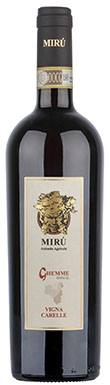
Very shy on the nose, with delicate, slightly spicy, ethereal aromas of evolution; dry tobacco, a touch of leather, and a little wood smoke. The...
2017
MirùGhemme
Tenuta Sella 1671, Omaggio a Quintino Sella, Lessona, Piedmont, Italy, 2016
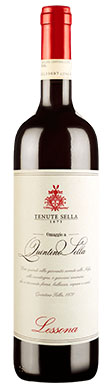
There is subtle understatement in the berry fruit and violets, but their scents linger for an eternity. The tight tannic weave and underlying salty acidity...
2016
Tenuta Sella 1671Lessona
Ioppa, Ghemme, Piedmont, Italy, 2020
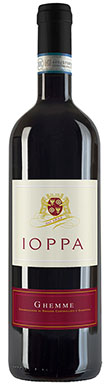
This has the admirably authentic, pale shade of the Nebbiolo variety. On the nose it is fresh and quite delicate, but very precise with wild...
2020
IoppaGhemme
Franchino, Gattinara, Piedmont, Italy, 2022
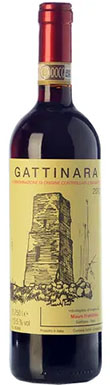
This is big and up-front on the nose, with ripe plum, laurel leaf and spice aromas emerging in concentrated waves. The palate is forceful, rich...
2022
FranchinoGattinara
Platinetti Guido, Vigna Ronco al Maso, Ghemme, Piedmont, Italy, 2018
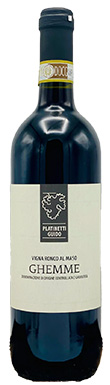
Evolved but still very fresh on the nose, this has sweet leather and tobacco aromas with a hint of truffle. The palate is dense and...
2018
Platinetti GuidoGhemme
Torraccia di Piantavigna, Ghemme, Piedmont, Italy, 2022
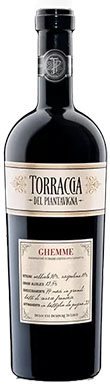
Pale ruby in colour and with great clarity and definition of dark fruit and sweet spice aromas, with touches of laurel and wild herbs in...
2022
Torraccia di PiantavignaGhemme
