Lighting up Levante – the new taste of south-eastern Spain
Lovers of Spanish wine have mostly looked north for the past few decades. But the country’s southeast is home to a variety of DOs beginning to tilt the country’s geographical scale. Make space for the new Levante.


The Levante is Spain’s Mediterranean eastern region, its very name, rooted in Latin – Levare: to rise, lift up, raise – evoking the rising sun that bathes its coastline in a brilliance that shapes its land, culture and vines.
In the wine world, the term is widely used to refer to the regions of Spain that lie within the autonomous communities of Valencia and Murcia.
Their coastline runs from Spain’s eastern shores to the southwest, where they meet the regional border with Andalucía. So what are the wine regions of this sun-drenched corner of Spain?
Here we are going to focus on the six DOs (denominación de origen) within the two communities: the DOs in Valencia are Alicante, Utiel-Requena and Valencia itself; and the three in Murcia are Bullas, Jumilla and Yecla.
‘Tasting reveals a region maturing in style, moving towards brighter acid-tannin balance and increasingly elegant interpretations of Monastrell’
Esther González de Paz, DO Jumilla
Vines on the edge
Given the extreme climate conditions that they enjoy – or suffer – these regions stand apart along Spain’s Mediterranean coast.
In the summer, temperatures hover above 40°C for extended periods, while in winter, particularly in the higher zones, they regularly drop below zero.
And while elevation above sea level certainly helps to maintain freshness in the wines, the result is a highly variable terroir, from the lower coastal zones to the higher vineyards beyond the hinterland.
Annual rainfall is low, often hovering just below 300mm, and it can come in the form of huge autumn or spring storms.
Think of the damage done to the region in October 2024, when a deep atmospheric depression (known as a DANA) struck Valencia, causing torrential rains and flash flooding that not only destroyed infrastructure and vineyards (particularly in Utiel-Requena), but resulted in a terrible loss of life.
Subsequent storm-related flooding events in May and September this year have served only to compound associated problems and concerns. And finally, we have the Levante winds.
Hot and dry, they come from the east and keep the region free from disease pressure.
However, in combination with high summer temperatures and lack of water, their heat can also stress the vines.
Understanding the Levante

VALENCIA
DO Alicante
Area planted: 10,000ha
Need to know: Home to the unique Fondillón, a long-aged, unfortified sweet wine made from Monastrell.
DO Utiel-Requena
Area planted: 32,000ha
Need to know: 60% of the vineyard area is Bobal
DO Valencia
Area planted: 7,644ha
Need to know: 39 permitted varieties, such as Moscatel de Alejandría and local Merseguera, Verdil, Arcos and Forcallat
One regional designation: IGP Castelló
MURCIA
DO Bullas
Area planted: 1,100ha
Need to know: 80% of the vineyard area is Monastrell
DO Jumilla
Area planted: 22,000ha with more than half in the province of Albacete (in Castilla- La Mancha) and the rest in Murcia (Levante)
Need to know: 70% of the vineyard area is Monastrell
DO Yecla
Area planted: 4,300ha
Need to know: 85% of the vineyard area is Monastrell
Two regional designations: IGP Vino de la Tierra de Murcia; IGP Campo de Cartagena
Rooted in history

The Phoenicians were key to establishing Valencia and Murcia as important centres of trade.
Hailing from the region around today’s Lebanon, they were expert sailors and travelled to find new markets to sell their goods and increase their influence.
They were busying themselves establishing ports in the region several centuries before the Romans arrived – the britannica.com website states ‘the Phoenicians settled in southern Spain after 800 BCE’, and Oxford Academic (August 2019) agrees that ‘the initial Phoenician presence in the Iberian peninsula dates to the 9th century BCE with the foundation of small settlements along the southern coast’.
Later, from about 219 BCE, the Romans expanded their rule into the Iberian peninsula, setting up the infrastructure and trade routes that were key to their domination of mare nostrum – the Mediterranean.
The wines of the Spanish Levante are now beginning to express this history and culture better than ever.
Northern Spain, through the wines of Rioja, Ribera del Duero and Galicia, may have dominated discourse over the past decade, but in that time, some of the most exciting winemakers and wines have also emerged from Spain’s Mediterranean coast onto the world stage.
Today’s wines speak to both the region’s past and future. ‘We are a unique region, with a great history marked by grapes and wines with our own style,’ explains Eladio Martín, general manager of the Alicante DO.
‘We can offer high quality, diversity, dynamism, interest and sustainability with our small-production wines and family wineries.’
So what’s fuelling the resurgence of the Levante?
Vino de Pago
A classification applying to estates that produce wines of consistently high quality, but not as part of an existing DO or DOCa, and fulfil a set of production conditions in order to be granted their own protected geographical designation. The following are Vinos de Pago within the region of Valencia:
• Pago Chozas Carrascal (Bodega Chozas Carrascal, Requena)
• Pago El Terrerazo (Bodega Mustiguillo – Utiel)
• Pago Los Balagueses (Bodegas Vegalfaro – El Derramador, Requena)
• Pago Vera de Estenas (Bodega Vera de Estenas, Utiel)
Monastrell metamorphosis

Dry-farmed Monastrell bush vines planted on the limestone gravel typical in DO Jumilla
According to planting data from the individual DOs, Monastrell is the most widely planted variety in the Levante and represents 83% of Monastrell vineyards worldwide.
Recognising the variety’s importance to the patrimony of the region, an association was launched in 2022: Monastrell España (monastrell.org).
The group works to promote wineries in five DOs: the three located in Murcia (Bullas, Jumilla and Yecla), as well as Alicante and Almansa (in Castilla-La Mancha). Its objective is to ‘improve the commercial, operational and innovative competitiveness of the wineries and growers who produce Monastrell wines’.
What are the innovations that mark today’s Monastrell wines? The image has not always been favourable.
While fresher, more judiciously oaked wines from other parts of Spain had already become de rigueur, the Levante often remained associated with heavily oaked wines that were high in alcohol.
‘Many people still think of Jumilla as a source of big, dense, sometimes monolithic reds,’ explains Esther González de Paz, communications director of the Jumilla DO, where Monastrell makes up 70% of the vineyard.
‘The tasting journey tells a different story: a region maturing in style, moving towards greater finesse, brighter acid-tannin balance and increasingly elegant interpretations of Monastrell.’
A more elegant approach

Bodega Cerrón carries out intense work in the vineyard to create its elegant expressions of Monastrell.
The biodynamic-certified winery’s vineyards in the far north of DO Jumilla are planted at 800m-1,000m, where cooler conditions lead to a longer growing season that normally finishes in mid- to late October.
‘This elevation, combined with the sandy calcareous soil type, results in wines with greater ripeness, a lower pH (higher acidity) and a much greater sensation of freshness and salinity [or minerality],’ explains Carlos Cerdán, one of the sibling owners.
Peter Wallbridge, head of wine buying at importer Enotria&Coe in the UK, is a big fan of their wines.
‘Bringing Cerrón to the UK was an absolute joy and has proven one of our great success stories,’ he explains.
‘Our customer base fell into two camps: those who had never heard of Jumilla, and those who knew the wines as either very robust or rustic. Either way, the wines surpassed all expectations.’
Terroir is also in focus in other DOs. Francisco Puerta, director of Bodegas del Rosario, the largest producer and cooperative in Bullas, describes the region as ‘the Switzerland of Murcia’ due to the elevation (vineyards rising up to 600m-900m) and pine forests that dominate the landscape.
‘The wines of Bullas stand out for their authenticity, elegance and a strong varietal identity thanks to Monastrell, which expresses itself here with a unique personality,’ Puerta says.
‘They are honest wines, with structure, good acidity and a natural freshness.’
Keeping it local


Monastrell may be Levante’s most-planted grape, but there are other local varieties that are defining the most interesting wines of the region.
In the UK, The Wine Society offers a range of styles from the region, including an own-label Jumilla Monastrell.
Harriet Kininmonth, the Society’s wine buyer for Spain, explains: ‘The sun-soaked southern Levante continues to carve out its own identity, championing local grapes such as Bobal and Giró as well as Monastrell. As in much of Spain, quality here is on the rise, with winemakers learning how best to work with the warm climate to achieve freshness and balance in wines that are typically juicy, ripe and full of warmth.’
Producers such as Javi Revert and Rafael Cambra (pictured above) are championing local varieties such as red grapes Arcos and Forcallat, while Bodegas Alejandro and Finca Collado work with Merseguera, a white grape producing fresh and aromatic wines in Alicante and Valencia.
And Bodegas Enguera has employed red Marselan to good effect – it’s a crossing of Cabernet Sauvignon and Garnacha that hails from Languedoc-Roussillon in southern France, and seems at home in this southern stretch of the Mediterranean.
Local varieties are also pivotal to the balance of wines sourced from old, co-planted vineyards.
‘The genetics of the old plots show very high diversity, with mixed varieties in old vineyards such as Blanquilla (Merseguera), Valdepeñera (Airén), Garnacha Gris, Bonicaire (Trepat), Forcallat, Garnacha Tinto, Moravias Agrias and many more,’ Cerdán lists.
‘This brings a unique typicity to the wines and helps to “soften” the sometimes excessive power of Monastrell.’
Bobal is another standout, both for its heritage and potential. There are more than 20,000ha of Bobal in Utiel-Requena, according to the DO authority’s data, with 8,950ha more than 45 years old, making the region an important source of old-vine heritage in Levante.
Leading the way, Toni Sarrión at Bodegas Mustiguillo launched his first wines under this brand with the 2000 vintage, and in 2010 secured the estate’s own DOP status as Pago El Terrerazo.
His focus on vineyard expression and elegance sets a standard for Utiel-Requena and is now being emulated by other producers in the region.
‘We are discovering that what is modern is not always something new’
Eladio Martín, DO Alicante
Liquid legacy

Finca de Abargues, the coastal estate of Pepe Mendoza Casa Agrícola in Marina Alta, Alicante
Among its homegrown products, the Levante counts the unique and historical Fondillón wine – known records date back into the 15th century, and it subsequently achieved great fame and high demand even up to the royal courts of Louis XIV of France.
An aged sweet wine with serious savoury character, it is made within the DO Alicante and there are only 12 wineries certified for its production.
Made entirely from Monastrell grapes that are allowed to overripen on the vine, it spends a minimum of 10 years in oak, with the barrels often topped up with younger wine, forming a solera system.
Long ageing, and residual sugar levels usually between 45g-100g/L, results in a sublimely complex wine that displays notes of dried fruits, coffee and nuts, with refreshing acidity that belies its sweetness.
Eladio Martín believes a wine of such historical significance offers an opportunity today.
‘Fondillón is produced in very small quantities and is not well known (or understood), but we are discovering that what is modern is not always something new,' he says.
‘It is the act of discovering, understanding and respecting traditions such as this that will bring Fondillón into the present.’
A focus on regionality

Finca Collado in Salinas, Alicante
While none of the appellations in the Levante have yet included single-vineyard sites, or parajes (comparable to lieu-dit in France), within their classifications, some sub-regions are emerging as sources of particularly interesting wines.
In the DO Valencia, the Valle del Alforins is a valley whose elevations range from 600m up to a peak at nearly 1,000m, and it incorporates the municipalities of Fontanars del Alforins, Moixent and La Font de la Figuera.
Leading producers such as Celler del Roure, Javi Revert and Rafael Cambra make wine in this area, and 16 wineries belong to the Associació de Viticultors i Productors de Terres dels Alforins, founded in 2010 with the vision of promoting the shared characteristics of the area.
In Jumilla, there is a particular focus on those vineyard areas dominated by old vines and ungrafted Monastrell [growing on its own original rootstock].
‘Perhaps the most powerful narrative is that of Jumilla Monastrell as a mother vine,’ explains González de Paz. ‘Framed through the lens of old vines, dry farming and ungrafted pie franco vines, this story offers tremendous potential to elevate the stature of Jumilla wines globally.’
Elevation and old vines are factors also defining the emerging sub-zones of Alicante and Utiel-Requena, which are starting to reveal their own regional profiles.
The higher, cooler area of Alto Vinalopó is home to some of DO Alicante’s most elegant wines, such as Pepe Mendoza’s El Veneno, while towns like Sinarcas and Camporrobles in the higher reaches of Utiel-Requena offer bright acidity.
‘We can offer high quality, diversity, dynamism, interest and sustainability with our small-production wines and family wineries'
Eladio Martín, DO Alicante
Past informs the future
Certainly, the Levante faces significant challenges, not least changing climatic conditions – there is a fear of more storms and flooding in the future, perhaps even more potent than those we’ve seen in the last few years.
Another potential setback is the local subsidies introduced recently in Murcia to encourage growers to green-harvest and discard unripened fruit as a means of reducing overall production volumes – for wineries, it can mean increased financial difficulty, especially in years of severe drought, and for the region a risk of losing high-quality vineyards.
But there is a palpable sense of youthful enthusiasm, innovation and an exciting blend of tradition and innovation.
Enotria&Coe’s Wallbridge sums up this interplay of past and future at Bodega Cerrón: ‘The charm of Juanjo Cerdán’s dedication to tradition and learning from his ancestors, combined with the attention to detail and more modern approach of his brother Carlos, makes them a force to be reckoned with.’
As producers continue to blend the best of the region’s traditions with a modern mentality, the Levante’s image on the world stage will surely continue to rise.
A taste of the new Levante in 18 wines
Related articles

Málaga: How this Spanish region was rediscovered

Drought: A thirst for answers in Spain

No DO – The Spanish wines pushing the boundaries of tradition
Bodega Cerrón, Stratum Wines El Cerrico, Jumilla, Spain, 2023
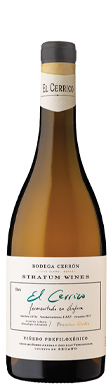

One of Spain's truly remarkable white wines, this comes from a single parcel of old-vine Airén grown in the north of Jumilla at nearly 1,000m....
2023
Bodega Cerrón

Bodegas Alejandro, Arbui Blanco, Alicante, Spain, 2023
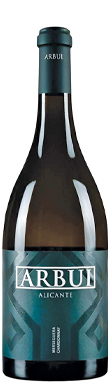
Local white variety Merseguera combines beautifully with Chardonnay in this blend from vineyards planted on stony and sandy soils in Monòver, to the northwest of...
2023
Bodegas Alejandro
Pepe Mendoza, Pureza Anfora, Alicante, Spain, 2023
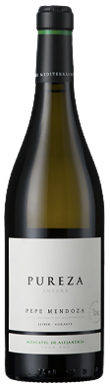
This is the essence of dry Moscatel with a Mediterranean twist. A white wine macerated on its skins (a style known locally as 'brisado') for...
2023
Pepe Mendoza
Bodegas del Rosario, El Borde Blancas, Bullas, Spain, 2023
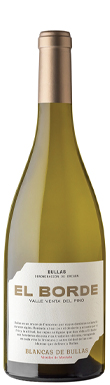
An expressive white wine from Bullas, this blend is mostly Macabeo and Malvasía with 20% Airén and other local varieties. It is fermented in barrel...
2023
Bodegas del Rosario
Finca Collado, Messeguera, Alicante, Spain, 2023
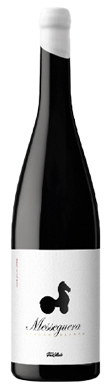
This is the essence of Merseguera, with grapes coming from several small parcels of vines with an average age of 40 years. It offers dried...
2023
Finca Collado
Casa Balaguer, El Carro de la Mata Moscatel, Alicante, Spain, 2023
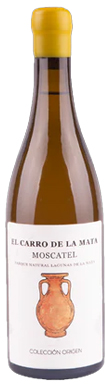
An orange wine in every sense, this Moscatel displays a light amber colour resulting from 30 days on skins. It comes from a single parcel...
2023
Casa Balaguer
Javi Revert, Simeta, Valencia, Spain, 2023
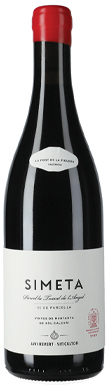
Some might be surprised by this wine’s lightish colour given its origin, but this 100% Arcos (a local variety) delivers impact, structure and a strong...
2023
Javi Revert
Rafael Cambra, La Forcallà de Antonia, Valencia, Spain, 2023
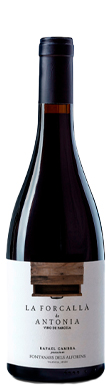
Made from local grape Forcallà which is planted in the western-most part of Fontanars at 700m on sandy soils, this is 50% whole bunch-fermented, and...
2023
Rafael Cambra
Bodegas Enguera, Sueño de Megala, Valencia, Spain, 2020
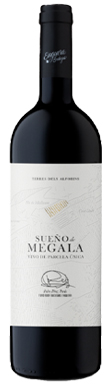
Expressive and beautifully crafted, this is an unusual wine made from 100% Marselan. It offers typical Mediterranean forest aromas of pine resin and mountain herbs....
2020
Bodegas Enguera
Viña Elena, Bruma del Estrecho de Marín Parcela Vereda, Jumilla, Spain, 2023
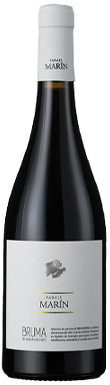
Refined and refreshing, this Monastrell comes from Tobarra in the north of Jumilla where the vines are planted at about 650m. It is an intensely...
2023
Viña Elena
Bodegas Carchelo, Muri Veteres Monastrell, Jumilla, Spain, 2022
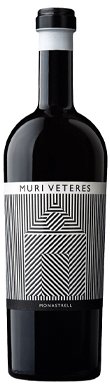
Intense and concentrated, this is old-vine Monastrell at its best. A heady nose of incense, lavender and wild herbs opens to layers of black fruit...
2022
Bodegas Carchelo
Bodega Cerrón, Stratum Wines La Servil, Jumilla, Spain, 2023
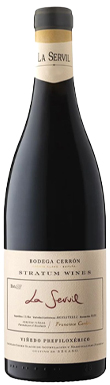
Cerrón’s La Servil cuvée comes from old Monastrell vines grown at 960m on limestone soils, and it's aged for 18 months in old 5,000-litre Austrian...
2023
Bodega Cerrón
Mustiguillo, Finca Terrerazo Vino de Pago Bobal, Utiel-Requena, Spain, 2022
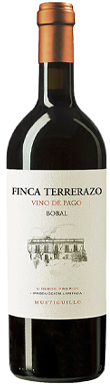
A wonderful expression of Bobal from one of the region’s Pago (designated vineyard area) appellations. The vineyard, located to the northwest of Utiel, was planted...
2022
Mustiguillo
Celler del Roure, Ferrero i Senís La Pebrella, Valencia, Spain, 2023
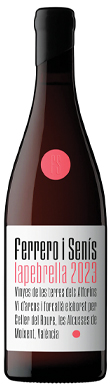
Another wine from the Alforins sub-zone of Valencia, this is a new red from Celler del Roure made with equal parts of local grapes Arcos...
2023
Celler del Roure
Clos Cor Ví, Las Hoces, Utiel-Requena, Spain, 2021
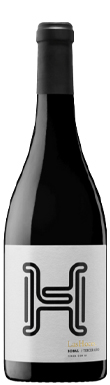
This is a very polished and accomplished 100% Bobal, from bush vines planted in 1974 in the Parque Natural de las Hoces del Cabriel, to...
2021
Clos Cor Ví
Parajes del Valle, Monastrell Ecológico, Jumilla, Spain, 2023
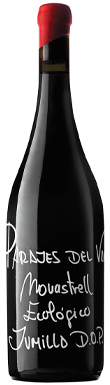
Monastrell without any makeup! This was fermented in stainless steel and aged in concrete before bottling, resulting in a wonderful expression of the variety with...
2023
Parajes del Valle
Bodegas Castaño, Hécula Organic Monastrell, Yecla, Spain, 2023
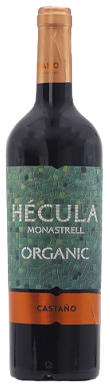
This is great-value Monastrell that shows off the richness and vibrancy of the variety. The wine was aged for six months in French and American...
2023
Bodegas Castaño
Colección de Toneles Centenarios, Luis XIV Fondillón Edad Superior a 25 Años, Alicante, Spain
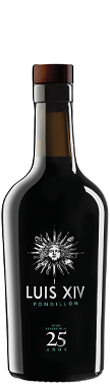
Sometimes you have the chance to taste history – and this is one of those moments! It's a 100% Monastrell aged in a solera, this...
Colección de Toneles Centenarios
Bodega Cerrón, Stratum Wines El Cerrico, Jumilla, Spain, 2023
One of Spain's truly remarkable white wines, this comes from a single parcel of old-vine Airén grown in the north of Jumilla at nearly 1,000m....
2023
Bodega Cerrón
Bodegas Alejandro, Arbui Blanco, Alicante, Spain, 2023
Local white variety Merseguera combines beautifully with Chardonnay in this blend from vineyards planted on stony and sandy soils in Monòver, to the northwest of...
2023
Bodegas Alejandro
Pepe Mendoza, Pureza Anfora, Alicante, Spain, 2023
This is the essence of dry Moscatel with a Mediterranean twist. A white wine macerated on its skins (a style known locally as 'brisado') for...
2023
Pepe Mendoza
Bodegas del Rosario, El Borde Blancas, Bullas, Spain, 2023
An expressive white wine from Bullas, this blend is mostly Macabeo and Malvasía with 20% Airén and other local varieties. It is fermented in barrel...
2023
Bodegas del Rosario
Finca Collado, Messeguera, Alicante, Spain, 2023
This is the essence of Merseguera, with grapes coming from several small parcels of vines with an average age of 40 years. It offers dried...
2023
Finca Collado
Casa Balaguer, El Carro de la Mata Moscatel, Alicante, Spain, 2023
An orange wine in every sense, this Moscatel displays a light amber colour resulting from 30 days on skins. It comes from a single parcel...
2023
Casa Balaguer
Javi Revert, Simeta, Valencia, Spain, 2023
Some might be surprised by this wine’s lightish colour given its origin, but this 100% Arcos (a local variety) delivers impact, structure and a strong...
2023
Javi Revert
Rafael Cambra, La Forcallà de Antonia, Valencia, Spain, 2023
Made from local grape Forcallà which is planted in the western-most part of Fontanars at 700m on sandy soils, this is 50% whole bunch-fermented, and...
2023
Rafael Cambra
Bodegas Enguera, Sueño de Megala, Valencia, Spain, 2020
Expressive and beautifully crafted, this is an unusual wine made from 100% Marselan. It offers typical Mediterranean forest aromas of pine resin and mountain herbs....
2020
Bodegas Enguera
Viña Elena, Bruma del Estrecho de Marín Parcela Vereda, Jumilla, Spain, 2023
Refined and refreshing, this Monastrell comes from Tobarra in the north of Jumilla where the vines are planted at about 650m. It is an intensely...
2023
Viña Elena
Bodegas Carchelo, Muri Veteres Monastrell, Jumilla, Spain, 2022
Intense and concentrated, this is old-vine Monastrell at its best. A heady nose of incense, lavender and wild herbs opens to layers of black fruit...
2022
Bodegas Carchelo
Bodega Cerrón, Stratum Wines La Servil, Jumilla, Spain, 2023
Cerrón’s La Servil cuvée comes from old Monastrell vines grown at 960m on limestone soils, and it's aged for 18 months in old 5,000-litre Austrian...
2023
Bodega Cerrón
Mustiguillo, Finca Terrerazo Vino de Pago Bobal, Utiel-Requena, Spain, 2022
A wonderful expression of Bobal from one of the region’s Pago (designated vineyard area) appellations. The vineyard, located to the northwest of Utiel, was planted...
2022
Mustiguillo
Celler del Roure, Ferrero i Senís La Pebrella, Valencia, Spain, 2023
Another wine from the Alforins sub-zone of Valencia, this is a new red from Celler del Roure made with equal parts of local grapes Arcos...
2023
Celler del Roure
Clos Cor Ví, Las Hoces, Utiel-Requena, Spain, 2021
This is a very polished and accomplished 100% Bobal, from bush vines planted in 1974 in the Parque Natural de las Hoces del Cabriel, to...
2021
Clos Cor Ví
Parajes del Valle, Monastrell Ecológico, Jumilla, Spain, 2023
Monastrell without any makeup! This was fermented in stainless steel and aged in concrete before bottling, resulting in a wonderful expression of the variety with...
2023
Parajes del Valle
Bodegas Castaño, Hécula Organic Monastrell, Yecla, Spain, 2023
This is great-value Monastrell that shows off the richness and vibrancy of the variety. The wine was aged for six months in French and American...
2023
Bodegas Castaño
Colección de Toneles Centenarios, Luis XIV Fondillón Edad Superior a 25 Años, Alicante, Spain
Sometimes you have the chance to taste history – and this is one of those moments! It's a 100% Monastrell aged in a solera, this...
Colección de Toneles Centenarios
