Peru: get to know the wines and regions
Known for its richly varied culinary scene, Peru is now looking to wow the world with its wines. Alejandro Iglesias introduces the grapes, regions and wine styles you need to know – and recommends wines to try.


It may come as news to many Decanter readers that Peru even has a wine scene – let alone a rich history of wine production. In fact, it is the oldest wine-producing country in South America.
The area surrounding Lima, the capital of Peru, was where the Spanish conquistadors initially planted vines. Using grape varieties from the Canary Islands, they first made wine in the 16th century.
Historian Carlos Buller writes in his book Viticulture in Colonial Peru: ‘It’s likely that planting vines was one of the first things the Spanish did on their arrival, sometime in the 1530s, at different locations across the territory.’
These vineyards soon expanded southwards, mainly to Ica, Arequipa, Moquegua and Tacna. This led to a golden age of wine production for Peru, when Peruvian wine was sold right across South America in the 17th and 18th centuries.
However, by the 19th century viticulture had been relegated to the sidelines. This was due to natural disasters: earthquakes, volcanic eruptions and even phylloxera. There were also economic difficulties in the form of commercial restrictions imposed by the Spanish crown and the need to plant other crops.
The surviving vineyards were focused on producing pisco, the traditional grape spirit of Peru, as well as the popular Borgoña – a sweet wine made from the Isabella hybrid.
But Peruvian winemakers are a proud, resilient breed. Today, after modernising their wineries and repurposing their vineyards with the help of international consultants, they are determined to surprise the world with their fine wines.
They certainly have a lot of reputation building ahead of them. But I wouldn’t bet against Peru…

Peruvian wine today
Currently Peruvian winemakers are split between two different paths, which both offer plenty of potential. One path is to choose European varieties, notably Malbec, Cabernet Sauvignon, Syrah, Merlot, Tannat, Sauvignon Blanc and Chardonnay.
The other is to opt for ‘patrimoniales’, or heritage grapes that have historically been used for pisco. These include Quebranta, Mollar, Negra Criolla (Chile’s País), Torontel, Moscatel Negro del Perú, Albilla (Palomino Fino) and Italia. Some of these have been around since viticulture first began in South America, while others were bred on the continent itself.
‘Producing wines from patrimoniales grapes is a way to differentiate ourselves,’ says Pedro Cuenca Espinoza, a sommelier and founder of Perú Vino, a leading distributor of Peruvian wines. ‘Producers have learned to adapt their vines and harvest times to obtain grapes for fine wines. Today, you can enjoy Quebranta rosés and Italia [the Peruvian name for Muscat of Alexandria] whites, both of which are very fresh, expressive and well made.’
Meanwhile, Luis Gómez, head of winemaking at Intipalka – who has worked at La Celia and Bodegas CARO in Argentina – is convinced that European varieties offer a more promising future in Peru.
‘We have terroirs with plenty of potential to produce unique expressions using varieties such as Malbec, Syrah, Cabernet and Muscat of Alexandria,’ he says. ‘We’re not ruling out patrimoniales varieties, but our main objective is to show that Peru can produce elegant wines with a distinctive flavour.’
On the map
Peru has about 15,000ha of vineyards destined for the production of pisco and sweet wines. But only a small portion of this surface area is used to produce quality grapes for dry wines.
From north to south, the viticultural region stretches from Lima, down through Ica, Arequipa, Moquegua and Tacna. All of the terroirs are influenced by the Humboldt Current from the Pacific Ocean. The altitude and exposure provided by the Andes in arid areas at the northern edge of the Pacific coastal desert is also a factor.

Ica contains 50% of the quality vineyards of Peru and has three main sub-regions: Chincha, Pisco and the Ica Valley. Most of the vineyards are set at heights of between 400m and 650m above sea level. Their deep, sandy soils are rich in diatomite, calcium carbonate and minerals without much organic matter. The micro-climate – arid and subtropical – ensures a sizable thermal range, while the ocean breeze cools the otherwise warm climate.
Notable producers in Ica include Intipalka (Queirolo), Mimo, Ocucaje, Pampas de Ica and Tacama – a winery with the oldest vineyard in South America, dating back to 1540. All of them make pisco as well as fine wines from European and heritage varieties. Stand-out wines include Quebranta and Mollar rosés and whites from Muscat of Alexandria, Torontel and Albilla.
Regions and producers
In Chincha, Tabernero and Viña Vieja are traditional wineries producing international-class wines. Meanwhile in the Pisco Valley, heritage varieties come to the fore, as evidenced by the natural wines of Bodega Murga.
The Vítor and Caravelí Valleys are the hubs in Arequipa. Both valleys boast vineyards planted at heights above 1,200m in colluvial clay soils. The Vítor Valley produces mainly Malbec, known there as Burdeos, Moscatel Negro del Perú and Muscat of Alexandria for whites.
Paz-Soldán is the leading producer in the region. Caravelí is an important location in the history of Peruvian viticulture with heritage vineyards planted at heights of around 1,600 metres, where fruit is still fermented in centuries-old clay vessels and flagons.

Moquegua was an important viticultural centre in the 17th century, when it was known as the ‘Bordeaux of the Americas’. Today, Muscat of Alexandria, Moscatel Negro, Quebranta, Syrah and Malbec are the raw materials for the intriguing wines being made by the Viejo Molino winery.
Finally Tacna is the most southerly region in Peru with vineyards located at around 1,200m. There’s a vast range of different varieties here, as is reflected in the portfolio of Marqués Cariñoso, a winery that uses both European and heritage grapes.
Wines from Peru to try
Related articles
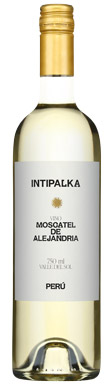
Intipalka, Moscatel de Alejandría, Ica Valley, Peru, 2021
91
This white grape was one of the first to be planted in Peruvian soil, which is why it’s considered a patrimonial variety (also known here as Italia). But at Intipalka it’s made in a style to please international palates. A limpid white in hue, the expressive nose has notes of fresh grape, flowers and fresh white fruit. While in the mouth it’s taut with good balance and prolonged flavour.
2021
Intipalka
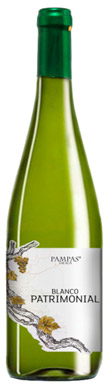
Pampas de Ica, Blanco Patrimonial, Ica Valley, Peru, 2021
89
For this fragrant white, Ismael Carpio uses equal parts of two patrimonial grapes, Albilla and Torontel, that he harvests in the Ica Valley. The result is simple but expressive and refreshing; fruity, smooth, balanced and easy to drink.
2021
Pampas de Ica
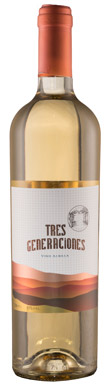
Tres Generaciones, Albilla, Ica Valley, Peru, 2021
88
Tres Generaciones is a family winery from the Ica Valley, commanded by Juanita Martínez de Gonzales, better known as 'The lady of Pisco'. Experts in the production of patrimonial grapes, she uses Albilla (Palomino Fino) for this exotic and expressive white. Aromas reminiscent of biological ageing, with orange peel, nuts and flowers as protagonists. On the palate it is smooth and sauvory with a refreshing finish.
2021
Tres Generaciones
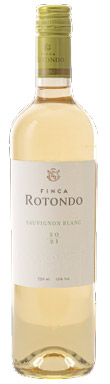
Viña Vieja, Finca Rotondo Sauvignon Blanc, Chincha, Ica Valley, Peru, 2022
88
Chincha, the coastal region of Ica, is a white variety terroir close to the Pacific, where Viña Vieja make this fragrant, fruity Sauvignon Blanc. It offers notes of lime, pear, pineapple, green apple and white flowers. In the mouth it’s easygoing with a medium body and mild freshness.
2022
Viña ViejaChincha
Viejo Molino, Charzago Quebranta Rosado, Moquegua, Peru, 2022
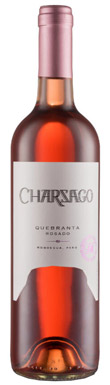
90
One of the most accomplished patrimonial grape rosés in Peru, this is made by Viejo Molino with grapes from Samegua. Fermented immediately after pressing, it’s a Provençal pink in hue, with fruity aromas such as papaya, passion fruit, fresh flowers and strawberry. In the mouth, it’s fresh, fatty and expressive.
2022
Viejo Molino
Paz Soldan, Conde de la Conquista Rosé Moscatel Negro del Perú, Arequipa, Peru, 2022
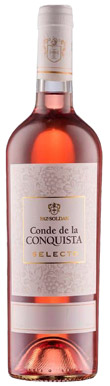
89
Patrimonial red grapes in Peru are ideal for making rosés, as can be seen in this wine. It's the result of six hours of maceration of Moscatel Negro, harvested in volcanic soils at altitude in the Caravelí Valley. The nose combines floral aromas, fresh grape and cherry; while in the mouth it’s taut and full of flavour with an indulgent finish.
2022
Paz Soldan
Tabernero, Vittoria Reserva Malbec, Chincha, Ica Valley, Peru, 2019
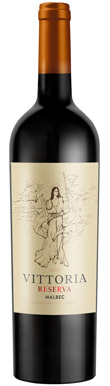
88
A well-made, expressive red in which 12 months of oak ageing has fine-tuned the character. The nose presents notes of ripe red fruit followed by secondary spice aromas, while it delivers good flavour in the mouth with a medium body and young tannins that rather dry out the finish.
2019
TaberneroChincha
Casa Murga, Sophia L’Orange, Pisco, Ica Valley, Peru, 2021
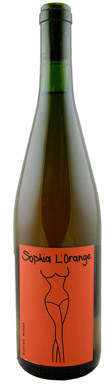
91
One of the most exciting and rewarding wines in Peru right now is this orange version made by Pietra Possamai with Quebranta and Mollar (the same grape as Negramoll from the Canary Islands) from the Pisco Valley. Co-fermented with native yeasts before ageing with skins for 30 days. It’s an amber orange in the glass with a potent, aromatic nose of floral and citrus notes, vibrant freshness and an expansive feel.
2021
Casa MurgaPisco
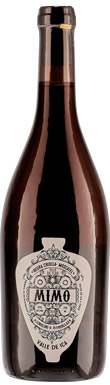
Pepe Moquillaza, Mimo Italia, Ica Valley, Peru, 2021
89
This wine arose out of a partnership between Pepe Moquillaza and the Argentinian winemaker Matías Michelini – although the most recent vintages were overseen by the Peruvian alone. Their radical approach is designed to squeeze as much flavour as possible out of patrimonial Italia grapes, resulting in 150-day skin contact. The end result is a murky yellow wine with an oxidative nose of honey, dried flowers and vanilla. Dry and linear in the mouth, this is an unusual wine that's very much worth a try.
2021
Pepe Moquillaza
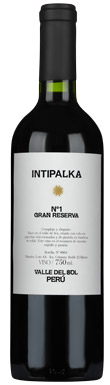
Intipalka, Gran Reserva No 1, Ica Valley, Peru, 2019
92
The most refined red currently produced in Peru is made by Luis Gómez, who selects the best grapes (in 2019 this blend came out as 45% Malbec, 25% Tannat, 20% Cabernet Sauvignon and 10% Petit Verdot) from the Queirolo family vineyard in the Ica Valley. Having spent a year ageing in new oak, it’s a rich ruby red in the glass with an elegant nose of spice and pure, ripe red and dark fruit notes. On the palate it’s concentrated but juicy with firm tannins and a substantial finish.
2019
Intipalka
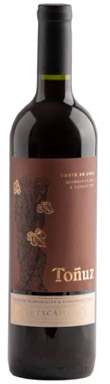
Tacama, Toñuz Corte de Uvas, Ica Valley, Peru, 2021
89
This new creation from Bodega Tacama, the oldest winery in South America, is a blend of 80% Quebranta and 20% Tannat. Bright purplish red in the glass, with a nose of fresh and candied fruit and spice. In the mouth it’s fluid and juicy with an indulgent feel. An exotic but easy-drinking wine.
2021
Tacama
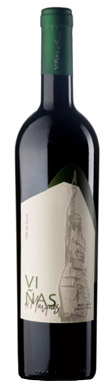
Marques Cariñoso, Viñas del Marqués Negra Criolla, Tacna, Peru, 2022
88
An unaged red made with Negra Criolla (País in Chile) grapes from a 40-year-old vineyard, this is an excellent example of the pure exotic flavours that can be obtained from patrimonial grapes in Peru. The aromatic profile is fruity with notes of spice, eucalyptus, tobacco and pink pepper. It’s light and expansive in the mouth with firm tannins and a juicy finish.
2022
Marques Cariñoso
