Prestige Champagne: Crème de la crème


Prestige Champagnes are usually a producer’s best – and most expensive – wine. But with the trend towards vineyard wines, special cuvées and multiple bottlings, there’s cause for confusion. DWWA Champagne Regional Chair Richard Juhlin demystifies the category, and names his top 20 from a landmark tasting.
We’re all familiar with magnificent and prestigious names like Belle Epoque, La Grande Dame, Cristal, Winston Churchill and Dom Pérignon. But what really defines a prestige Champagne?
Champagne may be the world’s most controlled wine region, but when it comes to how a prestige Champagne should be constructed, there are no rules at all, which can be very confusing.
Prestige Champagne is almost always the wine that each producer considers their top of the range, but no law prevents them from packaging a simple, standard Champagne in a showy bottle and declaring that this is the jewel of the house.
Scroll down to see Richard’s tasting notes & scores
There is a worrying trend that some producers, because of the popularity of prestige Champagne, are choosing to make excessive amounts of prestige wine and minimising or excluding their vintage Champagne for commercial reasons. Fortunately, it is almost always the case that the prestige Champagne really is the producer’s best wine.
Prestige Champagnes are also usually the producer’s most expensive wines and should be the essence of the very best you can achieve. A typical prestige Champagne is made exclusively from grand cru grapes from the oldest vines.
The ageing period in the cellar is maximised and there are numerous examples of very late disgorged wines. Some use oak barrels, and the presentation is the most luxurious possible: ornate boxes of fine woods with specially designed bottles.
Dom Pérignon 1921, launched in 1936, must be regarded as the first prestige Champagne. Roederer’s Cristal was admittedly sold even earlier to the Russian Tsar, but the first vintage to come on the market was the 1945, not sold until the 1950s. The first vintage of Taittinger’s Comtes de Champagne was 1952.
Further confusion around the concept of prestige Champagne arises from the fact that several of the most famous Champagne houses now make vineyard wines – almost like some growers – in exclusive small amounts, and at exorbitant prices.
For example, if you look at Billecart-Salmon you will find that its most expensive wine is the vineyard wine Clos St-Hilaire, although the classic prestige wine is the Cuvée NFB.
If you ask Krug it will answer that all its wines are prestige Champagnes, but the proud flagship is not Clos du Mesnil or Clos d’Ambonnay but the non-vintage Krug Grande Cuvée, even though, paradoxically, it is the cheapest wine.
Philipponnat, on the other hand, has had a clos wine as its prestige Champagne since the 1940s; Salon makes only one wine; and Jacquesson now specialises almost exclusively in clos wines and lets the disgorgement date determine whether the prestige epithet should be used or not.
Bollinger does the same with its RD despite the fact that its rare gem is Vieilles Vignes Françaises. A few houses make two prestige Champagnes beyond the rosé versions of the same high quality but in different styles such as Deutz (William / Amour) and Perrier-Jouët (Belle Epoque / Belle Epoque Blanc de Blancs).
Continue reading below
Richard’s top 20 prestige Champagnes:
The tasting
Since 2012 I’ve organised a tasting each May of virtually all quality Champagnes in a given category. The inaugural year focussed on blanc de blancs, where Krug’s Clos du Mesnil 1998 took top honours; last year was rosé, where Dom Ruinart’s 1988 and Cristal’s 2002 shared the plaudits.
This year we tasted 109 white prestige Champagnes from 105 leading producers. Wines were tasted blind over two days by me and a panel of eight fellow Champagne Club members.
In previous years my scores have been less in accordance with the overall jury’s scores. This time it gratifyingly shows an almost uncanny consistency. The scores show the big names have a firm grip on the top placements, and that styles, as well as vintages, can vary greatly.
Oak barrels, steel tanks, vinification style and grape composition all fortunately play a minor role. Highlights were found across all styles – a reassuring sign that prestige Champagnes will continue in their diversity.
After a slump in the slightly weaker 1997 and 1999 vintages, the legendary Salon is back in top shape with its cool, seductive and sublime, ultra-stylish 2002. Krug need not lament that it sent Grande Cuvée, and can celebrate a well-deserved score for its inimitable depth and incredible Pinot complexity.
The king of growers, Anselme Selosse nowadays makes cult vintage and extravagant clos wines from individual grand cru parcels, and his solera wine, Substance (made of wines from 1986 to the mid-2000s) took us all by surprise.
Louis Roederer receives much criticism for releasing its Cristal prematurely, but the 2006 is already incredibly elegant and won high scores all round. Two powerful 2004s excelled: we all loved the lavishly rich La Grande Dame, while the ultra-intense, acacia- and coffee-scented Dom Pérignon divided the group more. For me the Dom Pérignon was probably the biggest positive surprise.
Vintage performance
To succeed in getting a 2005 into one of the top spots is a great achievement. The vintage generally lacks elegance and lives almost exclusively on its fat, almost cloying fruit. The premier Champagne of the 2005 vintage is undoubtedly Taittinger’s Comtes de Champagne with its lavishly rich exoticism that, ever so slightly, resembles the world-famous 1976 in youth. The Amour de Deutz 2005 impressed in a similar style.
The famous 2002 vintage showed its beautiful side in the form of Piper-Heidsieck’s coffee-roasted Rare, while Dom Ruinart, Belle Epoque Blanc de Blancs and Pommery’s Cuvée Louise are all going through a closed period.
Even with Bollinger RD you should wait a while to enjoy the full gastronomic potential. The growers’ counterpart, Egly-Ouriet, produced a lush Pinot masterpiece made from vines planted in Ambonnay in 1946. Neighbours Paul Déthune, RH Coutier, Marguet and Billiot also impressed in a less bombastic style.
A number of wines from the relatively ordinary vintage 2000 shone, benefitting from their age.
Meanwhile, two 1999s (R Lalou and Billecart NF) drowned a little among the competition – they are extremely pleasant to drink now but even better in magnum.
I have previously tasted Henriot’s 1998 Enchanteleurs in a purer and better condition, likewise Jacquesson’s 1995 DT, while Charles Heidsieck’s 1995 is always intensely pleasurable.
In Bouzy, Clouet flopped this time, but despite a modest placement, I will forever remember the delicious aromas of raspberries and meringue in George Vesselles’ Cuvée Juline. For future Bouzy moments I choose, as usual, Paul Bara’s still youthful cloudberry-and passion fruit-scented Comtese Marie de France 2002. In Verzenay, Michel Arnould reigns with the far too young Mémoire de Vignes, and in Aube, nothing beats Michel Drappier’s Grande Sendrée.
Among the unknown newcomers in the peripheral corners of Champagne, I was most pleased with Bordaire-Gallois and Coessens. The most impressive wines made of Pinot Meunier grapes came from Loriot, José Michel and Dehours. Palmer’s crowd-pleasing mellow roasted Amazone took first place among the coops, closely followed by slow starter Cuvée Echansons from Mailly.
At the core of the Marne valley there were fewer peaks this time. The famous Clos des Goisses always scores poorly in blind tastings with its difficult-tointerpret, youthful and sullen personality. Decanted and enjoyed with food, the impression is the reverse.
Giraud’s Fût de Chène, Roger Brown’s Reserve Familiale, Gosset-Brabant’s Cuvée Gabriel and Goutorbe’s Special Club are all, despite their placings outside the top 20, fine examples of what Aÿ can convey in its best moments. Across the river, I am most fond of Tarlant’s heavily oaked Cuvée Louis.
In the Côte des Blancs, we find a plethora of affordable, high-class prestige Champagnes. Mesnil-sur-Oger is home to Pierre Peters with the ultra-pure Lés Chétillons, Gonet’s Belem Nita, Pascal Douquet’s Vieilles Vignes and a promising Confidence 2008 from newcomer Vergnon, and neighbour Guy Charlemagne with the toffee-rich Mesnillésime 2004.
Agrapart and De Souza in Avize did not shine as brightly as I expected this time, but from neighbouring Cramant we, as usual, enjoyed a smiling Bonnaire, Diebolt-Vallois’ stately Fleur de Passion and a toasted yet crisp magnum of Gimonnet’s Collection 2005. Besides the top-rated St-Vincent from Legras, Chouilly fielded a dark horse in the top 50 with the limited-production Prestige de la Cave 2006 from small grower Michel Genet.
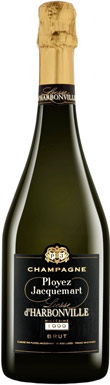
Most brightly in the Côte des Blancs shone the magical Clos Cazals 2002 from Oger. This lesserknown prestige wine has only been made since 1995 and is reminiscent of Salon. Amazement Clos Cazals in Le Mesnil-sur-Oger is one of a number of walled vineyards in Champagne spread across my features when Ployez-Jacquemart’s Liesse d’Harbonville 1999 was presented – an extremely delicate creation with the finest lime blossom bouquet, and the elegance of Dom Ruinart. I was really out on that one with my guess.
Also noticed in this premier cru area was the impressive but slightly overloaded Coeur de Cuvée from Vilmart, Léclapart’s l’Apôtre and Cattier’s delicate Clos du Moulin with its grassy, gooseberry scents and creamy texture. Lassalle’s Special Club 2006 from Chigny-lès-Roses is even creamier, more voluptuous and irresistibly vanilla-scented.
The biggest disappointments this time? Happily, I can barely remember, and would prefer to revel in the fireworks of enjoyment that this tasting brought, celebrating the love and dedication of producers which underpin the magic of their prestige Champagnes. To achieve such myriad styles and level of quality from about 30 villages is nothing short of miraculous.
Louis Roederer, Cristal, Champagne, France, 2006
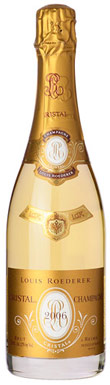

Fantastic from the start. A colossal power of beautiful rumbling Pinot maturity. It’s like chewing on the ripest grapes from Aÿ and Verzenay. At the...
2006
Louis Roederer

Taittinger, Comtes de Champagne, Champagne, France, 2005
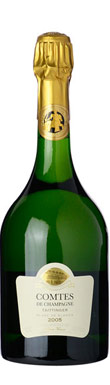
A warm, sunny year produced this concentrated, elegant wine with refined aromas of ripe apple and quince, fresh hawthorn and a suggestion of mineral and...
2005
Taittinger
Jacques Selosse, Substance Blanc de Blancs, Champagne, France
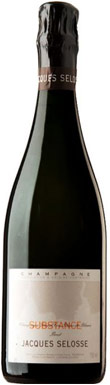
So much Selosse! Intense and personal. Our bottle was very mature with a fat, oily character. Loads of different nuts, sesame oil, Istanbul market spices...
Jacques Selosse
Krug, Grande Cuvée, Champagne, France
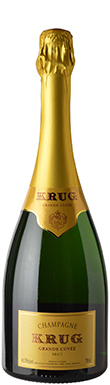
Beguiling complex colour of twinkling green/gold lights. Inimitably Krug, masterly blending. The Chardonnay scents are at once refined yet dripping in the aroma of crunchy...
Krug
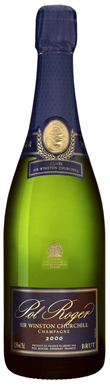
Pol Roger, Cuvée Sir Winston Churchill, Champagne, France, 2000
95
Although not regarded as a top year, this Churchill is a great succcess. The apple-compote nose is reserved but it has purity of fruit and finesse. The attack is lean, tight, and racy, very youthful and tight, with a wonderful tension and dynamism. It is in its prime but should keep well thanks to its racy acidity, which gives excellent length.
2000
Pol Roger
Charles Heidsieck, Blanc des Millénaires, Champagne, France, 1995
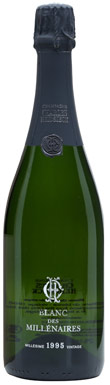
The last batch of 1995 was disgorged in summer 2017, after spending 21 years on lees. ‘Jetted’ to revive it after disgorgement, it has a...
1995
Charles Heidsieck
Perrier-Jouët, Belle Epoque Blanc de Blancs, Champagne, France, 2002
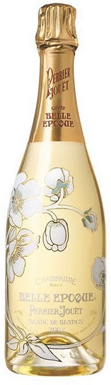
The nose is poised between freshness and maturity, and seems to be fresher and younger than the 2004, we seem to be reversing time, but...
2002
Perrier-Jouët
Veuve Clicquot, La Grande Dame, Champagne, France, 2004
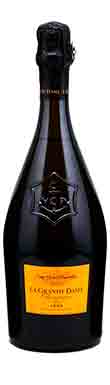
Subtle gold presages latent power, alchemy at work. Here we meet La Grande Dame at her most elegant, the wine’s architecture sturdy yet delicately ornate...
2004
Veuve Clicquot
Claude Cazals, Clos Cazals, Champagne, France, 2002
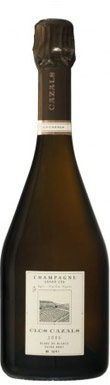
94
A real winner. Classic build-up and a serious walnutty deep concentration from one of the most exiting plots in Champagne.
2002
Claude Cazals
Deutz, Blanc de Blancs, Amour de Deutz, Champagne, France, 2005
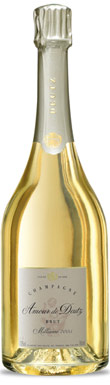
The beautiful wine lives on a lovely generosity and also wonderfully delicious easy drinkability. A highly appreciated and popular wine. As usual, I grumble about...
2005
Deutz
Ruinart, Dom Ruinart, Champagne, France, 2002
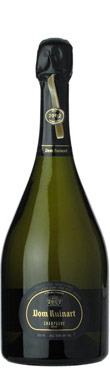
In 2002, it was almost impossible not to make good wine, and Dom Ruinart was a blessed creation, 72% of fruit coming from Avize and Chouilly...
2002
Ruinart
Egly-Ouriet, Blanc de Noirs Vieilles Vignes Brut Grand Cru, Champagne, France
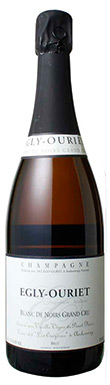
Some in Champagne can achieve grandeur of dizzying proportions, and the most talented can summon delicacy of lightfooted grace, but no village marries the two...
Egly-Ouriet
Bollinger, RD, Champagne, France, 2002
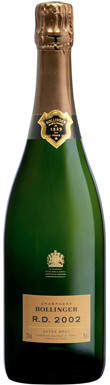
<p>The sheer energy, bold complexity and shimmering minerality of La Grande Année 2002 finds even greater focus and honed definition with half the dosage and...
2002
Bollinger
Laurent-Perrier, Grand Siècle, Champagne, France
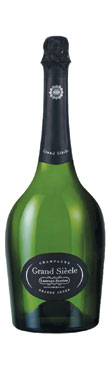
Always based on three vintages, the forthcoming release of this prestige cuvée is a blend of 1997, ’99 and ’02 and currently tastes almost ethereal...
Laurent-Perrier
Pierre Péters, Les Chétillons Cuvée Spéciale Blanc de Blancs, Champagne, France, 2007
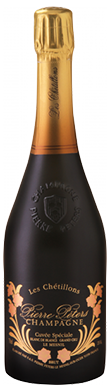
90
This single-vineyard Champagne comes from Chardonnay vines up to 80 years old in one of Le Mesnil’s most renowned sites. While it’s voluptuous and complex, it remains lively and taut thanks to firm acidity and a piercing, chalky minerality. Talcum powder, caramel, lemon and roasted apples on the nose. The palate is brightly acidic with buttery brioche tones and a fine mousse. Very fresh for its age with good focus and elegance.
2007
Pierre Péters
R&L Legras, Cuvée St-Vincent, Champagne, France, 2000
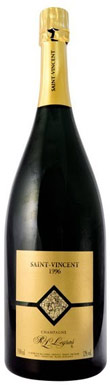
Very dark, powerful wine a bit unexpected from a light soil like Chouilly. Individual style with nuttiness and dry, intense, mineral-impelled tones. Still promising, and...
2000
R&L Legras
Ployez-Jacquemart, Liesse d’Harbonville, Champagne, France, 1999
93
A surprise, with its big house style oozing with toasted and acacia-like scents. Soft and sensual with a beautiful, sublime finish of the purest Madagascan vanilla.
1999
Ployez-Jacquemart
