
Royal Tokaji: The first decade tasting


Stephen Brook looks back at Royal Tokaji's first decade of wines, and the resurgence of a once-great region following the fall of communism in 1990.
This ‘first decade’ tasting that I attended was a welcome reminder of the revolution, oenological as well as political, that took place in Europe in 1990.
I was a frequent visitor to the region in the 1980s, and simply assumed that the oxidative and rather heavy style then prevalent was the norm.
Scroll down for Stephen’s tasting notes
Royal Tokaji was one of the very first new companies in Tokaji after the collapse of communism, and the style that it and other new wineries pioneered was not just fresher and more vibrant, but lower in alcohol and higher in residual sugar.
Hungary’s wine authorities fought against this change, but the passage of time has proved the newcomers right – Tokaji aszú since 1990 is far more intense and energetic, and in good vintages is able to age and develop for decades.Spearheaded by Hugh Johnson, Peter Vinding-Diers, and winemaker István Szepsy, Royal Tokaji sought from the outset to focus on high quality single-vineyard wines, as identified in the 17th-century classification.
The company bought grapes from local growers until 1993. Today, Royal Tokaji farms 112 hectares of its own vineyards.
Background to this tasting
In spring 2017 the company decided to review all of its old vintages from the 1990s, opening all bottles and rejecting those (about one quarter) that were faulty or oxidised.
The remaining 1,746 were rebottled and recorked in 37.5cl bottles, rather than the traditional 50cl format.
All the wines I tasted were from the first growths of Szent Tamás, Nyulászó, and Betsek.
Ben Howkins, involved here since 2003, admitted: ‘To be honest, we really didn’t know what we were doing in the first few years. The tradition of authentic Tokaji had almost been lost.’
It was therefore gratifying to see how well those early wines have held up.
Continue reading below
Stephen’s top Royal Tokaji recommendations:
All about Tokaji
Tokaji’s sweet wines are very individual. They are produced solely from botrytised grapes, or ‘aszú’.
Aszú wines have very high acidity, which, together with their sugar levels, allows them to age and develop for decades.
These are pressed after harvest and macerated with dry wine or must that is already fermenting. The must activates the yeasts on the aszú grapes, which ferment to moderate alcohol levels but leave a large amount of residual sugar.
The region, in eastern Hungary, has a dry continental climate, so the wines are very different from those of, say, France, where the climate is more humid.
Tokaji aszú is greatly affected by vintage, and in some years no sweet wines can be produced at all. Fortunately, producers are now able and willing to produce dry wines of high quality too.
Related content:

Decanter travel guide: Tokaj, Hungary
This corner of Hungary is a hidden gem...

Tawny Port 10 and 20 Years Old: Panel tasting results
Some of the best expressions of tawny Port....

Producer profile: Château d’Yquem
Fine-tuning in vineyard and cellar and a move towards freshness and finesse in both the esteemed Sauternes and dry white
Royal Tokaji, Gold Label Aszú, Tokaji, 6 Puttonyos, Tokaj, Hungary, 1999
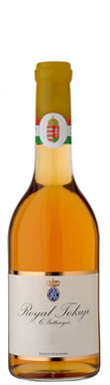

Gold Label is a blend of declassified wines from the estate's first growths. The colour looks evolved - a deep coppery brown with an orange...
1999
Royal TokajiTokaji

Royal Tokaji, Nyulászó Aszú, Tokaji, 6 Puttonyos, Tokaj, Hungary, 1996
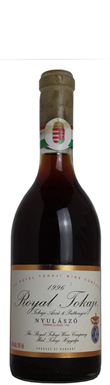
Deep orange-gold. This has a lush but forceful nose with quite evolved aromas of honey, dates, stewed apricots and oranges. There's an assertive attack, with...
1996
Royal TokajiTokaji
Royal Tokaji, Betsek Aszú, Tokaji, 6 Puttonyos, Tokaj, Hungary, 1995
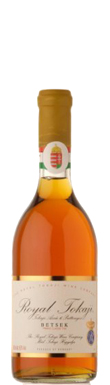
Very similar in hue to the 1993 Betsek. The nose is opulent, ripe and generous, showing caramel and fig aromas alongside a smoky botrytis fruit...
1995
Royal TokajiTokaji
Royal Tokaji, Betsek Aszú, Tokaji, 6 Puttonyos, Tokaj, Hungary, 1993
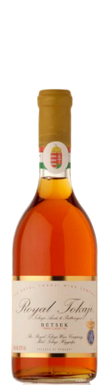
The first great vintage of the 1990s. Full caramel-gold in colour, with a still powerful nose offering complex aromas of honey, peach syrup, apricots, and...
1993
Royal TokajiTokaji
Royal Tokaji, Nyulászó Aszú, Tokaji, 5 Puttonyos, Tokaj, Hungary, 1991
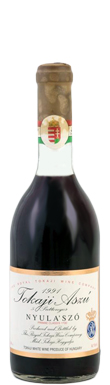
Bright orange-caramel in colour, with secondary aromas of honey, caramel and dates, but it's still fresh and lifted. The attack is lean, with high acidity,...
1991
Royal TokajiTokaji
Royal Tokaji, Betsek Aszú, Tokaji, 5 Puttonyos, Tokaj, Hungary, 1990
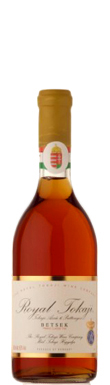
A bright orange-gold colour with a complex nose of smoke, honey, dates and dried apricots. It shows moderate concentration, but the acidity is somewhat jagged...
1990
Royal TokajiTokaji
Royal Tokaji, Gold Label Aszú, Tokaji, 6 Puttonyos, Tokaj, Hungary, 1999
Gold Label is a blend of declassified wines from the estate's first growths. The colour looks evolved - a deep coppery brown with an orange...
1999
Royal TokajiTokaji
Royal Tokaji, Nyulászó Aszú, Tokaji, 6 Puttonyos, Tokaj, Hungary, 1996
Deep orange-gold. This has a lush but forceful nose with quite evolved aromas of honey, dates, stewed apricots and oranges. There's an assertive attack, with...
1996
Royal TokajiTokaji
Royal Tokaji, Betsek Aszú, Tokaji, 6 Puttonyos, Tokaj, Hungary, 1995
Very similar in hue to the 1993 Betsek. The nose is opulent, ripe and generous, showing caramel and fig aromas alongside a smoky botrytis fruit...
1995
Royal TokajiTokaji
Royal Tokaji, Betsek Aszú, Tokaji, 6 Puttonyos, Tokaj, Hungary, 1993
The first great vintage of the 1990s. Full caramel-gold in colour, with a still powerful nose offering complex aromas of honey, peach syrup, apricots, and...
1993
Royal TokajiTokaji
Royal Tokaji, Nyulászó Aszú, Tokaji, 5 Puttonyos, Tokaj, Hungary, 1991
Bright orange-caramel in colour, with secondary aromas of honey, caramel and dates, but it's still fresh and lifted. The attack is lean, with high acidity,...
1991
Royal TokajiTokaji
Royal Tokaji, Betsek Aszú, Tokaji, 5 Puttonyos, Tokaj, Hungary, 1990
A bright orange-gold colour with a complex nose of smoke, honey, dates and dried apricots. It shows moderate concentration, but the acidity is somewhat jagged...
1990
Royal TokajiTokaji
