Greek white wines to drink this summer
For summer white wine inspiration, Greece never fails to impress with its exotic, characterful offerings, perfect for drinking in the sunshine.


Situated between 32 ̊ and 42 ̊ north, Greek vineyards are some of the world’s hottest. While this might suggest a preference for growing black grapes, red wine only accounts for one third of Greek output. According to the International Organisation of Vine and Wine (OIV), overall production in 2022 was one of the lowest recorded in decades (down 14% from 2021, to 2.1 million hectolitres), though white wine still has the majority share, accounting for around 60% of volume.
The wide variety of microclimates throughout the mountainous country – ranging from high altitudes to coastal and island vineyards that cool and extend the growing season – create the perfect conditions to produce Greece’s famous zesty, energetic, mineral-driven white wines along with approachable, fruity and floral thirst-quenchers.
Greek whites: Where to find them
Some of Greece’s white wine highlights can be found in regions including Macedonia, the Peloponnese and Santorini.
Moving north to south, the mountainous region of Macedonia covers the largest part of northern Greece and contains two leading PDOs, Naoussa and Amynteo. At their high altitudes (some exceeding 700m above sea level) grapes ripen more slowly in these cooler terroirs, developing more interesting flavours as a result.
While they are both exclusively red wine PDOs, there are exceptional white wines to be found in Florina and Drama in Macedonia from Malagousia and Assyrtiko grapes.
The upside down hand-shaped peninsula in the south is the Peloponnese. With the largest vineyard plantings in Greece, the Peloponnese is responsible for around 30% of the nation’s wine, producing every style from sparkling to fortified.
Nemea and Mantinia are especially prestigious PDOs of this region, both reaching high altitudes of 800m – edging towards the Aegean sea – and producing exceptional wines. While Nemea is a PDO for reds, Mantinia is a PDO for white wines, where the pink-skinned Moschofilero must legally make up at least 85% of the blend for the dry white wines.
Roditis is commonly found here too, where it can appear as a modest (if somewhat bland) white wine, but is increasingly used for more modern and complex wines, too.
Island viticulture in Greece dates back to antiquity, and it is these regions where strong, onshore winds – especially on the Cyclades islands, such as Santorini – result in the famous mineral-driven, saline and acidic white wines.
Relentless Aegean gales and merciless droughts provide challenging viticultural conditions for growers. Yet they persist in working their basket-trained vines with pride, some of which date back 200 years on their original roots where the volcanic soils are phylloxera free. All this results in extremely low yields (due to a combination of very old vines and very difficult conditions), yet demand continues to grow, in turn pushing up prices for Greek island wines.
The white varieties
Around 300 indigenous grape varieties constitute 90% of plantings. Sure, many of them are unpronounceable to the average wine consumer, adding a significant challenge in marketing the wines internationally. But the adventurous drinker will delight in bypassing the Chardonnay and Pinot Grigio in favour of any one of these Greek wonders.
The best-known Greek white wines are undoubtedly Retsina and Assyrtiko. Retsina is famous for historical reasons and has an unarguably chequered reputation, long associated with inferior wine often made from a blend of grapes and masked by pine resin flavours. Traditionally Savatiano (along with Roditis) is the main grape in Retsina wines. Widely planted for its high yields and drought resistance, Savatiano has been a natural choice for producers churning out cheap and simple white wines over the past decades. However, winemakers like Papagiannakos Winery and Muses Estate are seeking out older vines with lowered yields to produce high-quality contemporary wines.
Assyrtiko is Greece’s best success story. Originally from Santorini, now internationally acclaimed, Assyrtiko is widely planted on mainland Greece as it has proven to be drought resistant while retaining freshness when ripe. The flavour concentration intensifies with older vines, and this, coupled with the razor-sharp acidity gives the wines spectacular power and ageability. Assyrtiko is also used to produce sweet wines, such as Vinsanto from Santorini.
Lovers of Viognier or Muscat will feel at home with Moschofilero. This aromatic variety serves up fragrant floral, citrus and spice notes. Usually a lighter body style, with medium alcohol and best enjoyed fresh. Its pink skin means it can also appear as rosé wine with extended skin contact, and even give a blush hue to white wines.
Malagousia went from unfashionable to high profile in recent decades with plantings now popping up all over Greece. Its softer acidity has inspired savvy winemakers to blend it with Assyrtiko, while others bottle it as a single varietal embracing its pronounced nectarine, honeysuckle and rose petal profile. High altitudes, cooler sites, or early picked grapes show a green herbal edge, not unlike Sauvignon Blanc; Alpha Estate Malagouzia, Single Vineyard ‘Turtles’, grown at over 600m above sea level is a perfect example of this racier style.
Though it’s the indigenous grapes of Greece that are most interesting to discover, international varieties such as Chardonnay, Viognier and Sauvignon Blanc are ever prevalent. The best examples are when they have been blended with local varieties such as Cavino’s Mega Spileo Cuvée III White blend of Assyrtiko, Malagousia and Chardonnay.
These exciting exotic grapes, varied terroirs, and soaring quality levels are why consumers will not be bored spending their summer exploring Greek wine gems.
Greek white wines to drink this summer
Related articles
- Sailing the Ionian Islands
- The Sporades for wine lovers
- Greek odyssey: Olly Smith’s pick of the regions and wines
Argyros, Cuvée Monsignori, Santorini, Aegean Islands, Greece, 2020
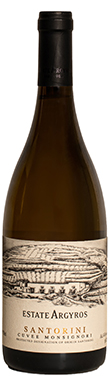
96
Distinctly saline with a powerful first impression of toasty, citrus, and mineral flavours. Laser-like precision with a gorgeously textured mouthfeel. Riveting from start to the everlasting finish. Hand harvested from 200-year-old ungrafted Assyrtiko vines, fermented in stainless steel at 17-18°C and aged for ten months in stainless steel tanks on fine lees.
2020
ArgyrosSantorini
Domaine Sigalas, Santorini Barrel, Santorini, Aegean Islands, Greece, 2021
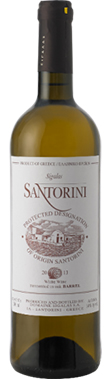
95
Stunning aromas immediately deliver pineapple and lemon layered with buttered toast and vanilla. Voluminous mouthfeel with a brilliant salty note and brisk acidity. Powerful, sensational and energetic. A sea voyage in a glass. Rigorous grape sorting followed by gentle yet long pressing of whole bunches. Fermentation in stainless steel and French Oak Barrels (225 and 500L) 10% of which are new. The barrel-fermented portion continues with 8 months on lees with regular stirring.
2021
Domaine SigalasSantorini
Sarris Winery, Robola of Kefalonia, Kefalonia, Epirus & Ionian Islands, Greece, 2020
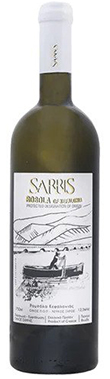
94
Gorgeous apple skins, lime peel, and stony minerality on the nose. A light body structure with 12.5% abv and crisp acidity but full of stone and citrus fruit concentration that leads to a long salty finish. A couple of years in bottle has made this wine even more layered and complex yet still full of life. From a very rare grape, Robola, growing in Cephalonia.
2020
Sarris WineryKefalonia
Domaine Papagiannakos, Savatiano Old Vines, Attiki, Central Greece, Greece, 2022
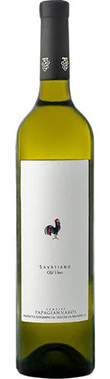
93
Soft white florals and juicy peaches in cream on the nose. Medium body, juicy lemon sherbert and apricot flesh with a moderate acidity making this rather fun and easy drinking on its own. There's a wonderful soft texture from lees ageing and long crisp finish. The grapes for this wine are sourced from 7 blocks of 50 year old, low-yielding, unirrigated Savatiano vines in Markopoulo. They grow in limestone soil, on gentle north-facing slopes, at just 100m altitude. Hand-harvested in mid-September, followed by temperature-controlled fermentation in stainless steel tanks at 17°C for around 20 days.
2022
Domaine PapagiannakosAttiki
Domaine Skouras, Salto, Peloponnese, Greece, 2022
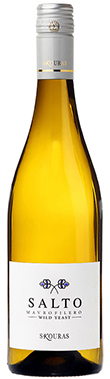
93
Lime juice, lime peel, jasmine and wet stones leap out from the glass. Light body and light alcohol with an exhilarating acidity reminiscent of Riesling. Long energetic palate with a crisp dry finish. From the pink-skin grape Mavrofilero, sibling of Moschofilero. Skin contact for 3 hours at 13˚C Up to 48% free-run juice due to coloured skins. Controlled alcoholic fermentation in stainless steel vats at 16˚C with wild yeasts, followed by short ageing over fine lees.
2022
Domaine Skouras
Gaia, Wild Ferment Assyrtiko, Santorini, Aegean Islands, Greece, 2022
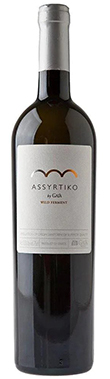
93
Simultaneously zesty and toasty, with notes of melon, pineapple and lemon glimmering through. Mouth-filling and vibrant all the way across the palate with a buoyant freshness and creamy finish. 12-hour skin contact at around 10°C followed by spontaneous fermentation in stainless steel. Aged in French and American barrels, and acacia.
2022
GaiaSantorini
Tselepos, Blanc de Gris, Mantinia, Peloponnese, Greece, 2022
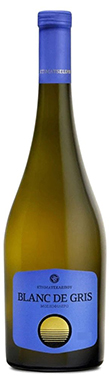
93
A pale bubblegum hue from the pink-skinned Moschofilero grape. Superb aromatics leap out, a frenzy of wild herbs, orange blossoms and lemon juice. Slightly rich on the palate with a high acid jolt down the middle. Very lively, alert style and a final note of rose petals. Modern vinification with cold-soak for a few hours at 10°C preceding fermentation. One third of the must is put into stainless steel tanks, another fraction into amphorae and the rest into large oak tanks (known also as 'foudres') where the fermentation is carried out and completed. The wine stays in contact with its fine lees for about 4 months of aging.
2022
TseleposMantinia
Argyros, Assyrtiko Santorini, Santorini, Aegean Islands, Greece, 2022
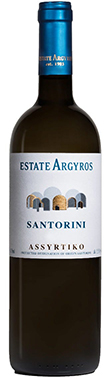
92
A high energy wine with brilliant mineral layers, racy lemony acid, texture and long finish. Sourced from 70-year-old vines from Santorini's largest vineyard owner. Vinified in stainless steel with 4 months on lees and regular battonage.
2022
ArgyrosSantorini
Cavino, Mega Spileo Cuvée III White, Achaia, Peloponnese, Greece, 2021
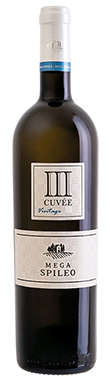
92
A successful threesome between floral Malagousia, acidic, textural and mineral Assyrtiko, and barrel-fermented Chardonnay offering a soft touch of oak. Creamy, voluminous, rounded mouthfeel punctuated by crisp linear acid, with citrus zest on the finish. From mountain vineyards of Kalavryta, each variety is vinified separately. Malagousia and Assyrtiko are fermented in small stainless steel tanks at low temperature, followed by 3 months on fine lees. The Chardonnay must is fermented in 300-liter oak barrels and stays 4 months in total.
2021
CavinoAchaia
Greek Wine Cellars, Moderne Allegorie Moschofilero, Peloponnese, Greece, 2022
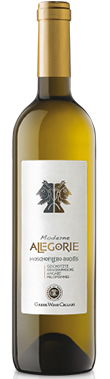
92
Delightful fennel and lime notes with crushed rose petals. Delicate and dainty on first sip, but with mouthwatering brisk acidity and white plum finish. Can't imagine a better seafood mezze wine. From the pink skinned Moschofilero grape.
2022
Greek Wine Cellars
Alpha Estate, Malagousia Single Vineyard 'Turtles', Florina, Macedonia, Greece, 2022
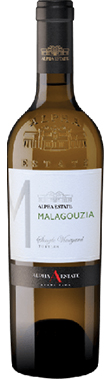
91
Lively floral and white stone fruit aromas laced with fresh grass, white pepper and cardamom notes. Very enticing fragrance with a pleasant and crisp mouthfeel. Light, balanced and perfect for summer. Grapes are from high altitude (600m above sea level) destemmed, followed by cold soak, skin contact and temperature controlled fermentation. Aged on lees for two months with regular stirring.
2022
Alpha EstateFlorina
Domaine Costa Lazaridi, Amethystos White, Drama, Macedonia, Greece, 2022
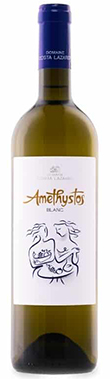
91
Exuberant but not too punchy, quite refreshing with its light body and lemony freshness and a distinct personality. A fun twist for Sancerre lovers with 85% Sauvignon Blanc delivering the grassy, zesty side, and 15% Assyrtiko offering a savoury mineral twist.
2022
Domaine Costa LazaridiDrama
Domaine Hatzimichalis, Assyrtiko Alepotrypa Vineyard, Valley of Atalanti, Central Greece, Greece, 2022
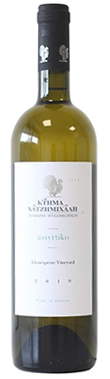
91
Lemon peel and green apple notes upfront with a lingering blossom. Rather big and rich but with vibrant acidity that soars across the palate to a long and saline finish. Calling out fresh seafood or even garlicky chicken.
2022
Domaine HatzimichalisValley of Atalanti
Monemvasia, Voltes White, Mantinia, Peloponnese, Greece, 2022
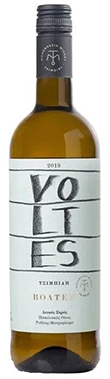
90
An easy-going style – perhaps a good replacement for a crisp Pinot Grigio for those starting their journey into Greek white wines. Soft bouquet of blossoms, juicy nectarines on the nose, and a lively light body with a slightly saline finish. The Roditis grapes are grown in high altitude, semi-mountainous terrain of Achaia, bringing natural acidity. The pink-skinned, aromatic Moschofilero grapes are from the cool-climate plateau of Mantineia in Arcadia, bringing lots of freshness. Each variety is vinified separately, with fermentation in stainless steel, followed by short maceration on the fine lees.
2022
MonemvasiaMantinia
Muses Estate, Clio 'The White Muse', Sterea Ellada, Central Greece, Greece, 2022
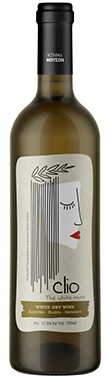
90
Vibrant and pure nectarine, lemon, and jasmine aromas. A crisp apple freshness on the palate with lovely mineral and citrus layers from a blend of Assyrtiko, Roditis, and Savatiano. Overall a dry, light, easy-going and fun sort of wine with a Greek twist.
2022
Muses EstateSterea Ellada
