Wine with chocolate: Easter pairings and top recommendations
Easter is a great time to try out some chocolate and wine pairings, and here's the inspiration you need to get started, including commentary from food and wine expert Fiona Beckett and a selection of wine recommendations from Decanter's experts.


Pairing wine with chocolate can certainly be tricky, but the good news is that there’s plenty of room for experimentation.
For Sarah Jane Evans MW, co-chair at the Decanter World Wine Awards, the wine’s flavour, acidity, weight and length are important, and whether these characteristics work with the intensity, sweetness and texture of the chocolate.
Craft chocolate specialist Spencer Hyman, co-founder of Cocoa Runners, spoke about different styles – as well as the importance of texture – during an online tasting hosted by The Wine Society.
Sommelier Kelvin McCabe told Decanter that for food and wine pairing in general it’s important to consider elements within the food, ‘from texture to sweetness to acidity and flavour profile’.
‘It is exactly the same with the wine as well; you have to understand the amount of acidity, the amount of fruit, is it perceived sweetness and ripeness, [or] is it actual residual sugar? All of these things are a factor when you pair them together. It’s all theoretical until you’ve tasted it,’ he said.
Which red wine goes best with chocolate?
Personal preference is always a big factor with wine and food matching.
Some people love rich, luxurious dark or milk chocolate with lush reds, such as fuller-bodied styles of Zinfandel with ripe, jammy fruit and elements of sweet spice garnered from oak. Others might find this too much.
McCabe told Decanter that he would personally opt for fresher styles of red as more of a classic match with dark chocolate.
Pairing up the acidity in the wine and chocolate is important, but the ‘bitterness in the chocolate can accentuate the fruit in the wine’, he said.
In terms of bolder reds, it depends on the chocolate you’re eating. In general, Cabernet Sauvignon, Syrah and Merlot can all work, but McCabe suggested broadly looking towards warmer climate regions, such as parts of Australia, South Africa or Chile, where you might overall expect brighter, juicier fruit and gentler tannins.
Merlot can be a particular winner ‘because you get that sweeter, plum, almost chocolatey note anyway’, he said.
What about dessert wines and white wines?
Going beyond dry reds, McCabe said that Banyuls dessert wine, from Roussillon in southern France, can be fantastic with darker chocolate.
‘Alternatively, I would find a slightly aged, but a little bit more complex botrytis wine, maybe something like a Recioto di Soave, which works really well.’
Those looking for a more ‘out there’ match might also give skin-contact white wines a go. A bottling with relatively light skin-contact can be great with salted dark chocolate, in particular.
‘Something that has a couple of weeks of skin contact and quite bright fruit is a little bit of fun with dark chocolate and salt, [and] works really really well,’ McCabe said.
On milk chocolate specifically, McCabe previously suggested trying out riper styles of white wines with a little touch of oak, such as a Viognier or perhaps a Pinot Gris.
Amontillado Sherry, with its nutty complexity, is also worth a go with milk chocolate that contains almonds or hazelnuts.
Pairing wine with chocolate desserts: Advice from Decanter contributor Fiona Beckett
Three main things to consider
1. The type of chocolate – white and milk chocolate being generally easier to match than dark
2. Is the dish hot or cold – cold is more wine-friendly
3. What other ingredients are on the plate? Cherries, for example, might lead you to a sweet red like a Recioto or a late harvest Zinfandel rather than a white.
The idea that chocolate is ruinous to wine is still widely held but, as many of you will know, the problem is overstated.
Yes, it can be difficult to find a wine to match a molten chocolate fondant (PX Sherry just about manages), but there are many other chocolate desserts – and chocolates – which can be flattered by a fine wine match.
In fact, it’s a useful tip to think of the sort of fruit that might work with a particular type of chocolate and find a wine that includes those flavours – dark chocolate and orangey moscatel, for instance.
It also depends on how much of a sweet tooth you have.
For some – myself included – an Australian liqueur muscat would just add too much sweetness to a rich chocolate dessert. I prefer a sweet Sherry or Madeira with more acidity. For others it would be bliss.
By contrast, not everyone would enjoy a Barolo Chinato, which I find the most marvellous match for a slender square of fine dark chocolate.
I’m also not a fan of pairing full-bodied red wines with chocolate, although I know many are.
For me the wine needs to be sweeter than the dessert.
Lighter desserts with lighter wines
In general, lighter dessert wines such as Sauternes, Riesling and Moscato work best with lighter chocolate desserts, and richer ones such as Tokaji and fortified wines with darker, denser ones.
Finally, bear in mind it may be a question of you could, but why would you?
If you love Château d’Yquem Sauternes then I’m sure you’ll enjoy it with a Mars bar or a slice of devil’s food cake, but there are so many sweet (and savoury) foods that would show it off better.
Fiona Beckett is a Decanter contributor and a food and wine pairing expert with her own website, matchingfoodandwine.com
Wines to pair with white chocolate
White chocolate generally has a milky, creamier character with a more delicate flavour profile. The freshness of Riesling could be delicious here, McCabe said.
‘If you do have a quality white chocolate with creaminess, you could have a little bit of fun with a Champagne or English sparkling and a good bit of autolysis – with brioche or buttery notes. I think that’s a fun bit of pairing,’ he said, although added he hasn’t tried this one specifically.
Alternatively, try seeking out a white wine with a balance of fruitiness and salinity, alongside a bit of refreshing acidity and a touch of creaminess. A Greek white like Moschofilero could work, he suggested.
Wines to match with chocolate this Easter:
The following wines have been tasted and rated by Decanter’s experts.
Related articles
- Sunday lunch wines: 25 perfect picks
- Perfect Pairing: Cinnamon, cardamom & white pepper rice pudding
- Best wine with lamb: Great styles to try
Moutard, Champ Persin Blanc de Blancs Brut, Champagne, France
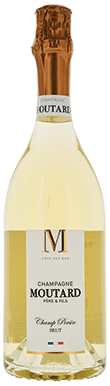

A treat of a wine with its cornucopia of expressions – meaty, fruit-driven, and nutty. Charming with lime, pale butter and sourdough notes, narrow and fine. Pear drop on the beautiful finish.
Moutard

Louis Pommery, England Brut, Hampshire, England, United Kingdom
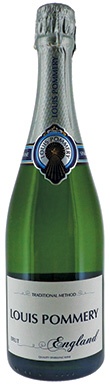
Disgorged in November 2022, the latest release of Pommery's English sparkling wine is based on the 2019 vintage, plus 25% reserve wine. Hints of floral perfume open up to a rich, yeasty nose of salted brioche, citrus and green apple peel. Ageing on lees for 30 months with dosage at 9g/l, the wine has a textured palate of green apple zest, white pepper-spiced citrus and crisp acidity (8g/l), revealing a honeyed, yeasty undertone. Elegant yet pleasing.
Louis PommeryHampshire
D' Armanville, Brut Rosé, Champagne, France
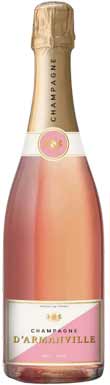
D'Armanville has been making Champagne in the Arce Valley for over 150 years. This rosê offers proper Champagne with all the bells and whistles at under $40. Aromas of wild strawberries and cream, sweet almond pastry cream and cherry blossoms give way to a palate that shows depth and richness. Toasted pastries with wild berry spread are complemented by almond nutty flavours.
D' Armanville
Pride Mountain Vineyards, Viognier, Sonoma County, California, USA, 2021
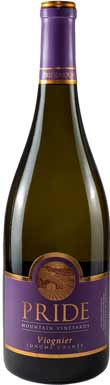
The 2021 Pride Mountain Vineyards Viognier blends 72% Sonoma County and 28% Napa County grapes from the Pride Mountain Vineyards Ranch, which straddles the Sonoma and Napa County line. Fragrant orange blossoms, white peach and ripe apricots with just a hint of lemon peel. A medium-bodied palate-coating richness builds with fruit intensity and nuances of crushed Marcona almonds laced with vanilla. Find wet river stones and jasmine through the long finish. Zesty acidity keeps everything fresh and lively. Just gorgeous.
2021
Pride Mountain VineyardsSonoma County
Dr. Bürklin-Wolf, The Wine Society's Generation Series Wachenheimer Riesling, Pfalz, Germany, 2021
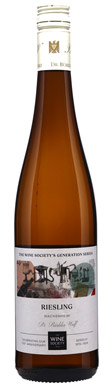
The Wine Society has, since its earliest years, always listed dry Rieslings from the Rhine. This iteration, from one of the retailer’s oldest suppliers, is therefore a natural addition to the celebratory Generation Series. Fresh and lifted nose, built around a core of fleshy peach, Asian Pear, lime and green apple, lined by a subtle flintiness and oiliness. Vibrant and persistent in the mouth, with an elegant, yet robust, acid line and refreshing minerality lifting the richness of the orchard and citrus fruit. Lingering spicy touches add complexity and energy. Also available in magnum.
2021
Dr. Bürklin-Wolf
Cantina Tramin, Pinot Grigio, Alto Adige/Südtirol, Trentino-Alto Adige, Italy, 2021
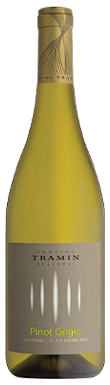
If you're expecting standard Pinot Grigio, think again. From one of the region's top cooperatives, this provides juicy apple, pear and melon scents followed by intense, ripe and very fresh flavours. It's so well balanced and deliciously quaffable, with a fragrant and stony Alpine finish.
2021
Cantina TraminAlto Adige/Südtirol
Château La Sable, M, Méditerranée IGP, Provence, France, 2021
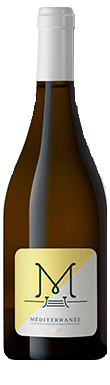
Coming from the southern slopes of the Luberon and the most northern stretch of Provence and clearly illustrating the marriage of Rhône and Provence. The Viognier brings perfumed honey and beeswax aromas and floral prettiness to the blend. Intense, soft, honeyed fruit, ripe green apples, white peaches and long linear elegance with grapefruit pith vibrancy and minerality. Notes of garrigue, and a touch of beeswax hinting at a subtle use of oak and long, crunchy citrus acidity. Clearly showing the elegance and lacy charm of sandy soils and the freshness of altitude with a touch of linear austerity giving elegance
2021
Château La SableMéditerranée IGP
Hugel, Pinot Gris Classic, Alsace, France, 2020
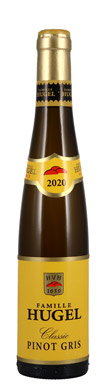
What's not to love here? A classic style of white wine, in a handy half-bottle – perfect for weeknight drinking. Alsace heavyweight Hugel's Classic expression of Pinot Gris is rich and soft, with juicy, firm peach and apricot notes and a touch of ginger spice. A perfect autumn/winter white, the nose is fairly subtle, but it ramps up on the palate, enveloping in the mouth with flavour. Would be a lovely match for richer fish dishes.
2020
Hugel
Strofilia, August White, Peloponnese, Greece, 2021
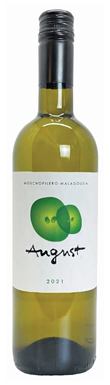
A pure, unpretentious wine in which a touch of Malagousia adds fruity fleshiness to the florality and spiciness of the dominant Moschofilero. White peach, rose petals and lemon zest linger on the palate, lifted by a subtle yet assertive acidity. A perfect everyday drinker.
2021
Strofilia
Domaine Bourdy, Douce Jeanne, Jura, France, 2022
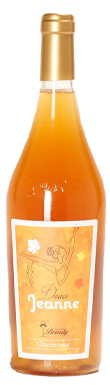
An intense, rich, smoky, almost oxidative nose of dried orange, apricot, citrus rind and toasted nuts. Beautifully bright acid, with a rusty mineral vitality. Clean as a whistle, despite the risky combination of long maceration and zero-added sulphur. Feels like you could leave this open for weeks and it wouldn’t falter. The only wine in Laura Bourdy's experimental range with élevage in barrel (though topped up), made from Chardonnay with 15 days on skins.
2022
Domaine Bourdy
Kanonkop, Cabernet Sauvignon, Simonsberg, Stellenbosch, South Africa, 2019
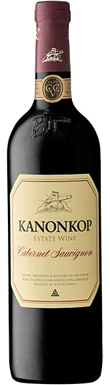
In 2023, Kanonkop (owned by the fourth generation of the founding family, brothers Johann and Paul Kriege) celebrated 50 years of wine; the inaugural release being the 1973 vintage of this Cabernet Sauvignon. Joining in 2002, Abrie Beeslaar soon became only the third winemaker in the farm’s history, replacing Beyers Truter (1981-2003) who followed Kanonkop’s first official winemaker Jan Boland Coetzee (1968-1981). Of the estate’s 95ha of mainly dry-farmed vines, 35% are Cabernet Sauvignon, averaging 30 years, from Simonsberg in Stellenbosch, used for this varietal cuvée as well as Kanonkop’s flagship Paul Sauer Bordeaux blend. This 2019 was fermented in open-top concrete vessels then aged for 24 months in French oak barrels, 50% new and 50% second fill. Tina Gellie: Gorgeously seductive with its satin mouthfeel, silky tannins and flavours of smoked meat, saddle leather, green olives, plum skin sappiness and black fruit richness. Like diving into a cool, deep, dark pool. Beautiful freshness, length and composure – pitch perfect for drinking now but will age very well. What a belter. Anne Krebiehl MW: Smoke and earth, tobacco, the palate is dense but super-elegant, unravels like silk. Fine tannin, savoury umami edges, yet such salty, gorgeously ripe fruit. Altogether brilliant, with a lovely, serene balance – the ideal of proportions. Michaela Morris: Aromas are open, a bit flinty, but the palate is where it’s all happening: starts seductive but finishes serious, in the best possible way. Still needs time. The nice, savoury herbal character promises much. Nominated by Malu Lambert.
2019
KanonkopSimonsberg
Gianfranco Fino, Es Primitivo, Salento, Puglia, Italy, 2021
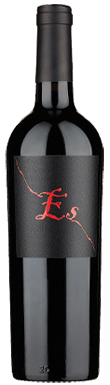
Undergoing a four-week maceration followed by approximately nine months in French oak (50% new), Es is intoxicating: wafts of incense, sandalwood and clove superimpose syrupy red cherries, carobs, sweet spice and pot-pourri. Large-scaled but staggeringly light on its feet, cooling acids and seamlessly integrated tannins counterbalance oodles of decadent red fruits, while almost-chalky savouriness underpins the long finish, showing only the slightest hint of alcoholic warmth.
2021
Gianfranco FinoSalento
Catena Zapata, Nicolás Catena Zapata, Mendoza, Argentina, 2019
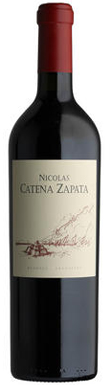
Restrained and elegant with a minty coolness – classy and characterful. Lactic, very dense with bay leaf and sage savouriness, well-integrated oak. Poised, Bordeaux-like in structure, but with the benefit of beautifully ripe blue and purple berry fruit. Firm tannic grip, bright acidity and chalky textural chew. Polished and impressive but not showy or overdone. Nominated by Julie Sheppard.
2019
Catena Zapata
Blank Bottle, ISA-42, Helderberg, Stellenbosch, South Africa, 2021
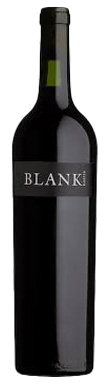
A bold, big, structured Merlot. Beginning with a tangy, almost medicinal nose, it opens up to a rich and dense palate, with notes of cherries, strawberry sweets and violet. Silky, sappy and so well made. This was one of the first Blank Bottle wines and Pieter Walser still uses the original label design, which he created in Microsoft Word. ‘This wine is where it started,’ he says.
2021
Blank BottleHelderberg
Bodegas Bianchi, Gran Famiglia Corte, Uco Valley, Mendoza, Argentina, 2020
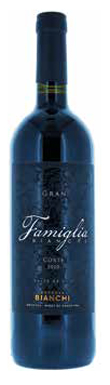
Floral, smoky nose. High-toned and spirited with weight to balance the acid and density of fine tannins, and a real finesse. The palate is densely laden, full of dark fruit with a warming finish. Impressive and will appeal to Malbec aficionados. Will gain more elegance with age. Nominated by Cesar Soler.
2020
Bodegas BianchiUco Valley
Wente Vineyards, Beyer Ranch Zinfandel, California, USA, 2021
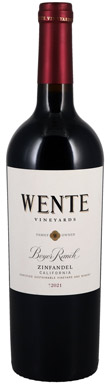
There's a mish-mash of grapes in here alongside the 76% Zin, including Syrah, Barbera, Tempranillo, Malbec and Mourvèdre. It works though, fun and very fruit forward in character, with juicy ripe blueberry and red berry exuberance. It would be hard to find a wine that tastes more like cherry cola than this! It's easy drinking, dry but with sweet fruit, and would be a great pizza wine.
2021
Wente Vineyards
Royal Tokaji, Nyulászó, Tokaji Aszu 6 Puttonyos, Tokaj, Hungary, 2017
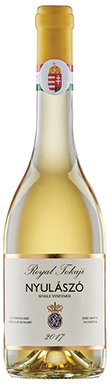
Still a real baby wine showing aromas of spiced pear, quince and a subtle touch of vanilla. To taste it’s all about peaches and cream, fresh pear and quince, along with beautiful precision and a very fine, elegant and crisp finish. Has a long life ahead of it.
2017
Royal TokajiTokaji Aszu 6 Puttonyos
Parcé Frères, Vin Doux Naturel Rivesaltes, Rivesaltes, Banyuls-Grand Cru, Languedoc-Roussillon, France, 1969
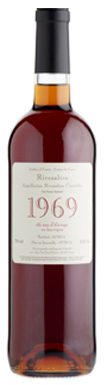
A superb VDN from low yielding Grenache Blanc, Grenache Gris and Macabeu grapes matured over 46 years in Bordeaux barriques. Lush concentration with refreshing grip on the finish. Superb.
1969
Parcé FrèresRivesaltes
Château Broustet, Sauternes, 1er Cru Classé, Bordeaux, France, 2018
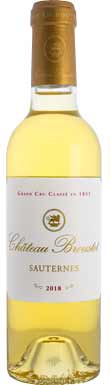
An outstanding Sauternes for an incredible value from the village of Barsac and Grand Cru Classé Chateau Broustet. Haunting aromatics of smoky vanilla bean, lemon curd and clover honey. The palate is honeyed, with smoky notes of grilled peach, ripe pineapple and cardamom. Delicious.
2018
Château BroustetSauternes, 1er Cru Classé
Lidl, Corte Allodola Recioto di Soave, Recioto di Soave, Veneto, Italy, 2020
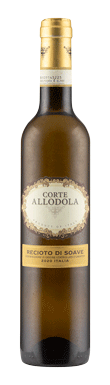
Hats off to Lidl here! Recioto di Soave is a delicious sweet wine style that's a little off the beaten track, so hopefully a great discovery for those who give it a try. You'll find luscious, zesty but honeyed lemony fruit, plus notes of ripe quince and a hint of furniture polish. There's a seam of acidity to balance the sweetness, and a lovely complexity. Chill, and serve with lemon cheesecake or blue cheese – you won't be disappointed!
2020
LidlRecioto di Soave
Barbeito, Fortnum's Single Cask Boal Madeira, Madeira, Portugal, 2005
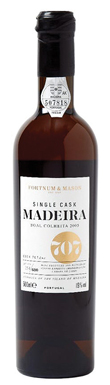
Made for Fortnum & Mason by Barbeito, which has been releasing rare single casks since 2001. Cask 707 contains Boal from top vineyards, aged to produce a rich, unctuous palate packed with velvety layers of creamy toffee, nuts, figs, sultana, moist fruitcake and baking spices. Fresh acidity cuts through the 80g/L residual sugar for a long, dry finish. Only 600 bottles produced.
2005
Barbeito
Valdespino, Tío Diego Single Vineyard Pago de Macharnudo, Amontillado, Jerez, Spain
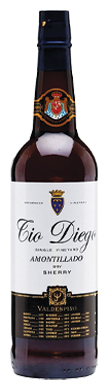
I could have chosen Valdespino’s outstanding Inocente Fino with its consistent excellence. Instead I have chosen the sometimes unfairly overlooked Tío Diego, its equally fine big brother, the wine that was Inocente and was then fortified and taken on the amontillado path without its protective coating of flor. Its aroma is the essence of Jerez: nuts, caramel, the sea. Great value.
ValdespinoAmontillado
Emilio Lustau, Almacenista Antonio Caballero del Castillo, Amontillado, Jerez, Spain
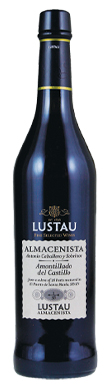
I have a particular affection for Lustau; this series was a focus in my dissertation for the MW. What Lustau did – and does – is to recognise small producers (almacenistas) that mature specific wines for them. This is from El Puerto de Santa María, and has the textbook interplay of roasted nuts, polished wood, pungent spice and brisk freshness, softened by a hint of fruit compote.
Emilio LustauAmontillado
