Tannat Day – Rediscovering heritages; rethinking identities
The variety found a second home in Uruguay, where it is the flagship grape. In southwestern France it is being rediscovered and reinterpreted. We celebrate Tannat Day with a vibrant selection of different styles to try.


April 14th was the date chosen in Uruguay to celebrate Tannat, the country’s flagship grape variety. It was on that day, in 1984, that viticulturalist Pascual Harriague passed away; the annual celebration pays tribute to the Basque immigrant (b. 1819) that played a decisive role in the introduction and propagation of Tannat in the South American country that became its second – but arguably better – home .
Although best known as the raw material for Gascony’s flagship red wines, under the Madiran AOC (where regulations require that it comprises 60-80% of the vineyard area), Tannat is indeed thought to have its origins in the Basque Country rather than South West France.
Elegance revealed
As the name suggests, Tannat used to be defined by its tannin and pigment charge, with which winemakers historically struggled. The variety therefore earned a reputation for producing inky, powerful, rustic reds, with intense savouriness and spiciness (liquorice, cardamom, nutmeg, moca) over luscious black fruit. In South West France it is still often blended with Cabernet Franc and/or Cabernet Sauvignon, and benefits from at least five years in the cellar to tame its power.
Uruguay’s Atlantic-kissed iterations, on the other hand, revealed a finer, more detailed side of Tannat, with softer tannins and finer acid underpinning the black and ripe red fruit.
Not bound to tradition (or legislation) and more willing to experiment, Uruguayan producers took greater creative license with blends – Merlot, Pinot Noir and Syrah are regular companions – and winemaking techniques, expanding Tannat’s stylistic vocabulary. This in turn catalysed a reappreciation of Tannat’s potential in France, in the last decade of the 20th century.

Versatility discovered
In the dawn of the 21st century, winemakers on both sides of the Atlantic leveraged greater winemaking knowledge to rediscover and reinterpret Tannat with a lighter hand in the cellar.
Shorter macerations, less time in oak and different fermentation vessels helped to craft more refined Tannats across an exciting variety of styles – from vibrant pét-nats to truly fine reds.
Remaining true to its essence and identity, Madiran (along with neighbouring Saint-Mont) remains a source of intense, concentrated Tannat-based blends of pleasant rusticity and savoury intensity. But producers are also exploring more approachable glu-glu wines, not least by using carbonic maceration to produce soft, fruit-led styles.
Tannat remains Uruguay’s most-planted grape variety and it’s no doubt synonymous with the country’s winemaking history.
The exciting quality evolution the country has experienced in the last couple of decades has seen a steady and diverse output of Tannats, with nods both to new trends (with lower intervention wines of great energy and verve) and the traditional lineage of many of Uruguayan wineries (of which the Ripasso style below is a perfect example).
If you like red wine, there will be a Tannat for you. It’s a worthy journey of discovery. The terroir expressiveness and versatility of the variety make it a great way to learn about the different countries and regions where it grows. And a great way to assess the ability of producers – especially when the same winemaker has a go at different approaches and styles.
The wines below are a good starting point.
Tannat Day – different styles to try:
Related articles
- Value South American reds: Panel tasting results
- What do Tannat wines taste like?
- South America’s new flying winemakers plus 12 wines to try
Proyecto Nakkal, Suelto Tannat, Canelones, Uruguay, 2023
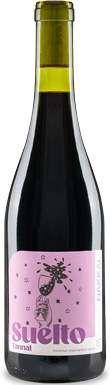
92
True to its name this is Tannat free of artifice, vibrant, supremely drinkable - one glass demands the next. Vibrant and succulent, with plum and spur cherry at the core, cloaked in cherry leaf. Juicy, zesty tannins. Delicious. Best enjoyed slightly chilled.
2023
Proyecto Nakkal
Bresesti, Pequeñas Colecciones Tannat, Las Violetas, Canelones, Uruguay, 2021
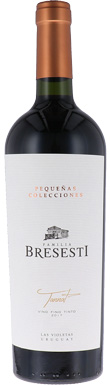
92
Great definition of aroma and flavour plum, cherry, raspberry, wild strawberry and redcurrant over a bed of juicy roasted tomatoes. Dark chocolate, coffee and cardamom play in the background. The tannins are fine and subtly grippy.
2021
BresestiLas Violetas
Château d'Aydie, Odé d'Aydie, Madiran, Southwest France, France, 2020
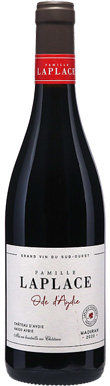
92
A really vibrant, alluring Madiran, equally robust and powerful. Both alcohol and wood (it spends just over a year in oak barrels) are superbly integrated. The fruit core is dark and broody but has a refreshing crunch. Pure and well carved flavours of plum, blackcurrant, sour cherry and cherry pit. A perfect, contemporary introduction to Madiran and French Tannat.
2020
Château d'AydieMadiran
Pisano, Tannat Reserve, Progreso, Canelones, Uruguay, 2024
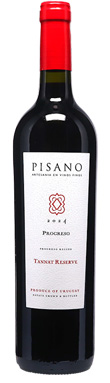
91
Blended especially for and with The Wine Society's buyer Toby Morrhall, this is an outstanding value wine that showcases Tannat, untouched by oak, with both elegance and energy. Soft, juicy red and black fruit (plum, cherry, raspberry, blackberry). Mouth-watering salty rim. Assertive finish, with great focus and energy.
2024
PisanoProgreso
Bodegones del Sur, Estate Tannat, Juanicó, Canelones, Uruguay, 2023
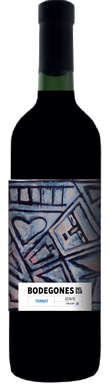
91
There's a beautiful earthy elegance to this wine with its well defined flavours of redcurrant, plum, sour cherry and raspberries, sprinkled with salty liquorice, tarragon and nutmeg. Savoury tannins, assertive yet fine.
2023
Bodegones del SurJuanicó
Bodega Pablo Fallabrino, Angel's Cuvée Ripasso de Tannat, Atlántida, Canelones, Uruguay, 2018
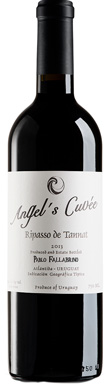
91
Clever use of the ripasso technique to smoothen Tannat's sometimes challenging tannins while leveraging its depth of fruit and savoury edge. Broody and seductive this has juicy raisins and prune at the core, covered in dark chocolate and tobacco leaves. Olive brine, petrichor and truffle add nuance and dynamism. Lovely cleanliness and assertiveness to the finish.
2018
Bodega Pablo FallabrinoAtlántida
Plaimont Producteurs, Château de Sabazan, Saint-Mont, Southwest France, France, 2018
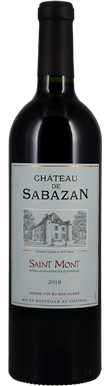
90
A traditional Tannat-based wine, with a touch of Cabernet Sauvignon and Pinenc, from the renowned Plaimont 'cooperative of cooperatives'. Unpretentiously old-school, with muscular savoury tannins and a weighty palate of black olive tapenade, liquorice root, prune and cherry leak. Characterful lining of cardamom, nutmeg, tobacco and forest floor.
2018
Plaimont ProducteursSaint-Mont
Bodega Pablo Fallabrino, Anarkia Tannat, Atlántida, Canelones, Uruguay, 2021
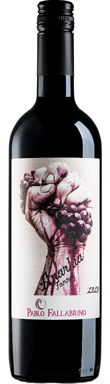
89
With a slight spritz upon opening, this is an energetic, crunchy Tannat, fermented with native yeast, in stainless steel, and bottled without sulphites. Plum, cherry and blackberry fruit, lined with a veil of liquorice powder and pink pepper. Nuances of iodine and seaspray on the finish.
2021
Bodega Pablo FallabrinoAtlántida
