Sancerre vs Pouilly-Fumé: Decoding the delicate differences in Sauvignon Blanc
Two neighbouring Sauvignon Blanc-producing appellations in the Loire Valley – but how can you tell the wines apart in terms of taste?


Located in the Central Vineyards in the eastern part of the Loire Valley, Sancerre and Pouilly-Fumé are both famed for quality expressions of Sauvignon Blanc.
Head to head: Explore the similarities and differences between five Sancerre and five Pouilly-Fumé wines
Sancerre is home to more land under vine than its neighbour, and vineyards are planted on hillside slopes whereas in Pouilly-Fumé the terrain is flatter.
As they are close geographically, it follows that the two appellations are home to similar soil types.
The two wines – both alike in dignity – can be hard to tell apart in a blind tasting, but follow our experts’ insights and tips to see what differentiates their profiles.
Jim Budd, DWWA Regional Chair for the Loire:
‘The differences between these Sauvignon Blancs are nuanced and subtle.
‘Pouilly-Fumé tends to be a little broader, softer, slightly less vibrant and aromatic than Sancerre. It can have a smoky character, especially those from flint (silex) soils, though this can also be true of Sancerre grown on flint.
‘Both Pouilly-Fumé and Sancerre, especially the good ones, have grass and citric characters – typically grapefruit – rather than the classic notion of cat’s pee, which in the Loire is a sign of unripe grapes. In ripe, hot years stone-fruit characters emerge.
‘Both should have linear purity of flavour and can age attractively. Producers like Henri Bourgeois, Joseph Mellot and Pascal Jolivet make both Sancerre and Pouilly-Fumé, so try them together and see if you can taste the differences.’

Pascal Jolivet:
‘The late Kit Stevens MW once said, Sancerre is like spring, Pouilly-Fumé like summer – meaning that Sancerre is more immediately approachable in its youth, but with Pouilly-Fumé, you have to wait.
‘Pouilly-Fumé is more mineral, a connoisseur’s wine. It was very famous in the 1980s and ’90s, until Sancerre eclipsed it in popularity – maybe partly because Sancerre is easier to pronounce. We’re on a mission to bring Pouilly-Fumé back.’
Taken from: A drink with… Pascal Jolivet
Head to head: Flavour profiles to explore
Related articles
- The star producers from Sancerre and the Centre-Loire you need to know about
- What does Sancerre wine taste like? Plus 10 top picks
- Centre-Loire wines in 2024: The human impact of a harrowing vintage
Matthias Planchon, Les Herses, Sancerre, Loire, France, 2021
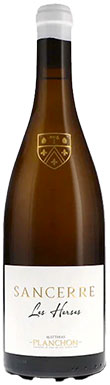

Sancerre can really offer a great diversity of styles, and this one leans into the concentrated and almost-opulent style, rich with lime cordial and some exotic pineapple fruit, but also buoyed by delicate hawthorn blossom and gooseberry. It's powerful and quite showy, in the sense that you really know it's there! But it's nonetheless refined and elegant in its own right, and so silky in texture. From a single plot of 45-year-old vines on Silex soils, this was fermented 70% in stainless steel and 30% oak, and then aged on lees for almost a year. Grand.
2021
Matthias PlanchonSancerre

Alphonse Mellot, Génération Dix-Neuf, Sancerre, Loire, France, 2020
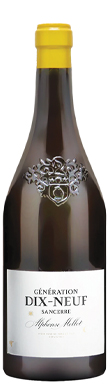
From a part of the lieu-dit of La Moussière where the oldest vines date back to 1912 and grow on Kimmeridgian marls, this super-ripe wine has a mouthwateringly tropical nose that precedes a deliciously silky palate with gorgeously ripe, mineral fruit. There is a lot of alcohol here, but the wine tastes balanced and rich, rather than overblown. Honeyed and mineral, mouthfilling and satisfying, this is bold, classy and irresistible.
2020
Alphonse MellotSancerre
Domaine du Bouchot, MCMLV, Pouilly-Fumé, Loire, France, 2022
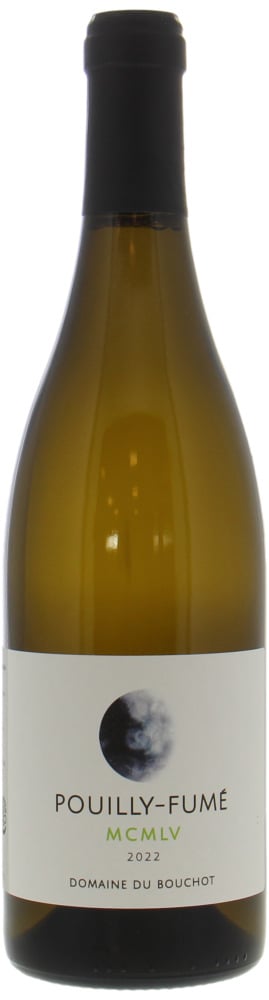
Antoine Gouffier's MCMLV is named for 1955, the year that this vineyard was planted. With zesty grapefruit on the nose, the palate also shows lemon citrus and nectarines, with fabulous freshness combined with smooth, mouthfilling texture. It manages to be both fleshy and light on its feet. Lovely, lovely fruit here, and stunning texture. The wine ages partly in wood and partly stainless steel. Effortlessly balanced.
2022
Domaine du BouchotPouilly-Fumé
Domaine Arnaud & Stéphanie Dezat, Silex, Sancerre, Loire, France, 2023
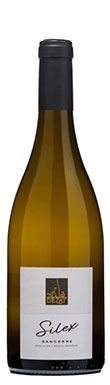
Is it possible to really 'smell' rocks? Because I think this wine, and for that matter many Sancerre wines from Silex soils in general, really makes the case for it. It smells stony, mineral, rocky. It's a powerful wine, and is much more about tension and texture than about fruit. It zings with acidity and energy, as if it's pinging off all the light fittings in a room. While it's an experience to drink this now, I'd recommend waiting a few years before opening.
2023
Domaine Arnaud & Stéphanie DezatSancerre
Domaine Vacheron, Guigne-Chèvres, Sancerre, Loire, France, 2023
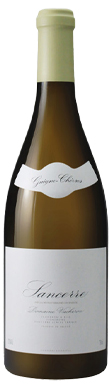
The 2023 is open, rich and fruity, with concentration and density, vinous in the mouth. The combination of clay and limestone gives a wine of both power and elegance, with a long, textured finish. The Vacheron Guigne-Chèvres cuvée is from a lieu-dit with limestone-based soils and a significant proportion of clay.
2023
Domaine VacheronSancerre
Domaine Moreux-Corty, Corty Artisan Intro, Pouilly-Fumé, Loire, France, 2022
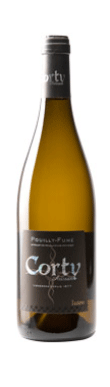
Domaine Moreux-Corty's Intro cuvée is open and inviting in the 2022 vintage and, as with 2021, makes a fine introduction to the range. The fruit is more fleshy than 2021, showing as stone fruit along the yellow spectrum, with a smoky hint. The finish is pure and tingly with fresh lemons. A light, approachable wine, with great purity and crystalline fruit. Honest and yummy.
2022
Domaine Moreux-CortyPouilly-Fumé
Domaine Tabordet, Les Petites Aubues, Pouilly-Fumé, Loire, France, 2023
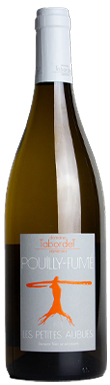
Light and fruit-driven, with a touch of minerality, this has a distinct passion fruit character and delicious texture. Smooth and highly gulpable, the wine sees no oak, allowing the purity of the fruit to shine through. Fresh and lemony on the finish. Fermented with native yeasts, this is the first year of biodynamic certification for the domaine. Comes from vines at the edge of the Pouilly-Fumé appellation that grow on limestone soils.
2023
Domaine TabordetPouilly-Fumé
Les Carrières de Mézy, Cuvée de la Réserve, Pouilly-Fumé, Loire, France, 2023
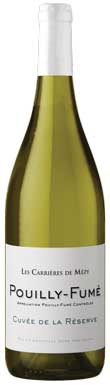
Tart citrus is to the fore, with white peach flesh and dried chamomile aromatics lifted by stony minerality. The palate is intensely bright, with ample ripeness. It features macerated white peach flesh, poached pear, and nutmeg spice.
2023
Les Carrières de MézyPouilly-Fumé
Maison de Madeleine, Silex, Sancerre, Loire, France, 2023
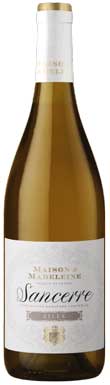
The Silex bottling of Maison de Madeleine offers staggering mineral purity. White flowers, freshly chopped herbs, and a touch of rich lemon oil are part of the filigreed mineral intensity from these famous soils. The palate is lithe but offers intense texture. Lemon verbena, savoury garrigue, and gorgeous chipped flint minerality—delicious.
2023
Maison de MadeleineSancerre
Michel Redde et Fils, Majorum, Pouilly-Fumé, Loire, France, 2023
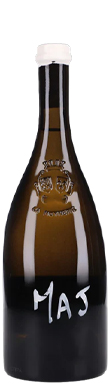
Majorum is a special cuvée created 50 years ago by Michel Redde. It comes from the estate's oldest vines and is made only in the best vintages. The flinty nose shows evidence of ageing in oak, while on the palate it is a serious, ageworthy wine of power and concentration. Juicy, rich and mineral with a long finish. It is fermented in large oak barrels using indigenous yeasts from the vineyard, and then spends a year on lees before bottling. The bottles are hand-labelled by the brothers Redde.
2023
Michel Redde et FilsPouilly-Fumé
