
10 reasons to drink English sparkling wine
Basking in the glow of critical acclaim, English fizz no longer has anything to prove. Have you discovered one of wine’s great success stories yet?


Almost exactly 30 years ago, when I was starting out as a wine writer, an editor sent me to a tasting of English wines on the outskirts of London.
I remember a rundown village hall, trestle tables and a line-up of wines that was decidedly patchy. Most were still, not sparkling. A few showed potential; a white blossom whiff, a clean lemon streak. But more of them tasted like bad cider, while others seemed to be watered down, grubby versions of already bland German brands.
Scroll down to see Suzy Atkins’ pick of English sparkling wines
Fast forward to today and the English wine scene is nothing less than thrilling. Quality has soared, in part due to warmer conditions, but also due to the skills of highly-trained professional winemakers, using the latest equipment, with much greater viticultural understanding and, in places, helped by huge investment.
Although there is quite a buzz around the still wines, sparkling is, of course, now the triumphant and much-festooned leading style. A tasting of fine English fizz in 2022 reveals complexity, balance and finesse to rival sparklers from any other corner of the globe.
It’s still hard to get it right every time in England’s cool climate; in poor vintages like 2012 it can seem impossible. But that hasn’t stopped many talented winemakers from trying and succeeding.
My younger self would be bowled over, amazed to learn that she would become such a lover of English wine and something of a specialist writer on the subject.
Here are 10 reasons why we should all drink English sparkling wine.
1. That cool climate bite
Despite the climate getting warmer, England is still relatively cool, of course. Because of that, the best English sparklers have wonderful acidity, a whistle-clean edge that makes them deeply refreshing and helps them to evolve slowly and gracefully. Of course, that acid must be in balance – no one wants a wine that makes them wince.
But many winemakers control it brilliantly today, judiciously using dosage and extended lees ageing to temper the tartness.
This ‘magical acidity’, as Bob Lindo of Camel Valley in Cornwall calls it, means English sparkling wines are consummate aperitifs, deeply refreshing with zesty citrus fruit and mineral, even salty, dabs. It also makes them brilliant food matches.
2. The talent

Stars now shine in the English wine firmament. Some, such as Bob Lindo, and Peter Hall of Sussex’s Breaky Bottom, were pioneers 40 years ago and have remained at the top. Others have emerged as leading figures over the present era, such as Irish wine wizard Dermot Sugrue, who made wine for Wiston Estate for 16 years but has now left to concentrate on his own project, Sugrue South Downs, as well as continuing to consult for Ashling Park and more.
Other notable figures include Corinne Seely at Exton Park, Emma Rice at Hattingley and Jacob Leadley of Black Chalk (all Hampshire), Duncan Schwab of Sharpham (Devon) and Cherie Spriggs of Nyetimber (Sussex). And there’s an exciting crop of young winemakers in England to ensure a bright future. Well worth watching are Tommy Grimshaw, already head winemaker at Dorset’s Langham at just 26 years old, Zoë Driver, Leadley’s assistant winemaker at Black Chalk, and Kirsty Smith of Herbert Hall (Kent), to name only a few.
3. The rise of rosé
The best English sparkling rosés, usually made from Pinots Noir and Meunier, deliver a fresh snap of acidity, delicate trails of red berries and citrus peel flavours, and a subtle raspberry-ripple ice-creaminess. They’re typically pale pink or salmon in colour and properly dry, so make splendid aperitifs or matches for light canapés and seafood.
I have chosen two traditional-method rosés here (see below); others well worth seeking out include Gusbourne Rosé Brut 2016 (DWWA 2021 Silver winner; £45-£49 Davy’s, Grape Britannia, Jeroboams, Quercus Wines), Hambledon Classic Cuvée Rosé Brut NV (Gold; £35 hambledonvineyard. co.uk) and Chapel Down, Rosé Brut NV (Platinum; £37 chapeldown.com).
4. The English wine scene
There’s a loud buzz around English wine at the moment, which not only adds to the sense of excitement when you dive into it, but also means that there’s plenty of freshly minted information out there to help you choose the ones you want.
Look out for specialist merchants such as Grape Britannia in Cambridge and Hawkins Bros Fine English Wines in Surrey, specialist websites and blogs such as emergingvines.co.uk (also a shop) and John Mobbs’ greatbritishwine.com, as well as international competitions featuring plenty of English wines, such as the Decanter World Wine Awards and others which focus only on English wine, such as the annual WineGB awards and the annual Independent English Wine Awards.
Then there’s the rise of wine tourism in England. Many wineries now welcome visitors to their tasting rooms, vineyard tours, restaurants and even hotels. It all adds to the accessibility and the pleasure.
5. The great vintages
Obviously, in a marginal climate, some years are better than others. In England’s case, some vintages are awful, in terms of quality and/or quantity (such as the cursed 2012), while others seem blessed. All agree that 2018 was a wonderful year, warm and dry, and the results can now be enjoyed in newly released sparklers.
Other memorably good years cited by winemakers include 2003, 2009, 2011, 2014 – and who can forget the heat of locked-down 2020? Dermot Sugrue says the fruit from that summer was of ‘astonishing quality’, while Tommy Grimshaw comments it ‘was the best in my nine years of experience, based on fruit ripeness, rather than quantity’. Something to look forward to in future sparkling releases.
Although riding such a rollercoaster is tough financially (and emotionally for producers), marginal climates often produce the most complex results in fine years, and it’s a joy when a truly great vintage is announced (something you would never say of Prosecco… ).
6. Ageability

That fabulous acidity allows fine English sparklers to age brilliantly – or so it would seem. It will take another decade, even two, for us to assess fully the long-term ageing potential of today’s star sparklers, but wines that are now about 10 years old reveal the typical crisp lemon and apple bite of youth turning creamier, more toasty and honeyed with age, while remaining remarkably firm and fresh. Some producers are now showcasing older wines, for example Dorset’s admirable Furleigh Estate, with its From the Oenothèque releases (currently on the 2010, £49.50 furleighestate.co.uk), while winemaker Corinne Seely is using a vast range of library reserves to create her multi-blend single estate wines at Exton Park (see my choices, below).
7. The terroir

It’s a fascinating stage in the evolution of English wine as more and more sites for vines are being developed, while the debate about the best terroir abounds. Many, including Dermot Sugrue, are convinced that chalk-rich soil is important for top-quality fizz, especially Chardonnay, often citing a super-fresh, mineral quality in wines made from chalky vineyards. Others disagree, and believe that wines in warmer spots, or more mature vines, make the difference.
There are also the single-vineyard cuvées. Note that many of my wine choices (see below) are from single estates. Then again, wineries such as Camel Valley and Devon’s Lyme Bay buy fruit from other parts of England to make their wines, very successfully, so there’s everything to play for, and everything to watch as the small industry develops.
8. Food-friendliness

English fizz has delicate notes, so should never be matched with very rich or spicy food. That aside, myriad blissful pairings can be made, the most obvious being with seafood. The crispest wines are made for oysters or a fruits de mer (seafood) platter, and the creamier examples work best with pan-fried white fish, prawns or scallops. Save the toastier, older wines for crab or lobster, smoked salmon and smoked salmon pâtés.
Lemony English fizz is a star wine for salads, even with tart dressings, and most bruts match lighter chicken dishes. Try pairing the sparklers with sushi, delicate savoury canapés and brunchy dishes such as eggs florentine. Beware pairing them with sweet food, even fresh fruit, though, unless you are cracking open one of the rare demi-secs, such as Nyetimber’s Cuvee Chérie (£38 nyetimber.com).
9. Offbeat choices
Not every English fizz is made from one or all of the three Champagne grapes. There are sparklers made from other varieties, notably Seyval Blanc, or interesting blends including, for example, Pinot Blanc.
The vast majority of English sparklers are made in the traditional (Champagne) method, with long lees ageing in the bottle. But do look out for other methods. Pét-nat, Charmat (made in tank, including secondary fermentation, in the manner of Prosecco) and crémant are all out there to try, and plenty of winemakers are experimenting currently with how to make bubbles in England.
It will be interesting to see how these (sometimes quirky) new arrivals fare, and how they might eventually be priced compared with the labour-intensive traditional-method sparklers (for the moment, they are not much cheaper).
10. Celebratory style

Finally, the best reason to buy English sparkling wine is that it fits the bill perfectly for summer celebrations. More delicate and arguably fresher-tasting than other mainstream fizz, it’s a mouthwatering aperitif in warmer weather, and it suits summer’s lighter food.
It’s never the cheapest option, but who wants that for a treat? In terms of quality, the price tags are generally fair.
So if you have a birthday, anniversary, new job or home this summer, make it an occasion for English sparkling wine. A closing word on my chosen wines.
There are no blanc de blancs, as I covered this category in depth with my 18 English blanc de blancs wines in Decanter’s ‘Expert’s Choice’ section last year.
This time I have deliberately aimed at diversity, including a crémant and a Charmat in my picks.
Atkins’ pick: 10 English sparkling wines to try
Related articles
- Best English rosés for the Queen’s Platinum Jubilee
- Plan for major English winery development in Kent blocked
- Staycation in style at one of these English vineyards
Langham Wine Estate, Culver Classic Cuvée NV, Dorset, England, United Kingdom
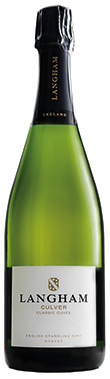

Exquisite sparkler, from Langham's own estate vineyard deep in Thomas Hardy country near Dorchester. The latest release is based on the 2019 vintage. Bone dry,...
Langham Wine EstateDorset

Exton Park, RB32 NV, Hampshire, England, United Kingdom
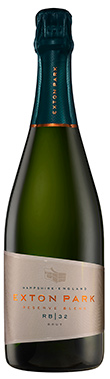
Single-estate RB32 is winemaker Corinne Seely's reserve blend of 32 components from an extensive library of reserve wines. It's wonderfully fresh and crisp, majoring on...
Exton ParkHampshire
Rathfinny, Classic Cuvée, East Sussex, England, United Kingdom, 2018
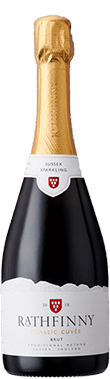
With its bright, light golden hue, and array of enticing flavours – oranges and lemons, peach, mint and tea biscuits – the vivacious 2018 single...
2018
RathfinnyEast Sussex
Sugrue South Downs, #Zodo MV, Sussex, England, United Kingdom
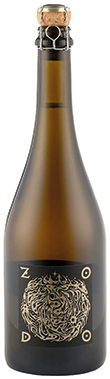
Dermot Sugrue's zero dosage #Zodo is based on 2014 with reserve wines from 2009 and 2011, with 48 months of lees ageing. Fruit comes from...
Sugrue South DownsSussex
Louis Pommery, England NV, Hampshire, England, United Kingdom
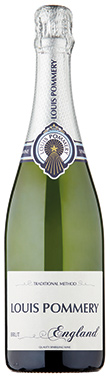
91
The first Champagne house to release an English fizz is on fine form with this third release, a whistle-clean, citrus-led brut, with a cocktail of tangerines, lemon and lime, crisp but balanced. Having been aged for 36 months on lees, this is one to chill for oysters. Fruit comes from a 30ha vineyard planted in 2017 in New Alresford, near Winchester.
Louis PommeryHampshire
Nyetimber, Tillington Single Vineyard, East Sussex, England, United Kingdom, 2014
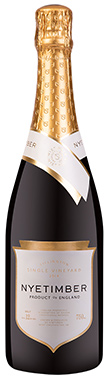
Huge potential as the Tillington 2014 still tastes remarkably young, despite eight years since vintage and 48 months on lees. There's a white blossom scent,...
2014
NyetimberEast Sussex
Bride Valley, Dorset Crémant, Dorset, England, United Kingdom, 2018
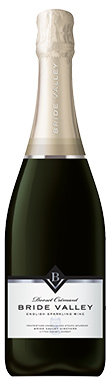
A frothy, pale gold fizz with crunchy green apple, a nutty hint of almond, pears, and light creaminess from 24 months of lees ageing. 'Crémant'...
2018
Bride ValleyDorset
Busi-Jacobsohn, Rosé, East Sussex, England, United Kingdom, 2018
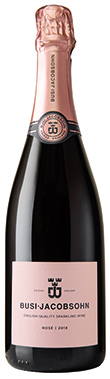
Salmon-pink single estate rosé from the excellent, warm 2018, the second vintage release from Busi Jacobsohn's young and exciting winery near Crowborough, East Sussex. This...
2018
Busi-JacobsohnEast Sussex
Camel Valley, Pinot Noir Rosé Brut, England, United Kingdom, 2019
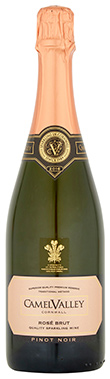
A pale rose gold with citrus splendour bursting from the glass, summery fruit from peach and cherry to apricot and strawberry and a biscuit framing....
2019
Camel Valley
Flint Vineyard, Flint Vineyard Charmat Rosé, Norfolk, England, United Kingdom, 2021
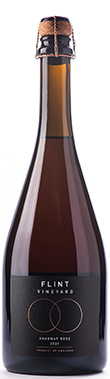
Strikingly different and fun - a deep cerise Norfolk fizz made using the Charmat (tank) method, like Prosecco, with a short (four months) period on...
2021
Flint VineyardNorfolk
