Alto Adige: 24 expert-rated wines to try
Did you know the Alto Adige DOC has 20 permitted varieties? It's a jewel for wine lovers looking to explore and enjoy. Below, our expert Richard Baudains selects 24 wines you need to try.


For Austrians and Germans, and a great number of the people who live there, it is the ‘Südtirol’ – the southern province of the Tyrol. For Italians, it is the ‘Alto Adige’, the Upper Valley of the river Adige.
This bilingual province on the border with Austria is a meeting place of cultures created by the twists and turns of history. What is now the Trentino-Alto Adige region spent more of the last 200 years of its history under Austrian rule than Italian, and it was only after the defeat of the Austrio-Hungarian Empire in WWI that it was incorporated into Italy.
Not least of the influences of its cultural heritage regard the wine production of this fascinating border area. Grapes of northern European origin grow alongside international and local varieties; barriques coexist with giant casks with elaborate carved heads; and in many cellars the chief winemaker still retains the title of ‘Kellermeister’.
The wine growing areas of the Alto Adige stretch north from the border with the neighbouring Trentino in the shape of a letter ‘Y’.
The lower part, the Bassa Atesina, follows the valley of the Adige to Bolzano, where viticulture branches northeast into the Isarco Valley towards Bressanone, and northwest past Merano, into the Venosta Valley.
Jigsaw puzzle
The umbrella Alto Adige DOC covers all 5,850 hectares of the province, with important DOC sub-zones for Terlano, Santa Maddalena, Valle Isarco and Val Venosta, while the pale red wines of Caldaro/Kaltersee have a denomination all of their own.
Vineyards stretch from around 250 metres above sea level to the upper slopes of the valley sides, reaching elevations of over 1000 metres above-sea-level in places.
The climate is sunny, and warmer than you might expect – July temperatures are higher in Bolzano than Palermo! – but with the extreme day/night excursions typical of mountain regions.
The soil map of the province is a highly-coloured jigsaw puzzle which defies close description, but the three basic types are the Dolomitic limestone of the Adige valley, soils of volcanic origin around Bolzano, and the coarse, sandy quartz, slate and mica of weathered native rock in the Isarco and Venosta valleys.
Twenty varieties
Alto Adige grows 20 DOC-recognised varieties, 11 white and five red. The principle international white grapes, Pinot Grigio, Chardonnay, Pinot Bianco and Sauvignon, are distributed pretty much across the whole of the province, with characters which respond to the different terroirs.
Pinot Bianco/ Weissburgunder
Of all the international varieties, Pinot Bianco is the one most closely associated with the Alto Adige.
It can be soft and round with yellow apple and floral aromas on the lower slopes of the Bassa Atesina, and intensely dry and minerally in the high vineyards of Appiano and at Terlano, the top two villages for the variety.
Sauvignon Blanc
Similarly, Sauvignon can be rich and fleshy around Caldaro, and crisp and zingy at Cortaccia and in the Val Venosta.
Gewurztraminer
Of the aromatic varieties, Gewurztraminer does not move far from its home in the village of Tramin, where styles range from off-dry to full-on sweet and luscious.
Sylvaner
In the Valle Isarco, Sylvaner has body and richness of aroma which distance it from the more familiar, lighter styles of Alsace.
Gruner Veltliner
Also in the Valle Isarco, Gruner Veltliner has the power and ageing potential of its top Austrian counterparts, and there is also a tiny production of the appetisingly peachy Schiave/ Riesling crossing, Kerner.
Riesling
Val Venosta is the go-to destination for steely, refined Riesling in Alto Adige.
Pinot Noir/ Blauburgunder
Among the international red varieties, there are individual examples of imposing Cabernet and Merlot in the lower valley of the Adige, but it is the far more widely planted Pinot Noir/ Blauburgunder that has made its name in the province for wines with very pure varietal character.
The longest established sites are on the eastern slopes of the valley, which include the renowned vineyards of Mazon.
The local Vernatsch/ Schiava and Lagrein may come second behind Pinot Noir in terms of surface area under vine, but they are two of the great resources of the province and both give their best in specific sites.
Vernatsch/ Schiava
Vernatsch is the grape of the Kaltersee/ Caldaro DOC, where it makes delicious cherry- and violet-scented wines with a delicate almondy finish.
The other classic growing area is above Bolzano at Santa Maddalena. The wines here often have a dollop of Lagrein in the blend, which makes them a little darker and more structured than those of Caldaro; think Moulin-a-Vent, not so much for the aromatic profile but for style and drinkability.
Lagrein
Lagrein, on the other hand, is a much more robust proposition. Its family tree includes Teroldego and Syrah, and it shows in the inky, glass-staining colour and chunky tannins. Lagrein needs heat and well-drained soils, and its traditional home is just outside Bolzano, in the garden suburb of Gries.
Reinvention
The Alto Adige has a tradition of cooperative winemaking that goes back to the 19th century. Its 12 top quality, highly efficient cooperatives collect grapes from 4,800 small-scale growers and today account for around 70% of the provincial production.
The remaining 30% is made by long established private houses and in lesser – but increasing – amounts by small independent estates. Membership of the ‘Vignaioli Alto Adige’ association which represents the category has grown to over 100 in recent years.
Winemaking in the Alto Adige has seen perhaps the most radical transformation of any region in Italy. The province today is universally recognised for the white wines which constitute 65% of its production, but historically red wines dominated.
Up until the 1970s, Vernatsch occupied almost 70% of the total surface area and monopolised planting in the villages of the Bassa Atesina. Vineyards were heavily cropped, much of the wine was sold in bulk, and although the arrival of the DOC in 1975 improved quality, the wines of the time were light and very simple.
Change began in the 1980s, and in the years that followed the Alto Adige basically reinvented itself. The drivers of the revolution were the cooperatives.
Legendary Kellermeisters like Hans Terzer at San Michele, Sebastian Stocker at Terlano, and Willi Sturz at Tramin began to impose quality in the vineyards and craft premium wines in the cellar, the likes of which had never been seen in the province before.
The quality of winemaking across the province today is high, although at times you feel it risks overshadowing the sense of place. Many of the top selections are concentrated, full-bodied wines with bold fruit and aromas which owe more than a glance towards international styles.
Clarification or complication?
The Alto Adige’s newly revealed UGA (Unità Geografiche Aggiuntive) zoning, which comes into effect with the 2024 vintage, aims to put the focus back on terroir and give some order to the ampelographical wealth and diversity by designating sites for specific grapes varieties.
The Mazon UGA, for example, is reserved for Pinot Noir; Gries-Moritzing for Lagrein; and UGAs at over 900 metres above-sea-level at Appiano and Magrè are created for Muller Thurgau.
In other instances, the system is a victim of the province’s eclectic traditions. There are cases where up to five white, red and aromatic varieties share the same UGA. It is hard to imagine that grapes with such different characters can express the identity of a terroir.
Time will tell, as the wines come out over the next two years, whether the 86 new UGAs will clarify or further complicate the task of grasping the intricacies of the Alto Adige. However it unfolds, there will always be much to enjoy in this bountiful province.
Below is a selection of two-dozen of my top wines from the current vintages tasted at the Alto Adige Wine Summit held in Bolzano in September this year. Pinot Bianco was the star among the white varieties, but Sauvignon is right up there too, and I also loved Sylvaner from the Valle Isarco.
As for the reds, there was Pinot Noir for ageing, Santa Maddalena and Caldaro for drinkability, and if you are looking for something weightier, Lagrein wins the medals as the authentic Alto Adige red wine experience.
Expert-rated Alto Adige: 24 to try
Related articles
- Alto Adige for wine lovers
- Valle d’Aosta – the soulful Italian region aficionados shouldn’t overlook
- Expert’s Choice: 18 Swiss reds and whites you need to try
Cantina Terlano, Vorberg Pinot Bianco Riserva, Alto Adige/Südtirol, Terlaner, Trentino-Alto Adige, Italy, 2022
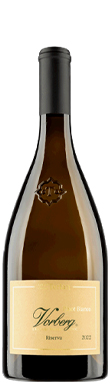

Lovely fresh, just-sliced yellow apple on the nose with a whiff of lemon rind and an intriguing note of white pepper. Intense, but all beautifully in balance on the palate, with great depth of flavours and a return of that light peppery nuance on the finish. An Alto Adige classic in top form.
2022
Cantina TerlanoAlto Adige/Südtirol

Manincor, Eichhorn Pinot Bianco, Alto Adige/Südtirol, Trentino-Alto Adige, Italy, 2023
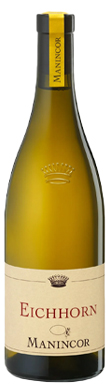
A complex interlace of sweet herbs, white blossom and fresh fruit on the nose with a hint of vanilla in the background leads into a palate with a lovely flowing, fresh, airy quality and a delicate aromatic finish underscored by a light minerally vein. A fine-tuned wine of great elegance from this historic biodynamic estate at Caldaro.
2023
ManincorAlto Adige/Südtirol
Niedrist Ignaz, Limes Pinot Bianco, Alto Adige/Südtirol, Trentino-Alto Adige, Italy, 2022
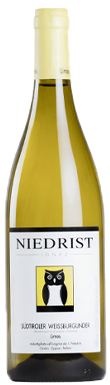
‘Limes’ is the name of the vineyard but, there is also more than a hint of green lime in the aromas of this wine, together with notes of pear and Mediterranean herbs. On the palate it is full-bodied, bone dry and concentrated on the long, savoury finish. A tiny production of great personality from the high (lime)stone soils of one of the top sites for the variety.
2022
Niedrist IgnazAlto Adige/Südtirol
Tenuta Rohregger, Vom Berg Pinot Bianco, Alto Adige/Südtirol, Trentino-Alto Adige, Italy, 2023
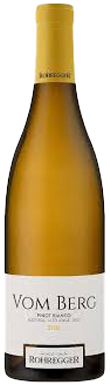
Starts a little introspective, then opens with the classic varietal aromas of Golden Delicious and wild herbs. Powerful entry on the palate and a follow through with the structure and depth that comes with long lees ageing. Great length and concentration on the savoury finish. A little austere now, but with great potential for evolution in the bottle.
2023
Tenuta RohreggerAlto Adige/Südtirol
Alois Lageder, Versalto Pinot Bianco, Vigneti delle Dolomiti, Trentino-Alto Adige, Italy, 2023
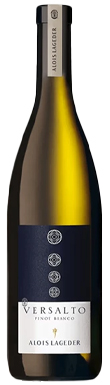
From the other pioneering biodynamic producer of the province, this is a Pinot Bianco with slightly understated but very precise aromas of wild herbs, pear and almonds. The palate is juicy and dry, light-bodied but very dynamic and incredibly moreish. A very direct, untrammelled expression of the variety.
2023
Alois LagederVigneti delle Dolomiti
Franz Gojer, Karneid Pinot Bianco, Alto Adige/Südtirol, Trentino-Alto Adige, Italy, 2023
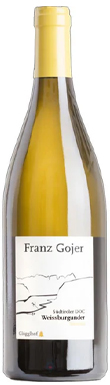
This single-vineyard Pinot Bianco from top Santa Maddalena producer Franz Gojer has ripe stone fruit and a gentle oaky character on the nose, and a soft, round, creamy palate with a return of the fruit and a hint of camomile on the finish. A wine with bags of charm.
2023
Franz GojerAlto Adige/Südtirol
Gumphof, Praesulis Pinot Bianco, Alto Adige/Südtirol, Trentino-Alto Adige, Italy, 2023
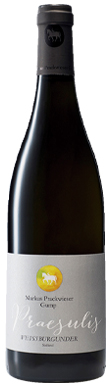
This has intense salted limes, wet stone and oregano on the nose and an equally punchy, tightly packed palate with great structure, firm acidity and a long, leesy finish. A concentrated wine with an emphatic personality and great ageing potential from a small-scale, family-run estate.
2023
GumphofAlto Adige/Südtirol
Alois Lageder, Lowengang Chardonnay, Vigneti delle Dolomiti, Trentino-Alto Adige, Italy, 2022
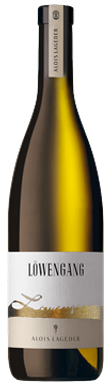
On the nose there are aromas of medlars and pomegranate and underneath, the slightly earthy character of the spontaneous ferment. The palate is broad and silky, with soft acidity but a fresh, minerally energy and a long, buttery, pastry shop finish. An intriguing version from the hot 2022 vintage of this iconic Alto Adige Chardonnay.
2022
Alois LagederVigneti delle Dolomiti
Dipoli Peter, Voglar Sauvignon Blanc, Alto Adige/Südtirol, Trentino-Alto Adige, Italy, 2021
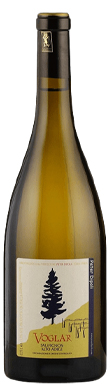
Aromas of white currants, sage and mint with wonderful freshness and pristine definition introduce a wine with a broad, juicy palate, beautifully balanced acidity, amazing depth of flavour, and a long, refined finish. From the great 2021 vintage, passionate independent winemaker Peter Dipoli combines intensity and elegance in a Sauvignon which exudes pure class.
2021
Dipoli PeterAlto Adige/Südtirol
Cantina San Michele Appiano, Sanct Valentin Sauvignon Blanc, Alto Adige/Südtirol, Trentino-Alto Adige, Italy, 2024
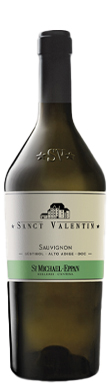
A nose of explosive intensity opens with scoops of sweet mango, peach and apricot and follows with herby aromas of mint and peppery rocket. It is big on the palate too, with mouthwatering acidity to support the fleshy fruit and give infinite length to the finish. A full-on version of the extrovert style of Sauvignon, created by legendary kellermeister Hans Terzer.
2024
Cantina San Michele AppianoAlto Adige/Südtirol
Kuenhof, Sylvaner, Alto Adige/Südtirol, Valle Isarco, Trentino-Alto Adige, Italy, 2023
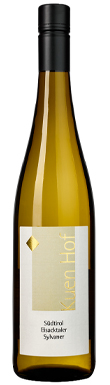
Classic varietal aromas of ripe melon, hay and meadow blossoms are accompanied by a touch of orange peel, giving a very appealing late-picked character. Completely dry, but rounded out by the glossy texture, the palate has a finish which brings back ripe straw and tangerine aromas, with a fascinating note of black pepper in the background. Great personality.
2023
KuenhofAlto Adige/Südtirol
Köfererhof, R Sylvaner, Alto Adige/Südtirol, Valle Isarco, Trentino-Alto Adige, Italy, 2023
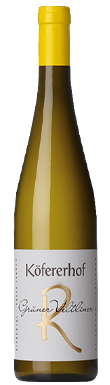
The nose has subtle aromas of honeydew melon and aromatic herbs, and perhaps a hint of green pear. On the palate it is bone dry, but with a very satisfying fleshy texture, and the delicately aromatic finish is long and savoury. A great example of the Isarco style of Sylvaner from one of the top growers of the valley.
2023
KöfererhofAlto Adige/Südtirol
Pacherhof, Alte Reben Sylvaner Riserva, Alto Adige/Südtirol, Valle Isarco, Trentino-Alto Adige, Italy, 2022
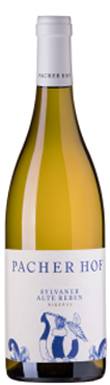
The deep yellow straw shade suggests another late-picked, concentrated wine, but in this case slightly off-dry, with candied peel alongside dried petal aromas on the nose. The palate is round and warm, but with a vein of juicy fruit with gives it a lovely flow towards the long finish, with a distinctive smoky mineral note. Lots of body, but everything in fine balance
2022
PacherhofAlto Adige/Südtirol
Falkenstein, Riesling, Alto Adige/Südtirol, Val Venosta, Trentino-Alto Adige, Italy, 2023
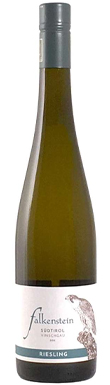
Very intense, spicy nose, with hints of incense introduce a bone dry palate with a lightly chalky texture, slender but vibrant with racy, mouthwatering acidity. The finish is long and tangy, with citrus peel and an almost saline quality; the hallmark of the mountain wines of the Val Venosta, which is the go-to site for Alto Adige Riesling.
2023
FalkensteinAlto Adige/Südtirol
Cantina Valle Isarco, Aristos Gruner Veltliner, Alto Adige/Südtirol, Valle Isarco, Trentino-Alto Adige, Italy, 2023
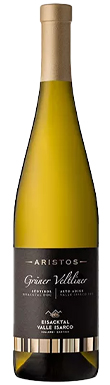
There is a hint of the grassiness suggested by the name of the grape, but the key notes for the very expressive nose are dark blossom and sweet tropical fruit. Completely dry on the palate, with concentrated fruit flavours and a big aromatic finish with an intriguing mineral hint of graphite. A top of the range selection from the small, quality-focused cooperative.
2023
Cantina Valle IsarcoAlto Adige/Südtirol
Niedrist Ignaz, Lago di Caldaro / Kalterersee, Classico Superiore, Trentino-Alto Adige, Italy, 2024
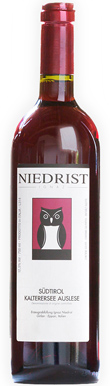
Candied cherry and almonds on the nose, with a floral nuance around the edges. On the palate the tannins are fine and dry, the fruit flavours succulent and long, and the finish has a gentle earthy grip which sends you back for more. From 100-year-old vines on the sunny slopes of the lake, this is a Schiava-based wine with a depth and intensity that the grape rarely achieves.
2024
Niedrist IgnazLago di Caldaro / Kalterersee
Untermoserhof, Vigna Hub & Leif, Alto Adige/Südtirol, St Magdalener Classico, Trentino-Alto Adige, Italy, 2023
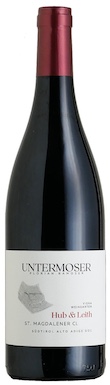
Slightly leafy initial aromas make way for dark berry fruit on the nose as the wine opens up. The mid-weight palate is dry and textured, with finely extracted tannins, perfectly judged oak and, on the finish, a subtle return of the fruit accompanied by the soft almondy flavour typical of Santa Maddalena. A wine of great naturalness and irresistible drinkability.
2023
UntermoserhofAlto Adige/Südtirol
Pfannenstielhof, Der Pfannensteil, Alto Adige/Südtirol, St Magdalener Classico, Trentino-Alto Adige, Italy, 2020
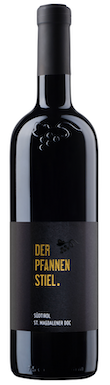
A pale carmine colour fades towards an orange rim, showing some maturity, but the nose has youthful aromas of fresh berries and violets. The palate is vigorous and long, with lively tannins and concentrated fruit flavours on the finish. Santa Maddalena is typically bottled within a year and drunk young, but this shows the potential for ageing of the wines from the village.
2020
PfannenstielhofAlto Adige/Südtirol
Tenuta Loaker, Gran Lareyn Lagrein Riserva, Alto Adige/Südtirol, Trentino-Alto Adige, Italy, 2022
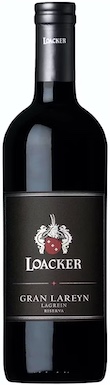
Deeply coloured, with a mix of plummy fruit and phenolic newsprint and moss on the nose. Under the smooth, resolved tannins there is a vibrant, juicy acidity which gives great energy and length to a palate which closes with a firm, concentrated grip. Lagrein loves hot vintages and 2022 brought the very best out of the variety.
2022
Tenuta LoakerAlto Adige/Südtirol
Cantina Convento Muri-Gries, Abtei Muri Lagrein Riserva, Alto Adige/Südtirol, Trentino-Alto Adige, Italy, 2022
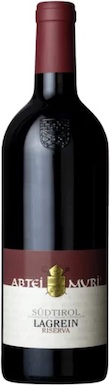
This has all the variety-defining aromas of Lagrein; plums and dark cocoa powder, a hint of bacon rind, newsprint and a touch of moss. The palate has dense, chunky tannins but maintains a supple flowing drinkability and closes with lovely purity of fruit. An exemplary red from the benchmark producer of the denomination.
2022
Cantina Convento Muri-GriesAlto Adige/Südtirol
Cantina Convento Muri-Gries, Vigna Klosteranger Lagrein Riserva, Alto Adige/Südtirol, Trentino-Alto Adige, Italy, 2021
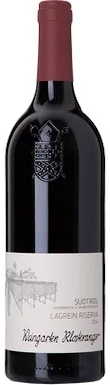
This ‘cru within a cru’ from the walled monastery vineyards at Gries shows all the power of old vines grown on a site with a unique vocation for the variety. The colour is an impenetrable inky purple, and the fruit aromas reveal new nuances with every swirl of the glass. The palate has a texture of creamy density, but never loses tension thanks to the perfectly balanced acidity, and the ripe fruit finds the perfect contrast in the grippy terroir finish. A great wine by any standards.
2021
Cantina Convento Muri-GriesAlto Adige/Südtirol
Stroblhof, Pinot Nero Riserva, Alto Adige/Südtirol, Trentino-Alto Adige, Italy, 2021
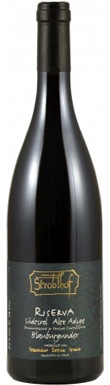
Earthy, with a still-youthful phenolic character covering the fruit a little, but there is substance and authentic Pinot expression on the nose. The palate has the fine tannins of the very favourable vintage, with nervy, thoroughbred acidity and a tight, energetic finish. Drinking now, but can only improve as the slightly smoky influence of the wood is assimilated. The real deal.
2021
StroblhofAlto Adige/Südtirol
