
Cantina Terlano: crafting white wines for ageing
Cantina Terlano is arguably Italy's top white wine co-operative. Michael Garner charts its reputation and winemaking history and rates a dozen wines from 1999-2018.


Produttori del Barbaresco may be the undisputed choice as Italy’s number one red wine co-operative these days, but the top co-op for whites is a closer call. The smart money is on Cantina Terlano, one of the Alto-Adige’s numerous excellent cantine sociali.
Scroll down to see tasting notes and scores for 12 top Cantina Terlano wines from 1999-2018
Founded in 1893, today 143 members cultivate some 190ha of vines northwest of regional capital Bolzano on the northern or ‘left’ bank of the river as the Adige valley climbs towards Merano.
The terrain here is largely poor, quick-draining soil of volcanic origin (limestone dominates the opposite flank) and the steep, high altitude vineyards (up to 900m) witness typically warm daytime temperatures and distinctly cool nights.
Excellent versions of the popular local varietals under the umbrella Alto-Adige DOC are fermented in stainless steel with extended lees ageing; the few reds also undergo 6/7 months ageing in classic botte (70% of production is white, higher than the regional average of 64%).
However Terlano’s stellar reputation rests largely on a smaller selection of wines from fruit grown in and around the village and sold under the Terlano banner, a ‘subzone’ of the regionwide DOC since the 1970s. Production centres on the tiny village of Terlano itself, which sits in the crater of an extinct volcano, and includes the neighbouring villages of Nalles and Andriano.
Trademark techniques
The denomination features a ‘generic’ wine consisting mainly of Pinot Bianco, with smaller proportions of Chardonnay and Sauvignon (both planted in the area since the latter half of the nineteenth century) as well as the classic, local, single varietal whites. All are made in the trademark Terlano style of substantial and powerful wines with uncommon ageing potential.
Following fermentation in a combination of stainless steel and wooden botte, the wines receive between nine and 12 months lees ageing. They marry a striking, floral-toned freshness with compelling ripeness and depth of fruit, racy acidity and distinctive, mineral notes. At the pinnacle of this ‘Selection’ range are two Riserva wines, Vorberg, a pure Pinot Bianco, and Nova Domus, a Terlaner cuvée.
While even the winery’s basic Alto-Adige Pinot Bianco DOC wine can age extremely well (a 1955 tasted at the winery back in 2018 was still on its feet), the Riserva wines begin to show Terlano’s true potential.
Vineyards for Vorberg are situated at between 500 and 650m. Juice from whole-cluster pressing is fermented slowly and undergoes full malolactic in large (30hl) oak barrels before a further 12 months in barrel and six months in concrete on the lees before bottling.
Nova Domus, named after the ruined castle (built in 1206) at the entrance to the village, is the classic Terlaner mix of 60% Pinot Bianco, 30% Chardonnay and 10% Sauvignon. Production mirrors that of Vorberg though the Sauvignon component does not undergo malo. Beyond these are two rare examples of the winemaker’s art, both made in tiny lots of around 3,000 bottles per annum.
Super premium
From low-yielding vineyards (35hl/ha) the Super Premium Terlaner Primo Grand Cuvée, mainly Pinot Bianco, up to one third Chardonnay plus a squeeze of Sauvignon (around 3% in the 2018 vintage), is simply an unabashed attempt to create the Le Montrachet of the Alto-Adige. Fermented and matured in oak where it spends 12 months on its lees before bottling, the wine more than lives up to its billing.
Staunch traditionalists
The inspiration behind the Rarity range was longtime winemaker Sebastian Stocker who worked at Terlano from 1955 to 1993. Like fellow enologist the legendary Giorgio Grai, Stocker was a great believer in blending vintages to achieve a consistent style and also a massive fan of Champagne.
He acquired a number of small, stainless steel tanks to pursue his dream of making champagne method wines at Terlano but ended up using them to age still whites on the lees instead. Following fermentation (at up to 24 degrees) the Rarity wine spends 12 months in oak with occasional batonage and racking. It is then transferred to a single 25hl stainless steel tank where it will remain undisturbed on its fine lees for no less than 12 years before bottling (the so-called ‘Stocker’ method).
With a ‘closed’ vintage like 2014, 20 years lees contact is considered more suitable. Though a pure Pinot Bianco is increasingly the preferred option, the Rarity bottling has been a Terlano Cuvée, Chardonnay or, once, even a Sauvignon in previous vintages. ‘Pinot Bianco is the variety we always come back to,’ maintains Klaus Gasser, sales and marketing director.
Likewise the winery prefers to stick to tried and tested production methods. ‘We’re staunch traditionalists here. Our wines are quite simply what our vineyards give us, no more, no less,’ insists Gasser. ‘With careful cellaring, we believe they can last 20 years and more.’
Michael Garner’s top 12 Cantina Terlano wines from 1999-2018
Related content
Introducing appassimento wines from Veneto
Versatility of Vermentino: top dry white picks from across Italy
More people drinking fine wine at home, says UK survey
Cantina Terlano, Primo Grand Cuvée, Alto Adige/Südtirol, Terlaner, Trentino-Alto Adige, Italy, 2016
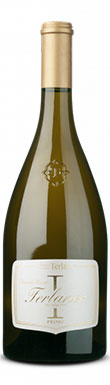

Despite a difficult beginning, the 2016 vintage turned out be an exceptional one. A later than average harvest allowed the fruit longer hang time and...
2016
Cantina TerlanoAlto Adige/Südtirol

Cantina Terlano, Rarity, Alto Adige/Südtirol, Terlaner, Trentino-Alto Adige, Italy, 2007
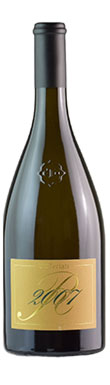
A classically-styled vintage with relatively mild temperatures throughout the summer and early autumn. The nose is all lurking power for now with flashes of fruit...
2007
Cantina TerlanoAlto Adige/Südtirol
Cantina Terlano, Vorberg, Alto Adige/Südtirol, Terlaner, Trentino-Alto Adige, Italy, 1999
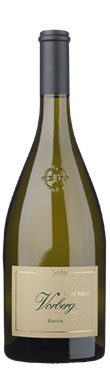
A cooler and quite rainy vintage. Astonishing breadth on the nose but subtle and elusive too. Notes of crème brûlée, coffee and milk chocolate coat...
1999
Cantina TerlanoAlto Adige/Südtirol
Cantina Terlano, I Primo Grand Cuvée, Alto Adige/Südtirol, Terlaner, Trentino-Alto Adige, Italy, 2018
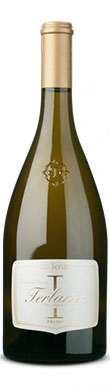
An unabashed attempt to create a white wine with the stature of Le Montrachet, Primo Grand Cuvée is a masterpiece. It has astonishing freshness still:...
2018
Cantina TerlanoAlto Adige/Südtirol
Cantina Terlano, Primo Grand Cuvée, Alto Adige/Südtirol, Terlaner, Trentino-Alto Adige, Italy, 2013
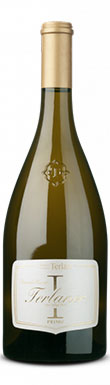
A cooler vintage like 2013 tends to highlight Primo's extraordinary ageing potential. Almost a varietal Pinot Bianco! The 2013 is beginning to smell very complete...
2013
Cantina TerlanoAlto Adige/Südtirol
Cantina Terlano, Nova Domus, Alto Adige/Südtirol, Terlaner, Trentino-Alto Adige, Italy, 2006
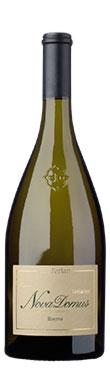
Though also renowned as quite a warm vintage, the 2006 has held up admirably well. In such vintages, the higher altitude vineyards help the wine...
2006
Cantina TerlanoAlto Adige/Südtirol
Cantina Terlano, Rarity, Alto Adige/Südtirol, Terlaner, Trentino-Alto Adige, Italy, 2008
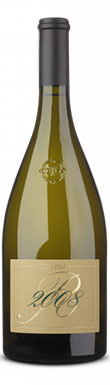
2008 was a difficult year with unpredictable weather patterns but an Indian summer ensured the reduced crop was harvested in good condition. Bottled after 11...
2008
Cantina TerlanoAlto Adige/Südtirol
Cantina Terlano, Rarity, Alto Adige/Südtirol, Terlaner, Trentino-Alto Adige, Italy, 2002
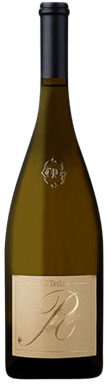
At the end of 2002's highly unsettled growing season, a storm from the north had everyone fearing the worst but conditions changed dramatically with a...
2002
Cantina TerlanoAlto Adige/Südtirol
Cantina Terlano, Vorberg, Alto Adige/Südtirol, Terlaner, Trentino-Alto Adige, Italy, 2013
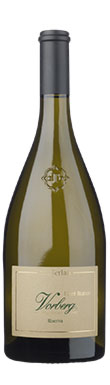
It's good to monitor the progress of Vorberg as it approaches mid-maturity. The 2013 has notable breadth of aroma: the yellow and orchard fruit aromas...
2013
Cantina TerlanoAlto Adige/Südtirol
Cantina Terlano, Nova Domus, Alto Adige/Südtirol, Terlaner, Trentino-Alto Adige, Italy, 2015
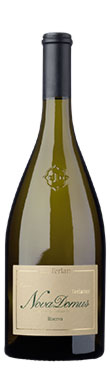
2015 was a warm, dry vintage in the Alto-Adige and the fruit was harvested early in excellent weather. Oak evident up front followed by a...
2015
Cantina TerlanoAlto Adige/Südtirol
Cantina Terlano, Vorberg, Alto Adige/Südtirol, Terlaner, Trentino-Alto Adige, Italy, 2018
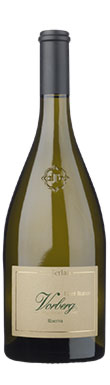
Vorberg has long been the 'gold standard' Pinot Bianco and the 2018 vintage provides us with a forward and accessible example. A very ripe nose:...
2018
Cantina TerlanoAlto Adige/Südtirol
Cantina Terlano, Nova Domus, Alto Adige/Südtirol, Terlaner, Trentino-Alto Adige, Italy, 2018
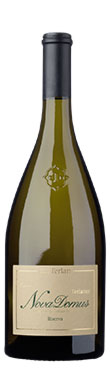
Like its peers this classic blend of Pinot Bianco, Chardonnay and Sauvignon has tremendous ageing potential though the 2018 is already reasonably accessible. The broad,...
2018
Cantina TerlanoAlto Adige/Südtirol
