
Champagne: Magnum Vs Bottle: Panel Tasting Results
Who could argue? All wines, Champagne included, age better in and taste nicer from a larger bottle, correct? Peter Liem sets the scene for a fascinating, and highly enjoyable, two-tier tasting...


There’s an old saying in Champagne: ‘A magnum is the perfect size for two people, especially when one of them isn’t drinking.’ Beyond simply allowing you to drink more wine, though, there’s something indisputably alluring about the 1.5-litre format. The large bottle is inherently festive, and it looks impressive on the table. If you do have more than two people, too, it makes the wine easier to share. But is Champagne in a magnum also better, in terms of quality, than the same Champagne in a standard 75cl bottle?
There are reasons to believe this to be true. In the wine world, it’s widely accepted that wine ages differently in magnum than it does in bottle. ‘The evolution of the wine is slower [in magnum] and the integration of all aromas seems to be more harmonious,’ says Michel Drappier of Champagne Drappier. ‘One definitely recognises the same wine, same characteristics, but assembled in a more elegant way.’
This is usually attributed to the greater ratio of wine to oxygen in a magnum, as the ullage (space between wine and cork) and diameter of cork remain the same as in bottle, while the quantity of wine is doubled. ‘In magnum the wine is always more reductive and therefore less oxidative,’ says Drappier. This seems to hold true for all wines, whether sparkling or still, making magnums desirable for wine collectors interested in long-term ageing.
‘Often Champagne in magnum has finer bubbles than the same wine in bottle’
Age before beauty?
Compared to still wine, though, Champagne has the additional element of a second fermentation in bottle to create the mousse. Not only does this make each bottle in effect its own fermentation vessel, it also appears to produce different results according to that vessel’s size. It’s often the case that Champagne in magnum has finer, more pinpoint bubbles and a more pronounced finesse than the same wine in bottle – part of this may be that producers tend to age magnums for a slightly longer time on their lees compared to bottles, but this textural difference is often recognisable even in examples that are disgorged at the same time.
However, due to their slow-developing nature, magnums can also be at a disadvantage when tasting them shortly after release, appearing less expressive than the equivalent wine in bottle. ‘For the non-vintage Champagnes, the magnums don’t always show as much fruit as I would like,’ says Frédéric Panaïotis, chef de cave of Ruinart. ‘You get more of the ageing character, but less of the fruit. So it’s a bit of a debate.’
Behind the Tasting
We assembled 65 pairs of Champagnes in the Decanter tasting suite in London. Tasted by myself along with former buyer Simon Field MW and sommelier David Vareille, each Champagne was represented in both 75cl bottle and 1.5-litre magnum, and most of these were brut non-vintage styles – that is, Champagnes blended from multiple harvests – although there were a handful of vintage-dated Champagnes from various years as well.
It’s important to note that while the same wines were featured in both bottle and magnum, this tasting didn’t directly compare each wine in both formats: rather, we blind-tasted all of the magnums together and all of the bottles together. In addition, while disgorgement dates were generally within range of each other, they were not the same for bottles and magnums, as these were commercial disgorgements taken from current releases. If we were to be able to compare each pair of wines directly, it would be more accurate to have both bottles and magnums custom-disgorged at the same time – but that was beyond the scope of this tasting. Our analysis, then, was aimed more at examining the broader differences between bottle and magnum rather than focusing on individual wines.
‘Often the wines in magnum seemed capable of achieving greater highs’
The Verdict
Sweeping conclusions are hard to make, since much can depend on disgorgment dates, but as a rule of thumb, think magnums for ageing and bottles for immediate enjoyment, says Peter Liem
Our results varied widely depending on the wines, but looking back at the data after the tasting, there were more wines that scored higher in magnum (32) than in bottle (25), which corresponded to our general impressions during the blind tasting.
The most significant difference for me was the texture in magnum, which was consistently finer in tone, with a silkier mousse. While I had anticipated this to be the case, it was nevertheless striking to see it displayed across so many examples, and in some instances the differences were pronounced, as with our samples of both Drappier’s Grande Sendrée and Palmer & Co’s Blanc de Blancs.
Overall, the magnums definitely showed more reductive notes, such as rubber tones or struck match, that indicate a lesser exposure to oxygen. This often made the wines feel more restrained and youthful, sometimes even unready, and they certainly took some time to open up in the glass. ‘The commonly held preconceptions are that magnums are longer-lasting and tighter in their youth, and this tasting seems to validate that,’ said Simon Field MW.
In comparison, the wines in bottle often showed more flavours that we described as being oxidative, but they were also generally more forward and ready to drink. At times, there were wines in magnum that were inhibited by their reduction, appearing inexpressive and difficult to access, and when looking back at our notes afterwards, the same wine in bottle was much more forthcoming. Delamotte’s Blanc de Blancs was a prime example of this: in bottle it was deliciously expressive, while in magnum it felt backwards and difficult to read, and after the tasting I was surprised to discover that these were the same wine. Even in some cases where I preferred the wine in magnum – as with Nicolas Maillart’s Platine or Paul Goerg’s Blanc de Blancs – the version in bottle was more pleasurable to drink now, with the magnum withholding more for the future.
While it’s hazardous to draw too many conclusions from a limited sample set such as this, I would say that the results of this tasting reinforced my belief in the magnum as a superior format for Champagne, although I would focus on putting magnums away for long ageing rather than drink them upon release. The magnums in this tasting were generally more youthful and less evolved than the same wines in bottle, often showing a finer texture and more precise, complex flavours, even if they required more patience for their development.
In an ideal world, perhaps the magnum should be considered the standard format for Champagne, with ‘half bottles’ of 75cl available for earlier consumption.
Champagne Magnum Vs Bottle
The Judges
- Simon Field MW – Field was a buyer for Berry Bros & Rudd for more than two decades and now works as a consultant on areas which particularly interested him during that time, with Champagne topping the list in France along with Rhône and Languedoc, as well as Spain and fortifieds. Field is also a DWWA judge.
- Peter Liem – Resident in the Champagne region, Liem is a wine writer and author of ChampagneGuide.net, as well as the DWWA Regional Chair for Champagne. Formerly a senior editor and tasting director for Wine & Spirits magazine, his most recent book, Champagne, was published in October 2017 (Mitchell Beazley).
- David Vareille – Vareille is head sommelier at The Arts Club in London. Raised in Chablis, he began his career at 16 working in the Michelin-starred La Salamandre, before moving to the UK in 2004 to work at top venues including L’Enclume, Hotel du Vin, Bleeding Heart and Bar Boulud. He is also a DWWA judge.
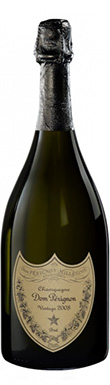
Dom Pérignon, (Magnum), Champagne, France, 2008
98
Pure gold of colour, temperament and inclination; resinous, rich and complex beyond peradventure; silky with a spicy backdrop, honied and taut, a wonderful weave of spellbinding contradiction. Chapeau, Messieurs!
2008
Dom Pérignon
Dom Pérignon, Champagne, France, 2008
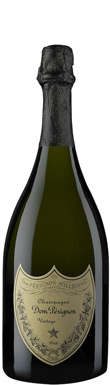

<p>Dom Pérignon is named after 17th-century Benedictine monk Dom Pierre Pérignon (1638-1715), who is said to have invented sparkling wine while cellarmaster at the Abbey...
2008
Dom Pérignon

Palmer & Co, Blanc De Blancs (Magnum), Champagne, France
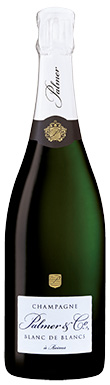
Youthful but sophisticated, with a subtle detail and dimension on the palate. Caramel and honeycomb with touches of marmite and toast.
Palmer & Co
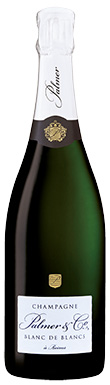
Palmer & Co, Blanc de Blancs Brut, Champagne, France
92
2017 was not an easy vintage for black grapes on the Montagne, but the Chardonnay from the Perle Blanche is in fine form in this consistent cuvée. It's ripe with sweet tones of yellow apple, white peach and nut oil riding on a clean, zippy palate, which is lightly smoky with reductive notes but approchably juicy and showing a lick of pineapple. A fine example of Montagne Chardonnay.
Palmer & Co
Collet, Blanc De Blancs Premier Cru (Magnum), Champagne, France
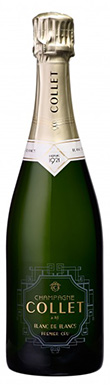
Bright fruit and silky textured, showing delicious balance between the toasty profile at the front and the chalky cadenza at the end of the palate.
Collet
Collet, Blanc De Blancs Premier Cru, Champagne, France
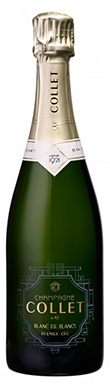
An attractive sea-breeze nose and a penetrating attack of minerally citrus and cream. Really invigorating and a lovely match with smoked fish. The blend is...
Collet
Drappier, Grande Sendrée Brut (Magnum), Champagne, France, 2008
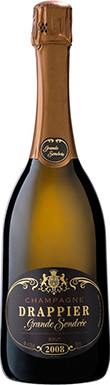
92
<p>Discrete yet persistent, the aromatics marry citric and red fruit, underlined by an assertive depth of fruit on the palate. Bold and ripe.</p>
2008
Drappier
Drappier, Grande Sendrée Brut, Champagne, France, 2008
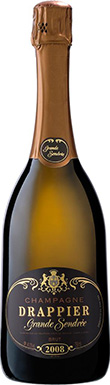
<p>Led by flavours of pears and Braeburn apples, with spice and beeswax behind the scenes. Lots of lees character.</p>
2008
Drappier
J Dumangin & Fils, Le Vintage Extra-Brut Premier Cru (Magnum), Champagne, France, 2004
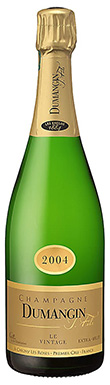
Complex and inviting, this magnum has a seductive aroma of gingerbread and brandy-snap. Will develop further with time.
2004
J Dumangin & Fils
J Dumangin & Fils, Le Vintage Extra-Brut Premier Cru, Champagne, France, 2004
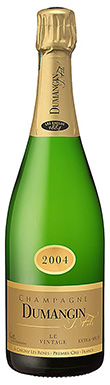
<p>Spring fruits on the nose, showing good evolution on the palate. Big in body and bold in fragrance, but well-structured.</p>
2004
J Dumangin & Fils
Piper-Heidsieck, Cuvée Brut (Magnum), Champagne, France
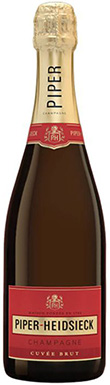
92
A nice interplay of reduction and savoury leesiness, with magnum texture and refinement. Very pleasant, an impressive construct.
Piper-Heidsieck
Piper-Heidsieck, Cuvée Brut, Champagne, France
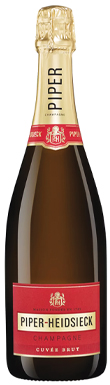
90
Piper-Heidsieck shoots for plenty of Pinot Noir-forward fruit, and the current Cuvée Brut succeeds with fresh strawberry, caramel biscuit and lemon peel ease, the palate lined with a plush digestive biscuit richness that sits nicely with just enough freshness and precision. One of the most reliable grandes marques at this level.
Piper-Heidsieck
André Jacquart, Experience Blanc De Blancs Extra Brut Premier Cru Vertus (Magnum), Champagne, France
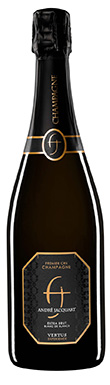
<p>Creamy nose with hints of toast and praline, showing real elegance on the palate. Full bodied, finishing with lovely fragrance and length.</p>
André Jacquart
André Jacquart, Experience Blanc De Blancs Extra Brut Premier Cru Vertus, Champagne, France

Toasty and full on the nose, with a very attractively old-fashioned palate. Floral notes complement the late orchard fruit.
André Jacquart
Charles Heidsieck, Brut Réserve (Magnum), Champagne, France
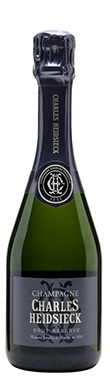
91
Contrasts creamy texture with zesty acidity and ripe fruit, feeling lively and vibrant overall. Accomplished and seductive in equal measure.
Charles Heidsieck
Charles Heidsieck, Brut Reserve, Champagne, France
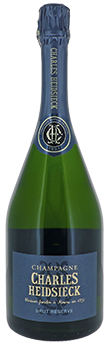
Even in the tricky 2017 vintage, Charles Heidsieck turns out an impeccable NV. The reserves form a serious, appetising core of dried apricot and sourdough...
Charles Heidsieck
Heidsieck & Co Monopole, Blue Top Brut (Magnum), Champagne, France
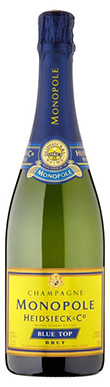
91
Elegant and upstanding , with a hint of oak in the background. Rich and balanced on the palate, with grapefruit skin on the finish.
Heidsieck & Co Monopole
Heidsieck & Co Monopole, Blue Top Brut, Champagne, France
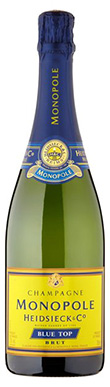
Elegant and mildly complex on the nose. Palate is clean and correct with hints of lime and nut, and a medium finish.
Heidsieck & Co Monopole
Philipponnat, Royale Réserve Brut (Magnum), Champagne, France, 2014
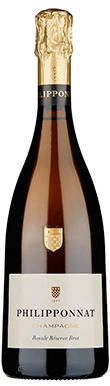
Classic aromatics of flowers, red and yellow fruits, spice and almonds. Shows a fine texture and prominent fruitiness.
2014
Philipponnat
Philipponnat, Royale Réserve Brut, Champagne, France, 2014
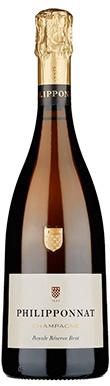
90
Lemon flesh on the nose, with ripe citrus incorporated into the mousse.The palate is very complete, with no rough edges.
2014
Philipponnat
Pierre Vaudon, Brut Premier Cru (Magnum), Champagne, France

<p>Attractive but restrained nose of praline, buttered bread and ripe nectarine. Distinguished palate; chalky and beautifully textured.</p>
Pierre Vaudon
Pierre Vaudon, Brut Premier Cru, Champagne, France
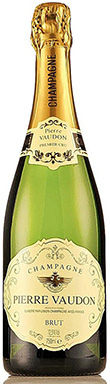
Savoury aromas of lees ageing, with more fruit on the palate than the nose. Silky in texture and refined in tone.
Pierre Vaudon
Pommery, Royal Brut (Magnum), Champagne, France
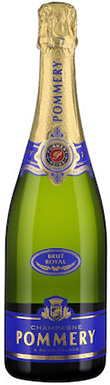
Focused and ripe, with a peachy fruit tone and a succulent balance of acidity. Notes of bread and nectarine, with a hint of orange.
Pommery
Pommery, Royal Brut, Champagne, France
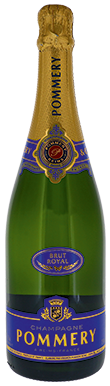
Seductive nose of verbena, plum and summer flowers. Lovely shortbread depth and buttery richness on the palate with impressive finish.
Pommery
Vincent d'Astrée, Brut Premier Cru (Magnum), Champagne, France
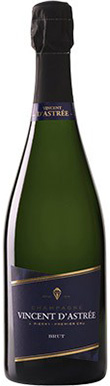
Creamy and full bodied, with a generous nose of praline and sour honey. Fresh, zesty acidity keeps everything nicely in focus.
Vincent d'Astrée
Vincent d'Astrée, Brut Premier Cru, Champagne, France
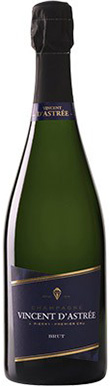
Led by bruised red apple flavours, followed by hints of praline and chocolate on the palate. Nice fruit definition.
Vincent d'Astrée
Delamotte, Blanc De Blancs Brut, Champagne, France
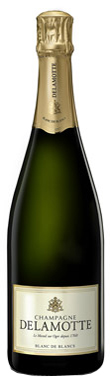
A benchmark entry-level non-vintage blanc de blancs in an effortlessly crisp, refined frame. Beautifully charred citrus, gunflint and sourdough aromas frame a gently persistent palate...
Delamotte
Delamotte, Blanc De Blancs Brut (Magnum), Champagne, France
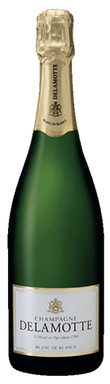
Fragrant and forward, with a nice interplay of ripe fruit and savoury leesiness.
Delamotte
Mailly, Berry Bros. & Rudd Brut Grand Cru, Champagne, France
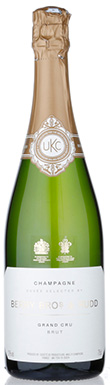
A very refined example, zesty and limey on the nose with supporting floral notes. Elegant palate, with great purity on the finish.
Mailly
Mailly, Berry Bros. & Rudd Brut Grand Cru (Magnum), Champagne, France
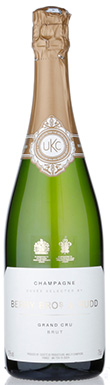
<p>Wonderful nose of brioche and roasted almonds, with refined notes of lees ageing. Energetic mousse and a long lasting finish.</p>
Mailly
Paul Goerg, Blanc de Blancs Brut Premier Cru, Champagne, France
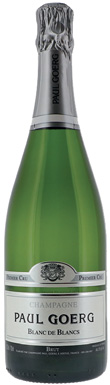
Attractive lemon mineral and roasted nut aromas, with a bready character and plenty of personality on the palate. Brigh, zesty fruit, and a good finish.
Paul Goerg
Paul Goerg, Blanc De Blancs Brut Premier Cru (Magnum), Champagne, France
Pleasant floral and exotic notes on the nose, with vibrant mineral undertones persisting on the palate.
Paul Goerg
Charlanne, Premium Brut, Champagne, France
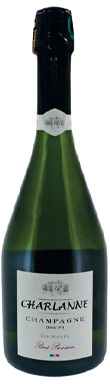
Notes of ripe pear and sweet melon, with exotic hints of green mango and jackfruit. Exuberant flavours, held in check by taut acidity.
Charlanne
Charlanne, Premium Brut (Magnum), Champagne, France
Evolution mixed with cooked bread on the nose, old school in style.
Charlanne
Mailly, Berry Bros. & Rudd Brut Grand Cru, Champagne, France, 2009
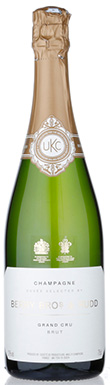
Ripe and generous on the palate, with a forward, loose-knit tone to the fruit and a tension and focus that persists throughout.
2009
Mailly
Mailly, Berry Bros. & Rudd Brut Grand Cru (Magnum), Champagne, France, 2009
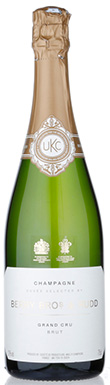
<p>Pear and stone fruit aromas leading on the nose, with crushed strawberry and chalk dust on the palate. Vivid and assertive.</p>
2009
Mailly
Yveline Prat, Sélection Blanc De Blancs Brut, Champagne, France
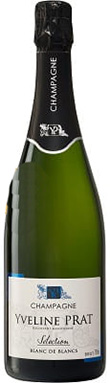
Stone-fruit notes of apricot and nectarine, along with flavors of green apple and citrus pith. Impressive and quietly individualistic.
Yveline Prat
Yveline Prat, Sélection Blanc De Blancs Brut (Magnum), Champagne, France
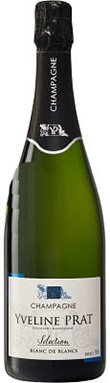
Ripe, tropical, a little pineappley. Buoyed by fresh acidity, showing nice definition and focus on the finish.
Yveline Prat
