Chile’s new wave white wines
Chile is better known for its red wines but, for decades now, the country’s whites have been undergoing a quiet revolution. The result is a raft of exciting styles and accomplished bottles that can stand proudly on the world stage


Do you know the feeling? You’ve got new shoes and your favourite jacket. You’ve had a good haircut. You step out into the street feeling confident and ready to take on the world… That feeling was everywhere I went, on my recent visit to Chile – winemakers brimming with enthusiasm; wines full of energy.
And nowhere was this confidence more on display than in the country’s white wines. Known generally as a source of reliable, wallet-friendly Sauvignon Blanc, Chile is now also home to terroir-driven Chardonnay, old-vine Semillon and Chenin Blanc, unusual varieties and exciting blends.
‘When I first visited the country and brought back wines to Oddbins’ shelves in 1988, the wine industry as we know it in Chile was just starting out,’ he says. ‘They had no idea of what modern wine tasted or looked like, but they did have good-quality, mostly Cabernet, grapes.’
Scroll down to see tasting notes and scores for 12 new wave Chilean white wines
White wine production was in its infancy. ‘Casablanca was being investigated as a potential source of quality white grapes and the first vines were in but not producing on a commercial scale,’ explains Daniel. ‘Leyda and San Antonio were not discovered from a wine perspective – nor were any of the higher-altitude or desert vineyards that are now used for quality white wine.’
The shift in Chile’s white wine scene has been motivated by a range of local and global factors. These include climate change, the exploration of new growing regions, a focus on old-vine heritage, changes in vineyard management and winemaking techniques – including a move away from overt oak use – and the rise of boutique producers.
Cooling influences
On the subject of climate, it’s worth pointing out that Chile is much cooler than you probably think – and its coolest regions are where white vines flourish. ‘People who don’t know Chile don’t know that we’re penguins,’ quips Tomás Rivera, viticulturist at Viña Leyda.
He’s talking about the Humboldt Current, which transports cold, sub-Antarctic water north along Chile’s Pacific coast. In a narrow coastal country like Chile, which averages only 177km east-west, the influence of the sea can’t be overstated.
Over time, vineyard plantings have crept ever closer to the ocean in order to take advantage of its cooling effects. ‘The explosion of coastal vineyards has been super-important in the boom of Chilean whites,’ notes Chile expert Alistair Cooper MW, DWWA judge and president of South America’s Catad’Or World Wine Awards.
Viña Leyda was a pioneer in Leyda, planting vines in 1998, releasing its first wine in 2001 and successfully petitioning for the creation of the Leyda Valley DO in 2002. There were only two other producers there when the DO started; now there are 10.
‘The signature of Leyda is high acidity,’ notes Rivera, whose vineyards are planted with Sauvignon Blanc, Chardonnay, Riesling and Sauvignon Gris. ‘I really like Sauvignon Gris – it has a lot of potential. But Riesling is our challenge – no one knows about Riesling in Chile,’ he says.
His Riesling, planted on granitic soils and cooled by Pacific fogs, has vibrant linear acidity. Northwest of Leyda – and even closer to the sea – is the tiny Lo Abarca DO. Casa Marín is the only producer here; its founder, María Luz Marín, Chile’s first female winemaker, planted her vineyard just 4km from the Pacific, against the advice of other wine professionals but with a firm belief in the potential of cool-climate wines in Chile. Her faith was vindicated when her Sauvignon Blanc 2004 gained international recognition with a DWWA Gold medal.
‘We are one of the coolest vineyards in Chile – cooler than Leyda – and all of our wines show you coolness,’ notes Marín. What’s the signature of Lo Abarca? ‘Whites carry a silty character on the palate… And the wines age really well. We never have to acidify in the cellar – that’s why the ageing potential is so high.’ Indeed – that award-winning 2004 Sauvignon is tasting beautifully 20 years on.
Marín’s son Felipe is now in charge of winemaking, a generational change that has brought with it a stylistic shift that’s being mirrored all over Chile. ‘When Felipe arrived, he wanted wines with less alcohol, so we pick earlier,’ Marín explains. ‘I used to have a consultant from the US and the style was bigger, with higher alcohol. It’s now more delicate.’

Places not grapes
This general refinement of style has gone hand-in-hand with a better understanding of the unique terroirs that can be found across Chile.
‘Twenty years ago, we were looking for more commercial styles. In the last 10 years, there’s been
more of a focus on precision and finding a sense of place,’ explains Marcelo Papa, technical director at Concha y Toro. His top white, ‘Amelia’, from Limarí – Chile’s first ultra-premium Chardonnay – is a case in point.
One of the first to plant vines in the region, Papa has worked in Limarí since the 1990s, the style of his wines evolving as the vines matured and he gained a better understanding of the terroir. The Quebrada Seca vineyard is planted in four roughly 2.5ha blocks, 22km from the Pacific, on clay-calcareous soil.
‘Limarí is cool climate, but it’s cloudy, so there’s less sunlight. We have a similar number of degree days to Burgundy and Oregon,’ he adds. These conditions enable him to make ‘a very classic style of Chardonnay’ in the Burgundian mode.
He believes that regionality will become increasingly visible in Chile’s whites. ‘In 20 years’ time, people will be talking about places in Chile – regions – not grape varieties,’ he predicts.
‘People are looking for wines of site now, not wines of style,’ agrees Guillermo Calderón at Casas del Bosque in Casablanca – a DO that was pioneered by the influential Pablo Morandé for white wines.
‘Chile is moving towards pursuing its own identity. For a long time, we were trying to produce other styles, looking towards other regions… Now we are getting local identity for our wines.’

Going to extremes
The search for a unique identity has led winemakers to explore ever more diverse areas, venturing to the dramatic glacial landscapes of Patagonia in the deep south’s Austral region. Pioneers here include Casa Silva, the first to plant vines in Futrono, 904km south of Santiago, on volcanic slopes above Lago Ranco, in 2006.
The inaugural vintage of its Lago Ranco Riesling was released in 2016. The latest vintage reveals the potential of these maturing vines along with further proof that, in the right site, Riesling has a bright future in Chile.
Even closer to the Antarctic, Miguel Torres Chile has experimental plantings in Puerto Ibáñez and Puerto Sanchez near lake General Carrera. ‘Here there is a microclimate where temperatures are more moderate, with less extremes, without snow,’ says technical director Eduardo Jordán. ‘The biggest problem is the wind, so vineyards have to be protected with nets or natural protection with tree lines.’
The producer is still in the process of searching the region for the most suitable sites for placing the vineyards, he adds: ‘But we’re sure that this part of Chile has an important potential, especially given the climate change that has opened barriers unthinkable in recent years.’
Viña Ventisquero also has plantings near lake General Carrera. Its vineyards in Chile Chico sit at 46° 33’ latitude, in contrast to its plantings at the opposite end of the country, 690km north of Santiago at 28°S in the Atacama, the most arid desert on Earth.
‘It hasn’t rained here in the last 50 years!’ notes senior winemaker Alejandro Galaz. The Tara wines he makes from Atacama with head winemaker Felipe Tosso vividly display a sense of place.
Limestone soils, a rarity in Chile, produce Chardonnay and Sauvignon Blanc with a mineral profile. However, viticulture was made more complex by the soil’s high salinity levels. ‘These soils are very old – millions of years ago they used to be under the sea – so there’s a large amount of salt,’ explains Galaz.
The initial plantings, made in 2008, failed; the problem was solved by installing individual sprinkler irrigation for each vine. Fog rolling in from the ocean 30km away and a significant diurnal temperature difference ensure that the grapes retain high natural acidity. ‘The increasing age of the vines has made a difference. We are understanding the vineyard much better now.
The character of the place doesn’t allow us to do much with the wines – they have to express themselves,’ concludes Galaz.
Back to the future
Alongside the innovation of these fairly recent plantings, there has been renewed interest in the heritage of Chile’s old vines in its historic growing
regions.
‘Main viticulture in Chile started in the 16th century in Itata,’ explains Jordán. The oldest vineyards were planted by Jesuit missionaries between the coastal range and the ocean. ‘I like Itata a lot. Everything is bush vines, dry farming; soils are slate, granite, loam, clay.’
Soil specialist Pedro Parra, known as ‘Dr Terroir’, was thinking about relocating from his native Chile to Chianti in Tuscany until he tasted wines from Itata.
‘You always ignore what’s on your doorstep,’ he admits ruefully. ‘Itata is the least Chilean place in Chile. It reminds me of Barolo with its round hills. There’s no irrigation, nothing industrial, and old vines.’ He explains that the high iron content in the soils – ‘like Burgundy’ – contributes to the particular character of wines produced from these old vines.
Also like Burgundy, vineyards here are planted in a patchwork of small plots, often owned and worked by the same families for generations.
Along with neighbouring Bío Bío, Itata was home to more than 75% of Chile’s vineyard area in the early 19th century. But as the Central Valley rose to prominence from the mid-20th century, these southern vineyards were largely forgotten.

Looking southwards
Concern for the environment sparked renewed interest, as unpredictable weather patterns and water scarcity prompted many to rethink both the location of vineyards and the viability of the location of vineyards and the viability of conventional farming.
The traditional dry-farmed vineyards of Itata and Bío Bío are more resilient to water shortages – though sadly they’re not immune to all of climate change’s effects, as the devastating wildfires of 2023 proved.
Moscatel de Alejandria and Semillon are the signature whites in Itata and Bío Bío, with many ungrafted centenarian vines. Encouragingly, much is being done to preserve them – both by boutique producers such as Itata pioneer Leo Erazo, who put the region back on the map, and by larger companies such as Santa Carolina, which has collected massal selections (cuttings from the estate’s best stock) of old vines in its Bloque Herencia vineyard.
‘When vineyards in Itata were devastated by wildfires, Santa Carolina could give growers massal selections of old vines to replant,’ says head oenologist Alejandro Wedeles.
Renewed interest in heritage grapes has brought with it a return to traditional techniques. For whites, this means skin contact and the use of using large old tinajas to age its Itata whites.
‘The tinaja tends to give some earthy clay notes, but largely it’s neutral,’ explains winemaker Nicolás Pérez. ‘The idea with the tinaja wines is to show purity of fruit but with a sense of place.’
In the mix
Traditional field blends from Itata – such as Erazo’s Rogue Vine Grand Itata Blanco, made from Moscatel, Riesling and Semillon planted in a dry-farmed vineyard in 1922 – show a different side to Chilean wine.
Indeed, some of the most exciting whites I tasted for this article were blends. They range from Santa Rita’s Floresta field blend of Semillon, Sauvignon Vert, Moscatel, Torontel and Corinto, to Valdivieso’s inaugural Caballo Loco Blanco, a daring mix not only of grapes but of regions and vintages.
‘It only took me seven years to put it together,’ jokes Valdivieso head winemaker Brett Jackson, who was inspired by the slowly oxidised style of aged white Riojas.
The blend includes Moscatel de Alejandria from Itata. ‘Moscatel de Alejandria is a tough call,’ he says. ‘It has this phenolic edge. But if you put it into barrel for four years, the tannins disappear and it becomes so rich, with oxidative characters.’
Also pushing the envelope for Chilean blends is Pablo Morandé Junior, winemaker at Bodegas RE, a boutique winery set up with his famous father and siblings in Casablanca in 2008. Its experimental wines include Chardonnoir, a white blend of Chardonnay and Pinot Noir.
‘We’re making new styles of wine; new for Casablanca and new for Chile,’ he says. ‘We blend wines, we blend names. We’re trying to make different wines to show other producers – to show that Chile has the potential for white blends.’
Meanwhile, in Maule, Viña Morandé planted Marsanne and Roussanne in Melozal in 2013. Chief winemaker Ricardo Baettig blends the fruit with Viognier from Casablanca to create his Rhône blend Bestiario, which is fermented and aged in concrete eggs.
‘Experiences in Europe led us to appreciate the potential of the Chilean climate with Mediterranean varieties,’ he explains. ‘We opted for unconventional varieties in Chile, such as Marsanne, Roussanne and Viognier, to highlight their potential and their ability to create an exceptionally complex and distinctive white wine.’
Baettig believes Rhône grapes could have a future in Chile. ‘In these 10 years managing vineyards of these varieties, we have learned a lot about better interpreting their characteristics. The future looks very promising!’
Although white plantings only account for 34,016ha of Chile’s total vineyard area, compared with 95,000ha for reds, Baettig is confident of the potential. ‘Beyond Chardonnay and Sauvignon Blanc, Semillon is interesting, and also Chenin Blanc in Itata, grafted onto old País vines, is showing good results,’ he says.
Ventisquero’s Tosso agrees. ‘There is a lot more potential for whites in Chile. It’s easier to sell Sauvignon Blanc and Chardonnay from Chile, but there’s room for other varieties,’ he says.
Meanwhile, styles of Sauvignon and Chardonnay continue to be fine-tuned. ‘In terms of quality, Sauvignon Blanc has more potential to express its terroir. There are more terroirs in Chile that suit Sauvignon Blanc; fewer for Chardonnay. But Chardonnay quality has increased big time.’
Importantly, Chile is now making serious whites that can age. ‘It’s a challenge for Chilean whites, because consumers think of young whites from Chile,’ notes Jordan of Miguel Torres. But it’s time to rethink, tune into Chile’s optimism and explore the exciting whites on offer.
Chile’s new whites: 12 to explore
Related articles
Concha y Toro, Amelia Chardonnay, Limarí Valley, Chile, 2021
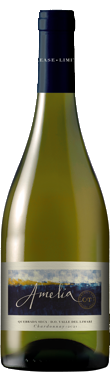

Fresh, with saline and sea shell notes, it's also deep and concentrated, layered with citrus, hints of stone fruit and a subtle tropical signature. From the cool Quebrada Seca vineyard, 22km from the Pacific Ocean, Concha y Toro's top Chardonnay has a vivid sense of place. Fermented and aged in barrels (just 10% new) the oak adds richness and cedar spice. Linear acidity lends tension to the creamy mineral palate, with mouthfilling texture and great presence on the tangy, salty finish.
2021
Concha y Toro

Longavi, Cementario, Maule Valley, Chile, 2021
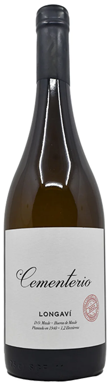
Chenin Blanc was grafted onto centennial País vines on granite soils to produce this complex, characterful wine. A year on fine lees in old French oak adds texture to the deep palate, with oily richness that's countered by vibrant acidity. Layered herbal and citrus notes, plus hints of spice and terrific persistence on the long, satisfying savoury finish. Longavi is a joint venture between Chile's Julio Bouchon and South African David Nieuwoudt, working with old dry-farmed vineyards in Maule.
2021
Longavi
Valdivieso, Caballo Loco Blanco Number 1, Multi-appellation, Limarí Valley, Chile

Complex and harmonious aromatics: floral, tropical, toasted coconut, nougat and pineapple, with marmalade notes developing. The palate is rich but vibrant, with unfolding layers of flavour – buttery citrus, fresh pineapple, spicy orange peel, stone fruit and mandarin, with floral notes weaving through and savoury toastiness on the long finish. A mix of vintages, varieties and regions, this is the inaugural white Caballo Loco release. It's mostly Limari Chardonnay, with Pinot Gris, Muscat, Semillon, Moscatel de Alejandría and Viognier contributing the blend. Taken from the 2017, 2018, 2019 and 2020 vintages, varietal components are aged separately in a variety of vessels before blending. An impressive debut.
ValdiviesoMulti-appellation
Viña Ventisquero, Tara Chardonnay, Atacama, Chile, 2021
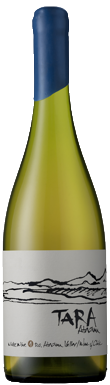
An impressive example of extreme winemaking from Chile's arid Atacama desert. Vines planted on alluvial soils near the Huasco river benefit from Pacific fog, creating a wine of purity, salinity and minerality. Elegant, smooth yet weighty palate; delicate citrus and pineapple fruit, honeyed, creamy notes balanced by nervy acidity and a delicious saltiness. 'This is still very young,' notes winemaker Felipe Tosso.
2021
Viña Ventisquero
De Martino, La Blanca Semillon, Isla de Maipó, Maipo Valley, Chile, 2021
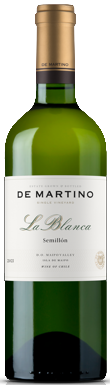
Herbal and citrus aromas, with hints of honey, nuts and spices. In the glass, preserved lemon, grapefruit, apple and pineapple fruit marries seamlessly with savoury notes; creaminess from time on lees is balanced by brisk acidity, with mineral purity on the long finish. From a single vineyard planted in 1979, this gem of a Semillon is fermented and aged in neutral oak to preserve its varietal expression. Will continue to evolve in bottle.
2021
De MartinoIsla de Maipó
Santa Rita, Floresta Field Blend Blanco, Apalta, Colchagua Valley, Chile, 2021
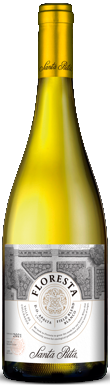
Aromas of dried orange peel, camomile, green apple, preserved lemon and fresh herbaceousness. The textured palate is underpinned by crisp acidity and layered with tangy orchard fruit, ripe lemon, dried orange peel and grapefruit, with a slight waxiness and hints of mandarin and bergamot. Salinity and super freshness on the finish. A characterful field blend of dry-farmed Semillon, Sauvignon Vert, Moscatel, Torontel and Corinto from top winemaker Sebastian Labbé.
2021
Santa RitaApalta
Morandé, Adventure Bestiario, Maule Valley, Chile, 2022
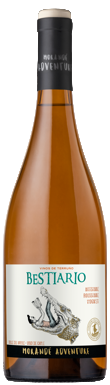
Enticing honeyed, floral aromatics with lime and pink grapefruit citrus, stone fruit and spices. Impressive depth and texture to the palate, but also plenty of freshness, with herbal, citrus, honeyed and nutty notes, plus delicious saltiness and electrifying acidity on the finish. Part of Morandé's experimental range, this engaging blend of Marsanne and Roussanne, with 10% Viognier from cool Casablanca, has six months of skin contact and spends nine months in concrete egg.
2022
Morandé
Casa Marín, Estero Vineyard Sauvignon Gris, Lo Abarca Valley, San Antonio, Chile, 2023
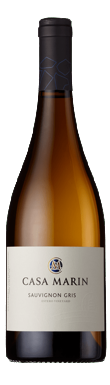
An ashy smokiness to citrus aromas; the palate seduces with its fresh lemon, pink grapefruit, white peach and hint of florality before a crisp, clean, mineral finish. Pink-skinned Sauvignon Gris fell out of favour in its native France post phylloxera, but has found a happy home in Chile's cool coastal Lo Abarca DO. Partly fermented in stainless steel and French oak, where it stays for seven months, adding a creamy generosity to the mid-palate. Great for seafood!
2023
Casa MarínLo Abarca Valley
Viña Leyda, Neblina Riesling, Leyda Valley, San Antonio, Chile, 2022
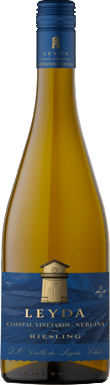
Better known for its Sauvignons and Pinots, Leyda also makes this accomplished Riesling, illustrating the potential of the variety in Chile in the right sites. 'Neblina' – meaning fog in Spanish – is the name of the cool coastal vineyard, just 4km from the Pacific, that produces this bone-dry, mineral wine with rapier-like acidity. Classic petrol character, joined by aromas of lime zest and tightly woven layers of citrus, custard apple, honey and grapefruit pith on the juicy palate.
2022
Viña LeydaLeyda Valley
Rogue Vine, Grand Itata Blanco, Itata, Bío Bío Valley, Chile, 2022
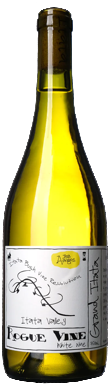
This engaging blend of Moscatel, Riesling and Semillon comes from a steep granitic hillside vineyard planted in 1922, 18km from the Pacific. Fermentation and ageing in concrete allows for expression of the site's natural freshness and minerality. Aromatic, fresh and very elegant, with zesty acidity and notes of citrus, dried orange peel and Biscoff on the long palate. Poised but not pretentious. Leo Erazo and American Justin Decker champion old bush vines in the historic Itata Valley.
2022
Rogue Vine
Bouchon, Granito Semillon, Maule Valley, Chile, 2022
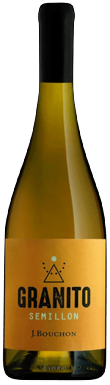
The oak lends generosity to the palate, balanced by Pacific freshness, with a clean seam of acidity and mineral character. Savoury layers of roasted nuts and nougat combine with creamy citrus and pear, leading to a precise, long finish with liipsmakcing salinity. Named for its granite soils, this Semillon is made from dry-farmed bush vines planted in the 1940s and aged part in foudres, part in French oak barrels for 14 months.
2022
Bouchon
Casa Silva, Lago Ranco Riesling, Austral, Chile, 2022
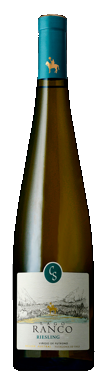
Thrilling acidity is balanced by 5.4g residual sugar, creating a juicy wine that's still distinctively mineral, with clean citrus and apple fruit, naturally lower in alcohol. Casa Silva planted its Lago Ranco vineyard in Chilean Patagonia in 2006, creating the Austral DO. As they mature, the vines are revealing their potential, producing this classic cool-climate Riesling that would stand up to rivals from the Mosel Valley.
2022
Casa Silva
