
Cloudy Bay: Producer profile and latest releases


Amy Wislocki charts the rise of Cloudy Bay from plucky 1980s pioneer to one of New Zealand's best known wine producers, and reviews the latest releases.
Cult winery Cloudy Bay helped to drive New Zealand wine exports in the 1980s and 90s, but it really proved its mettle with the introduction of Te Koko, a pioneering oaked style of Sauvignon.
Scroll down for the tasting notes on Cloudy Bay’s latest releases
By New Zealand’s standards, cult Marlborough winery Cloudy Bay is part of the old guard, established in 1985 by David Hohnen, who was already famous for founding Cape Mentelle in Western Australia’s Margaret River.
Hohnen took out a high-interest bank loan to secure several key vineyard sites in the Marlborough region, and started to make a name for the winery with its Sauvignon Blanc.
Its brand recognition (is there a wine drinker anywhere who hasn’t heard of Cloudy Bay?) is largely explained by the fact that it was one of the first New Zealand wines to be exported, making a name for itself with its pronounced, fruit-forward character compared to the typically more restrained French Sauvignon Blancs that consumers were used to at the time.
The winery went on to pioneer a distinctive, more textured style of Marlborough Sauvignon Blanc in 1996 – Te Koko.
Fermented by wild yeasts and aged in old French oak, early vintages were ‘all about malolactic fermentation, oak and ripeness,’ explains Tim Heath, senior winemaker at Cloudy Bay.
In 2010 a change of direction saw the oak influence being reined in, for the better.
Cloudy Bay’s founding winemaker Kevin Judd left in 2009 to establish a new winery, Greywacke – six years after Cloudy Bay was bought by luxury goods firm LVMH (Louis Vuitton Möet Hennessey).
Today the company also produces a Chardonnay, and two Pinot Noirs from two vineyard sites in Central Otago.
The company is cagey about Cloudy Bay’s production volumes, but states that its Sauvignon Blanc accounts for 65% of production; the Te Koko for 5%; then 10% each for sparkling wine Pelorus, the Chardonnay and Pinot Noirs.
Latest Cloudy Bay tasting notes:
Related content:

Premium New Zealand Sauvignon Blanc – panel tasting results
Is Marlborough still at the front of the pack? Read the Panel Tasting results to find out...

New pastures for New Zealand Sauvignon
Cloudy Bay, Pinot Noir, Marlborough, New Zealand, 2015
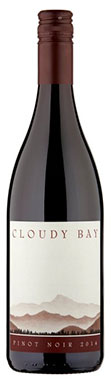

This is a lovely expression of Pinot, displaying a savoury red fruit nose with bacon and spice. Really juicy and vibrant, the elegantly structured red...
2015
Cloudy Bay

Cloudy Bay, Pelorus Rosé, Marlborough, New Zealand
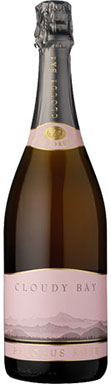
Made using the traditional method, and with older reserve wines adding interest, this is an elegant copper tinted colour, with the same restraint following through...
Cloudy Bay
Cloudy Bay, Te Koko, Marlborough, New Zealand, 2014
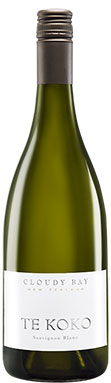
Anyone who thinks there's only one style of Marlborough Sauvignon Blanc will have their eyes (nose and tastebuds too) opened by this more intellectual –...
2014
Cloudy Bay
Cloudy Bay, Sauvignon Blanc, Marlborough, New Zealand, 2017
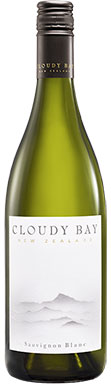
Marlborough growers had to be on the ball in the vineyard in 2017, a challenging vintage that was wetter than usual. Senior winemaker Tim Heath...
2017
Cloudy Bay
