
Exciting Chilean wines: Colchagua producers to watch


Known for its Carmenère vineyards, Colchagua is home to some of Chile’s biggest names in wine. Alistair Cooper MW highlights the rising stars to keep an eye on – plus his top 12 wines to try, available exclusively to Premium members.
The crackle of excitement in the air was palpable amid the sound of popping corks and clinking glasses. In central Santa Cruz, 30 Colchagua-based micro-producers had gathered to showcase their wares.
‘People think that interesting small producers are only found in the south of Chile, in Itata and Maule, and that Colchagua is merely home to the glitzy, big producers,’ says my host and the event organiser, Francisco Zúñiga, a passionate local sommelier.
‘This is not the case. Colchagua is the most exciting region in Chile right now, teeming with innovation and experimentation.’ Following the tasting, and several days visiting producers of all sizes, it’s hard to argue with this claim.
Scroll down for Alistair Cooper MW’s top wines from Colchagua
Colchagua at a glance
Area in production Vineyard plantings have grown from 8,000ha in 1997 to over 30,000ha in 2017. The Rapel Valley (Colchagua and Cachapoal) produces over one-quarter of Chile’s total volume
Climate Mediterranean, with 600mm of annual rainfall between May and August
Capital While San Fernando is the provincial capital, Santa Cruz is the unofficial wine capital and the home of La Ruta del Vino, Chile’s oldest tourist wine route
Red grapes Most widely planted are Cabernet Sauvignon, Carmenère, Merlot and Syrah
White grapes Chardonnay and Sauvignon Blanc dominate white plantings
Best recent vintages 2011, 2013, 2017
The sub-region of Colchagua is 160km or so south of Santiago. Together with Cachapoal to the north, they form the region of Rapel. Like other regions in Chile, Colchagua has a rich, Hispanic-derived wine culture going back to the 17th century, when País, Moscatel and Torontel vines were first planted in coastal Colchagua. Wine production was consolidated under a wave of immigration from the Basque Country in the 18th century, with vines planted in Peralillo, Colchagua’s heartland. It was here that the Domaines Barons de Rothschild estate, Los Vascos (meaning ‘The Basques’), would later be established in 1988.
French varieties, predominantly Cabernet Sauvignon, Carmenère, Malbec and Semillon, arrived at the turn of the 20th century and built a good reputation. Land reforms in the 1960s and 1970s slowed regional growth, and Colchagua’s extraordinary boom has only occurred over the past 20 to 30 years, led by many of Chile’s most illustrious names, including: Lapostolle, Los Vascos, Montes, Ventisquero, Casa Silva and Viu Manent.
With its Mediterranean climate and 600mm annual rainfall, Colchagua is fundamentally a red wine region. Typically, the wines have been fleshy, ripe and opulent with rounded tannins and moderate acidity – at times a little flabby and over-extracted. Encouragingly, a host of producers have been focusing on freshness and drinkability in recent years.
Colchagua, along with Cachapoal, is the traditional heartland of Carmenère. Undoubtedly, the region is capable of producing some of Chile’s finest examples of this late-ripening variety. ‘Site is key for Carmenère. While you need warm areas to achieve phenolic ripeness, moderating influences help retain freshness and purity, and prevent over-ripening and overly alcoholic, jammy wines,’ explains Arnaud Frennet, commercial director of Casa Silva, whose estate is planted in the Andean foothills near San Fernando. ‘This may be diurnal temperature difference, or as we have in our Los Lingues estate, a cooling mountain breeze from the Andes. This means we can achieve ripe, spicy Carmenères with a beautiful freshness behind them.’
Spotlight on Apalta
Colchagua’s most famous terroir is undoubtedly Apalta. This stunning horseshoe-shaped valley rises with steep hills in the east, west and north, and flatter land sloping towards the Tinguiririca River. ‘Apalta is unique, with its south and southeastern hillside exposure key to quality. The vines are protected from several hours of afternoon sunlight, creating fresher conditions for the vines,’ says Andrea León, technical director and winemaker of Lapostolle.
The soils in the majestic amphitheatre of Apalta are generally well drained and a mixture of volcanic, decomposed granite and silex. This mosaic of soils has seen a host of grape varieties show superb results, as Felipe Tosso, chief winemaker of Viña Ventisquero explains. ‘While Apalta started with Cabernet, the development of warmer varieties like Petit Verdot, Mourvèdre and Grenache is notable. Also, for us, Syrah and Carmenère from our highest Apalta vineyards produce our top wines Vertice and Pangea.’
Vineyards in Apalta are among the most expensive in Chile and produce many of the country’s iconic wines including Clos Apalta, Montes Alpha M, Montes Folly and Ventisquero’s Pangea. Yet there is more to Colchagua than just icon wines – a host of small producers experimenting with new techniques, grape varieties and new areas are beginning to make waves.

The innovators
The area of Marchigüe, 38km from the Pacific Ocean, was first planted in the mid-1990s, and its cooler, coastal-influenced site has produced superb Syrah and Carmenère over the years. Nearby in Santa Ana, one of Colchagua’s most vibrant, eclectic and quirky winemaking communities is starting to surface. ‘We’re one of five small-scale wine producers, all located 500m away from each other. Within four years there will be at least another four, maybe five,’ explains Matt Ridgway of La Despensa winery.
‘I’m English, and we have Bolivians, Malaysians, Spanish, Americans, Italians, Chileans, Portuguese and more. It’s a community of friends, all working towards high-quality, small-production organic wines,’ he adds. La Despensa currently focuses on Rhône varieties, producing a juicy Syrah-Grenache blend, with Roussanne and Cinsault on the way. Two noteworthy neighbours already producing sublime wines include Clos Santa Ana and Beso Negro.
The development of coastal vineyards in Chile has been a significant feature in recent years. The quest for freshness and cool-climate sites in Colchagua has seen Paredones prosper. Just 6km from the coast, on rolling hills of decomposed granite with a high quartz content, these deep soils are producing some of Chile’s finest Sauvignon Blancs.
The best examples are from Estampa, Koyle (Costa Cuarzo Sauvignon Blanc) and Casa Silva (Cool Coast Sauvignon Blanc). Syrah and Pinot Noir plantings also show promise. One of the most exciting wines from Paredones is Semillon 1928 Vines by Maturana Wines. Sourced from vineyards planted in 1928 and boasting six months’ skin contact, this shows just how good Chilean Semillon can be.

Problems and promotion
When discussing problems facing Colchagua, a common theme arises. ‘By far the biggest weakness is water,’ says Ventisquero’s Tosso. ‘The Tinguiririca River is an important resource. However, there are areas far away with no river access.’ Montes has reduced water consumption by 65% on its Apalta estate by switching to sustainable dry-farming.
Export manager Dennis Murray explains: ‘We irrigate minimally, only when required. Covering rows with wood bark has seen a 19% water saving, and the use of a shorter canopy a further 13% reduction in water usage.’
Tourism has played an important part in Colchagua’s development, being the first Chilean region to develop a tourist route with La Ruta del Vino in 1996. Some of Chile’s great boutique hotels – such as Viña Vik and Clos Apalta Residence – are found here, and the region’s gastronomic offerings are rapidly improving. Santa Cruz, with its wine museum, wine festival and casino, has long attracted visitors. Alongside this, Chile’s premier surf spot, Pichilemu, attracts vast numbers of both domestic and international tourists, offering a captive market for producers to exploit.
Yet, in a historically introspective society, perhaps the greatest development is that of camaraderie; the sharing of knowledge and cooperation among winemakers, both new and established. ‘We winemakers are good friends, we share what we’re doing,’ says Lapostolle’s León. ‘We taste together, discuss together – and being not so close to Santiago
we are more connected to nature. That is key to making interesting wines.’ The welcome addition of a vibrant cohort of young producers to complement Colchagua’s existing order has truly transformed the region, and I expect great things to come over the next decade.
Colchagua: six names to watch
Beso Negro
A venture between Kiwi winemaker Grant Phelps (ex-Viu Manent and Casas del Bosque), Princess Tunku Soraya Dakhlah of Malaysia and her husband Sharif Majid (who bought land here a decade ago), plus business partners. Two wines are currently made from differing blends of Carmenère, Petit Verdot and Petite Sirah: El Libertino and El Decadente. They are full-bodied and powerful yet with real elegance.
Clos Santa Ana
Luiz Allegretti and Roberto Ibarra’s young organic project is already producing stunning wines. The talented duo of Luca Hodgkinson and José Miguel Sotomayor (‘the Wildmakers’) are consultants, with three wines currently produced. Old foudres made of raulí (a type of beech wood) and amphorae are used for fermentation and the wines are unfiltered. The flagship is Aralez, a blend of Carmenère, Cabernet Sauvignon, Cabernet Franc and Malbec; while Velo is a flor-aged, old-vine blend of Pinot Noir, Chardonnay and Riesling.
Fanoa
Raúl Narvaéz and Angeles Ovalle bought 11ha in 2009 in Palmilla, 8km north of Santa Cruz, but didn’t plant until three years later so they could get biodynamic certification. Just 2.3ha are under vine – mainly Malbec and Carmenère – yet they are experimenting with Sangiovese, Tempranillo, Grenache and Carignan among others. Fanoa’s aim is to produce fresher styles, with little or no oak used in the winemaking. Currently it produces the Seis Tintos blend, plus a Sangiovese and Malbec – all show great promise.
Koyle
Founded in 2006 by the Undurraga family in Los Lingues, in the Andean foothills. Thanks to head winemaker Cristóbal Undurraga, great purity shines throughout the range, and the coastal project in Paredones is producing compelling Sauvignon Blancs under the Costa label. Koyle makes excellent-value Syrah, while the premium Auma is a muscular blend of Carmenère, Malbec, Merlot, Cabernet Sauvignon, Cabernet Franc and Petit Verdot. It also has an excellent Muscat and Cinsault from Itata under the Don Cande range.
OWM
Own Wine Makers was founded in 2009 by cousins Jaime Núñez (viticulturist) and José Antonio Bravo (winemaker). Today they make five wines – a total of 20,000 bottles. Carmenère, Petit Verdot, Syrah, Petite Sirah and Cabernet Sauvignon are the main focus. The wines are classically Colchagua: ripe, succulent, deep and brooding but with great focus and acidity.
Viu Manent
Under head winemaker Patricio Celedón, Viu Manent has pushed towards lighter styles over the past five years, picking earlier and using older foudres and less new oak. It owns 254ha over three sites in Colchagua, and Malbec is a focus, though the ViBo Punta del Viento GSM blend is worth seeking out.
Alistair Cooper MW’s top wines from Colchagua
Alistair Cooper MW spent years working for wineries in Argentina and Chile. He is a regular Decanter contributor and judge, and the resident wine expert for BBC Radio Oxford
How to join Decanter Premium
Estampa, DelViento Syrah Rosé, Paredones, Colchagua Valley, Chile, 2017
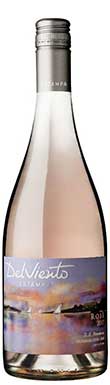

Very pale salmon pink, with enticing and subtle red fruit aromas. Firm and racy acidity on the palate, with a beautiful hint of pepper and...
2017
EstampaParedones

Lapostolle, Clos Apalta, Apalta, Colchagua Valley, Chile, 2015
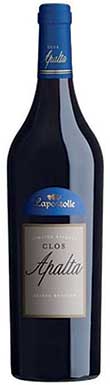
Intense aromas of baked earth, liquorice, spice, cassis and blueberry. Tightly wound, rich palate which is sleek, polished and shows fine-grained tannins. This opulent and...
2015
Lapostolle
Clos Santa Ana, Aralez, Colchagua Valley, Chile, 2015
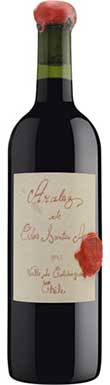
A very attractive nose, with pure aromas of cedar spice, damp tobacco and a subtle hint of pyrazine. The ripe, dark fruits on the palate...
2015
Clos Santa Ana
Fanoa, Seis Tintos, Colchagua Valley, Chile, 2016
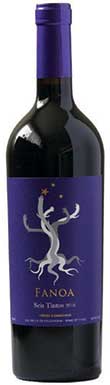
A blend of six grapes: Carmenère, Malbec, Petite Sirah, Carignan, Tempranillo and Cabernet Sauvignon. Pure graphite, cassis and bramble fruit aromas. Medium-bodied, seductive and soft,...
2016
Fanoa
Javiera Ortúzar, Después de la Lluvia, Colchagua Valley, Chile, 2016
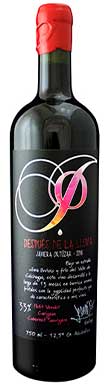
A delightfully refreshing, light and fresh blend of Petit Verdot, Carignan and Cabernet Sauvignon, from this energetic young producer. Vibrant and juicy style, with a...
2016
Javiera Ortúzar
Viña Ventisquero, Pangea Syrah, Apalta, Colchagua Valley, Chile, 2013
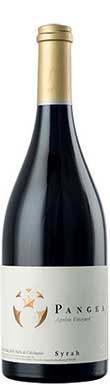
Made with Australian consultant John Duval. Tight nose of black fruits, plums and blueberries. A dense core of fig, Christmas cake spices and dark chocolate,...
2013
Viña Ventisquero
Villalobos, Carignan Reserva, Lolol, Colchagua Valley, Chile, 2014
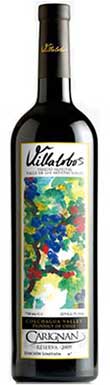
From a wild, uncultivated vineyard, this is purity in a glass! Stunning floral nose of roses and violets, followed by a fresh and mouthwateringly juicy...
2014
Villalobos
Viu Manent, Viu 1, Colchagua Valley, Chile, 2013
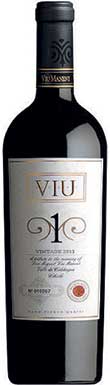
Cigar box and dried fig aromas on the nose, along with a dash of violets. The brooding and dark palate shows forest fruits and boasts...
2013
Viu Manent
Lapostolle, Collection Petit Verdot, Apalta, Colchagua Valley, Chile, 2015
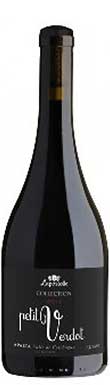
Deep graphite aromas, dark plum and mulberry with a hint of violet. Dense mouthfeel, with lifted balsamic notes and superbly sculpted fine tannins. Excellent acidity...
2015
Lapostolle
Montes, Outer Limits Wild Slopes, Apalta, Colchagua Valley, Chile, 2016
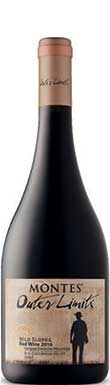
Carignan, Grenache and Mourvèdre. Wild dark fruit and spice dominates the lively nose. There’s a rounded mouthfeel on the palate, along with zippy acidity and...
2016
Montes
Beso Negro, El Decadente, Colchagua Valley, Chile, 2015
A full-throttle blend of 63% Carmenère, 28% Petit Verdot and 9% Petite Sirah. A seductive nose of tobacco spice, graphite and Chinese five spice. The...
2015
Beso Negro
