
Dalmatia Rising: A wine renaissance on the Croatian coast
With winemaking roots that date to the ancient Illyrians, Dalmatian wine culture thrived across eras and empires. As a new generation takes up their forefathers' mantle, modern takes on the region's myriad indigenous and historical varieties are raising the bar, and the profile of Dalmatia. As DWWA medals and scores can attest, the wines of Dalmatia are on the rise, North American Editor Clive Pursehouse paid the region a visit.


Dalmatia is a modern-day paradise, perched along Croatian’s Adriatic coast. Tourists the world over flock to its crystal blue waters and enchanting ancient towns from Dubrovnik to Split and Zadar on the region’s northern limit, their red roofs basking in the sun.
Dalmatia’s coast and plentiful islands have long harboured a wine culture built on indigenous grape varieties that are tough to say and spell owing to their Slavic roots and abundant consonants.
The flagship wine for Dalmatia has long been Plavac Mali, a hearty red variety known for its higher alcohols and ample tannins. But as the region becomes a summertime playground for tourists and serious wine drinkers beginning to explore Dalmatia’s myriad varieties, a lighter, fresher style is being sought in red and white wines.
I recently visited the region twice after a 10-year hiatus and was taken by the wines being produced today and the fresh, youthful energy driving a wine renaissance.
Scroll down for the tasting notes and scores from some of Dalmatia’s rising stars

The California connection
While the younger US wine industry is more established than Croatia’s, the coastal region of Dalmatia has been intimately linked to California. Zinfandel, the variety which launched California’s fine wine boom in the late 19th century, is genetically identical to the indigenous grape from Dalmatia.
Known locally by two names, Crljenak Kaštelanski and Tribidrag. The Dalmatian region of Kaštela and its rocky soils were confirmed as the original home of Zinfandel in a genetic analysis by UC Davis scientist Carole Meredith conducted in the 1990s.
The finding has reinvigorated local interest in the variety that had long given ground to the more regionally popular and easier to cultivate, Plavac Mali. Varietal Tribidrag and Crljenak have seen plantings increase in the last 10 years.
In addition to California’s fine wine origins having deep Dalmatian roots, one of the most historically significant American winemakers also comes from the Dalmatian coast.
Miljenko ‘Mike’ Grgich was born in the hillside village of Desne, above the Neretva River, in April 1923. He would flee (what was then) Yugoslavia via Germany and Canada before making his way to the Napa Valley in 1958.
There, he would craft perhaps the most important wine in American history. At Chateau Montelena, in 1973, Grgich made the white wine that won the 1976 Judgement of Paris, besting the best white Burgundies in the competition and shaking the world of wine to its core.
His Chardonnay showed that America could produce wine as well as anywhere in the world.
A stylistic shift
The variety most associated with Dalmatia is the big, boisterous red wine from the long-heralded Plavac Mali. Hearty and a tad rustic, Plavac Mali is high in alcohol and tannin.
It has long been the primary driver for the region’s fine wine industry and is responsible for the fine wine world paying attention to Dalmatia.
The region’s signature wine, it can certainly develop elegance with age but remains a robust wine that stylistically is a bit of a throwback to the days of high scores correlating to big fruit and opulence with very low acidity, making balance a challenge.
The best examples show refinement and ageability, making a case for Plavac Mali made in a more elegant, classic style.
And as Dalmatia’s winemakers evolve their approach, they’re embracing white and red wines that are lighter, fresher, and more in vogue.
Leaning into the historic indigenous grapes and exploring international varieties, a select group of Dalmatian producers are raising the bar in Dalmatia, making fresh, captivating wines.
Dalmatian producers on the rise:

Ante Sladić
In the tiny village of Plastovo, some of the most exciting wines in Croatia are being made. Just around the corner from the renowned natural wine producer Bibich sits Ante Sladić, an exciting Dalmatian winery that leans on generations of wine growing and winemaking tradition.
Winemaker Ante Sladič embraces fresher takes on indigenous grapes like Maraština, Debit, Plavina and a glorious variety that only grows in the hills outside of Skradin near the Krka River, Lasina.
As red wines in Dalmatia go, Lasina is an outlier. Its vibrant acidity and savoury, red-fruited character make it a standout, evocative of Pinot Noir or perhaps Gamay. The cool evenings of the area surrounding the Krka River preserve Lasina’s brightness.
It’s a difficult grape to farm and to make wine from, owing to its vigorous canopies, uniquely high acidity and lower levels of sugar accumulation. Well worth the effort, it’s a wine of purity and precision, at once delicate and vibrant.
Lasina is a rare variety that only grows in a 50-kilometre radius around the hills of Skradin; however, it may point towards the future of Dalmatian wines in terms of style, light-bodied and lower in alcohol, a definite chillable red for those hot Dalmatian summer days.
Degarra
The Degarra winery, a translation of vin de garage, is in Zadar County, the far northern coast of Dalmatia. It is a partnership between Mate Pestić and Dane Šulentić, along with Dane’s wife Dragana, the winemaker.
The partnership came together as Mate Pestić inherited a family vineyard from his grandfather, and serendipity brought Dane and Dragana Šulentić into his orbit. They make wine in an old Yugoslavian military depot, which apparently formerly stored everything from landmines to trombones.
Degarra produces wines from local varieties as well as international grapes like Cabernet Sauvignon, Syrah and Merlot. While these wines are wildly popular locally, their treatment of the indigenous variety Maraština is a standout from all the Dalmatian wines I’ve tasted.
They are serious about ageability, which may be the key to unlocking the great potential of Dalmatian wine.

Prović
South towards the Pelješac Peninsula, the Neretva River flows from its headwaters in the Dinaric Alps through Bosnia and Herzegovina before passing through Croatia to the Adriatic Sea.
In the lower Neretva delta, the estate vines of the Prović winery are cultivated near the town of Opuzen. Here, the vines are planted in soils reclaimed from the river delta, sea shells embedded in the fertile soils.
Now in its second generation, young winemaker Vjeko and his sister Monika Prović lead the family business.
Looking down on Opuzen from the foothills of the Dinaric Alps sits the small village of Desne. The birthplace of Mike Grgich, one of the most critical figures in Croatian and American wine.
Grigch opened his Croatian winery in 1996, Grgić Vina, inspiring a revolution in fine wine here. Spurred on by Mike’s landmark American wine from Chateau Montelena, they’ve planted Chardonnay, the first in the southern reaches of Dalmatia, amidst more than 100 indigenous varieties.
A saline minerality and sterling acidity mark their outstanding white wines. It’s a throughline across the range from the indigenous Zlatarica to the celebratory Chardonnay, which shines alongside the rich river gastronomy of frog and eel, unique to the region.

Rizman
Rizman has a long history in Dalmatian wine. The current winemaker and owner, Damir Štimac, can trace his family’s roots in wine to the early 20th century; his great-grandfather, Mihovil Mijo Popich, made wine in the town of Opuzen and was known by the nickname Rizman.
Today, the winery and tasting room sits atop the hill in Komarna, a region they founded. Looking out at the bridge to the Pelješac Peninsula, the views are breathtaking. They began planting 22 hectares of vineyard in 2008, along with over 1,700 olive trees.
The region is entirely organic, and the Štimac family is committed to indigenous varieties. Plavac Mali and Pošip comprise 90% of their plantings, with Tribidrag (Zinfandel) making up the remainder.
While it’s a hot region, the wines retain great tension and acidity; Damir credits the wind and cold nights high on the exposed slopes above the Adriatic Sea.
The Plavac Mali bottlings from Rizman, particularly their Primus, show a refined and classic character to the variety that is few and far between.
Korta Katarina
Staring out at the Adriatic, Korta Katarina sits on the Pelješac Peninsula. Perched along the road, just before the town of Orebić, where one takes the ferry to the island of Korčula. Korta Katarina was founded by an American couple, Lee and Penny Anderson, who purchased the property after helping rebuild Croatia after the war.
In addition to a vineyard planted completely to Plavac Mali and their winery, Korta Katarina operates a luxury villa on the property.
Often, when wines are attached to a larger resort property, they are seen as an accessory; at Korta Katarina, they are the focus. Over the years, they have developed a reputation for crafting some of the finest Plavac Mali in all of Dalmatia.
They source fruit for their top wines from both Postup, where the estate vineyards sit, and nearby Dingač, both on the Pelješac peninsula. These two regions are considered Dalmatia’s top appellations with protected designations that date to the 1960s and Yugoslavia, planted exclusively to Plavac Mali.
Winemaker Ante Cibilić is one of the young names raising the profile and modernising the styles of Dalmatia’s indigenous wines. Crafting age worthy wines that show nuance and a sense of place.

Dalmatia rising: 15 wines from the region’s top producers
Related articles
- Croatian winemakers celebrate record-breaking performance at the Decanter World Wine Awards
- Wines of the Balkans – five things to know
- The Dalmatian Islands for wine lovers
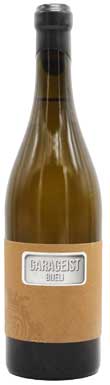
Degarra, Garageist Bijeli, Zadar, Dalmatia, Croatia, 2016
95
This is the most exciting Croatian wine I've tasted to date: a 100% Maraština from the 2016 vintage, made in 30% stainless steel (the remainder neutral oak). This wine shows that at 8 years, it's really just getting started. It's a stunning white wine of elegance yet tremendous depth. Undeniably evocative of white Burgundy, the honeyed aromatics, poached apple and creamy notes of lemon curd and peach cream give richness to the aromas. The palate is reductive and shows excellent refinement. Honeyed apricot flesh, candied ginger piques and a brilliant mineral saline undertone. Three years after it was awarded a 2021 DWWA Gold (96pts), this wine is still building in its brilliance. Tremendous.
2016
DegarraZadar
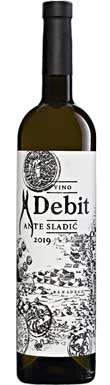
Ante Sladić, Debit, Skradin, Dalmatia, Croatia, 2019
94
Ante Sladić is very committed to the region's indigenous varieties, so much so that he makes three different bottlings of Debit. This grape was once used to pay debts in the area and has also been known as Puljižinac. The 2019 bottling sees four full years on lees, and what a wine results. Redolent with floral notes, yellow flower pollen and beeswax. The palate shows concentrated ripe stone fruits, honeyed apricot skins and a tart note of lemon verbena; the finish is shot through with streaks of stony minerality, lifting this intense wine brilliantly.
2019
Ante SladićSkradin
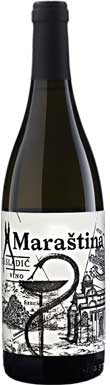
Ante Sladić, Maraština, Skradin, Dalmatia, Croatia, 2022
94
This is a local Maraština grown in rocky soils near the Krka River, loaded with complexity, 30% oak, primarily neutral and 70% stainless steel. Intricate aromatics of green mango, dried chamomile and notes of spicy cardamom. The palate is concentrated and rich, with lemon curd, ripe nectarine flesh and deep tones of honeyed apricot. It is buoyed by concentrated spice as cardamom and nutmeg escort the fruit towards a long, mineral-rich finish dashed with a savoury note of white pepper.
2022
Ante SladićSkradin
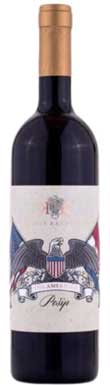
Korta Katarina, Pošip the American, Korčula, Dalmatia, Croatia, 2022
94
An astounding Pošip, among the best I have tried in the region, its aromatics are evocative of cool climate of Chardonnay. This wine is a vineyard selection of the top blocks from a site in the Cara Valley, in the centre of the island of Korčula. It is decadent, with honeyed apricots, poached pear and notes of toasted scone. The palate is rich with ripe grilled pineapple, fleshy white peaches, and a savoury dash of white pepper, bringing on the finish with a lift.
2022
Korta KatarinaKorčula
Prović, Naron Chardonnay, Neretva, Dalmatia, Croatia, 2021
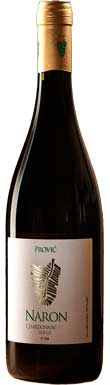
94
The Naron is an exquisite, reserve-level Chardonnay from Prović, who pioneered the variety here in Dalmatia as a homage to local icon Mike Grgich, whose iconic American Chardonnay put California fine wine on the map back in 1976. This sur lie Chardonnay sees one year on the fine lees in acacia barrel. Winemaker Vjeko decides in the vineyard which blocks will go into acacia—decadent aromatics of honeyed apricots, candied ginger and a note of ocean air. The palate shows an intensity with lemon oil, smoky grilled lemon peel and a mineral briny sea water edge. Vjeko Prović takes a reductive approach to winemaking, which makes this Chardonnay glisten with concentration.
2021
ProvićNeretva
Prović, Livija Zlatarica Winemaker's Selection, Neretva, Dalmatia, Croatia, 2020
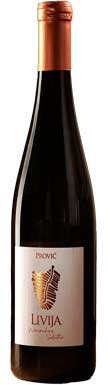
93
The winemaker's selection for this special bottling of Zlatarica is a vineyard and barrel selection that spends one year in an acacia barrel. Reductive winemaking and spontaneous fermentation result in a concentrated, joyful wine. The aromatics of honeyed ginger and bright lemon peel hint at this wine's concentration. On the palate, rich lemon curd is lifted up by the mineral purity of crushed stone and a saline oyster shell finish.
2020
ProvićNeretva
Prović, Tiberius Pošip, Korčula, Dalmatia, Croatia, 2021
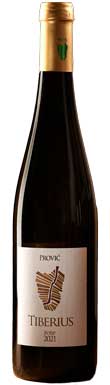
93
Sourced from a vineyard on the island of Korčula, in the Cara Valley, at the island's centre and aged six months in oak. Indulgent aromatics of beeswax, peach fuzz and yellow flower pollen. The palate shows rich, ripe stone fruits, macerated nectarines, and honeyed peach flesh, and there's a savoury edge of dried herbs and a dash of salinity.
2021
ProvićKorčula
Rizman, Nonno, Komarna, Dalmatia, Croatia, 2022
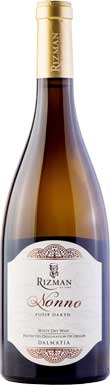
93
A distinctive take on Pošip the Nonno is made using 500-litre oak barrels for 2/3 of the production while the rest is fermented in concrete. The fruit for this wine comes from a select block on the easternmost edge of the Rizman estate and is blended with 15% Chardonnay. Eight months sur lie with plenty of battonage allow this wine to flash a serious texture and complexity. Elegant and subtle notes of clover honey and honeysuckle with a tingle of cut green apple. The palate shows brilliance; seaspray minerality cuts through the creamy lemon curd and ripe pear. This wine really shows Pošip in an international light.
2022
RizmanKomarna
Degarra, Maraština, Zadar, Dalmatia, Croatia, 2024
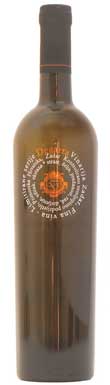
92
It is bright and intense, with a wonderful leesy character and ample texture. Lemon oil and verbena add depth to the aromatics of crushed seashells and briny ocean air. The palate is intense, with lemon pith, streaks of saline minerality, and concentrated citrus curd.
2024
DegarraZadar
Ante Sladić, Lasina, Skradin, Dalmatia, Croatia, 2021
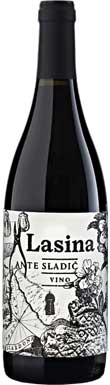
95
The rare local variety Lasina, or the ‘black rose’, comes from 40-year-old vines at the top of the hill in Sladić's estate vineyard. It spends one year in oak and another one to two in bottle. Its purity and precision are unlike any red wine I've tasted in Croatia, almost evocative of Burgundy with its light hue and soft, fine tannins. Such delicate aromatics of rose, lavender and violet with a hint of pine bough and blood orange. Its elegance is undeniable. There is a transparency and clarity on the palate. Pinpoint savoury framing around the tart and fresh red fruits: cranberries, raspberry leaf, tart notes of blood orange and freshly muddled mint leaf. The finish is airy and gossamer, with hints of white pepper and green tea. What an impeccable worldly wine from this finicky, ancient local grape.
2021
Ante SladićSkradin
Korta Katarina, Reuben's Private Reserve, Pelješac Peninsula, Dalmatia, Croatia, 2013
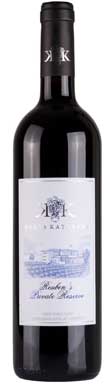
95
At 11 years old, when tasted, this wine shows the pedigree possible with patience when making Plavac Mali. The Reuben's is designed for ageing and is only made in the very best vintages. It was produced in 2009, 11, 13 and 2016 will be the next release. It's a vineyard selection, pulling the best blocks from their top sites and the best barriques in the cellar from those chosen. It's a glorious wine, that shows why Plavaca Mali was a driver of fine wine in Dalmatia. Elegant aromas of violets and rose, ripe, sweet black cherry, and a fresh, savoury white pepper lift. The palate is redolent with sweet, ripe black fruits, surrounded by florals, mineral refinement and a finish of smoky clove.
2013
Korta KatarinaPelješac Peninsula
Rizman, St Michael Syrah, Komarna, Dalmatia, Croatia, 2016
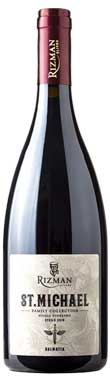
95
The St Michael concept is a single variety and single plot; this is the best of the vintage for Rizman each year; this Syrah is made in two to three-year-old barrels. The refinement of nuance and elegance is immediately apparent in this Syrah. Floral aromas of violet complement the notes of turned earth, white pepper and gravelly dust. Black cherries and pomegranate deliver fruit first on the palate but are framed wonderfully by a smoky depth of clove and exotic spice box. A brooding flavour profile balanced with buoyancy and a lively lingering finish. Tasted from bottle: #0567
2016
RizmanKomarna
Korta Katarina, Plavac Mali, Pelješac Peninsula, Dalmatia, Croatia, 2015
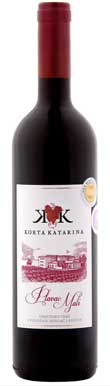
94
The 2015 Plavac Mali is a winemaker's selection, choosing the best barrels with fruit from the Plavac Mali grand cru regions of Poštup and Dingač. It's flush with ripe fruit aromas, including cherries and blackberries, with a note of bay leaf. The palate shows ample structure, a classic Plavac Mali on the palate. The tannins frame, dried savoury herbs, and ripe red plums.
2015
Korta KatarinaPelješac Peninsula
Degarra, Bon Terra, Zadar, Dalmatia, Croatia, 2020
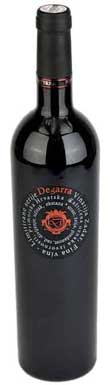
93
This Cabernet-based blend spends one year in neutral oak barrels; it is a lively blend of Merlot and Syrah that shows bright and fresh—aromas of ripe strawberries, dried herbs and gravel dust minerality. Gorgeous layered fruits dominate the palate. Red bramble berries and red plums finish bright and fresh with a lively acidity.
2020
DegarraZadar
Rizman, Primus Plavac Mali, Komarna, Dalmatia, Croatia, 2018
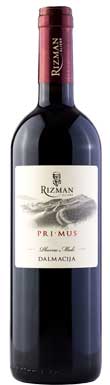
93
Primus is the top Plavac Mali from Rizman, and it is comprised of three different selections. In the vineyards, the best blocks are chosen, and then a selection of the best bunches of grapes is made during harvest. A further selection by the barrel is made in the cellar, and the wine spends one year in oak. This is really the height of Plavac Mali. It tasted at six years old, and it's beginning to offer its elegance. Aromas of a clay pot, dried purple florals and dusty cherry translate to elegance on the palate. Red notes of pomegranate, spicy blood orange and dried strawberries make way for nuanced turns of earth, mocha and crushed stone. It still has time to develop but shows great promise.
2018
RizmanKomarna
