Decoding regenerative viticulture plus the best bottles to seek out
The concept of ‘regenerative viticulture’ goes beyond organic and biodynamic practices, aiming to replenish vineyard soils and even mitigate climate change – producers around the world are increasingly buying into the philosophy.


Soil has been described as the Cinderella of sustainability. It is, as a recent scientific study put it, the most important but least understood part of the earth’s biosphere. Much of life on earth lies beneath our feet. Soil holds an astonishing diversity of animal life, from earthworms and insects to microorganisms and bacteria. Underground networks of plant roots and fungi interact in mutually beneficial ways, exchanging carbon for nutrients and water – a complex ecosystem, critical to maintaining healthy soil for plants to grow in.
Scroll down to see tasting notes and scores of 12 ‘regenerative’ wines to try
The science of soil is complicated; there is much we don’t understand. But we know enough to grasp that our survival depends on it, and exhaustion of the world’s soils from intensive agriculture has got alarm bells ringing. According to the UN’s Food & Agriculture Organisation (FAO), one third of the earth’s soil is degraded and 90% of topsoil is at risk of degradation by 2050. Speaking at the World Living Soils Forum in 2022, Ronald Vargas of the FAO stressed the challenges of raising awareness: ‘We stand on soil, but we don’t see or value it.’
Monocultures such as growing grapes for wine pose a particular challenge because, as South African producer Johan Reyneke puts it, ‘they have to be propped up’. To produce healthy grape harvests, most vineyards have become dependent on limiting ecosystem biodiversity through the use of chemical treatments, which disrupt so-called ‘mycorrhizal’ soil networks connecting plant roots and fungi, thereby reducing soil health.
When Reyneke started growing grapes, he was determined not to use chemicals. ‘I was very idealistic and didn’t really know what I was doing,’ he says. ‘I just wanted to do the right thing. Someone told me I was organic by neglect and I needed to become organic by design. That was the turning point.’ Two decades on, Reyneke is a leading advocate of ‘regenerative’ practices in viticulture, part of a wider global movement to change the way we farm.

Paradigm shift
Like organic and biodynamic viticulture, regenerative viticulture is based on agroecological principles. And, like them, it promotes biodiversity and discourages use of synthetic treatments. But it takes sustainable thinking further. At its core is a paradigm shift of approach to vineyard management, replacing an ‘extractive approach that depletes soil’ to ‘one that restores the land’ as Justin Howard-Sneyd MW, who runs courses on regenerative viticulture at the Dartington Trust centre for learning near Totnes in Devon, puts it.
‘The cost of not working in a biodiverse way is that we are degrading a finite resource,’ says Stephen Cronk, co-founder and president of Maison Mirabeau in Provence. Cronk, Howard-Sneyd and other like-minded activists launched The Regenerative Viticulture Foundation (RVF) in 2022. As with other recent initiatives, including California’s Regenerative Organic Alliance (ROA) and the Regenerative Viticulture Association (RVA) established by Catalan producer Familia Torres, it promotes viticultural practices that ‘reboot’ natural ecosystems.
Mimi Casteel, an RVF trustee and pioneering regenerative wine-grower in Oregon, believes we need to ‘think of vineyards as being like a body, and of the importance of shoring up the body’s immune system. Once vines are part of a natural system, they are much more resilient.’ Fellow RVF trustee Ivan Massonnat of Domaine Belargus in Anjou sees things similarly: ‘We have distorted the relationship between mankind and nature: we have to take a more holistic approach and try to create a diverse ecosystem.’

In northern Spain, Torres is currently applying regenerative approaches across about 40% of its vineyards. ‘The beauty of regenerative viticulture is that you can apply it on any vineyard,’ says general manager Miguel Torres Maczassek. ‘There is a cost to changing practices and putting more organic matter into soils; the transition can take several years, but you reach a point where the ecosystem stabilises and it can manage by itself, costs reduce, and you get higher-value grapes.’
At Chêne Bleu in the Vaucluse in southeast France, Nicole and Xavier Rolet spent years regenerating land around a medieval priory. Nicole feels they ‘kind of wrote the songbook on regenerative viticulture’. They are convinced that healthy bee populations play a key role in the productivity and resilience of vineyard ecosystems, boosting biodiversity by spreading natural yeasts and cross-pollinating plants. ‘Microbiomes are credited with transmitting a sense of place to grapes, so if that is important to you in wine, you must allow the ecosystem to flourish,’ she says.
In Provence further south, Jessica Julmy has set out to transform Château Galoupet in similar ways since LVMH bought the estate in 2019. ‘We reached out to agroforestry experts: what can we plant where? Not only to move away from monoculture but to create natural corridors between vineyard and forest. We want to regenerate flora and fauna in the forest and see the impact on the vineyard: how do we bring bees? We are working with cover crop experts to find a perfect blend of seeds for our soils: how do we bring back organic matter and humidity?
Ecosystem balance

While the concept of regenerative agriculture has been around for a while, it has only recently become a buzz phrase in the wine world and there is some confusion about how it differs from other existing agroecological approaches. Jessica Villat, an expert in strategy, regenerative agriculture and engagement, wrote a thesis on the subject at Harvard. For her, what makes regenerative viticulture distinctive is its ‘absolute focus on living soil’: feeding the soil to feed the vine. ‘Rather than asking what’s wrong with the vine, we need to think in terms of the whole ecosystem – which natural levers to pull to enable it to be in better balance,’ she says.
Regenerative producers employ a range of ‘natural levers’ to bring ecosystems into balance, such as composting, growing different cover crops, boosting wildlife and introducing animals into vineyards to control grass and provide manure. Massonnat is working with veteran Anjou wine-grower Jo Pithon to fix imbalances in his soils using organic compost. In her vineyards, Casteel runs pigs fed on biochar, a carbon-rich biomass, which enhances the fertilising effect of their manure and fixes carbon in the soil, improving its structure and water retention.
But regenerative viticulture avoids being overly prescriptive. ‘It is not a clipboard and checklist approach like biodynamics,’ says Rolet. Nick Gill of Greystone Wines in New Zealand’s Waipara region makes a similar point: ‘People are reluctant to put regenerative agriculture in a box. Every piece of land is different and it makes no sense to curtail solutions that may be appropriate in particular places.’ Casteel sees it as ‘a toolbox to empower growers to feel like a part of their landscape, to understand what has been lost that is stopping the ecosystem functioning at its highest level and what to put back to keep the cycle going’.
Improving soil
For Franco Bastías, head of agriculture at Domaine Bousquet in Argentina, ‘organic and biodynamic viticulture are about keeping things natural; with regenerative viticulture, it’s the challenge of improving, not just preserving, the soil’. And, he says, ‘you can measure the improvements through soil analysis and yields’. Bastías says that his vines are more resilient and his yields have not suffered. ‘We have the same or better yields than conventionally managed vineyards in the region.’
A major tenet of regenerative viticulture is to avoid disturbing soil as far as possible. Tilling the soil, which is widely practised in organic and biodynamic viticulture, helps to control weeds but damages the structure of the soil, disrupts microbial life and releases carbon. ‘It’s important to avoid disturbing the soil, because soils with high levels of microfungi are healthier and more productive,’ says Pablo Borelli, an agronomist who works on regenerative farming in Argentina.

Advocates see many advantages to a regenerative approach. As well as saving treatment and irrigation costs, minimising tillage improves biodiversity and soil structure, increases water retention, lowers soil temperatures and reduces topsoil erosion. There is evidence, too, that healthy, undisturbed mycorrhizal networks can help plants to resist pest attacks.
‘People have come to think of interventions such as spraying and irrigation as normal, but they’re not,’ says Jason Haas, co-proprietor of Tablas Creek in California. ‘If your system is in balance, they’re not necessary. Every year my vines are a little healthier and have more natural resilience.’
Mitigating climate change
Haas also sees it as a hedge against the growing impact of climate change. ‘In winter, cover crops and reduced tillage minimise surface erosion, encouraging the water to slow down and penetrate to deeper layers during major rainfall events. In summer, the increase in organic matter and microbial activity allows soil to hold more moisture, thereby helping the vines to withstand drought and heat spikes.’
For Casteel, it is one of the advantages of working with biochar-fed pigs: ‘Summers are becoming unbearably hot here, with very little rain,’ she says. ‘Biochar can hold many times its weight in water, which helps us get through the dry season without irrigating.’

Perhaps the biggest idea that distinguishes regenerative farming from other agroecological practices is that it could be a critical factor in mitigating, or even reversing, climate change. To limit global warming to 1.5°C, the world needs to reduce CO2 levels in the atmosphere. Plants absorb carbon dioxide from the atmosphere, and this is integrated into soil and remains there for decades, if undisturbed.
Claire Chenu, a senior soil scientist at French national research institute INRAE and professor at AgroParisTech, says: ‘Current estimates are that it is possible to store between one and two billion additional tonnes of carbon in soil per year, which would offset a third of global CO2 going into the atmosphere.’
Certification

Without an established set of rules, there is a danger of ‘greenwashing’. Many, but not all, vine-growers embracing regenerative practices are already certified organic or biodynamic, and new regenerative certification schemes are now appearing. Tablas Creek was the first winery to obtain Regenerative Organic Certification from the ROA in 2020 and some other US wine producers have followed, along with Bousquet in Argentina. In Spain, the RVA has piloted a new certification scheme. Torres expects up to 25% of its wines to be certified under it in 2023-2024. However, certification for regenerative viticulture remains at an embryonic stage.
Do wines made in regeneratively managed vineyards taste better? Its advocates certainly feel so. ‘We’re pretty convinced,’ says Haas. ‘The wines have more character, better balance and more energy. The past five years have seen our best run of quality, despite different weather conditions. I don’t think that’s a coincidence.’
Massonnat in Anjou says the wine from vineyards that have been managed regeneratively is ‘more energetic and precise’. Gill feels that Greystone’s Vineyard Ferment Pinot Noir, fermented outside, in between the rows of vines where the grapes were grown and under the influence of indigenous yeasts, has a special ‘energy and tension’. Kees van Leeuwen of Bordeaux Sciences Agro believes the physical properties of soil are key to overall vine health, but sees no direct link between better soil and wine quality. ‘People want to believe that the more microbial activity in the soil, the better the wine, but the relationship is not as straightforward as that,’ he says. ‘Microbial activity is certainly good for sustainability, but not necessarily for wine quality. The heavy clay soils in some of the finest estates in St-Emilion and Pomerol, for example, have relatively little microbial activity because aeration is restricted in this clay. That does not stop them producing great wines.’
Reyneke acknowledges that ‘we don’t have a good understanding of the impact of the soil’s microbial content on quality’, but adds ‘we have noticed that wine from our regeneratively managed parcels tastes completely different. And those parcels are richer in microbial populations.’ Research from outside the wine world suggests relationships between plants and fungi in the soil can affect the taste of fruit. If there is a correlation between microbial activity and wine quality, it would, says Reyneke, ‘take the concept of terroir to a new level of understanding’.
The regenerative viticulture movement is still in its infancy, and not everyone sees the point of adding another category of sustainable viticulture. Is this just old wine in new bottles? Perhaps. However, in a world facing soil degradation and climate crisis, a toolkit that helps viticulture to flourish as a contributing part of a healthy ecosystem, rather than at its expense, while also sequestering carbon and increasing climate resilience, can only be a positive thing.
Joy’s 12 wines try from the vanguard of regenerative viticulture
A selection of wines from leading producers who follow regenerative principles: some are certified regenerative, but most are not.
Related articles
- California’s ban on pesticides by 2050 sees the state’s wineries embracing ‘slow wine’
- New group promotes regenerative viticulture in climate battle
- Biodiversity in the vineyard – looking to the future
Domaine Belargus, Ronceray, Anjou, Anjou, Loire, France, 2020
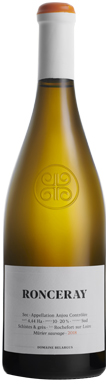

From Massonnat’s biodynamic vineyards in Anjou. Enticing nose of citrus and honey. This has a rich, saline grip in the mouth, and an attractive touch of bitterness. Taut and focused, with a sense of restrained energy and mineral drive. Vibrant and very intense, with lovely finesse. Very fine, and should unfurl beautifully.
2020
Domaine BelargusAnjou

Chêne Bleu, Aliot, Rhône, France, 2015
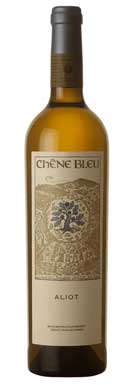
Wonderfully rich, characterful blend of Roussanne, Grenache Blanc, Marsanne and Viognier from the Rolets’ (Ecocert-certified) organic vineyards in the Vaucluse. Deep, golden yellow. Intense, gorgeously oxidative, honeyed nose of dried apricots, walnuts and rose petals. A complex, fresh, tangy mouthful, with notes of quince and garrigue honey. Lovely freshness, terrific length and wears its 14% so lightly.
2015
Chêne Bleu
Tablas Creek, Esprit Blanc de Tablas, Paso Robles, Adelaida District, California, USA, 2019
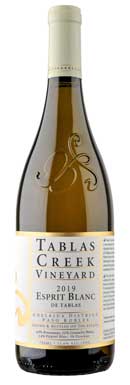
White Rhône blend of Roussanne, Grenache Blanc, Picpoul Blanc and Picardan from Tablas Creek’s Regenerative Organic Certified vineyards in Paso Robles. Delicate floral nose, leading into a rich, mineral mouthful of complex citrus and honeysuckle, with hints of pineapple. Lovely pure, creamy texture, with bright acidity and a lifted, airy quality.
2019
Tablas CreekPaso Robles
Reyneke, Biodynamic Chenin Blanc, Stellenbosch, South Africa, 2021
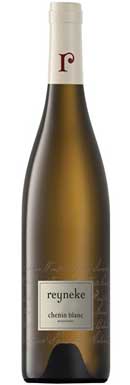
Biodynamic Chenin from Reyneke’s (Demeter-certified) vineyards in Stellenbosch. Intense nose of lime and green tea. Expressive, sweet attack in the mouth, bursting with fresh citrus and greengage. Harmonious and moreish with vibrant ripe fruit. Excellent freshness and drive, with great persistence on the finish.
2021
Reyneke
Chêne Bleu, Le Rosé, Rhône, France, 2021
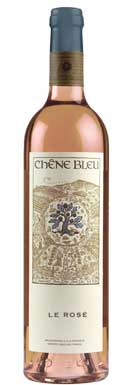
Blend of Grenache, Syrah, Rolle, Cinsault and Mourvèdre from the Rolets’ (Ecocert-certified) organic vineyards in the Vaucluse. Bright, attractive red berries nose. Nice saline grip with citrus freshness and notes of provençal herbs. Sensuous, refreshing, gastronomic rosé with substance and character.
2021
Chêne Bleu
Tablas Creek, Esprit de Tablas, Paso Robles, Adelaida District, California, USA, 2017
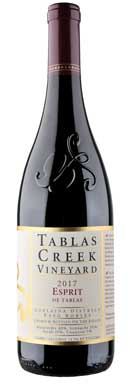
Rhône blend of Mourvèdre, Grenache, Syrah and Counoise from Tablas Creek’s Regenerative Organic Certified vineyards in Paso Robles. Compelling aromas of cherries and plums. A rich, complex and seductive mouthful of sweet black fruits, herbs and olives. Fresh and lifted with lovely intensity and a long finish. Beautiful wine.
2017
Tablas CreekPaso Robles
Greystone, Vineyard Ferment Pinot Noir, Waipara, Canterbury, New Zealand, 2019
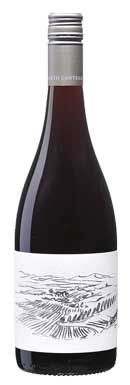
Greystone in New Zealand’s Waipara region describes itself as ‘organic regenerative’. This organic Pinot Noir is fermented in open-top vats between the vines to maximise vineyard microbial influences and vintage conditions. Delicate, enticing floral nose. A very pretty wine, with lovely purity and grip. Fresh, lifted, pillowy red fruit with a savoury, slightly feral undertow. Nice intensity, and light on its feet. Delicious.
2019
GreystoneWaipara
Miguel Torres, Purgatori, Costers del Segre, Costers del Segre, Spain, 2019
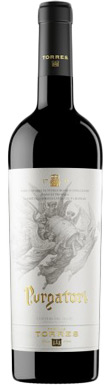
Blend of Cariñena, Garnacha and Syrah from one of Torres’ regeneratively managed vineyards in the harsh, arid climate of Costers del Segre in Catalonia. Brooding, smoky nose. Excellent grip and firm tannic structure, with lovely depth of sweet ripe fruit and hints of liquorice, pepper and spice. Good length and wears its 14.5% lightly.
2019
Miguel TorresCosters del Segre
Domaine Bousquet, Ameri Single Vineyard Malbec, Uco Valley, Gualtallary, Mendoza, Argentina, 2019
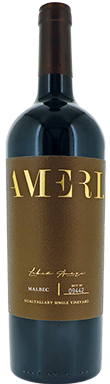
Single vineyard Malbec named after Bousquet’s owner from the domaine’s Regenerative Organic Certified vineyards at Gualtallary in Argentina’s Mendoza region. Engaging tarry, plummy nose. Dense, rich and velvety with fine tannins and sumptuous sweet black fruits, balanced by bright acidity. Lush, intense, hedonistic Malbec with good length.
2019
Domaine BousquetUco Valley
Reyneke, Biodynamic Syrah, Stellenbosch, South Africa, 2020
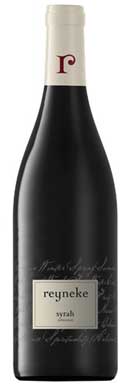
Biodynamic Syrah from Reyneke’s (Demeter-certified) vineyards in Stellenbosch. Earthy, herbal nose with hints of white pepper and lanolin. Medium-bodied, elegant and pure in the mouth. This is full of ripe, peppery red fruits, with plenty of freshness and some wild, roasted meat notes.
2020
Reyneke
Domaine Bousquet, Gaia Organic Malbec, Uco Valley, Gualtallary, Mendoza, Argentina, 2019
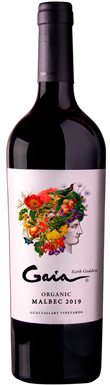
Good value Malbec from Bousquet’s Regenerative Organic Certified vineyards at Gualtallary in Argentina’s Mendoza region. Ripe, stewed fruit nose. Fresh and soft in the mouth, full of dark, succulent, fruit. Nice jammy structure and depth, with attractive hints of chocolate and tar.
2019
Domaine BousquetUco Valley
