
French rosé beyond Provence: Panel tasting results


Branch out from Provence this summer and try some of the great rosé wines being produced in other French regions. Below is a full report on 92 wines tasted by our three-strong expert panel, with an introduction by Elizabeth Gabay MW...
92 wines tasted with three rated Outstanding
The panel tasters were: Elizabeth Gabay MW, Andy Howard MW and Joanna Simon
With so much emphasis on the rosé wines of Provence, it is easy to forget that there are clear regional styles around France, many reflecting the local red wine style using the same varieties, and many based in long tradition.
Scroll down to see the top wines from this panel tasting
Bordeaux
Bordeaux has two rosés. The original clairet, or clear red, was reintroduced in the 1950s – dark pink, its fruit and delicate tannin character make it a great alternative to summer reds, though production is going down in favour of the lighter, more international style rosé. Small amounts are being made in a more serious style using oak.
Not to be forgotten are the appellations below Bordeaux, such as Gascony, Frontonnais and Cahors, which use the same Bordeaux red varieties.
Quick link: View all 92 wines from this panel tasting
Loire
The Loire is unique in having three different rosé appellations. Dry Rosé de Loire can be found along the east-west stretch of the river.
Rosé d’Anjou has a minimum of 7g/l residual sugar and is made from a blend of Cabernet, Pineau d’Aunis, Côt (Malbec) and Gamay, and traditionally a high percentage of peachy Grolleau.
Cabernet d’Anjou has a minimum of 20g/l residual sugar, from Cabernet Franc and/or Cabernet Sauvignon. Key here is the cool-climate acidity, which allows an attractive balance of fruit, sugar and acidity.
Bridging Loire and Burgundy, the rosés of Sancerre are made from Pinot Noir. Deceptively soft cherry fruit belies their long, firmly acidic structure, which results in wines that are often not released until a year or two of age begins to reveal greater complexity.
Burgundy
Burgundy Pinot Noir rosés are rarer, with Marsannay the only village appellation for rosé.
To the south lies the Gamay stronghold of Beaujolais, a rosé region often overlooked, and its smaller surrounding appellations. The rosés range from soft and easy to richer luscious styles, to those with greater depth and power. Key elements are a mineral inner core and vibrant acidity. Some have partial malolactic fermentation, adding rich creaminess.
Rhône
The most famous Rhône rosé is Grenache-based Tavel. Made with longer maceration, up to three or four days, they can have good floral and red fruit character, greater weight and ability to age. Other Rhône and Languedoc styles are similar to those of Provence.
Langeudoc
Pays d’Oc IGP can include up to 58 varieties – the possibilities are endless, justifying comparisons of this region to the New World. The five top-selling Pays d’Oc rosés in 2015 were single varieties: a Grenache first, then Cinsault and Syrah, then a blend, and fifth, a single-variety Merlot.
Corsica
Corsican rosés, often blends based on local Nielluccio (Sangiovese) and/or Sciaccarellu, are going from strength to strength in terms of quality. Nielluccio is a variety which is being closely looked at for its ability to withstand hot dry summers while retaining its acidity.
The scores
92 wines tasted
Entry criteria: Producers and UK agents were invited to submit their latest-release dry, still rosé wines, UK-available and priced at £8 or above, from any French region other than Provence.
Exceptional 0
Outstanding 3
Highly Recommended 14
Recommended 53
Commended 21
Fair 1
Poor 0
Faulty 0
See all 92 wines from the panel tasting
The results
Spend the summer experimenting to find your preferred style of rosé: there’s a wealth of styles and quality at all price levels, as Elizabeth Gabay MW reports:
In 2014, France produced 30% of the world’s rosé, with most coming from the south, reflected in this tasting by the high number of entries from Languedoc- Roussillon and the Rhône Valley (including some periphery Provence regions).
Some 50% of all French rosé is IGP (indication géographique protégée) and about 10% Vin de France – but only about 20% of the wines shown here were IGP and only three were Vin de France, perhaps reflecting the market desire for rosé made with aP certification.
All of the wines that we rated Outstanding or Highly Recommended were noticeably more concentrated, complex and serious, and a few had well-integrated oak, many of which we noted as being suitable to go with food.
The best had abundant fruit character, wild berries and succulent summer fruit, and some had delicate floral aromas. Freshness and good acidity were important, but our scores differed over perception of weight/body and acidity/meanness and ageing potential.
Many of the weightier wines included Mourvèdre, and several were very pale yellow in colour, suggesting that this dark variety had been treated with minimal skin contact. a third of the wines had 40% or more Grenache in their make-up, including eight of the top 17. With 18 other varieties represented in our line-up – including rarer varieties such as Pineau d’aunis and Pinenc – there was considerable diversity, especially in the higher- scoring wines. Joanna and I preferred wines that had an element of being a little different, whether due to variety or winemaking style.
Age also produced some disagreement among the panel, with discussion over ageing potential and a love-hate relationship (akin to that for Marmite) for the old rosé flavours. Andy preferred more classic, fresh styles in conversation, but his notes suggest he also liked them with a bit of age. The wines were largely fresh up to three years from vintage, developing extra attractive complexity with age, although some 2017s were shockingly already showing some tiredness and oxidative notes, possibly due to the heat of that vintage.
A third of submissions were from the 2016 vintage, three from 2015, one from 2013 and one 2010. Of the top three wines, two were from 2016 and of the Highly Recommendeds, eight were 2017, five 2016 and one 2015, showing quite clearly that the obsession with drinking rosés young or in their first year is outdated. Rosés can age well. Although admittedly I was keenest on the 2010, loving its saline, bitter marmalade flavours.
None of us gave marks for paleness, or darker pink colour, though we all observed some rosés were so pale that they were more like a white wine. Is this taking the fashion for pale rosé to an extreme, or the result of the winemaking being used to create a balanced wine?
There was a mix of prices in the high-scoring wines, with one of the top three in each of the three price bands. Under 85 points, all the wines were under £14.99, suggesting that a higher price is more likely to guarantee quality. With just over half of the Highly Recommended wines also coming in at under £14.99, it is possible to find some exciting bargains.
As always, there were some wines that completely divided us in terms of stylistic preferences, but those wines scored as Recommended or above should offer plenty of drinking pleasure for every taste and budget.
Our tasters each pick their top 3 wines from the tasting:
Elizabeth Gabay MW
A Master of Wine since 1998, Gabay moved to southeast France in 2002. She is a widely published journalist, writer, educator, speaker and wine judge, and is Provence specialist for the Wine Scholar Guild. Her book Rosé, Understanding the Pink Wine Revolution was published in January 2018 (Infinite Ideas).
Château Fabre Cordon, Printemps d’Amandine, Corbières, Languedoc 2015
Soft, mellow, oxidised bitter orange fruit, but with vibrant, fresh acidity. Notes of Twiglets and orange – perfect with strong cheese. Nothing like a simple young red fruit rosé, but I love it. 95 Drink 2018-2019
Mas des Dames, Diva Rosé, Languedoc 2016
Salmon pink. Dried fruit, rich and ripe. chewy, mouthwatering acidity, a really serious rosé. Good weight and balance. Wild red berries, sour cherries and hints of cranberries. 90 Drink 2018-2020
Château Maris, Rosé de Nymphe Emue, Pays d’Oc 2016
Honeyed aromas, firm structure. Good weight, mouthfilling and crunchy acidity. A really serious rosé achieving well above its price. Biodynamic, and aged in cement tanks. 89 Drink 2018-2019
Andy Howard MW
Howard is a frequent contributor to Decanter. A Master of Wine since 2011, he runs a consultancy business Vintrades Ltd, which focuses on education, investment and sourcing. His key areas of expertise are Burgundy and Italy, but he also takes a keen interest in the wines of southwest France, where he owns a house.
Clos Signadore, A Mandria di Signadore, Patrimonio, Corsica 2016
Located in the mountainous part of Patrimonio, this organic producer is taking corsican wines to new heights. Fragrant, fresh, full-bodied and precise, this is an ultra-classy rosé. 95 Drink 2018-2020
Alain Gueneau, Sancerre, Loire 2016
Often rosé Sancerre underwhelms – this one certainly doesn’t! This vibrant example is grown on vines with an average age of 25 years, grown on calcareous ‘terres blanches’ soils. Very refined. 93 Drink 2018-2019
Plaimont Producteurs, Rosé d’Enfer, St-Mont, South West France 2017
A great alternative to Provence rosé from this top co-op, blending cabernet Sauvignon with two local specialities, Tannat and Pinenc (aka Braucol/Fer Servadou). 92 Drink 2018-2020
Joanna Simon
Formerly wine critic at The Sunday Times for 22 years, Simon is a wine writer, presenter and judge, co-founder of The Wine Gang, founding editor of Waitrose Drinks magazine and blogs regularly on www.joannasimon.com. Her specialist areas include the wines of southwest France and matching wine with food.
Domaine Mourchon, Loubié, Séguret Côtes du Rhône Villages 2017
From an excellent estate with old Grenache and Syrah growing at 350m, the 2017 was bottled earlier than usual and it’s paid off in fruit expression, vibrancy and length. 95 Drink 2018-2020
Brotte, Les Eglantiers, Tavel, Rhône 2017
I was more impressed by the Tavels in this tasting than I expected, and this one gives weight and flavour at a good price: generous plum and black cherry, earthy sweetness and spice, and a nip of tannin. 94 Drink 2018-2020
Clos Signadore, A Mandria di Signadore, Patrimonio, Corsica 2016
A Corsican take on Sangiovese (here known as niellucciu) fermented with wild yeasts and taken from a single hectare on this organic estate. Alluring aromas and flavours, and impressively long-lasting. 94 Drink 2018-2020
French rosé: the facts
Area of production with proportion of sales (2015)
Pays d’Oc IGP 20%
Provence AP 17%
Vin de France 4%
Vin de France, single variety 3%
Other IGP 31%
Other AP 25%
Source: www.statistica.com
French rosé: know your vintages
2017 Spring frost and hail, followed by a heatwave, severely reduced quantities. Small berries and an early harvest resulted in concentrated fruit and generally good quality, although some rosés show a lack of acidity.
2016 A cool, wet spring with regional frost and hail reducing quantities. A hot summer resulted in good quality, ripe grapes, although care was needed to preserve the acid/sugar balance for rosés.
2015 A hot dry summer, particularly favourable to rosés from cooler regions.
2014 Unpredictable weather; a cooler, wet summer led to weaker, more acidic rosés.
2013 A cool, late spring and a moderately cool, wet summer led to fresher, fruitier wines.
2012 A divided vintage, with the north suffering a cool, wet harvest. A good vintage in the south.
Top scoring wines from the panel tasting:
You might also like:
Top Provence red wines: panel tasting results
New faces of Beaujolais
Great rosé wines with food
Clos Signadore, A Mandria di Signadore, Patrimonio, Corsica, France, 2016
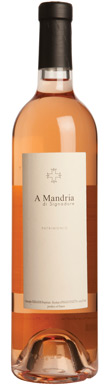

Clos Signadore, located in the Patrimonio appellation in northern Corsica, is the brainchild of Christophe Ferrandis who, although he hails from Marseille on the mainland,...
2016
Clos SignadorePatrimonio

Domaine de Mourchon, Loubié, Côtes du Rhône Villages, Séguret, Rhône, France, 2017
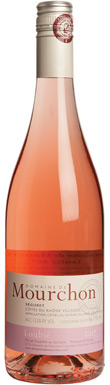
95
Domaine de Mourchon is nestled in the heart of the Rhône Valley, not far from the medieval village of Séguret. Founded in 1998 by Walter McKinlay, who was joined by winemaker Sébastien Magnouac in 2000, today the winery encompasses 35ha and produces 150,000 bottles a year. Terroir is an important factor at Domaine de Mourchon, being categorised into three differing types: Sausse (early ripening), Loubié (average ripening) and Mourchon (late). This Loubié rosé is from vines planted on a mix of clay, limestone and grey sandstone at an altitude of 320m, and it’s a 60/40 blend of Grenache and Syrah. Elizabeth Gabay MW: Fresh, honeyed ripe fruits on the nose which follow onto the palate, along with sun-ripened red fruits, cherries, peaches and freshly picked raspberries with beautifully balanced acidity. Andy Howard MW: Nice depth and richness on the palate with bright red/black berry fruits and good acidity to balance. There are extra layers of flavour here too. It’s well made and has enough concentration to last. Joanna Simon: Ripe strawberry aromas and strawberry fruit on the palate, which is full and smooth with attractive spice and a hint of honey, ending on a leafy, vibrant freshness.
2017
Domaine de MourchonCôtes du Rhône Villages
Gérard Bertrand, Château La Sauvageonne La Villa, Languedoc, Languedoc-Roussillon, France, 2016
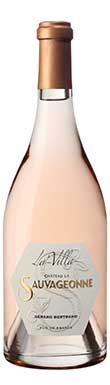
95
Gérard Bertrand, ex-rugby player and wine businessman, was introduced to wine in 1975. In 1987, after his father passed away, he took an active role in his father’s wine business while still playing professional rugby. Since then, Bertrand has become a wine-grower and owner of 12 estates in the south of France. Château La Sauvageonne was bought in 2011, and is located just north of Montpellier. This 57ha estate grows Syrah and Grenache on rock, sandstone, schist and ‘ruffe’ soil types at an altitude of 300m. La Villa is a mix of Vermentino, Viognier, Mourvèdre and Grenache. Elizabeth Gabay MW: White rather than a typical rosé, the new oak that dominates this fresh, vibrantly acidic blanc de noirs does raise a philosophical question. Andy Howard MW: This is a much less obvious rosé, but there’s lots of extra depth and complexity. It’s creamy and has zesty stone fruits on the palate with some smoky, slightly oaky notes. There are layers of flavour, richness, ripeness and acidity to finish. Fine and complex, with ageing potential. Joanna Simon: A very pale example where it is more a white than a rosé. It has an aromatic, rather Burgundian nose, dried flowers dominating. It’s nutty, creamy but taut on the palate. Concentrated, layered, textured, mineral and spicy.
2016
Gérard BertrandLanguedoc
Château Guiot, Costières de Nîmes, Rhône, France, 2017
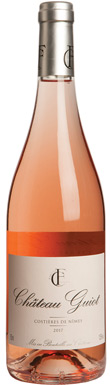
93
Wild berry fruit freshness with hints of raspberry and herbs on the nose. The palate is full of sour dark cherry fruit, a delicate mineral core, followed by zesty acidity and sweetness of fruit.
2017
Château GuiotCostières de Nîmes
Alain Gueneau, Sancerre, Loire, France, 2016
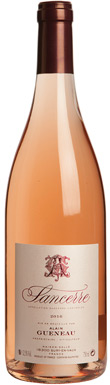
92
Redcurrant fruit notes on the nose which transcend to a leafy edge on the palate with delicate peach melba and jasmine scents. Its mouthwatering acidity and long length give the wine finesse.
2016
Alain GueneauSancerre
Domaine Tabordet, Sancerre, Loire, France, 2016
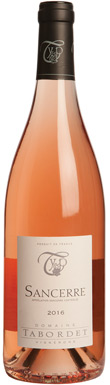
92
Exuberant strawberry aromas, leafy summer hedgerow and a touch of peach, then notes of red cherry and orange citrus on the palate. Racy and energetic, giving a lovely, refreshing finish.
2016
Domaine TabordetSancerre
Mas des Dames, Diva Rosé, Languedoc, Languedoc-Roussillon, France, 2016
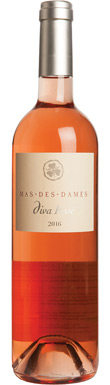
Dried fruit, rich and ripe, fresh spice and cassis aromatics following through to layers of wild berries, sour cherries and hints of cranberries. It has...
2016
Mas des DamesLanguedoc
Brotte, Les Eglantiers, Tavel, Rhône, France, 2017
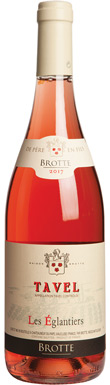
Clear orange-red appearance. The nose has wild raspberry jam and ripe cherry aromas. The palate is spicy with sweet baked earth, leafy, with fine tannins...
2017
BrotteTavel
Château Fabre Cordon, Printemps d'Amandine, Corbieres, Languedoc-Roussillon, France, 2015
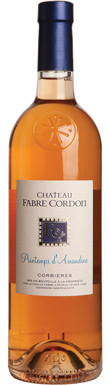
Pale orange. Oxidised bitter orange fruit and yeasty notes on the nose, reminiscent of Sherry. Vibrant, fresh acidity is met with a suggestion of Twiglets,...
2015
Château Fabre CordonCorbieres
Domaine de la Verde, Royal Sunset, Vacqueyras, Rhône, France, 2017
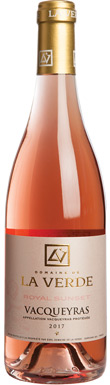
Opulent strawberry fruit aromas with a slight note of coffee. This is ripe and full of juicy raspberry jam fruit, fresh herbs and wild raspberry...
2017
Domaine de la VerdeVacqueyras
Domaine des Carabiniers, Lunar Apogé, Tavel, Rhône, France, 2017
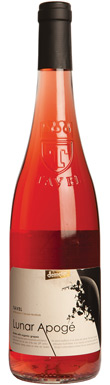
Deep copper-pink. Exuberant strawberry fruit aromas. The palate is faithful with cherry and strawberry too, but freshened by red apple and a cinnamon-edged spice. Appetising...
2017
Domaine des CarabiniersTavel
Domaine Joel Delaunay, Les Cabotines, Touraine, Loire, France, 2017
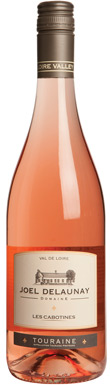
91
This is a very attractive blend, juicy, floral with fresh acidity and cherry to taste. It’s satisfyingly ripe, with good concentration, and a leafy, stony fresh finish.
2017
Domaine Joel DelaunayTouraine
Domaine Maby, Prima Donna, Tavel, Rhône, France, 2017
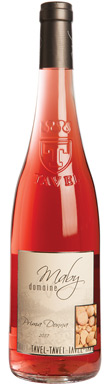
Wild berry fruit and strawberry aromas dominate on the nose. Interesting balance in the mouthfeel of berry acidity and smoked paprika flavours. Very powerful with...
2017
Domaine MabyTavel
Plaimont Producteurs, Rosé d'Enfer, Saint-Mont, Southwest France, France, 2017
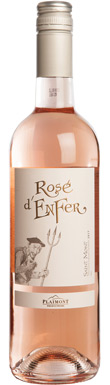
There’s red fruit and floral notes to start, moving into creamy cherry fruit that’s leafy with a touch of tannin. A blend of several varieties,...
2017
Plaimont ProducteursSaint-Mont
